GTA 6: Australia’s Unique Drug Censorship Explained | Games News
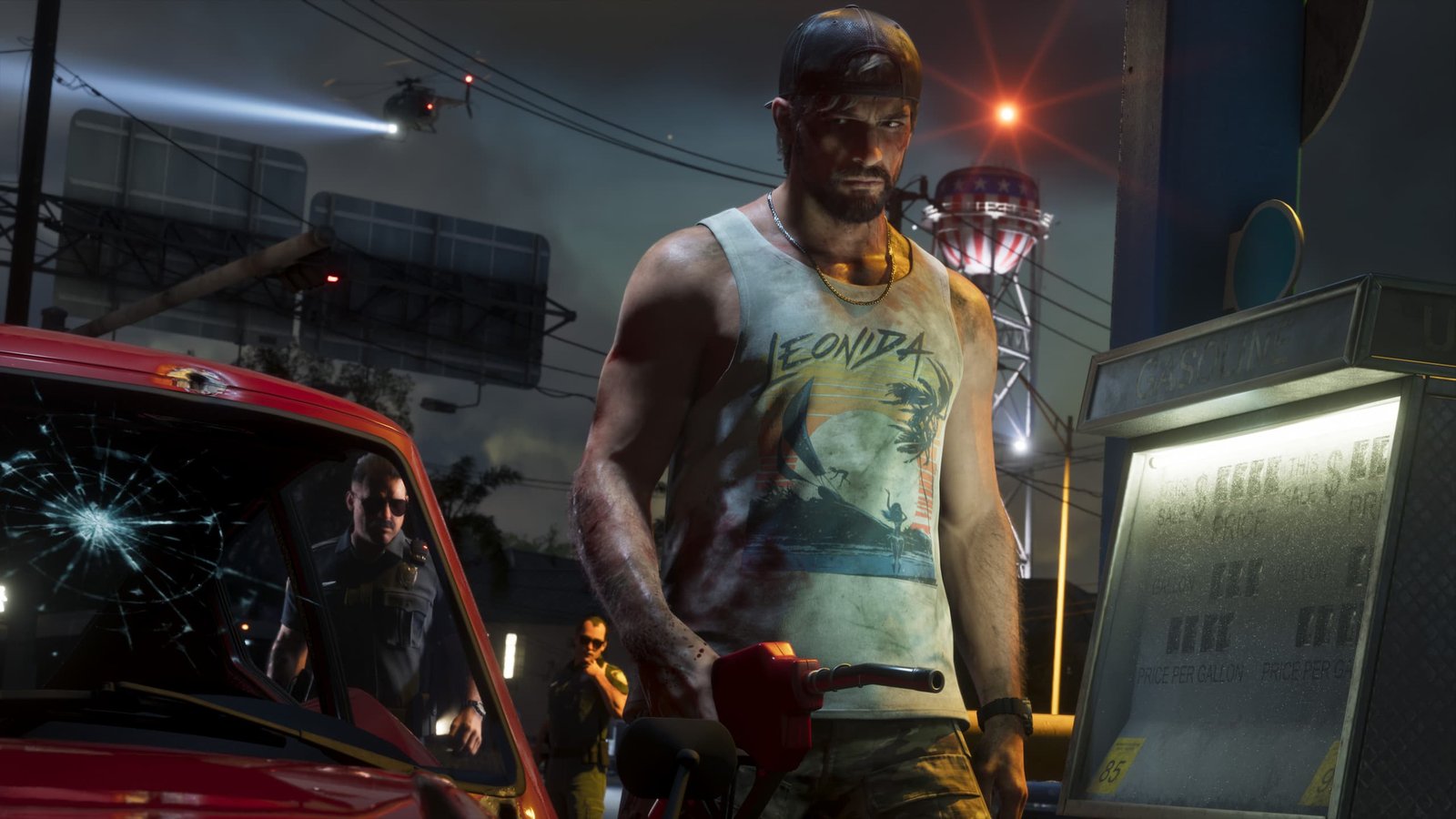
The gaming world has been abuzz with the release of Grand Theft Auto VI, a title long-awaited by millions. Known for its expansive open world, compelling narratives, and often controversial themes, Rockstar Games’ latest installment promised to push boundaries once more. Players across the globe are diving deep into its criminal underworld, exploring myriad illicit activities and navigating scenes that include nudity, all part of the immersive experience the franchise is famous for. However, the path to a global release is rarely uniform, and regional sensibilities often dictate subtle, yet significant, changes to content.
Australia stands out as a country with a particularly notable and, to many, peculiar form of censorship confirmed by players in GTA 6. This isn’t merely about graphic content, which has often been a point of contention in various markets, but rather a specific regulation targeting the utility of certain substances within the game’s mechanics. The implications of this localized edit extend beyond just a visual alteration; they fundamentally change how a specific gameplay element functions, forcing developers to adapt core features for a particular audience.
This situation brings to light the intricate dance between artistic freedom, commercial viability, and national regulatory bodies. For fans of the franchise, especially those deeply immersed in the ‘nerd culture’ of gaming, understanding these nuances is crucial. It speaks to a broader conversation about content classification, the varying moral landscapes across different nations, and how these factors ultimately shape the interactive entertainment we consume. As players invest countless hours in the vibrant, yet often morally ambiguous, world of GTA 6, this Australian peculiarity offers a fascinating case study in global game development and consumption.
The impact of such censorship goes beyond just gameplay. It reflects a cultural perspective that prioritizes certain values, even if it means altering a game’s intended design. For Rockstar, a studio that has historically prided itself on an uncompromising vision, these regional adaptations present a continuous challenge. This article delves into the specifics of Australia’s GTA 6 censorship, examining its roots, its implications, and what it means for the future of interactive games and international content distribution.
The Peculiar Case of Australian Censorship in GTA 6’s Gameplay
Australia has implemented a distinct form of censorship within GTA 6, particularly concerning the use of drugs for in-game advantages. This adaptation stems from specific local legislation that prohibits video games from depicting illicit substances granting any form of benefit or positive effect to players. Consequently, while players in most regions can consume drugs like cocaine to gain temporary boosts, the Australian version of the game renders these actions inert, altering a fundamental gameplay mechanic.
This unique restriction means that Australian players will encounter the visual representation of drugs within the game world, mirroring the global release. However, any attempt to use these substances will not yield the endurance buffs or other temporary advantages that players in other territories might experience. This regulatory decision ensures that the game adheres to the country’s stringent classification guidelines, emphasizing a clear stance against the glorification or positive association of drug use in interactive media, a notable departure from many international standards.
The Specifics: Drug Use and In-Game Advantages
In the global release of GTA 6, one of the methods available to players for gaining increased resistance for a 30-second duration involves the use of cocaine. This mechanic allows characters to temporarily enhance their capabilities, providing a strategic edge during intense gameplay sequences. This feature is integrated into the game’s broader system of character progression and temporary boosts, offering players various avenues to optimize their performance.
However, the Australian version presents a different scenario. Due to the country’s specific laws, while cocaine is visually present in the game, its consumption does not confer any gameplay benefits whatsoever. This means that Australian players cannot leverage this particular substance for a resistance boost. Instead, the game offers alternatives, such as the use of adrenaline, which remains a viable option for gaining enhanced resistance and other beneficial effects, ensuring that players still have access to similar gameplay mechanics through approved means.
Historical Context: Australia’s Stance on Controversial Games
Australia has a well-documented history of strict video game classification, often leading to controversial titles being heavily edited, refused classification, or banned outright. For decades, the country lacked an R18+ rating for video games, forcing mature content to be either edited down to fit MA15+ guidelines or deemed unacceptable for release. This led to significant public and industry debates, as many games designed for adult audiences were not available in their original form.
The introduction of an R18+ rating for video games in 2013 was a significant milestone, allowing more mature content to be legally released to adult consumers. However, even with this change, the Australian Classification Board maintains a cautious approach to certain themes, particularly those involving drug use, sexual violence, or explicit depictions of crime without sufficient context or negative consequences. The GTA 6 censorship on drug advantages is a direct manifestation of this continued vigilance, showcasing how specific legislative interpretations can still shape the local gaming experience, even for titles with an R18+ rating.
Rockstar’s Approach to Mature Themes and Global Release Challenges
Rockstar Games has long been synonymous with creating titles that push societal and thematic boundaries, often incorporating mature and controversial content into their critically acclaimed open-world experiences. From the satirical depictions of violence and crime in the Grand Theft Auto series to the gritty realism of Red Dead Redemption, the studio consistently delivers narratives that resonate with adult audiences. This commitment to an uncompromised artistic vision frequently brings them into direct contact with diverse international censorship and classification boards, necessitating careful navigation for global releases.
The challenge for Rockstar lies in adapting these intricate worlds for various markets without fundamentally altering the core experience or undermining their creative intent. This often involves localized adjustments that might seem minor to an external observer but can have significant implications for gameplay mechanics or narrative cohesion. The case of GTA 6 in Australia is a prime example of this ongoing negotiation, where specific national laws dictate how certain in-game elements can function, even within a universally mature-rated title.
Balancing Artistic Vision with Regional Regulations
The development of a massive title like GTA 6 involves intricate planning, not just for gameplay and narrative, but also for its eventual global distribution. Rockstar Games, renowned for its commitment to storytelling and immersive worlds, often finds itself at the forefront of debates surrounding artistic freedom versus regional sensibilities. The need to balance an uncompromising artistic vision with the varied and sometimes strict regulatory frameworks of different countries is a constant challenge.
For the Australian market, the specifics of local laws regarding drug depiction in games meant a direct modification to a gameplay feature. While the game’s broader themes of crime, illicit activities, and mature content, including nudity, are generally retained in the Australian version, the functional aspect of drug use for advantages had to be removed. This strategic adaptation allows the game to be legally distributed in Australia while adhering to national guidelines, underscoring the complex commercial and legal realities that developers face when launching high-profile titles worldwide.
The Player Experience: What Changes and What Remains
For players in Australia, the specific censorship regarding drug-induced advantages in GTA 6 marks a distinct alteration from the global version. However, it is crucial to understand that this change is highly targeted. The broader themes and vast array of illicit activities that define the GTA experience largely remain intact. Players can still engage in the game’s core criminal narratives, participate in high-stakes heists, and explore the intricate world of Vice City without substantial changes to the story’s progression or the game’s overall tone.
Furthermore, while the mechanical benefit from consuming certain drugs is absent, other forms of in-game vice, such as drinking alcohol and smoking, are reportedly still fully functional and accessible to players. This indicates a very specific focus by Australian regulators on the direct gameplay advantage conferred by illicit substances, rather than a blanket ban on their visual depiction or recreational use within the game. The core narrative scenes involving drugs are also present, suggesting that the censorship targets mechanical benefits rather than story context.
Comparative Overview: How GTA 6 Content Varies by Region
The regional variations in GTA 6 highlight a recurring theme in the global gaming industry: the adaptation of content to meet diverse national standards. While some differences might be minor, such as localized language or minor aesthetic adjustments, others, like the Australian drug censorship, directly impact gameplay. These variations are a testament to the complex legal and cultural landscapes that game developers must navigate, ensuring their products are both accessible and compliant worldwide.
Understanding these differences is key for the global gaming community, especially in an era of digital distribution where geographical boundaries can feel increasingly blurred. The experience of playing a universally released title like GTA 6 can subtly, yet meaningfully, differ depending on where one purchases and plays the game, leading to discussions and comparisons among players regarding the ‘definitive’ version of the game.
| Feature | Global Version | Australian Version |
|---|---|---|
| Cocaine for Stamina Boost | Yes (30-second resistance) | No (visually present, no benefit) |
| Adrenaline for Boost | Yes (resistance & other benefits) | Yes (resistance & other benefits) |
| Drinking Alcohol | Fully functional | Fully functional |
| Smoking | Fully functional | Fully functional |
| Visual Drug Depiction | Yes | Yes |
| Nudity/Illicit Activities | Present | Present |
The Ripple Effect: Potential Censorship in Neighboring Regions
The censorship observed in the Australian version of GTA 6 often prompts questions about similar restrictions in nearby regions, particularly New Zealand. Historically, New Zealand’s classification standards have frequently aligned with or mirrored those of Australia, especially regarding content deemed controversial or potentially harmful. This close relationship in regulatory approaches means that changes implemented for one market can often serve as a strong indicator for the other.
Initial reports and player observations suggest that the peculiar drug-use censorship might indeed extend to the New Zealand version of GTA 6. While official confirmation is often awaited from game developers or local classification boards, the pattern of similar content restrictions between these two nations makes such a scenario highly probable. This highlights a regional block of content regulation that developers must consider when preparing their games for release in Oceania.
The Future of Content Regulation and Gaming Development
The ongoing debate surrounding content regulation in video games, exemplified by the GTA 6 censorship in Australia, underscores a critical and evolving aspect of the entertainment industry. As games become increasingly sophisticated, immersive, and capable of addressing mature themes, the pressure from various regulatory bodies and public interest groups to control content remains significant. This dynamic relationship between creators and censors is set to shape the future of game development, influencing design choices, narrative directions, and distribution strategies.
Looking ahead, game developers face the continuous challenge of navigating a complex global landscape, balancing their artistic vision with the imperative to reach broad audiences. The rise of digital distribution platforms and interconnected global communities further complicates this, as players are more aware than ever of regional differences. This transparency fuels discussions and demands for consistent content, pushing regulators to re-evaluate their approaches in an increasingly globalized digital world.
Anticipating Future Challenges for Game Studios
Game studios developing titles with mature themes are constantly anticipating and adapting to evolving content regulations across different jurisdictions. The case of GTA 6 in Australia serves as a contemporary reminder that even with mature ratings, specific gameplay mechanics or depictions can trigger unique local restrictions. Future challenges will likely involve an increased scrutiny of not just explicit content, but also implied consequences, moral choices, and the interactive effects of controversial elements.
Studios like Rockstar must therefore engage in proactive planning, often developing flexible game engines and content delivery systems that can accommodate regional variations without costly overhauls. This might involve creating modular content, implementing dynamic content filters, or even developing distinct regional builds from the outset. The goal remains to deliver a compelling experience while legally complying with diverse national standards, a task that grows more intricate with every new generation of games.
The Role of Digital Distribution in Regional Content Control
The prevalence of digital distribution platforms has fundamentally altered how video games are bought, sold, and accessed globally. While digital storefronts promise universal availability, they also present unique challenges for regional content control. Publishers can implement geo-blocking and offer region-specific versions of games, ensuring that players only access content approved for their specific territory. This technical capability allows for precise adherence to local laws, as seen with GTA 6 in Australia.
However, digital distribution also fosters a global community of players who are quick to share information about regional differences, sometimes leading to circumvention efforts through VPNs or region-switching accounts. This creates a perpetual cat-and-mouse game between content regulators, publishers, and players. The future will likely see a continued evolution in how digital platforms manage these complexities, balancing ease of access with robust content control measures, all while the demand for uniform global content continues to grow among the player base.
Frequently Asked Questions About GTA 6 Censorship
-
Why is GTA 6 censored differently in Australia?
GTA 6 is censored differently in Australia primarily due to specific local laws governing video game content, particularly regarding the depiction of illicit drugs. Australian legislation prohibits games from presenting drugs as sources of in-game advantages or benefits. This means that while drug visuals remain, their consumption cannot grant temporary boosts or positive effects, a direct adaptation to comply with the country’s stringent classification guidelines. This approach aims to prevent the glorification or positive association of drug use within interactive media for Australian consumers.
-
What specific drug use is censored in the Australian version of GTA 6?
The primary censorship in the Australian version of GTA 6 relates to the use of cocaine for in-game benefits. In other regions, consuming cocaine can provide a 30-second resistance boost. In Australia, however, while the visual elements of cocaine are present, its use does not confer any gameplay advantages. This restriction is very specific to the functional benefit derived from illicit substances, rather than a blanket removal of drug imagery or context within the game’s narrative.
-
Does this censorship affect other illicit activities in GTA 6?
Based on current reports, this specific censorship primarily targets the mechanical benefits derived from illicit drug use, specifically cocaine, for in-game advantages. Other illicit activities, such as drinking alcohol and smoking, reportedly remain fully functional and uncensored in the Australian version of GTA 6. Furthermore, the game’s broader narrative, which includes various criminal elements and mature themes like nudity, is largely retained, indicating a precise focus on functional drug benefits rather than general mature content.
-
Has Australia censored video games like this before?
Yes, Australia has a long history of strict video game censorship. For many years, the country lacked an R18+ rating for video games, leading to numerous mature titles being either heavily edited, refused classification, or banned entirely. While the R18+ rating was introduced in 2013, allowing more adult content, the Australian Classification Board continues to apply specific criteria, especially concerning themes like drug use, sexual violence, and crime. This history underscores a consistent regulatory approach to interactive media.
-
How do these regional differences impact game developers?
Regional differences in censorship significantly impact game developers by adding layers of complexity to the production and distribution process. Studios must invest resources in understanding and complying with varied international laws, which can necessitate developing multiple game versions, implementing content filters, or making design compromises. This challenges developers to balance their artistic vision with commercial viability and legal compliance, often leading to increased development costs and extended release schedules.
-
Can players bypass GTA 6 censorship in Australia?
Bypassing regional censorship in video games can be technically challenging and may violate terms of service or local laws. While some players might attempt to use virtual private networks (VPNs) or acquire game versions from different regions, publishers often implement geo-blocking measures to prevent such circumvention. Additionally, purchasing or playing a game version not intended for one’s region can lead to compatibility issues, account suspensions, or lack of official support. It is generally recommended to play the version officially released in one’s territory.
The Evolving Landscape of Global Gaming Standards
The case of GTA 6’s peculiar censorship in Australia offers a compelling snapshot of the intricate challenges facing the global games industry. It serves as a stark reminder that even in an era of instantaneous information and interconnected digital communities, national borders continue to define the parameters of content consumption. For both developers and players, understanding these nuances is no longer optional but essential for navigating the complex tapestry of international entertainment.
As technology advances and games continue to push creative boundaries, the dialogue between artistic expression and societal regulation will undoubtedly intensify. The implications of these localized adaptations stretch beyond mere gameplay tweaks; they reflect deep-seated cultural values and legislative priorities that vary wildly across the globe. Ultimately, the ongoing evolution of gaming standards demands continuous engagement, adaptability, and an informed perspective from everyone involved, ensuring that the rich and diverse world of interactive entertainment can thrive, albeit with its regional particularities.














Post Comment