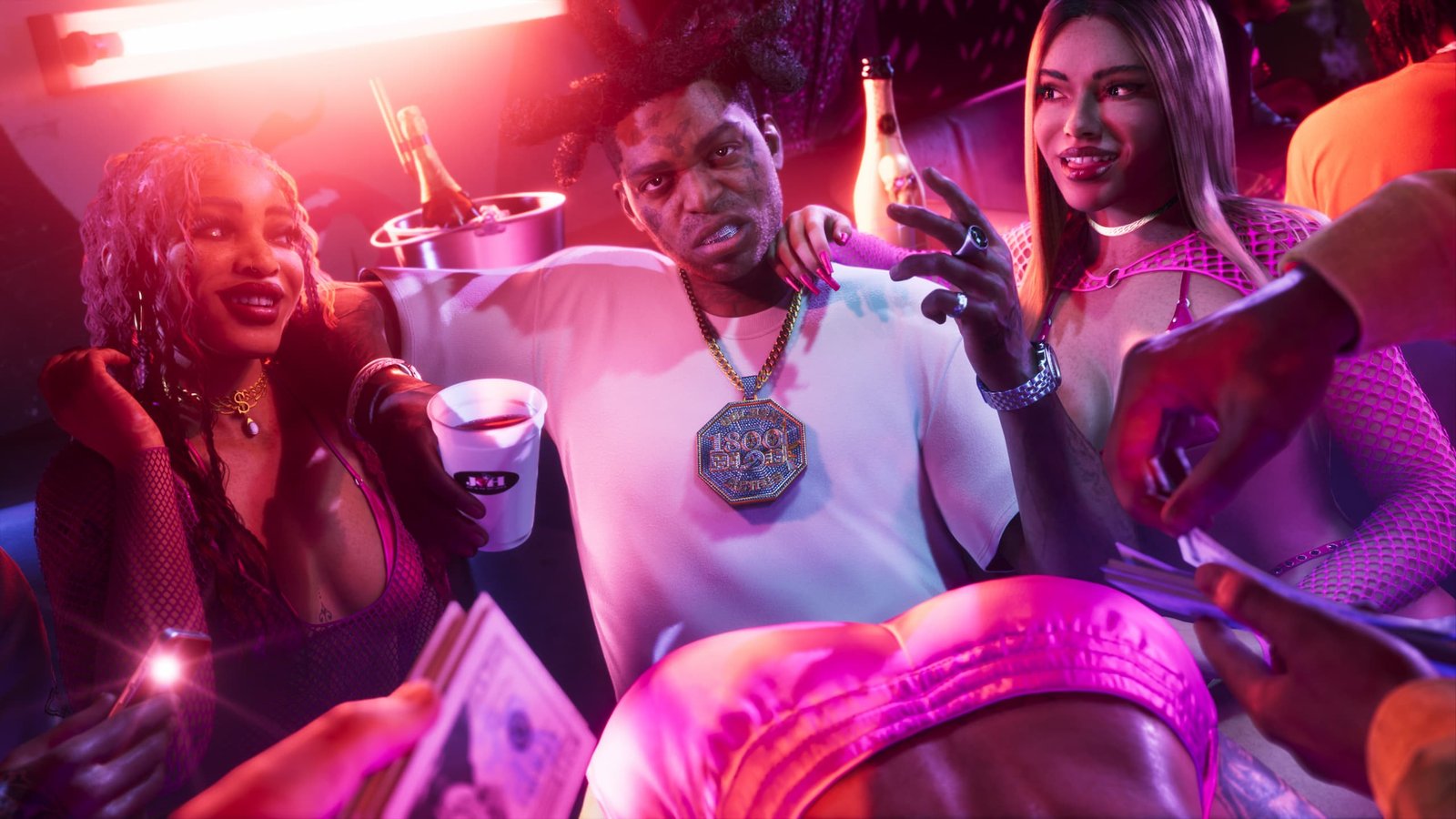
GTA Tokyo: The Dream That Almost Became a Reality for Games
For nearly three decades, the Grand Theft Auto franchise has meticulously crafted a satirical mirror to American life, delivering sprawling urban landscapes that are as much characters as the protagonists themselves. From the neon-drenched Vice City to the sun-baked Los Santos, these settings are inextricably linked to the series’ identity, providing the backdrop for its cutting social commentary and unparalleled freedom. Yet, for just as long, fans have mused about the possibilities of a GTA adventure taking them beyond U.S. borders, with Tokyo frequently emerging as a top contender for its unique blend of traditional culture, technological marvels, and chaotic urban energy.
This persistent dream, often relegated to fan art and speculative forums, recently gained surprising validation. Obbe Vermeij, a former technical director at Rockstar Games, revealed that `GTA Tokyo` was more than just a fleeting idea; it was a concept seriously entertained by the studio, sparking actual discussions and strategic considerations. The mere notion of GTA’s signature blend of open-world anarchy, vehicle theft, and intricate narrative unfolding against the backdrop of Shibuya crossing or the intricate alleyways of Shinjuku ignite imaginations across the globe. It represents a potential paradigm shift for a series rooted deeply in American culture, suggesting a bold willingness by Rockstar to explore uncharted territories.
The revelation that Rockstar engaged in negotiations with Japanese studios and even registered trademarks for potential Japanese settings underscores the depth of this consideration. It paints a picture of a creative team constantly pushing boundaries, exploring how their established formula could translate or transform within a completely new cultural context. This isn’t just about a change of scenery; it’s about reinterpreting the very essence of Grand Theft Auto, a `games` series renowned for its sharp wit and often provocative take on society. As other major franchises, like Forza Horizon and Assassin’s Creed, embrace Japanese settings for their latest installments, the story of `GTA Tokyo` offers a unique glimpse into the creative dilemmas and strategic decisions behind one of the industry’s most influential developers. It forces us to ponder what could have been and, more importantly, why some creative visions, however compelling, ultimately remain just beyond our grasp.
The Unseen Horizon: How GTA Tokyo Nearly Reshaped the Future of Games
The possibility of `GTA Tokyo` is a fascinating chapter in the annals of `games` development, revealing Rockstar’s proactive exploration of bold new directions for its flagship franchise. This ambitious project moved beyond mere concept to actual strategic planning, marked by significant internal discussions and external overtures.
Rockstar Games, known for its groundbreaking open-world experiences, genuinely considered taking the Grand Theft Auto series to Japan. This was evidenced by trademark registrations for titles like “GTA Tokyo” and other related names by its parent company, Take-Two Interactive, back in 2003, signaling a clear intent to protect potential future interests in the region. These early legal steps were followed by concrete actions, as former technical director Obbe Vermeij confirmed that Rockstar engaged in negotiations with Japanese development studios.
While the exact depth and seriousness of these discussions remain somewhat obscured by time and corporate confidentiality, Vermeij’s testimony indicates that the plan to explore a Japanese setting was a genuine possibility within Rockstar’s creative pipeline. The proposed vision for `GTA Tokyo` was set in modern-day Japan, envisioned to retain the franchise’s characteristic blend of irreverence and action, even suggesting the inclusion of elements like samurai swords alongside the typical mayhem.
This period of exploration highlights a critical juncture for Rockstar, where the allure of a new cultural backdrop clashed with the established identity of the GTA series. The very idea of transplanting the intricate social commentary and often dark humor, so finely tuned to American idiosyncrasies, into a Japanese context presented both immense creative opportunity and formidable challenges, ultimately leading to a pivotal decision about the franchise’s future direction.
Direct Answer Block: Rockstar Games seriously explored the concept of `GTA Tokyo`, registering trademarks in 2003 and engaging in negotiations with Japanese studios. The project aimed to bring Grand Theft Auto’s signature style to a modern Japanese setting, complete with traditional cultural elements, before ultimately being shelved due to the perceived difficulty of translating the franchise’s intrinsic American identity and satirical commentary to a foreign cultural context for `games`.
Navigating Cultural Crossroads: Why a Japanese Setting Posed Unique Challenges for Grand Theft Auto
The decision to abandon `GTA Tokyo` was not a lack of ambition, but rather a profound understanding of the Grand Theft Auto franchise’s core identity. Rockstar’s internal assessment, as recounted by Obbe Vermeij, concluded that adapting the game’s essence to a non-American country would be inherently difficult because the series is “very much about the United States.” This statement encapsulates the profound challenge of cultural translation for a `games` series built on specific societal critique.
Grand Theft Auto thrives on its biting satire of American consumerism, political landscapes, media sensationalism, and the often-gritty pursuit of the “American Dream.” Its cities are caricatures of real-life metropolises, populated by characters who embody various facets of American culture, from celebrity worship to corporate greed and gang warfare. The humor, the social commentary, and even the nuances of criminal enterprise are deeply embedded in this cultural fabric. Transplanting this complex system of satire to Japan, with its distinct social norms, legal frameworks, and cultural taboos, would necessitate a complete re-evaluation of the game’s narrative and thematic pillars.
Consider the delicate balance required: maintaining GTA’s signature irreverence while also respecting Japanese cultural sensitivities. The franchise’s often-provocative nature, which includes elements of crime, violence, and social transgression, would need careful consideration to resonate authentically without becoming a mere caricature or causing unintended offense. This is a challenge many `games` developers face when entering new cultural territories, but for a series as narratively and thematically dense as Grand Theft Auto, the stakes are particularly high.
Furthermore, the visual and auditory landscape of GTA is deeply rooted in American aesthetics—the cars, the architecture, the radio stations, the fashion. Recreating this authenticity for Tokyo, not just visually but in spirit, would require an immense research and development effort. While other franchises like Assassin’s Creed Shadows or Ghost of Tsushima successfully navigate Japanese settings, their narrative objectives often differ, focusing on historical immersion or specific genre conventions, rather than GTA’s brand of contemporary social satire. For Rockstar, preserving the soul of Grand Theft Auto meant recognizing its inseparable link to its American backdrop, making `GTA Tokyo` a creative bridge too far at that time.
Direct Answer Block: Rockstar opted against `GTA Tokyo` primarily because the franchise’s foundational satire, humor, and social commentary are intrinsically tied to American culture. Developers concluded that translating GTA’s unique identity to a Japanese setting would be immensely challenging, risking the loss of its core essence or an authentic cultural portrayal, a critical factor for such a globally influential `games` series.
The Intricate Dance of Development: Behind Rockstar’s Ambitious Considerations for Games in Japan
Exploring a concept as ambitious as `GTA Tokyo` highlights the meticulous planning and extensive resources that go into Rockstar Games’ development pipeline. The consideration of a Japanese setting was not a casual thought but involved a structured approach to potential international expansion, including the critical phase of evaluating partnerships with local studios. Such collaborations are essential for navigating cultural nuances, linguistic barriers, and local market demands, ensuring the final product resonates authentically with its target audience while remaining true to the developer’s vision.
The timeline of the trademark registrations, from 2003 to their abandonment in 2008, offers a window into the decision-making process. This five-year span suggests a period of active research, negotiation, and internal debate regarding the feasibility of `GTA Tokyo`. During this time, Rockstar would have weighed not only the creative challenges but also the logistical complexities of developing such a monumental title. This includes everything from establishing robust production pipelines with an external partner to ensuring a cohesive narrative and gameplay experience that aligns with the Grand Theft Auto brand’s high standards.
Moreover, the sheer scale of a GTA title demands an unparalleled level of detail and cultural accuracy. Creating a living, breathing rendition of Tokyo would require an intimate understanding of its districts, subcultures, public transportation, and even its criminal underworld. While the proposed inclusion of “samurai swords and other typical franchise craziness” hints at a desire to blend iconic Japanese imagery with GTA’s anarchic spirit, the fundamental question remained whether such a blend could truly capture the profound social commentary that defines the series, without superficiality or misinterpretation. This exhaustive internal scrutiny of cultural, logistical, and creative implications ultimately guided Rockstar’s decision, underscoring their commitment to delivering unparalleled quality over mere novelty in their `games`.
Direct Answer Block: Rockstar’s consideration of `GTA Tokyo` involved strategic planning, including trademark registrations and negotiations with Japanese studios, indicating a serious intent to explore cultural expansion. The eventual abandonment, around 2008, stemmed from the immense creative and logistical complexities of translating GTA’s unique American satirical identity and production scale to a new cultural context for such a prominent `games` franchise.
Future Horizons and the Legacy of Grand Theft Auto Games
The story of `GTA Tokyo` serves as a poignant “what if” in the rich history of Rockstar Games, a testament to the studio’s perpetual quest for innovation and its willingness to explore radical ideas. While the allure of a Grand Theft Auto set in the bustling streets of Tokyo remains a captivating fantasy for many within the Nerd Culture & Entertainment Fans demographic, Rockstar’s ultimate decision to maintain the series’ American roots speaks volumes about its commitment to its established identity. This unwavering focus has allowed the franchise to continuously refine its formula, pushing boundaries in narrative complexity, open-world design, and interactive storytelling.
With the highly anticipated release of `GTA 6` on the horizon, set to return to a reimagined Vice City, the franchise reinforces its dedication to exploring and satirizing the American experience. This continuation suggests that for Rockstar, the cultural backdrop is not just scenery, but an integral component of the game’s thematic depth and satirical power. The decision to pass on `GTA Tokyo` was arguably a strategic one, ensuring that the next installment would build upon a familiar, yet evolved, foundation, promising new layers of social commentary and gameplay innovation within a context the developers know intimately.
Ultimately, the saga of `GTA Tokyo` is more than just a cancelled project; it’s a fascinating insight into the creative philosophy of one of the world’s most influential `games` developers. It highlights the internal dialogues that shape iconic franchises, demonstrating how vision, ambition, and a deep understanding of core brand values coalesce to determine the path forward. While the dream of cruising through Tokyo in a GTA title may never materialize, the consideration itself underscores the imaginative spirit that keeps the Grand Theft Auto series eternally relevant and constantly evolving, ensuring its legacy as a cultural touchstone in the world of `games`.
Direct Answer Block: Despite the abandonment of `GTA Tokyo`, the Grand Theft Auto franchise continues to evolve by iterating on its core American identity, as seen with the upcoming `GTA 6` in Vice City. This decision reflects Rockstar’s commitment to preserving the series’ unique satirical voice and deep cultural commentary, solidifying its legacy as a pivotal force in the landscape of modern `games` by continuously refining its established formula.
The Enduring Appeal of Non-American GTA Concepts
Despite Rockstar’s reasoning for sticking to American settings, the fan base for Grand Theft Auto consistently expresses a strong desire for games set in other global locations. Tokyo is merely one of many cities often fantasized about, alongside European capitals or even other continents. This enduring appeal stems from a natural curiosity about how GTA’s distinctive blend of satire, crime, and open-world freedom would adapt to different cultural and architectural landscapes.
For many players, the idea of a `GTA Tokyo` isn’t just about a change of scenery; it’s about imagining new possibilities for storytelling, new forms of satire targeting different societal norms, and new gameplay mechanics that might emerge from unique cultural elements. The discussions generated by Obbe Vermeij’s revelations underscore that while Rockstar has its creative parameters, the player community remains eager for the franchise to broaden its geographical horizons, even if `games` like `GTA 6` keep it firmly in the USA.
Lessons from the GTA Tokyo Decision for Future Games Development
The `GTA Tokyo` narrative offers valuable insights for `games` developers tackling globally recognized franchises. It emphasizes the critical importance of understanding a brand’s core identity and being realistic about the challenges of cultural transplantation. While novelty can attract attention, authenticity and thematic resonance are often paramount for long-term success and player engagement.
Rockstar’s decision highlights that simply changing a location isn’t enough; the entire narrative, satirical voice, and gameplay mechanics must adapt organically to the new environment. This requires immense research, cultural sensitivity, and a willingness to reinvent fundamental aspects of the `games` experience. For developers, the `GTA Tokyo` story serves as a powerful reminder that sometimes, preserving the soul of a franchise means recognizing its inherent limitations and focusing on deepening its established strengths, rather than diluting them with overly ambitious, albeit intriguing, diversions.
| Aspecto | GTA (USA-centric) | GTA Tokyo (Considerado) | Implicações do Abandono |
|---|---|---|---|
| Sátira Cultural | Focada em crítica à sociedade, política, e mídia dos EUA. | Visava adaptar a sátira a elementos japoneses e cultura urbana. | Decisão de manter a profundidade e ressonância da sátira americana. |
| Ambientação Urbana | Cidades fictícias inspiradas em metrópoles americanas. | Projetado para uma Tóquio moderna, com elementos tradicionais. | Evitar desafios na recriação autêntica e complexa de uma cidade estrangeira. |
| Narrativa e Personagens | Enraizados em arquétipos e histórias do “sonho americano”. | Requereria nova escrita e personagens adaptados à psique japonesa. | Manter a familiaridade e a capacidade de contar histórias reconhecíveis. |
| Elementos de Gameplay | Veículos, armas, economia, sistemas policiais baseados nos EUA. | Previa a inclusão de itens como espadas de samurai, adaptando o gameplay. | Preocupação com a coesão do gameplay e a introdução de elementos potencialmente incongruentes. |
| Conexão com Fãs | Alta identificação com a visão de mundo americana (internacionalmente). | Potencial para atrair novos públicos e alienar a base existente. | Garantir que a próxima iteração, como `GTA 6`, ressoe com a base de fãs estabelecida. |
FAQ: Everything You Need to Know About the Almost-Real GTA Tokyo Games Project
Q: Was GTA Tokyo ever officially announced by Rockstar Games?
No, `GTA Tokyo` was never officially announced by Rockstar Games or its parent company, Take-Two Interactive, as an upcoming title. The information regarding its consideration came to light through revelations made by Obbe Vermeij, a former technical director at Rockstar. Vermeij disclosed details about internal discussions and negotiations, shedding light on a project that remained behind the scenes. While trademarks were registered, these often serve as protective measures for potential future projects and do not constitute an official announcement of a `games` release. The project never progressed beyond the exploratory and negotiation phases.
Q: Who revealed the information about the GTA Tokyo project?
The insights into the `GTA Tokyo` project were revealed by Obbe Vermeij, a former technical director who worked at Rockstar Games for many years. Vermeij shared these details during an interview with Rock Paper Shotgun. His position within the company during the early 2000s gave him direct, albeit sometimes limited, knowledge of high-level discussions and plans concerning the future of the Grand Theft Auto franchise. His recollections provide a rare glimpse into the creative considerations and strategic decisions made behind the scenes at one of the world’s most secretive `games` developers.
Q: When was the GTA Tokyo trademark registered and abandoned?
The trademarks associated with “GTA Tokyo,” along with other related names like “GTA Bogota” and “GTA Vice City,” were registered by Take-Two Interactive in 2003. This registration period indicates a window of genuine interest and exploration for non-U.S. settings for the Grand Theft Auto `games`. However, the `GTA Tokyo` trademark was subsequently abandoned in 2008. The abandonment signals that by this time, Rockstar had likely made the definitive decision to not pursue the project, shifting its focus elsewhere, presumably back to the American settings that define the series.
Q: Why did Rockstar decide not to pursue GTA Tokyo?
According to Obbe Vermeij, Rockstar’s primary reason for not pursuing `GTA Tokyo` was the belief that it would be “difficult to make it work in another country because the game is very much about the United States.” This highlights the developers’ strong conviction that GTA’s unique brand of satire, its cultural commentary, and its portrayal of urban chaos are intrinsically linked to American society and its specific quirks. Translating this core identity to a distinctly different cultural context like Japan, without losing its essence or becoming superficial, was deemed too challenging, influencing their decision for the future of their `games`.
Q: What elements were considered for a GTA Tokyo setting?
Although the project did not materialize, Obbe Vermeij mentioned that the proposed `GTA Tokyo` would have been set in modern-day Japan. Critically, it was intended to retain the characteristic “craziness” and irreverence typical of the Grand Theft Auto franchise. Interestingly, Vermeij specifically noted the consideration of incorporating samurai swords, blending traditional Japanese elements with the series’ signature anarchic gameplay. This suggests an intention to marry authentic cultural iconography with the established mechanics and tone of the GTA `games`, creating a unique yet familiar experience for players.
Q: Has Rockstar ever considered other non-US settings for GTA besides Tokyo?
While `GTA Tokyo` is the most widely publicized instance of Rockstar considering a non-U.S. setting, primarily due to Obbe Vermeij’s direct statements and trademark registrations, there have been rumors and fan speculation about other locations over the years. The existence of the “GTA Bogota” trademark registered alongside “GTA Tokyo” in 2003 confirms that other international settings were at least on the radar. This demonstrates a period of broader geographical exploration for the franchise, even if most concepts ultimately led back to the familiar American urban landscapes that define the core appeal of the `games`.
Q: How do other major `games` franchises adapt to Japanese settings successfully?
Other major `games` franchises have successfully adapted to Japanese settings by carefully tailoring their narrative and gameplay to the cultural context. For instance, titles like Ghost of Tsushima focus on historical authenticity and samurai lore, while Assassin’s Creed Shadows embraces feudal Japan with its specific historical events and societal structures. Forza Horizon 6, if set in Japan, would likely emphasize the country’s diverse landscapes and vibrant car culture. These `games` often commit deeply to cultural research, collaborate with local experts, and adjust their mechanics or narrative tone to resonate with the chosen setting, a different approach than GTA’s satirical lens.
Q: What does the revelation about GTA Tokyo mean for future GTA titles?
The revelation about `GTA Tokyo` primarily reinforces Rockstar’s commitment to the Grand Theft Auto series’ foundational identity as a satirical commentary on American life. It suggests that while the studio is open to innovative ideas and geographical expansion, it prioritizes maintaining the core essence and cultural resonance of its `games`. For future GTA titles, this likely means a continued focus on evolving the American setting, as seen with `GTA 6` returning to Vice City, rather than a departure to international locales. It underscores a strategic choice to deepen existing strengths rather than risk diluting the brand’s unique character through cultural transplantation.
Strategic Closing: The Enduring Allure of What Might Have Been
The near-realization of `GTA Tokyo` is far more than just a footnote in the extensive lore of Rockstar Games; it’s a powerful illustration of the meticulous thought processes and strategic decisions that shape the gaming industry’s most influential franchises. This glimpse behind the curtain reveals a studio not afraid to dream big, to explore audacious concepts, but also one deeply committed to the fundamental principles that define its most beloved `games`.
While the vibrant streets of Tokyo remain an unfulfilled fantasy for Grand Theft Auto enthusiasts, this story reaffirms Rockstar’s understanding of its own legacy: a series deeply intertwined with the American narrative, capable of endless reinvention within its chosen cultural canvas. As we look forward to the next evolution of Grand Theft Auto, the `GTA Tokyo` saga serves as a reminder that true innovation often lies not just in exploring new frontiers, but in mastering the art of storytelling within the worlds we know best. It invites us, the Nerd Culture & Entertainment Fans, to continue our impassioned discussions, appreciating both the realities of our favorite `games` and the captivating allure of what might have been.










Post Comment