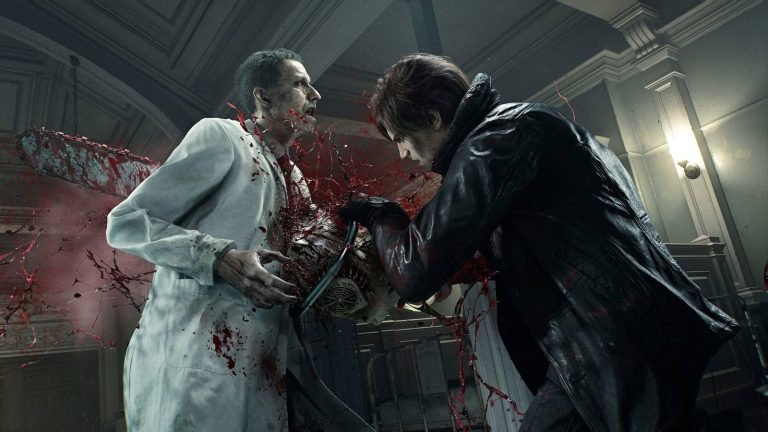
Hideki Kamiya Advocates for Non-Horror Mode in Games
The Call for a Non-Terror Mode by Hideki Kamiya
The video game industry has long been captivated by the elements of horror, drawing millions into immersive, spine-chilling narratives. However, not every player is equipped to handle this intensity, a viewpoint recently echoed by Hideki Kamiya, one of the creative minds behind the iconic Resident Evil 2. Expressing his thoughts on the current state of horror gaming, Kamiya argues for the introduction of a non-terror mode in upcoming titles, emphasizing the balance that can be struck between narrative depth and player comfort.
Understanding Hideki Kamiya’s Perspective
With three decades in the gaming industry, Kamiya possesses a unique insight into game design and player experience. He believes that advancements in technology have reached a point where the hyper-realistic graphics can exacerbate fear, making games excessively terrifying. His discomfort with horror content dates back to his youth, leading him to advocate for options that cater to players who share similar sentiments.
The Evolution of Horror in Gaming
Over the years, the horror genre in gaming has evolved significantly, transitioning from pixelated monsters to lifelike visuals and realistic soundscapes. Titles such as Resident Evil have pushed boundaries, heightening the sense of dread that players experience. However, Kamiya suggests that as the fidelity of graphics increases, the distressing elements have also intensified, perhaps to a detrimental degree.
Benefits of a Non-Terror Mode
- Inclusivity: A non-terror mode could attract a broader audience, allowing players who are averse to horror to engage with intriguing stories.
- Narrative Focus: By stripping away the horror elements, developers can place more emphasis on storytelling and character development, enriching the gaming experience.
- Reduced Anxiety: Players can enjoy the game without the stresses associated with horror, appealing to those looking for a more relaxed gaming environment.
Limitations of Implementing Such Modes
While the idea of a non-terror mode has its merits, there are certain limitations that developers might face:
- Creative Compromise: The essence of horror might be lost, altering how narratives are perceived and experienced.
- Increased Development Costs: Adding different modes can demand additional resources and time, complicating development timelines.
Common Misconceptions
One misconception is that horror elements cannot co-exist with engaging stories. Many successful games have merged these aspects effectively, proving that horror can enhance narratives rather than detract from them.
Best Practices for Game Developers
To cater to a wider audience, developers should consider:
- Player Feedback: Actively seek input from the gaming community to understand their preferences.
- Adaptive Difficulty Settings: Integrate sensitivity options for players to adjust horror elements according to their comfort levels.
The Future of Horror Gaming
As player preferences evolve, the gaming industry must adapt. The call for non-terror modes represents a shift towards greater inclusivity, allowing developers to create experiences that are both exciting and accessible.
Final Thoughts on Hideki Kamiya’s Advocacy
Kamiya’s insights into the horror gaming landscape encourage an essential dialogue about player experiences and preferences. By considering the implementation of non-terror modes, developers could redefine how narratives are crafted, ensuring everyone can enjoy the thrilling world of gaming.
FAQ
1. What prompted Hideki Kamiya’s suggestion for a non-terror mode?
Kamiya’s personal discomfort with horror elements and the increasing realism in games led him to advocate for a mode that minimizes fear while maximizing narrative depth.
2. How would a non-terror mode benefit players?
A non-terror mode would offer an inclusive gaming experience, focusing on storytelling without the stress associated with horror elements.
3. Are there risks associated with removing horror elements?
Yes, one risk is losing the essence of the horror narrative, which can affect player engagement and the overall atmosphere of the game.
4. Can horror and adventure be blended successfully?
Absolutely! Many successful games have blended horror with adventure, utilizing tension to enhance the overall experience without overwhelming players.
5. How can developers implement player feedback effectively?
Developers can use surveys, beta testing, and community discussions to gather valuable input from players, facilitating the design of experiences that resonate with a wider audience.
6. What trends should we expect in the future of horror gaming?
Expect an increased emphasis on player choice and adaptive experiences, allowing individuals to tailor their gameplay according to their comfort with horror.









Post Comment