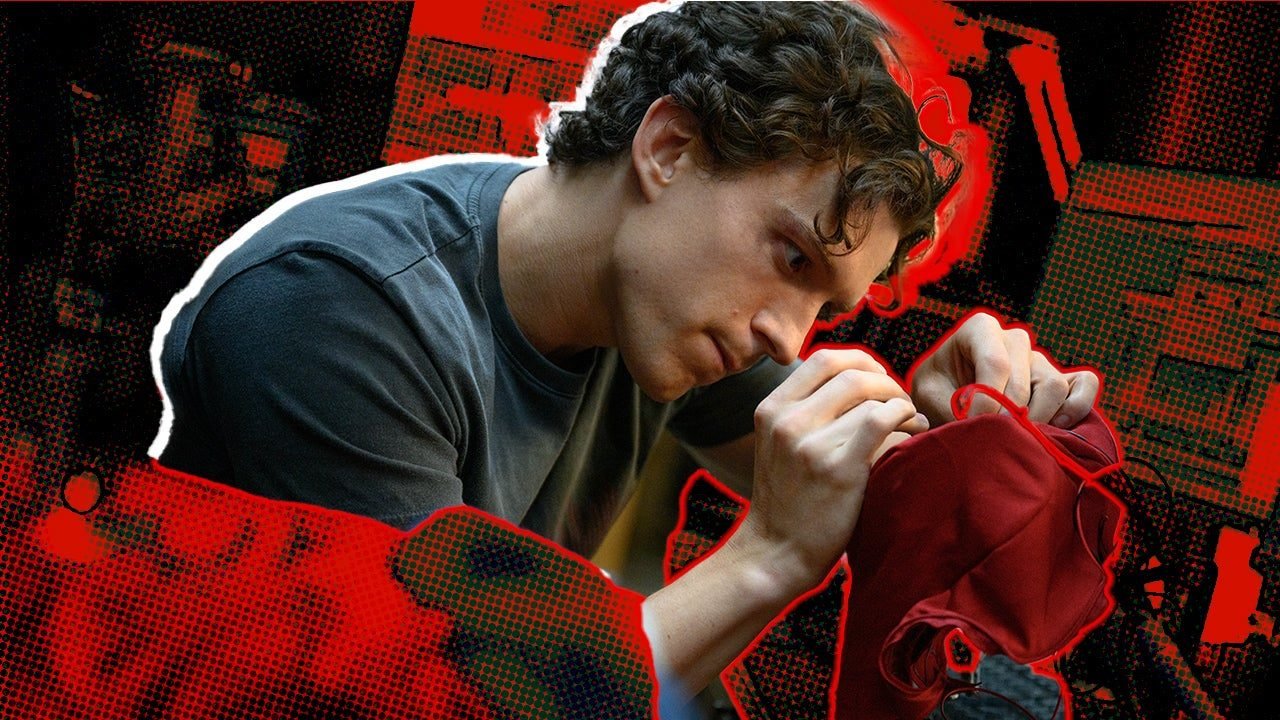
Homem-Aranha: Um Novo Dia: As nossas maiores dúvidas sobre o novo filme da Marvel
The Intriguing Narrative of Spider-Man: One More Day
Spider-Man: One More Day is one of the most controversial story arcs in Marvel Comics history, stirring passionate debates among fans regarding its themes and implications. First published in 2007, this arc revolves around Peter Parker’s desperate choice to bargain with Mephisto, a Marvel depiction of the devil, to save his Aunt May’s life. This pivotal decision ultimately leads to the erasure of Peter’s marriage to Mary Jane Watson, a consequence that has echoed throughout subsequent Spider-Man stories.
The Context Behind the Arc
This narrative emerged at a time when Marvel was exploring complex themes of sacrifice and consequence. The storyline was crafted by writer J. Michael Straczynski and artist Joe Quesada, who intended to re-establish Spider-Man’s character to a more relatable, single status. The emotional weight of the decision made by Peter Parker is pivotal, reflecting broader themes of personal loss and the sacrifices we make for our loved ones.
Historical Impact and Reactions
The release of One More Day sparked significant backlash among Spider-Man fans. Many criticized the decision to undo years of character development that included Peter’s marriage, which was a significant growth milestone for the character. The arc reshaped the landscape of Spider-Man storytelling, inciting discussions around character authenticity and the nature of happiness in the superhero genre. Furthermore, it kindled debates regarding editorial mandates within Marvel, as many fans suspected that commercial interests were involved in the decision to revert Peter to a single status.
What Really Changed in the Marvel Universe?
After the events of One More Day, the narrative trajectory of Spider-Man shifted dramatically. It not only affected Peter’s personal life but also had far-reaching effects on his relationships with other characters in the Marvel Universe. For many readers, the marriage of Peter Parker and Mary Jane Watson was a cornerstone of his identity, and its dissolution introduced a sense of uncertainty regarding the future of Spider-Man lore.
Consequences on Character Relationships
The fallout from this storyline has significantly altered the dynamics between Spider-Man and central characters like Aunt May, Mary Jane, and even adversaries such as Green Goblin. Without the anchor of his marriage, the portrayal of Spider-Man has often felt less stable, leading to stories that sometimes revert back to earlier tropes of solo adventuring rather than deep, personal narratives.
Comparative Analysis
| Aspect | Before One More Day | After One More Day |
|---|---|---|
| Character Relationships | Stable marriage with Mary Jane | Single, complex interactions |
| Narrative Tone | Mature, relationship-focused | Often light-hearted, action-driven |
| Reader Reception | Generally positive | Divided, with significant backlash |
Benefits Retained from the Story Arc
Despite the controversial nature of One More Day, certain benefits emerged from the story’s trajectory. The storyline opened avenues for exploring themes of guilt, loss, and the intricacies of relationships under stress. It also allowed new writers to approach the character from various angles, fostering creativity within the series.
Limitations Induced by One More Day
However, the story introduced significant limitations, undermining long-standing character developments and minimizing the emotional investment fans had in Peter Parker’s journey. The abrupt nature of the plot device used to reverse his marriage felt contrived to many, alleviating previous tensions without a satisfying resolution.
Common Misunderstandings
Many fans often misconstrue One More Day as merely a reset button for Spider-Man’s life. However, it is essential to comprehend the deeper implications that arise from Peter’s choices, including the portrayal of moral ambiguity when confronted with dire situations. Understanding these nuances is vital to appreciate not just this story, but Spider-Man’s ongoing evolution.
Best Practices for Engaging with the Story
Fans seeking to engage meaningfully with One More Day should approach it with an understanding of both its narrative significance and its repercussions on the broader Spider-Man mythos. Reflecting on character motivations and the role of sacrifice can enhance comprehension, fostering a more fulfilling reading experience.
Future Trends in Spider-Man Storytelling
The ramifications of One More Day continue to be felt across the Marvel Comics landscape. The questions it raised about the stakes of storytelling, character fidelity, and narrative integrity are more relevant than ever. New generations of writers are being asked to navigate the complexities introduced by this arc, balancing fan expectations with creative freedom.
The Takeaway on Spider-Man: One More Day
Ultimately, Spider-Man: One More Day is a polarizing but pivotal storyline that resonates within the Marvel Universe. It encapsulates the theme of sacrifice while prompting readers to question the cost of happiness within an iconic character’s journey.
Frequently Asked Questions (FAQ)
- What is the central theme of Spider-Man: One More Day? The central theme revolves around sacrifice, exploring the moral dilemmas faced by Peter Parker when he has to choose between his loved ones and his personal happiness.
- Why did Marvel decide to erase Peter Parker’s marriage? Marvel aimed to portray a more relatable version of Spider-Man, focusing on his individual struggles rather than his domestic life.
- How did fans react to the One More Day storyline? Fans exhibited polarized reactions, with a significant portion criticizing the erasure of the marriage, seeing it as a regression in character development.
- What is the significance of Mephisto in the story? Mephisto symbolizes the darker side of choice, representing the temptations that lead to morally complex decisions.
- Has the storyline influenced future Spider-Man tales? Yes, its complex themes have prompted writers to address the emotional weight of Peter’s choices in subsequent storylines.









Post Comment