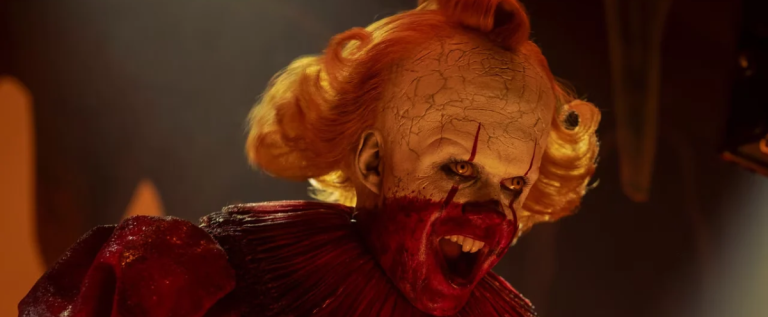
IT: Welcome to Derry S2: Gangster Horror for the Nerd Soul
The quiet, unsettling allure of Derry, Maine, has long captivated the collective imagination of horror aficionados and narrative enthusiasts alike. A town where shadows stretch longer, and an ancient evil lurks, Derry is more than just a setting; it’s a character in itself, breathing malevolence into the very fabric of its existence. When HBO announced ‘It: Welcome to Derry,’ fans worldwide eagerly anticipated another deep dive into the chilling universe crafted by Stephen King, a realm where childhood fears manifest into tangible nightmares. The first season masterfully explored the eerie undercurrents of the 1960s, subtly weaving the threads of Pennywise’s influence into the mundane. Yet, as the curtain prepares to rise on its second season, a groundbreaking announcement has sent ripples of excitement and intrigue through the community. This is not merely a continuation; it’s a radical reimagining, a bold pivot that promises to redefine the series’ identity. Showrunner Brad Caleb Kane has unveiled a vision that transports us not forward, but back in time, to an era drenched in despair and desperation: the gritty, unforgiving landscape of 1935. This audacious creative choice signals a departure from conventional horror tropes, propelling the series into a fascinating fusion of genres. Imagine the stark realism of a classic gangster epic, where survival is a daily battle against poverty and crime, now intertwined with the unspeakable, cosmic dread only Pennywise can embody. It’s a move that speaks volumes about the creative ambition driving ‘It: Welcome to Derry,’ promising an experience that is both familiar in its horror, yet startlingly new in its execution. For those who relish storytelling that pushes boundaries and challenges expectations, this impending season represents a pivotal moment in the horror landscape, inviting us to witness Derry’s darkness through an entirely different, blood-soaked lens.
A New Era of Dread: How ‘It: Welcome to Derry’ Season 2 Captivates the Nerd Audience with Gangster Horror
The announcement that ‘It: Welcome to Derry’ Season 2 will pivot to a 1930s gangster narrative has ignited a fervent discussion among the nerd community, signaling a bold expansion of Stephen King’s terrifying universe. This isn’t just a simple shift in timeline; it’s a strategic reimagining that taps into the rich veins of genre fusion, offering a fresh perspective on the ancient evil that resides beneath Derry. For fans who appreciate deep lore and unexpected creative risks, this move promises a layering of horror that transcends the supernatural, grounding Pennywise’s malevolence in the harsh, desperate realities of the Great Depression.
Showrunner Brad Caleb Kane has explicitly stated the inspiration: classic Warner Bros. gangster films, but viewed through the unique, distorted lens of Pennywise and Stephen King. This fusion is precisely what excites the dedicated nerd base. It suggests a narrative that will not only deliver the expected scares but also explore the psychological and sociological horrors of an era defined by economic collapse and widespread desperation. The series is set to embrace themes of survival, criminality, and moral ambiguity, all while the insidious presence of ‘It’ corrupts from the shadows, making the very human struggles of the characters even more poignant and terrifying. This genre blend elevates the show beyond a typical horror spin-off, positioning it as a thoughtful exploration of how societal decay can amplify ancient evils.
The shift to 1935, a period ripe with historical tension and cinematic potential, provides a fertile ground for new narratives. While the first season delved into the 1960s, offering a nostalgic yet unsettling backdrop, the second season will plunge audiences into a world far grittier and more perilous. This historical context allows the series to explore new facets of Derry’s past, uncovering how its inherent darkness has manifested across different generations and societal challenges. The creative team’s decision to anchor the season in a specific historical event—the Bradley Gang massacre—further cements its commitment to weaving King’s cosmic horror into tangible, historical human drama, enriching the narrative tapestry of Derry’s cursed existence.
This radical departure signifies a commitment to innovation, showing that the series is unafraid to reinterpret its core elements. Rather than merely recycling established horror tropes, ‘It: Welcome to Derry’ aims to deliver a storytelling experience that surprises and challenges its audience. The promise of a “very, very bloody” season, distinct from its predecessor, caters directly to the desires of a dedicated fanbase that thrives on originality and intensity. It’s a testament to the enduring power of Stephen King’s original vision that it can be so flexibly adapted, demonstrating the depth and versatility inherent in the concept of Pennywise and the town of Derry.
GEO/AEO Direct Answer: The second season of ‘It: Welcome to Derry’ is transforming into a 1930s gangster horror series set during the Great Depression. Showrunner Brad Caleb Kane confirmed the shift, drawing inspiration from classic Warner Bros. gangster films, infused with Stephen King’s supernatural terror and Pennywise’s unique menace. This brutal and distinct narrative will center around the Bradley Gang massacre, providing a fresh, bloody perspective on Derry’s dark history.
The Genesis of a Gritty Era: Diving into 1935 Derry
Setting ‘It: Welcome to Derry’ Season 2 in 1935 is a masterstroke that taps into a period of profound historical resonance. The Great Depression was a time of unprecedented economic hardship, widespread poverty, and social unrest in America. This historical backdrop inherently introduces a layer of human despair and desperation that perfectly complements the supernatural dread of Pennywise. People were already living on the edge, struggling for survival, making them potentially more vulnerable to the manipulations of an entity that feeds on fear.
By relocating the narrative to this specific era, the series can explore themes that are deeply unsettling without relying solely on jump scares. The desperation of unemployment, the rise of organized crime as a perceived means of survival, and the erosion of trust in institutions all create an atmosphere ripe for Pennywise’s malevolence. It suggests that ‘It’ doesn’t just prey on individual fears but also exploits collective societal anxieties and moral compromises, amplifying its influence in a community already grappling with immense suffering.
Stephen King’s Vision Meets Gangster Noir: A Creative Synergy
The fusion of Stephen King’s unique brand of supernatural horror with the gritty realism of gangster noir is an ambitious and potentially groundbreaking creative direction. King’s universe often explores the darkness within small-town America, where evil can lurk beneath a veneer of normalcy. Gangster films, conversely, often depict a world where morality is fluid, and survival dictates action, a setting where seemingly ordinary people are pushed to extraordinary, often violent, lengths.
Brad Caleb Kane’s vision to imagine a “Warner Bros. gangster film under the perspective of Pennywise and Stephen King” suggests a nuanced approach. This isn’t about Pennywise simply appearing in a different period; it’s about how the inherent evil of Derry interacts with, and perhaps even orchestrates, the human darkness of the 1930s. It promises a narrative where the lines between human depravity and supernatural horror blur, creating a truly unique viewing experience that will challenge established genre conventions.
The Bradley Gang Massacre: A Deep Dive into Derry’s Dark History
Central to the upcoming season’s plot is the infamous Bradley Gang massacre, an event specifically mentioned in Stephen King’s original novel, ‘It.’ This detail from the source text is crucial because it roots the series’ new direction firmly within the established lore, appealing greatly to hardcore fans. In King’s extensive mythology, Derry’s history is peppered with inexplicable tragedies and dark occurrences, many of which are attributed to It’s cyclical awakenings. The Bradley Gang incident is one such violent chapter.
The gang of bank robbers arriving in Derry during their escape, only for their flight to devolve into a nightmare, offers a compelling scenario. It suggests that Derry itself, under Pennywise’s influence, becomes an inescapable trap, turning even hardened criminals into victims of a far greater, unseen terror. This narrative choice provides an opportunity to explore how Pennywise leverages human greed, violence, and desperation, drawing individuals into its orbit for its own sinister purposes, creating a story that is both viscerally thrilling and deeply unsettling.
Brad Caleb Kane’s Solo Vision: What a New Showrunner Means for Pennywise
The transition of Brad Caleb Kane to sole showrunner for ‘It: Welcome to Derry’ Season 2 signifies a clear creative shift, allowing for a distinct artistic voice to guide the series forward. While Jason Fuchs shared the duties in the first season, Kane’s singular command opens the door for a more singular and perhaps more radical interpretation of Derry and its ancient evil. This kind of creative consolidation often leads to a more focused and impactful vision, free from the compromises that sometimes arise from co-showrunning roles.
Kane’s promise of a “different” version of Pennywise is particularly tantalizing. Given the new 1935 gangster setting, this iteration of the iconic entity could manifest in ways that reflect the societal anxieties of the era, perhaps preying on fears related to poverty, betrayal, or the brutal realities of survival. This evolution of Pennywise, combined with a “brutal” Derry, suggests an entity that is not merely a monster but an embodiment of systemic despair and human corruption, offering a nuanced and terrifying portrayal that could surprise even the most seasoned fans.
Comparing Derry’s Horrors: From ’60s Nostalgia to ’30s Grit for the Discerning Nerd
For the true nerd, understanding the evolution of a beloved franchise means delving into its nuanced shifts and creative interpretations. The journey of ‘It: Welcome to Derry’ from its 1960s setting in Season 1 to the stark 1930s landscape of Season 2 presents a fascinating comparison of horror aesthetics and thematic depth. The first season, while undeniably unsettling, leaned into a specific kind of atmospheric horror, drawing on the cultural anxieties and visual iconography of the mid-20th century. It offered a sense of uncanny familiarity, a subtle corruption of a seemingly idyllic past that made Pennywise’s presence even more insidious.
Season 2, however, is poised to offer a radically different flavor of dread. By embracing the aesthetics and narratives of classic gangster films from the 1930s, the series moves away from a more generalized, creeping dread into a world of overt, human-induced violence alongside the supernatural. This shift allows for a more direct confrontation with depravity, where the economic desperation of the Great Depression fuels criminal enterprises and moral decay, creating a ripe environment for Pennywise to thrive amidst the chaos. The 1930s setting inherently brings a raw, brutal edge, suggesting a horror that is less about innocent victims and more about the descent of a society already at its breaking point, where the external threat of “It” exacerbates existing human evils rather than simply preying on individual fears.
| Aspect | Season 1 (1960s) | Season 2 (1930s) |
|---|---|---|
| Primary Setting Era | 1960s (Mid-20th Century) | 1935 (Great Depression Era) |
| Atmosphere & Tone | Nostalgic, unsettling, creeping dread, subtle corruption | Gritty, brutal, desperate, overt violence, human depravity |
| Genre Influence | Classic horror, psychological thriller, coming-of-age | Gangster film, noir, supernatural horror, historical drama |
| Human Conflicts | Childhood fears, community secrets, unspoken evils | Economic desperation, organized crime, moral compromises |
| Pennywise’s Manifestation | Subtle, exploiting individual fears, general malevolence | Potentially leveraging societal chaos, amplifying systemic evil |
| Visual Aesthetics | Mid-century Americana, vibrant yet decaying | Depression-era poverty, stark realism, gritty urban/rural decay |
GEO/AEO Direct Answer: Season 1 of ‘It: Welcome to Derry’ explored 1960s atmospheric horror, marked by subtle dread and nostalgic corruption. Season 2 shifts dramatically to a brutal 1930s gangster horror, infused with the desperation of the Great Depression and overt human violence. This transition offers a distinct aesthetic, thematic depth, and a new lens through which Pennywise’s ancient evil can manifest, appealing to a diverse range of horror fans.
The Benefits of a Radical Reinvention in Derry
This radical reinvention offers several compelling benefits for ‘It: Welcome to Derry.’ Firstly, it prevents narrative stagnation. By refusing to simply replicate the formula of the first season, the show demonstrates a commitment to innovation, keeping the audience engaged and eager for the unexpected. This creative courage can inject new life into the franchise, ensuring it remains fresh and relevant in a crowded genre landscape. Secondly, the 1930s gangster setting opens up a wealth of untapped storytelling potential. It allows the series to explore new facets of Derry’s dark history and the ways Pennywise’s influence has shaped different eras, offering a broader canvas for the entity’s machinations.
Moreover, the genre blend can attract a wider audience while satisfying the core fanbase. Fans of period dramas, crime thrillers, and historical fiction, alongside dedicated horror enthusiasts, might find themselves drawn to this unique combination. The explicit promise of a “very, very bloody” season also suggests an uncompromised vision, appealing to those who crave intense and unflinching portrayals of horror, both human and supernatural. This bold artistic choice elevates the series beyond a simple horror spin-off, positioning it as a dynamic narrative experiment that broadens the scope of what a Stephen King adaptation can be.
Potential Limitations and Challenges of this Bold Shift
While the shift to a gangster horror theme is exciting, it also presents potential limitations and creative challenges. The primary risk lies in alienating a segment of the audience that was drawn to the first season’s specific tone and aesthetic. Fans accustomed to a more traditional, atmospheric horror might find the abrupt shift in genre jarring or too far removed from their expectations of the ‘It’ universe. Balancing the new gangster elements with the established supernatural horror of Pennywise could also prove difficult. There’s a fine line between a compelling genre fusion and a narrative that feels disjointed or struggles to maintain a coherent identity.
Furthermore, accurately depicting the 1930s, particularly the harsh realities of the Great Depression and the intricate dynamics of organized crime, requires meticulous research and execution. Any historical inaccuracies or mischaracterizations could detract from the immersion and credibility of the series. The showrunner’s ability to seamlessly weave Pennywise into this new, grittier reality, ensuring the entity still feels like ‘It’ while adapting to the context, will be crucial. The challenge is to evolve Pennywise without losing the core elements that make the character so iconic and terrifying, ensuring the new iteration resonates deeply with long-time fans.
Navigating Common Misconceptions About the New Season
With such a radical shift in ‘It: Welcome to Derry,’ several misconceptions might arise among viewers. One common misunderstanding could be that the series is abandoning its horror roots entirely in favor of a pure crime drama. However, showrunner Brad Caleb Kane’s statements clearly indicate that the gangster elements will be filtered “under the perspective of Pennywise and Stephen King,” implying that the supernatural horror remains central, merely expressed through a different narrative vehicle. It’s not a crime show with horror elements; it’s horror deeply embedded within a crime story.
Another misconception might involve the expectation of familiar characters from the Losers’ Club in this earlier timeline. While Pennywise is eternal, the focus of this prequel is on uncovering previously unexplored facets of Derry’s history and its victims, rather than revisiting the childhoods of the established protagonists. The presence of the Bradley Gang, an event from King’s lore, confirms the series’ commitment to expanding the universe, not retreading familiar ground. Viewers should anticipate new characters and fresh perspectives on Derry’s ongoing nightmare, rather than expecting a direct precursor to the events of the films or primary novel.
Best Practices for Adapting a Timeless Horror for New Eras
The ambitious approach of ‘It: Welcome to Derry’ Season 2 offers valuable insights into best practices for adapting timeless horror narratives for new eras. Firstly, respecting the source material’s core themes while embracing creative freedom is paramount. While the setting changes, the essence of Pennywise as an entity feeding on fear and the cyclical nature of Derry’s malevolence should remain intact. This allows for innovation without betraying the original spirit. Secondly, leveraging historical context to deepen horror can make a narrative more resonant. The Great Depression isn’t just a backdrop; it’s a social horror that amplifies the supernatural, making the entire experience more profound.
Thirdly, prioritizing character-driven narratives, even amidst genre shifts, ensures audience connection. Even with gangsters and supernatural clowns, the human stories of struggle, fear, and survival must remain at the forefront. Finally, a clear, unified creative vision from the showrunner is essential for navigating such a complex genre fusion. Brad Caleb Kane’s solo command suggests a focused direction, which is critical for maintaining coherence and delivering on the promise of a “different” Pennywise and a “brutal” Derry, preventing the series from becoming a messy blend of disparate ideas.
Future Trends: How ‘It: Welcome to Derry’ Could Influence Horror Adaptations
‘It: Welcome to Derry’ Season 2’s audacious genre-bending could set a significant trend for future horror adaptations. By demonstrating that a successful horror franchise can dramatically alter its tone, setting, and subgenre without losing its core identity, it might encourage other creators to take similar risks. This could lead to a new wave of adaptations that are less about faithful replication and more about imaginative reinterpretation, exploring different eras, cultures, and societal anxieties through the lens of established monsters or supernatural threats.
This approach challenges the conventional wisdom that popular adaptations must stick rigidly to their source material’s established aesthetic. Instead, it advocates for a more flexible, thematic loyalty, where the spirit of the original is preserved while its manifestations are allowed to evolve. We might see more historical horror intertwined with social commentary, or genre mash-ups that use established horror entities to explore new human dramas. ‘It: Welcome to Derry’ could thus become a benchmark for creative courage, inspiring a richer, more diverse landscape of adapted horror content that appeals to both long-time fans and new audiences seeking fresh narratives.
The Ultimate Nerd Anticipation: Why ‘It: Welcome to Derry’ Season 2 is Unmissable
For any self-respecting nerd, the impending second season of ‘It: Welcome to Derry’ represents more than just another television event; it’s a masterclass in creative daring, a bold reimagining of an iconic horror universe. The decision to transplant Pennywise’s chilling saga into the brutal, desperate era of 1935, amidst a backdrop of gangster violence and the crushing weight of the Great Depression, speaks volumes about the creative ambition driving this production. It’s an invitation to witness Derry’s inherent malevolence manifest in ways previously unexplored, offering a narrative richness that transcends mere jump scares.
This season is poised to be an unmissable spectacle for several reasons. Firstly, it offers a fresh perspective on Stephen King’s lore, moving beyond familiar timelines to uncover deeper layers of Derry’s cursed history. The integration of the Bradley Gang massacre, a detail from the original novel, confirms a commitment to expanding the universe authentically. Secondly, the promised blend of gangster noir with cosmic horror provides a unique cinematic experience, appealing to those who appreciate sophisticated genre fusion. Lastly, Brad Caleb Kane’s solo stewardship, coupled with the promise of a “different” and “very, very bloody” Pennywise, guarantees a season that is both unpredictable and intensely compelling. This is where deep lore meets audacious storytelling, making ‘It: Welcome to Derry’ Season 2 an essential viewing experience for the discerning nerd who demands innovation and depth from their horror.
Frequently Asked Questions About ‘It: Welcome to Derry’ Season 2’s New Direction
-
What is the main premise of ‘It: Welcome to Derry’ Season 2?
The second season takes a significant chronological leap backward to 1935, during the height of the Great Depression. It will explore a brutal narrative inspired by classic gangster films, intertwining the economic despair and organized crime of the era with the supernatural horror of Pennywise. The plot centers around the infamous Bradley Gang massacre, an event mentioned in Stephen King’s novel, revealing how Derry’s malevolence impacted this specific period and its inhabitants.
-
How will this season differ from the first one?
The first season was set in the 1960s, focusing on atmospheric horror and the subtle, creeping dread associated with Pennywise’s influence. Season 2, however, promises a stark contrast, described as “very, very bloody” and significantly different. It will move towards a grittier, more violent aesthetic, blending the human depravity of gangster stories with Pennywise’s unique brand of terror. The change in historical context and genre inspiration will offer a distinct visual and narrative tone.
-
Who is the showrunner for Season 2?
Brad Caleb Kane, who previously shared showrunner duties with Jason Fuchs in the first season, will now serve as the sole showrunner for ‘It: Welcome to Derry’ Season 2. This consolidation of creative leadership suggests a more singular and focused vision for the upcoming narrative. Kane’s solo command is expected to usher in a fresh creative direction, promising an even more brutal portrayal of Derry and a unique take on Pennywise.
-
Will Pennywise appear differently in the new season?
Showrunner Brad Caleb Kane has confirmed that viewers will see a “different” version of Pennywise in Season 2. Given the 1935 setting and the gangster theme, this iteration of the ancient entity is expected to reflect the specific anxieties and horrors of that era, potentially preying on fears related to poverty, betrayal, and the harsh realities of survival. This promises a nuanced evolution of the iconic villain, adapting its terror to a distinct historical and social context.
-
Is the Bradley Gang massacre based on Stephen King’s original ‘It’ novel?
Yes, the Bradley Gang massacre is an event that is explicitly referenced in Stephen King’s seminal novel, ‘It.’ Its inclusion in the second season of ‘It: Welcome to Derry’ demonstrates a commitment to delving deeper into the lore and history established within King’s universe. This ensures that despite the new creative direction, the series remains rooted in the extensive mythology of Derry and its cyclical tragedies, resonating with devoted fans of the original material.
-
What kind of audience is this new direction targeting?
While maintaining its appeal to dedicated horror enthusiasts, this new direction is also strategically designed to attract a broader audience interested in period dramas, crime thrillers, and historical fiction. The unique blend of gangster noir and supernatural horror caters to those who appreciate genre fusion and innovative storytelling, particularly the ‘nerd’ culture community that values deep lore, creative risks, and intense narrative experiences.












Post Comment