
Thor: Director Discusses Critiques of the First Film
The Critiques of Thor: An Overview
The 2011 film Thor marked a pivotal moment in the Marvel Cinematic Universe (MCU), showcasing the journey of the Norse god treading between realms of mortals and gods. While the film received general acclaim, it also faced recurring critiques, particularly concerning its visual approach. Fans often pointed out the dramatic use of tilted camera angles, known as Dutch angles, throughout the movie. This stylistic choice sparked discussions about its effectiveness and intentions. Recently, director Kenneth Branagh opened up about this decision during a podcast with Kevin McCarthy, revealing insights into his artistic vision.
Nerd Culture and Visual Aesthetics
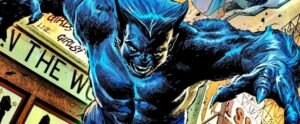
Branagh explained that the tilted angles were deeply rooted in the aesthetics of classic comic books, inspired primarily by the works of Jack Kirby. According to him, this choice was anything but arbitrary. “When you look at the classic phases of comic books, especially from Kirby, the framing is often tilted. It pulls the viewer into an expressionistic experience,” he noted. This reference to historical comic book styles reinforces the film’s attempt to create a unique visual language, aligning with the larger-than-life narrative of Thor.
Moreover, Branagh emphasized that while some within Marvel contemplated making the film’s shots more straightforward, the financial implications of altering established sequences were deemed too great. This decision underscores not only artistic choices but also the challenges faced in multi-million dollar productions.
Comparative Analysis of Cinematic Techniques
Much like Thor, several films within the MCU have showcased distinctive visual presentations:
- Iron Man: Prioritizes a clean, sleek aesthetic that aligns with its technological narrative.
- Guardians of the Galaxy: Uses vibrant colors and varied camera angles to enhance its quirky tone.
- Doctor Strange: Employs surreal visuals that play with perspective and dimensions.
Each of these films embraces its unique visual language, contributing to the broader MCU identity while also establishing individual character arcs.
Impacts and Legacy of Branagh’s Choices
The choice to maintain uneven angles in Thor undoubtedly left a legacy. The stylistic elements introduced in Thor not only defined the film but also influenced subsequent entries, paving the way for films like Thor: Ragnarok, which took a playful, yet visually distinct, approach away from its predecessors. This evolution of visual storytelling within the franchise invites viewers to appreciate the adaptability of superheroes and their narratives through various artistic lenses.
Common Misunderstandings
Fans often misconstrue visual techniques as mere gimmicks. However, Branagh’s insights reveal the intention behind the Dutch angles:
- Expression of Emotion: Utilizing tilted angles can visually represent chaos or conflict, resonating with Thor’s turbulent journey.
- Establishing Character Identity: The angles serve to differentiate Thor from other superheroes within the MCU, creating a unique signature style.
- Visual Engagement: Keeps the audience visually stimulated and invested in the unfolding drama.
Future Trends in Superhero Cinema
As superhero cinema evolves, we can expect filmmakers to draw from various artistic influences. The increasing integration of diverse visual styles will likely continue shaping the genre, as directors take liberties in establishing their unique storytelling methods. This also opens up discourse around visual integrity and audience expectations, as brands evolve over time.
Exploring Nerd Culture in Film
The discussions raised by Thor reaffirm the ongoing dialogues within nerd culture regarding visual storytelling and character representation. The differing opinions offer an opportunity for deeper exploration within fan communities.
Frequently Asked Questions
What are Dutch angles in filmmaking?
Dutch angles are camera tilts that create a disorienting effect, often used to convey unease or tension. This technique helps enhance the emotional underpinning of a scene.
Why was Thor’s visual style controversial?
The visual style, featuring tilted camera angles, drew mixed reactions from audiences who interpreted it variously—some viewed it as innovative while others saw it as unnecessary. This controversy reflects the diverse perspectives within nerd culture.
How did Kenneth Branagh’s direction influence the MCU?
Branagh’s direction established a unique aesthetic for Thor that diverged from other MCU films, paving the way for more experimentation in visual storytelling in future releases.
What are some other visual techniques used in superhero films?
Directors often utilize techniques like color grading, wide-angle shots, and dramatic lighting to enhance narratives. Each film adopts a signature style that mirrors its thematic focus.
How has the portrayal of Thor evolved over the films?
Thor has transitioned from a serious warrior to a more comedic character, with each film exploring different facets of his personality and journey, showcasing adaptability.
Will Thor’s aesthetic continue to influence future films?
The influence of Thor’s aesthetic likely persists, as filmmakers keep exploring artistic choices that resonate with the core of characters, enriching the overall MCU storytelling landscape.








Post Comment