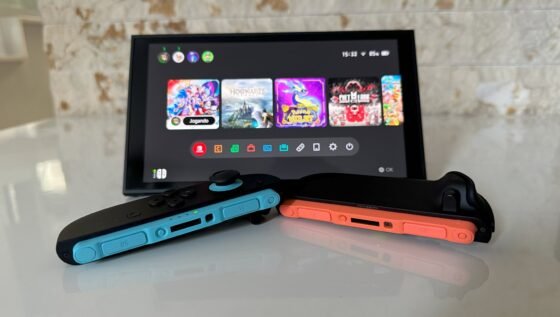
Nintendo’s Fight Against Switch 2 Jailbreaks & Illicit Games
The digital landscape of video games is a perpetual battleground, where innovation often clashes with the relentless pursuit of unauthorized access. At the forefront of this enduring conflict is Nintendo, a company renowned for its iconic franchises and fiercely protected hardware. Reports indicate that Nintendo is currently engaged in a determined effort to curb jailbreaking activities on the Nintendo Switch 2, a situation that underscores the critical importance of console security in the modern gaming era.
This ongoing struggle highlights a fundamental tension between console manufacturers striving to maintain control over their platforms and a community of hackers and enthusiasts seeking greater freedom or alternative uses for their devices. For Nintendo, the integrity of its ecosystem directly impacts revenue, intellectual property rights, and the perceived value of its proprietary games. The latest developments suggest a sophisticated cat-and-mouse game, with vulnerabilities being discovered and rapidly addressed, impacting how players interact with their consoles and the expansive world of games.
Understanding this dynamic requires a deeper look into the nature of console jailbreaks, the specific vulnerabilities exploited, and Nintendo’s strategic responses. The company’s actions are not merely about preventing piracy; they represent a broader commitment to preserving the carefully curated experience it offers to millions of players worldwide, ensuring that the development and enjoyment of its exclusive games remain uncompromised. As technology evolves, so too do the methods of circumvention and defense, making this a pivotal moment in the history of console security and its implications for the future of digital entertainment.
The current situation centers around a specific firmware version and the methods employed by those attempting to bypass Nintendo’s security measures. This article will delve into the intricacies of this conflict, exploring the technical details, the impact on the gaming community, and the broader implications for the industry’s approach to platform security and content distribution. It’s a narrative that affects every player, developer, and stakeholder within the vibrant world of video games.
The Battle for Unsanctioned Games: Nintendo’s Stance on Jailbreaking
Nintendo is actively working to prevent the jailbreaking of the Nintendo Switch 2, even on consoles operating with firmware version 23.0.1, due to a discovered vulnerability. While this partial jailbreak didn’t initially allow pirated games to run, it facilitated the use of emulators and ports of Nintendo titles on other platforms, posing a significant challenge to Nintendo’s control over its gaming ecosystem and intellectual property.
The concept of console jailbreaking, also known as hacking or modding, involves bypassing a device’s original firmware to gain unauthorized access to its operating system. This often opens the door to running homebrew applications, emulators for older systems, and, in some cases, pirated software. For Nintendo, a company with a strong history of protecting its intellectual property and maintaining a closed ecosystem, such breaches represent a direct threat to its business model and the integrity of its platform.
The immediate consequence of a successful jailbreak extends beyond mere technical curiosity. It can lead to a devaluation of official software, potential security risks for users, and a general erosion of trust in the platform’s security. This is particularly critical for Nintendo, whose exclusive lineup of games forms the cornerstone of its console’s appeal. Protecting these titles from unauthorized distribution is paramount for continued revenue and developer support.
Understanding Console Jailbreaks and Their Impact on the Gaming Ecosystem
A console jailbreak essentially grants users root access to the device, circumventing the restrictions imposed by the manufacturer. Historically, this has allowed for a wide array of activities, from installing custom operating systems to running software not approved by the console maker. While some users pursue jailbreaking for legitimate reasons, such as running homebrew applications or creating fan-made content, the practice is frequently associated with software piracy, a major concern for the entire gaming industry.
The impact of jailbreaks on the gaming ecosystem is multifaceted. On one hand, it can foster a vibrant community of modders and independent developers who push the boundaries of what a console can do. On the other, it creates significant financial losses for publishers and developers due to pirated copies of games, affecting their ability to fund future projects. Moreover, unauthorized modifications can introduce security vulnerabilities, potentially exposing users to malicious software or compromising their data, ultimately harming the overall integrity and trustworthiness of the platform.
The Firmware Vulnerability: What Was 23.0.1?
The reported vulnerability specifically affected firmware version 23.0.1 of the Nintendo Switch 2. Initially, this flaw was exploited through an application called SmileBasic, a programming tool that allows users to create their own games and programs. The discovery of this vulnerability enabled a partial jailbreak, meaning that while it didn’t immediately facilitate the execution of pirated games, it provided a gateway for other unauthorized activities.
The term ‘partial jailbreak’ is crucial here. It implies that the access gained was not absolute or fully capable of compromising all aspects of the system. However, even limited access can be a starting point for more extensive breaches. For Nintendo, any vulnerability, regardless of its initial scope, requires immediate and decisive action to prevent its escalation and to protect the vast library of games available on its platform.
The Role of FS Access and ‘Civilization 7’
Following the initial exploit via SmileBasic, hackers reportedly discovered that the ‘Civilization 7’ game cartridge could also be used to achieve a more significant jailbreak. This method provided access to the console’s File System (FS), a critical component that manages how data is stored and retrieved on the device. Gaining FS access is a major breakthrough for hackers, as it allows for the creation of copies of games and other proprietary data.
The use of a commercial game cartridge as an exploit vector is particularly noteworthy, as it demonstrates the ingenuity of hackers in finding new avenues for bypassing security. FS access is a gateway to potentially enabling full software piracy and the widespread distribution of unauthorized content. This development intensified Nintendo’s efforts, as the ability to copy games directly threatens its revenue streams and the value of its intellectual property. It underscores why the company views these activities as a serious threat to its continued success in the competitive games market.
Protecting the Future of Nintendo Games: The Ongoing Fight for the Switch 2
Nintendo’s commitment to safeguarding its platform and its library of games is evident in its continuous efforts to counteract jailbreaking attempts, even extending to forcing updates on consoles that haven’t voluntarily upgraded their firmware. This proactive approach aims to nullify existing vulnerabilities, such as those found in firmware 23.0.1, thereby protecting the integrity of the Nintendo Switch 2 and its future gaming experiences.
This ongoing struggle for control over console software is not new, but it consistently highlights the sophisticated measures manufacturers must employ to protect their investments. For Nintendo, the challenge is to balance security with user experience, ensuring that protective measures do not unduly inconvenience legitimate players while effectively deterring illicit activities. The long-term health of their gaming ecosystem, including the continuous development of innovative games, hinges on this delicate equilibrium.
Nintendo’s Counter-Offensive: The 23.5.0 Firmware and Forced Updates
In response to the identified vulnerabilities, Nintendo released firmware version 23.5.0, which effectively patched the exploits present in 23.0.1. However, the company’s efforts did not stop there. Reports from users on social media platforms indicate that even consoles still running the older 23.0.1 firmware are being prompted to update when attempting to launch specific applications like SmileBasic or Civilization 7. This forced update mechanism ensures that even users who intentionally avoided updating are guided toward a more secure version of the system software.
This aggressive approach to patching vulnerabilities through mandatory updates is a common tactic in the tech industry, especially when critical security flaws are discovered. For Nintendo, it’s a necessary step to prevent further exploitation and to maintain a consistent level of security across its entire user base. The fact that even maintenance mode doesn’t bypass these update prompts underscores the company’s determination to close these loopholes and secure its games platform comprehensively.
The Broader Implications for Players and the Digital Games Market
Nintendo’s actions have wide-ranging implications for both players and the broader digital games market. For players, it means that maintaining an updated console is crucial for accessing certain games or applications, even if they prefer older firmware versions for specific reasons. It reinforces the idea that console manufacturers retain significant control over the functionality of their devices, even after purchase. This can be a point of contention for some users who desire more autonomy over their hardware.
For the digital games market, this ongoing battle signifies the high stakes involved in digital rights management and anti-piracy efforts. Publishers and developers rely heavily on secure platforms to ensure their creative and financial investments are protected. The constant need to develop and deploy security patches adds to the cost of console development but is deemed essential for sustaining the ecosystem where games are bought, sold, and enjoyed legitimately. It also shapes future console designs, pushing manufacturers to integrate robust security features from the ground up, impacting how new games are delivered and experienced.
Common Misconceptions About Console Jailbreaks and Games
- Jailbreaking is harmless: While some motivations are benign, jailbreaking often violates terms of service, voids warranties, and can expose the console to malware, potentially leading to a ‘bricked’ (unusable) device.
- It’s easy to play pirated games: While jailbreaking can enable piracy, it’s a technically complex and constantly evolving process that Nintendo actively fights against, making it unreliable and risky.
- All jailbreaks are the same: Jailbreaks vary in scope and capability. A ‘partial’ jailbreak, like the one initially reported for Switch 2 firmware 23.0.1, offers limited functionalities compared to a full system compromise.
- Nintendo doesn’t care about old firmware: Nintendo’s actions demonstrate that it actively works to prevent exploitation on older firmware versions, recognizing that unpatched consoles pose a risk to the ecosystem.
Best Practices for Protecting Your Nintendo Gaming Experience
- Keep your console updated: Always install the latest firmware updates to ensure you have the most recent security patches and access to new features for your games.
- Purchase games legally: Support developers and the gaming industry by buying authentic copies of games through official channels.
- Be wary of unofficial software: Avoid downloading or installing software from unofficial sources, as it can contain malware or compromise your console’s security.
- Understand warranty implications: Be aware that attempting a jailbreak will almost certainly void your console’s warranty, leaving you without support for hardware issues.
The Evolving Landscape of Digital Games and Console Security
The constant evolution of security measures and hacking techniques profoundly shapes the future of digital games and the consoles they run on. As manufacturers like Nintendo invest heavily in securing their platforms, we see a trend towards more integrated and hardware-level protections, making jailbreaking increasingly difficult. This in turn influences how games are designed, distributed, and protected from unauthorized access, setting new standards for digital content delivery and ownership in the gaming world.
The ongoing struggle with the Nintendo Switch 2’s firmware vulnerabilities is a microcosm of this larger technological arms race. It underscores the financial incentives for both sides: developers and publishers seeking to protect their creative works, and a segment of users and hackers looking to circumvent restrictions. The outcome of these battles dictates the future profitability of game development, the longevity of console generations, and the very nature of how we consume interactive entertainment. It pushes the industry towards innovative solutions for secure environments, impacting every new console and game released.
Future Trends in Console Security and Games
Looking ahead, several trends are likely to shape the future of console security:
- Hardware-level encryption: Consoles will increasingly rely on sophisticated hardware-based encryption and security enclaves that are much harder to bypass with software exploits alone.
- Cloud-based security: Greater reliance on cloud services for authentication and game streaming could centralize security, making individual console compromises less impactful for the ecosystem.
- AI-driven threat detection: Artificial intelligence and machine learning could be employed to detect anomalous behavior on consoles and network traffic, identifying potential hacking attempts in real-time.
- Continuous, seamless updates: Manufacturers will likely move towards more seamless and mandatory updates that occur in the background, making it harder for users to remain on vulnerable firmware versions.
These trends are not just about protecting consoles; they are fundamentally about safeguarding the investments in creating the next generation of captivating games and ensuring a fair and profitable market for everyone involved. The fight for control over the Nintendo Switch 2 is just one chapter in this ever-unfolding story.
FAQ: Understanding Nintendo’s Fight for Secure Games
Here are answers to common questions about console jailbreaks and Nintendo’s efforts to secure its platforms.
What exactly is a console jailbreak?
A console jailbreak refers to the process of exploiting vulnerabilities in a device’s software or hardware to remove restrictions imposed by the manufacturer. This typically allows users to run unauthorized software, such as homebrew applications, emulators for older gaming systems, or even pirated copies of commercial games. For Nintendo, a jailbreak represents a direct challenge to its controlled ecosystem, impacting everything from software sales to the integrity of its online services and the overall user experience.
Why does Nintendo actively prevent jailbreaks on its consoles?
Nintendo prevents jailbreaks primarily to protect its intellectual property, combat software piracy, and maintain the integrity and security of its gaming ecosystem. Piracy directly affects the revenue stream that funds future game development, while unauthorized software can introduce security risks, compromise online play fairness, and potentially destabilize the console’s operating system. By preventing jailbreaks, Nintendo aims to ensure a secure, reliable, and fair environment for all players and developers.
Can I play pirated games on a jailbroken Nintendo Switch 2?
While the initial partial jailbreak on firmware 23.0.1 of the Nintendo Switch 2 reportedly did not allow pirated games to be executed, subsequent exploits, like those involving FS (File System) access via the Civilization 7 cartridge, could potentially facilitate the creation and playing of unauthorized game copies. However, Nintendo actively and aggressively counters these methods with firmware updates and other measures, making the process of playing pirated games risky, unreliable, and often short-lived.
What is the significance of firmware version 23.0.1 in this context?
Firmware version 23.0.1 of the Nintendo Switch 2 was significant because it contained specific vulnerabilities that allowed for a partial jailbreak. These vulnerabilities were initially exploited through applications like SmileBasic and later through the Civilization 7 game cartridge, granting unauthorized access to parts of the console’s system, including its File System. This made 23.0.1 a key target for both hackers and Nintendo’s security team, marking a crucial point in the ongoing security battle.
How does Nintendo enforce updates to prevent jailbreaks?
Nintendo enforces updates through various mechanisms, including system-wide prompts that users receive upon connecting to the internet, and, as recently reported, by requiring updates when attempting to launch specific applications or games that could be vectors for exploits. Even if a user intentionally avoids updating their console, Nintendo’s system can identify consoles running vulnerable firmware versions and demand an update before allowing access to certain features, effectively closing known security gaps.
What are the risks associated with attempting to jailbreak a console?
Attempting to jailbreak a console carries several significant risks. Firstly, it almost invariably voids the manufacturer’s warranty, leaving users without official support for hardware issues. Secondly, it can lead to the console being ‘bricked’ (rendered permanently unusable) if the process goes wrong. Thirdly, running unauthorized software can expose the console to malware, compromise personal data, or result in permanent bans from online services, limiting access to legitimate games and features.
Is the ‘Nintendo Switch 2’ an officially announced console?
The term ‘Nintendo Switch 2’ as mentioned in the reference material refers to the next-generation console anticipated by the gaming community, often used to refer to a hypothetical successor to the original Nintendo Switch. While Nintendo itself has not officially confirmed or named a successor console at the time of these reports, the use of ‘Switch 2’ in the context of firmware versions and jailbreak attempts highlights the community’s focus on future hardware and its security implications for upcoming games.
The Unending Quest for Control: A Final Perspective on Gaming’s Digital Frontier
The saga of Nintendo’s persistent efforts to safeguard its consoles against jailbreaks is more than a mere technical skirmish; it is a fundamental narrative in the ongoing evolution of digital entertainment. This battle over the Nintendo Switch 2, with its specific firmware vulnerabilities and the company’s robust countermeasures, illuminates the complex interplay between technological advancement, user autonomy, and corporate stewardship. It’s a testament to Nintendo’s unwavering commitment to its carefully cultivated ecosystem, a world where the integrity of its games and the player experience are paramount.
As we look to the horizon, the lessons learned from these encounters will undoubtedly shape the architecture of future gaming platforms. The drive for more secure hardware, smarter anti-piracy measures, and seamless, mandatory updates will continue to define the landscape. For gamers, this means a consistent and protected environment, albeit one with less room for unauthorized modifications. For Nintendo, it reinforces their role as a guardian of intellectual property, constantly innovating to stay one step ahead in a perpetual digital arms race. The quest for control over the digital frontier of games is unending, and each new challenge only solidifies the resolve of those who shape its future.












Post Comment