Phantom Blade Zero: PS5 Physical Edition Confirmed for Gamers
The world of gaming is perpetually in motion, a dynamic landscape where innovation and tradition often clash. For years, players have debated the merits of digital versus physical game ownership, a conversation amplified by the industry’s increasing lean towards downloadable content and streaming. Yet, for a dedicated segment of enthusiasts and collectors, the tangible presence of a game box, complete with disc and manual, holds an irreplaceable charm. This enduring preference for physical media stands as a testament to gaming’s rich history, offering a sense of permanence and genuine ownership in an increasingly virtual world. It’s within this complex backdrop that news emerges about one of the most anticipated titles: Phantom Blade Zero.
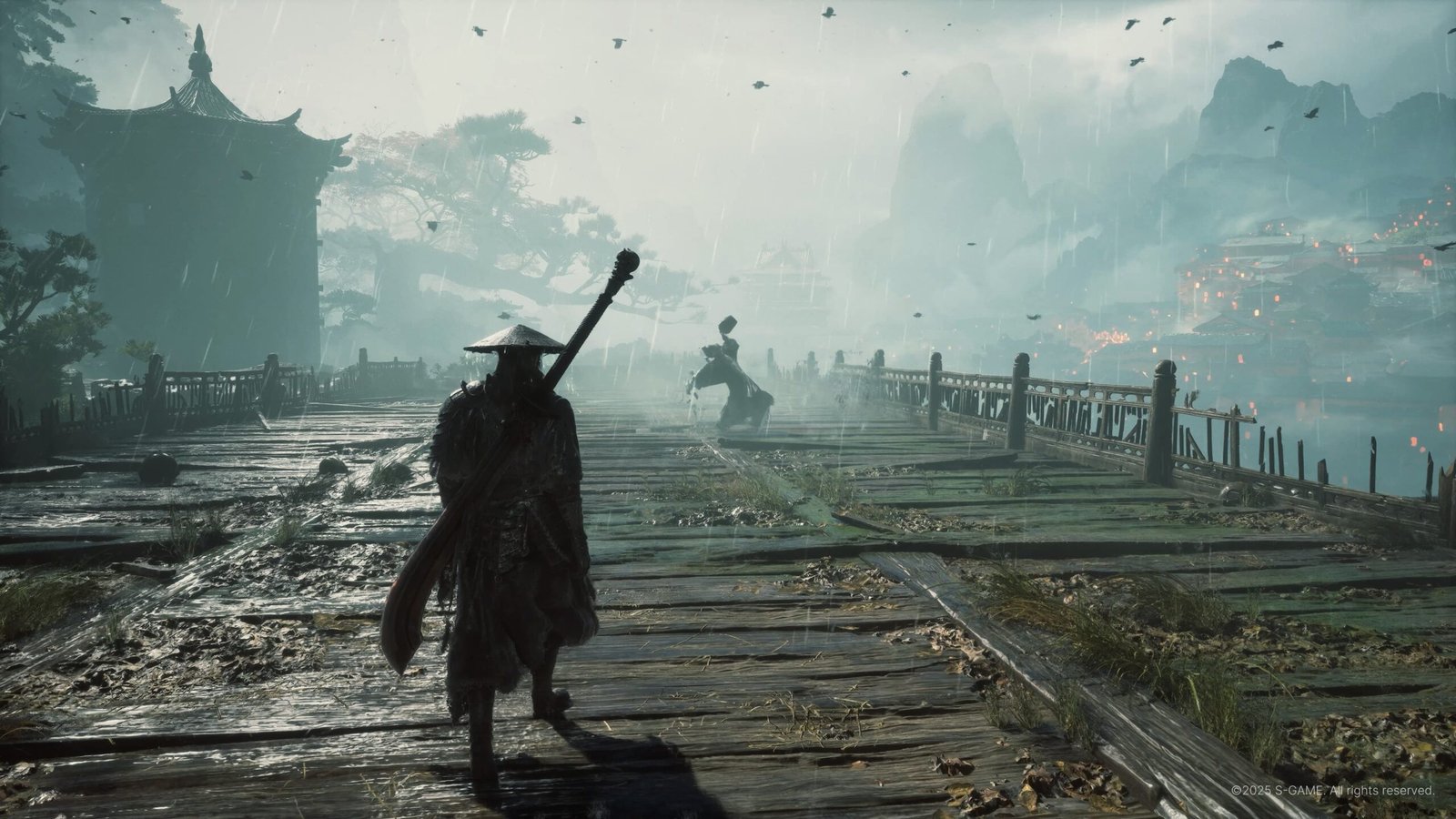
Phantom Blade Zero, an upcoming action RPG that has captivated audiences with its stunning visuals and fluid combat showcased at major events, now finds itself at the heart of this very discussion. Developed by S-Game, this ambitious project promises a dark, intricate world filled with martial arts prowess and an evocative steampunk aesthetic. Its high-octane gameplay trailers have set a new benchmark for expectation, making every piece of news surrounding its release eagerly scrutinized by a global fanbase. The recent confirmation regarding its physical availability for PlayStation 5 is more than just a logistical update; it’s a statement that reverberates through the entire industry, offering a glimmer of hope for the future of tangible collections amidst a prevailing digital tide. However, the details surrounding this physical release introduce a fascinating, if somewhat perplexing, twist, inviting a deeper look into the realities and aspirations of modern game distribution.
Phantom Blade Zero Joins the Physical Games Battle on PS5
The eagerly awaited action-RPG, Phantom Blade Zero, has officially confirmed its intention to release a physical edition for the PlayStation 5, bringing a moment of relief and excitement to collectors who champion tangible game ownership. This announcement, while celebrated, is not without its complexities, painting a nuanced picture of modern game launches. The confirmation solidifies S-Game’s commitment to providing players with multiple ways to experience their ambitious title, even as the industry navigates an increasingly digital-first landscape. For many, a physical copy represents more than just a game; it’s a piece of art, a collectible item that can be proudly displayed and preserved for years to come.
Phantom Blade Zero is set to offer a physical edition for PlayStation 5, a welcome confirmation for collectors. However, this tangible release will not coincide with the digital launch on October 29. Players can access the game via PlayStation Store and Steam first, while the PS5 physical discs are vaguely projected to arrive in 2027, creating a notable delay for those preferring physical copies and highlighting the changing landscape for new games.
However, the enthusiasm is tempered by a crucial detail: the physical edition will not be available concurrently with the game’s initial digital launch. Scheduled for October 29, Phantom Blade Zero will first arrive on digital storefronts, specifically the PlayStation Store and Steam, catering to players eager for immediate access. The physical release, according to the official launch trailer, is vaguely slated for “2027,” leaving a significant gap between the digital debut and the tangible arrival. This staggered approach raises questions about consumer choice, market strategy, and the evolving relationship between developers, publishers, and their dedicated fan bases, particularly those who prioritize physical copies of their favorite games.
The Shifting Sands of Physical Media in Modern Gaming
The confirmation of a delayed physical release for Phantom Blade Zero highlights a broader, ongoing transformation within the video games industry concerning media distribution. For years, the trend has been a clear pivot towards digital downloads, driven by convenience, reduced manufacturing costs, and streamlined distribution. Major console manufacturers like Sony have actively participated in this shift, exemplified by the existence of a PlayStation 5 Digital Edition that entirely foregoes a disc drive. This digital-first strategy offers clear economic advantages for publishers, eliminating logistical complexities associated with production, shipping, and retail inventory.
The industry is largely moving towards digital games, evidenced by consoles like the PS5 Digital Edition, offering cost and logistical benefits to publishers. However, a strong community of enthusiasts still values physical media for ownership, preservation, and collection. Phantom Blade Zero’s commitment to a future physical release, despite a significant delay, acknowledges this enduring appeal and the ongoing debate within the games market.
Despite the prevailing digital current, a significant and vocal segment of the gaming community staunchly advocates for physical media. These enthusiasts cherish the act of owning a tangible product, fearing a future where digital storefronts or server shutdowns could render their purchased games inaccessible. The physical disc provides a sense of permanence, a personal library that exists independently of online platforms. Furthermore, the aesthetic appeal of a game case, often adorned with compelling artwork, contributes to the overall collector’s experience, turning a gaming library into a curated display. Phantom Blade Zero’s decision to eventually offer a physical version, even if delayed, acknowledges the importance of this dedicated fanbase, albeit on a timeline that tests their patience.
The Enduring Appeal for Collectors and Enthusiasts
For a particular demographic of games aficionados, physical media transcends mere functionality; it embodies a cultural artifact. Collectors are driven by a desire for completeness, the joy of displaying a curated library, and the intrinsic value of possessing something tangible. Beyond sentimentality, physical copies offer a level of digital independence, theoretically allowing access to a game even if it is delisted from online stores or if internet connectivity is an issue. This tangible connection to the art form fosters a deeper sense of ownership and preservation, contrasting sharply with the ephemeral nature of purely digital licenses.
Navigating the Phantom Blade Zero Release: Digital First, Physical Later
The dual-pronged release strategy for Phantom Blade Zero — an immediate digital launch followed by a much later physical edition in 2027 — presents an interesting dilemma for players. For those eager to jump into the action the moment it becomes available, the digital version offers unparalleled convenience. Pre-loading capabilities ensure that the game is ready to play at precisely the launch hour, circumventing any potential delays associated with shipping or store availability. This instant gratification aligns perfectly with the modern consumer’s expectation of on-demand entertainment, particularly for highly anticipated games.
Phantom Blade Zero’s digital launch on October 29 offers immediate play, ideal for instant gratification. However, its PS5 physical edition is delayed until 2027, creating a dilemma for fans. This strategy allows players to either enjoy the game digitally now or patiently await a physical copy, reflecting a complex balance between consumer demand for quick access and the desire for tangible games collections.
Conversely, players committed to physical media face a choice: either forgo the day-one experience and wait potentially years for a disc, or purchase the digital version and possibly double-dip later. The rationale behind such a staggered release could be manifold. It might stem from production capacities, distribution agreements, or perhaps a strategic move to maximize initial digital sales while appeasing the physical market later. Regardless of the underlying reasons, this approach forces consumers to weigh the immediate desire to play against their preference for a physical copy, creating a unique decision point for one of the year’s most talked-about games.
Advantages of Going Digital at Launch
Opting for the digital version of Phantom Blade Zero at launch offers several compelling benefits. Primary among these is immediate accessibility; players can purchase and download the game from the comfort of their homes, often pre-loading it to play the moment it unlocks. This eliminates trips to physical stores, concerns about stock shortages, or waiting for deliveries. Furthermore, digital games do not occupy physical space on shelves, contributing to a decluttered living area, and are generally less prone to damage, such as scratches or lost discs, ensuring continuous play without physical media failures.
The Patience of the Physical Purist: A Different Reward
For those who choose to wait for the physical release of Phantom Blade Zero, the reward often lies in the intangible value of ownership and collecting. A physical copy provides a tangible item that can be loaned, resold, or displayed, fostering a different kind of connection to the games. Moreover, collectors often appreciate the box art, potential inclusions like manuals or art books, and the sheer satisfaction of adding a coveted title to their physical library. This approach, while requiring patience, appeals to a segment of the market that prioritizes long-term value and the traditional experience of game ownership.
Future Trends and What This Means for PS5 Games
The Phantom Blade Zero announcement serves as a microcosm for the broader trends shaping the future of games on platforms like the PlayStation 5. While the shift to digital is undeniable and continues to gain momentum, the commitment to a physical release, even a delayed one, suggests that the market for tangible games is far from extinct. Instead, we may be witnessing an evolution where physical editions become more specialized, catering specifically to collectors and enthusiasts, potentially featuring premium packaging, exclusive content, or limited runs that enhance their collectible value. This hybrid approach could become a common strategy for major titles, balancing mass digital distribution with niche physical offerings.
Phantom Blade Zero’s delayed physical release suggests a hybrid future for PS5 games: digital-first for broad access, followed by specialized physical editions for collectors. This strategy balances efficient digital distribution with the enduring demand for tangible ownership, potentially making physical copies more premium or niche. It reflects the industry’s evolving approach to cater to diverse consumer preferences and optimize distribution models for new games.
This model allows developers and publishers to tap into the benefits of both worlds: the efficiency and wide reach of digital distribution for initial sales, and the lucrative, high-margin appeal of collector-focused physical editions further down the line. It also highlights the increasing importance of flexibility in release strategies, adapting to diverse consumer preferences rather than enforcing a singular mode of acquisition. As technology progresses and digital libraries become more robust, the discussion around ownership, preservation, and accessibility will only intensify, making every decision by a major games developer a crucial data point for the industry’s trajectory.
The Digital-First Imperative
For publishers and developers, a digital-first strategy offers undeniable operational and economic advantages. It minimizes logistical challenges associated with manufacturing, warehousing, and shipping, significantly reducing upfront costs and environmental impact. Digital storefronts also allow for quicker deployment of patches and updates, continuous monetization through DLC, and direct engagement with the player base. This streamlined approach maximizes reach and efficiency, making it the preferred initial launch method for most new games in the modern era.
The Resilient Niche of Tangible Ownership
Despite the digital dominance, the physical market for games continues to demonstrate resilience, particularly for certain genres and established franchises. This niche is often driven by dedicated communities who value rarity, artistic packaging, and the ability to own a game outright without relying on digital licenses. Publishers who continue to offer physical editions, even if in limited quantities or at a later date, acknowledge this loyalty. It suggests a future where physical copies might evolve into premium items, catering to a connoisseur market that values the enduring appeal of collectible games.
Understanding the Landscape for Future Games and Collector Editions
The Phantom Blade Zero announcement is a microcosm of a larger strategic pivot within the games industry, moving beyond a simple digital-or-physical dichotomy to embrace more complex, staggered release models. This approach, while potentially frustrating for some early adopters of physical media, fundamentally redefines what it means to launch a game in the 21st century. It underscores a growing understanding among developers and publishers that different segments of the player base have distinct preferences, and a one-size-fits-all approach may no longer be optimal for maximizing reach and satisfaction across the entire games market.
Phantom Blade Zero’s staggered release reflects the evolving games market, moving beyond a simple digital/physical choice to complex models. This strategy aims to satisfy diverse player preferences, with physical editions potentially becoming prized collector’s items. It offers a key insight into future games distribution, balancing digital convenience with the enduring appeal of tangible ownership.
As we look towards the horizon, it’s clear that the conversation around physical games will continue to evolve. This development, far from signaling the immediate demise of discs, instead points to a future where physical editions might hold an even greater cachet, becoming prized collector’s items rather than the primary mode of acquisition. For players and industry observers alike, Phantom Blade Zero’s journey from digital debut to a patiently awaited physical release offers valuable insights into the delicate balance between technological convenience, economic realities, and the timeless desire for tangible ownership within the vibrant world of games.
Frequently Asked Questions About Phantom Blade Zero and Physical Media
- When is Phantom Blade Zero officially launching?
Phantom Blade Zero is scheduled for its digital launch on October 29. This date marks the first opportunity for players to experience the highly anticipated action-RPG through digital storefronts such as the PlayStation Store and Steam. The immediate digital release caters to the modern gaming audience’s desire for instant access, allowing players to pre-load the game and begin playing at the moment it becomes available, avoiding any delays associated with physical distribution channels.
- Will Phantom Blade Zero have a physical edition for PS5 at launch?
No, Phantom Blade Zero will not have a physical edition for PS5 available at its digital launch on October 29. While a physical version for PS5 has been confirmed, it is scheduled for a significantly later release. This means that players who prefer physical copies will need to wait beyond the initial digital release to acquire the game in disc format, necessitating a choice between immediate digital access and delayed tangible ownership.
- Why is the physical release delayed until 2027?
The exact reasons for Phantom Blade Zero’s physical release being vaguely slated for “2027” are not explicitly detailed by the developers. However, such a significant delay could be attributed to various factors, including strategic planning for manufacturing and distribution, securing retail partnerships, assessing initial digital sales to gauge demand for physical copies, or even potential resource allocation towards post-launch content or other projects. It suggests a calculated decision to prioritize the digital launch while reserving a physical option for a later, perhaps more opportune, market window for physical games.
- What are the benefits of buying digital games?
Purchasing digital games offers numerous advantages, primarily convenience and immediacy. Players can buy and download titles from home, often pre-loading them to play right at launch without waiting for shipping or store visits. Digital copies don’t take up physical space, eliminating clutter and the risk of disc damage or loss. Updates are seamless, and a digital library is easily accessible across compatible devices, enhancing the overall user experience.
- What are the benefits of buying physical games?
Physical games provide a unique set of benefits, appealing strongly to collectors and those valuing tangible ownership. A physical disc represents a permanent asset that can be displayed, loaned, or resold, offering a sense of control over one’s library. They often come with appealing box art and sometimes additional collector’s items. Furthermore, physical copies can offer a degree of independence from digital storefronts, which might delist games or cease operations, ensuring continued access.
- Does this signal the end of physical games on PlayStation?
While the trend towards digital games is evident, Phantom Blade Zero’s confirmation of a physical edition, even a delayed one, suggests that it does not signal the immediate end of physical games on PlayStation. Instead, it indicates an evolving market where physical copies might become more niche, premium, or collector-focused. Publishers are likely exploring hybrid models that balance digital efficiency with the enduring demand from a dedicated segment of the gaming community for tangible products.
- Who is developing Phantom Blade Zero?
Phantom Blade Zero is being developed by S-Game, an ambitious studio that has garnered significant attention for the game’s visually striking presentation and fluid, high-octane combat mechanics. Their work on Phantom Blade Zero has been a highlight at various industry events, showcasing a commitment to delivering a unique action RPG experience with a distinct aesthetic and deep martial arts influence.
- What kind of game is Phantom Blade Zero?
Phantom Blade Zero is an action RPG (Role-Playing Game) known for its fast-paced, stylish combat and a dark, intricate world design. It combines elements of martial arts with a unique steampunk aesthetic, creating a visually impressive and engaging experience. The game emphasizes fluid movement, precise parrying, and powerful attacks against formidable foes, promising a challenging and rewarding gameplay loop for fans of the genre.












Post Comment