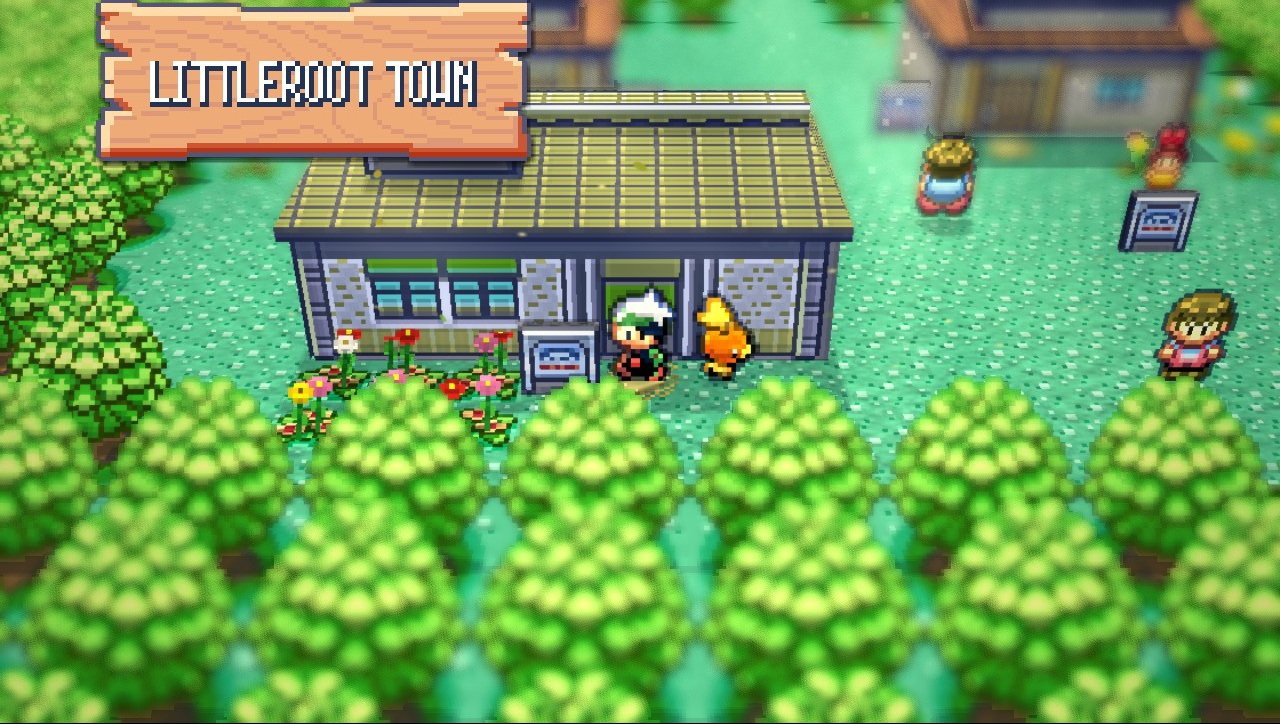
Pokémon Emerald HD-2D Remaster: A Fan’s Vision for Classic Games
A paixão por games clássicos nunca se apaga. Em um cenário onde nostalgia e inovação se encontram, o projeto de fãs Bravely Emerald surge como um farol para os entusiastas de Pokémon, prometendo uma revitalização visual impressionante para um dos títulos mais icônicos da franquia. Lançado originalmente em 2004 para o Game Boy Advance no Japão, Pokémon Emerald consolidou seu status de favorito com uma narrativa aprimorada em relação aos seus predecessores, Ruby e Sapphire, e um conteúdo pós-jogo robusto que manteve milhões de jogadores cativados por horas a fio. Sua estética pixel-art, embora charmosa e atemporal, agora ganha uma nova roupagem através de um esforço comunitário que busca elevar a experiência a um patamar moderno sem perder a essência original.
Este empreendimento não é apenas uma homenagem; é uma reinterpretação artística que reflete o crescente desejo por remasters e a habilidade da comunidade em dar nova vida a joias do passado. Ao adotar o estilo visual HD-2D, popularizado por títulos aclamados como Octopath Traveler e Triangle Strategy da Square Enix, Bravely Emerald injeta uma profundidade e um detalhe gráficos que transformam o familiar mundo de Hoenn. O projeto ilustra como a criatividade dos fãs pode preencher lacunas, explorando possibilidades que, por vezes, as próprias desenvolvedoras oficiais não abordam. É uma janela para o potencial ilimitado dos games, onde a comunidade, munida de ferramentas e paixão, molda o futuro de suas sagas favoritas, oferecendo aos jogadores uma chance de revisitar memórias queridas sob uma nova e deslumbrante luz.
A relevância de projetos como Bravely Emerald transcende a mera atualização gráfica. Eles representam a força cultural dos games e o comprometimento dos fãs em preservar e reimaginar o legado. Ao nos aprofundarmos neste projeto, exploramos não apenas os detalhes técnicos e visuais da remasterização, mas também o contexto mais amplo dos remasters feitos por fãs, sua legalidade, seus desafios e o impacto duradouro que exercem na paisagem dos games, solidificando o lugar de clássicos como Pokémon Emerald no coração de novas e antigas gerações de jogadores.
The Evolution of Classic Pokémon Games: Bravely Emerald’s HD-2D Remaster
Bravely Emerald is a fan-made project that masterfully reimagines Pokémon Emerald, a beloved installment in the Pokémon franchise, by integrating a modern HD-2D graphical style. This ambitious endeavor breathes new life into the classic Game Boy Advance experience, offering fans a visually refreshed journey through the Hoenn region without altering the core gameplay.
Pokémon Emerald, originally launched in Japan in 2004, quickly became a cornerstone title for many fans. It stood out from its predecessors, Ruby and Sapphire, by offering a more comprehensive story that unified elements from both versions, alongside an expanded post-game experience featuring the Battle Frontier. This rich content ensured its longevity and solidified its status as a fan favorite, making it a prime candidate for a visual overhaul.
The HD-2D graphical approach, renowned for its distinctive blend of high-definition 2D pixel art characters against immersive 3D environments, creates a unique diorama-like effect. This style, first popularized by Square Enix in critically acclaimed RPGs, provides a fresh perspective that respects the original pixel art while introducing modern graphical depth and lighting. For Bravely Emerald, this means retaining the charm of the original sprites but presenting them within a more dynamic and detailed world.
The project achieves this transformation through decompilation, a sophisticated process that allows modders to reverse-engineer the original game’s code. This technique enables the development of extensive modifications, such as the complete graphical overhaul seen in Bravely Emerald, without directly altering the original ROM file. This method not only facilitates complex changes but also often helps in navigating legal grey areas by ensuring that no copyrighted assets are distributed directly with the fan project itself.
A Visual Transformation: HD-2D Aesthetics in Action
The visual enhancements in Bravely Emerald are the cornerstone of its appeal. Players can expect to see significantly more defined sprites, which retain their classic character designs but with increased clarity and detail. This upgrade ensures that each Pokémon and NPC pops on screen, making the familiar world of Hoenn feel vibrant and new.
Beyond the character models, the battles receive a substantial aesthetic boost. Instead of static backgrounds, battles now feature dynamic, blurred 3D environments that add a sense of depth and immersion to each encounter. This subtle yet impactful change elevates the combat experience, making every move feel more cinematic and engaging. Furthermore, new graphical effects are integrated, enhancing everything from move animations to environmental interactions, all while maintaining the essence of the original game’s visual language.
Understanding that not all hardware is created equal, the developers of Bravely Emerald have implemented thoughtful optimization features. Users can customize or disable individual graphical effects, allowing for a tailored experience that runs smoothly on a wider range of PCs. This flexibility ensures that the beauty of the HD-2D remaster is accessible to as many players as possible, regardless of their system specifications, demonstrating a commitment to user experience often found in official game releases.
Accessibility and Legality: Navigating Fan-Made Game Projects
Accessing the Bravely Emerald project is designed to be straightforward, yet it involves a crucial distinction concerning intellectual property. The project is freely available for download through its GitHub repository, a common platform for open-source and fan-made software. This ensures broad accessibility for anyone interested in experiencing the remastered games.
However, it is vital to understand that the download package for Bravely Emerald does not include any copyrighted game files. This is a deliberate design choice, allowing the project to operate within a legal framework that respects Nintendo’s intellectual property. Consequently, players are required to provide their own legitimate ROM (Read-Only Memory) of Pokémon Emerald for the project to function. This approach places the responsibility of obtaining the original game data squarely on the user, mitigating direct copyright infringement claims against the fan developers.
The landscape of fan-made game projects often exists in a legal grey area, balancing creative expression with copyright laws. While official entities like Nintendo generally do not endorse or support these projects, many continue to thrive due to the passion of their communities. Projects like Bravely Emerald, by requiring users to supply their own copyrighted material, demonstrate a common best practice among fan creators to avoid direct distribution of protected assets, thereby minimizing legal risks while still offering a transformative experience for existing owners of the original games.
The Landscape of Fan-Made Game Remasters and Their Impact
Fan-made remasters, much like Bravely Emerald, hold a significant place within the gaming ecosystem. They offer several benefits, primarily by giving beloved classics a new lease on life. For players, this means revisiting cherished worlds and stories with updated visuals or gameplay mechanics that can enhance the original experience, often for free. These projects also serve as a testament to the enduring appeal of certain titles and the creative talent within the gaming community, fostering a deeper engagement with the source material.
Despite their appeal, fan projects come with inherent limitations and potential risks. Legality remains a primary concern; while some projects manage to navigate copyright issues by not distributing proprietary assets, they can still face cease-and-desist orders from rights holders. Additionally, fan projects are often developed by volunteers in their spare time, which can lead to extended development cycles, unfinished products, or projects being abandoned altogether. This lack of official support also means quality assurance might be less rigorous, potentially leading to bugs or performance issues not typically found in commercial releases.
A common misconception is that fan remasters are official products or will eventually become official. This is rarely the case, as copyright holders generally do not integrate fan work into their commercial offerings without significant legal and financial agreements. Engaging with fan projects requires users to be aware of these dynamics. Best practices include sourcing projects from reputable communities, understanding the legal implications of obtaining original game ROMs, and appreciating the volunteer effort behind these creations while managing expectations regarding their scope and longevity. Such engagement helps support the positive aspects of fan creativity while minimizing potential pitfalls.
The Future of Classic Games: Trends in Remasters and Community Innovation
The trend of remasters and remakes in the games industry shows no signs of slowing down, driven by both official studios looking to capitalize on nostalgia and fan communities eager to preserve and enhance their favorite titles. Official remasters often bring significant commercial success, introducing classics to new generations with full modern overhauls. This creates a fertile ground for comparison with fan-made efforts, which, while limited by resources, often excel in capturing the nuanced spirit of the original due to an intimate understanding born of deep fandom.
Community innovation, exemplified by projects like Bravely Emerald, plays a crucial role in pushing the boundaries of what’s possible for older games. These projects frequently experiment with graphical styles, introduce quality-of-life improvements, or even restore cut content, demonstrating potential pathways for official releases. They highlight the enduring appeal of specific franchises and actively contribute to game preservation by keeping older titles relevant and accessible, often through creative interpretations that resonate deeply with dedicated fanbases.
Looking ahead, the interplay between official remasters and fan initiatives is likely to evolve. As development tools become more accessible, and as gaming engines advance, the fidelity and ambition of fan projects will undoubtedly increase. This could lead to more sophisticated fan interpretations, further challenging official developers to meet the high expectations set by their most passionate players. Ultimately, the vibrant activity in both spheres benefits players, offering a continuous stream of revitalized classics and fresh takes on beloved experiences, ensuring that the legacy of iconic games endures for decades to come.
FAQ: Unraveling the Details of the Pokémon Emerald HD-2D Remaster
What is Bravely Emerald and how does it differ from the original Pokémon Emerald?
Bravely Emerald is a fan-made, unofficial remaster of the classic Game Boy Advance game Pokémon Emerald. Its primary difference lies in its graphics, which are updated to an HD-2D style. This means it features high-definition 2D pixel art characters set against 3D environments, creating a unique diorama-like visual effect similar to Square Enix titles like Octopath Traveler. While the visuals are modernized, the core gameplay, story, and content remain faithful to the original, offering a nostalgic experience with a contemporary aesthetic twist.
Is Bravely Emerald an official Nintendo or Game Freak product?
No, Bravely Emerald is strictly a fan-made project and is not officially endorsed, developed, or supported by Nintendo, Game Freak, or The Pokémon Company. It is a labor of love by community members who wished to see their favorite classic game reimagined with modern graphical techniques. As such, it exists outside the official commercial ecosystem of Pokémon games.
How can I play Bravely Emerald, and what do I need to get started?
Bravely Emerald can be downloaded for free from its repository on GitHub, a platform commonly used for open-source projects. To play it, you will need to provide your own ROM (Read-Only Memory) file of the original Pokémon Emerald game. The project itself does not include any copyrighted game files, ensuring it respects intellectual property rights. You will then typically load your ROM into the Bravely Emerald application to experience the remastered version.
What kind of graphical improvements does the HD-2D remaster offer?
The HD-2D remaster in Bravely Emerald offers several significant graphical enhancements. These include more defined and detailed pixel sprites for characters and Pokémon, replacing the coarser originals. Battle scenes now feature blurred 3D backgrounds, adding depth and dynamic flair to combat. Additionally, new graphical effects are integrated to enhance the overall visual fidelity, making the world of Hoenn feel more vibrant and immersive while staying true to its original artistic direction.
Are there any performance or customization options for Bravely Emerald?
Yes, the Bravely Emerald project includes thoughtful customization options to ensure a smooth experience across various PC configurations. Players have the flexibility to adjust or even completely disable certain graphical effects. This allows users to tailor the visual intensity to match their system’s capabilities, preventing slowdowns and ensuring that the game runs optimally, whether on high-end or more modest hardware.
What are the potential legal implications of playing or developing fan-made games like Bravely Emerald?
Fan-made games like Bravely Emerald generally operate in a legal grey area. While the project itself avoids distributing copyrighted assets by requiring users to provide their own ROM, the act of creating and distributing such modifications can still be viewed as infringing on intellectual property rights. Companies like Nintendo have historically taken action against fan projects. For players, using a legally obtained ROM is key. For developers, awareness of copyright laws and a commitment to not profiting from or directly distributing copyrighted content are crucial for mitigating legal risks.
The Enduring Legacy: Why Fan Creativity Continues to Shape Gaming Experiences
The unveiling of Bravely Emerald stands as a powerful testament to the enduring appeal of classic games and the boundless creativity inherent in their dedicated fanbases. It’s more than just a graphical update; it’s a re-affirmation of how deeply embedded certain titles become in our collective gaming consciousness. This project, meticulously crafted by fans, not only breathes new visual life into a cherished chapter of the Pokémon saga but also highlights a critical aspect of modern gaming culture: the active role players take in preserving, reinterpreting, and expanding the universes they love.
As we look to the horizon of the gaming world, the significance of community-driven endeavors like Bravely Emerald will only grow. They offer unique perspectives, experiment with innovative approaches, and often bridge the gap between retro charm and contemporary expectations in ways that official releases might not. For the fans, it’s an opportunity to relive treasured memories with a fresh coat of paint; for the industry, it’s a constant reminder of the profound impact a game can have, inspiring continuous innovation and an unwavering commitment to the art of play. The legacy of Pokémon Emerald, now burnished with an HD-2D gleam, is a vibrant example of how passion ensures that classic games never truly fade away.










Post Comment