J-Pop Star Sho Hirano: From Stage to Certified Otaku, Praising Naruto & Boruto
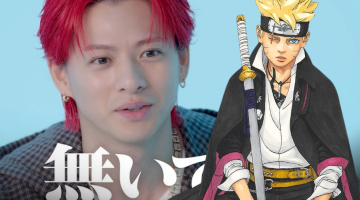
In an era where pop culture transcends borders and fandoms converge in unexpected ways, a recent revelation from the heart of Japan’s music scene has captivated audiences worldwide. Sho Hirano, a prominent J-Pop idol and member of the celebrated trio Number_i (formerly of King & Prince), has openly declared his profound affection for the iconic ‘Naruto’ and ‘Boruto’ manga and anime franchises. This isn’t merely a casual endorsement; Hirano’s passionate discourse in a special YouTube interview has solidified his status as a genuine Otaku, resonating deeply with fans and critics alike. His unreserved enthusiasm offers a compelling glimpse into the universal appeal of these ninja sagas and the evolving landscape of celebrity engagement with beloved fictional universes.
The interview, part of a commemorative campaign celebrating ‘Boruto’s’ 10th anniversary, quickly became a focal point for discussion. Titled “Why Sho Hirano Reads Boruto,” the video features the multi-talented singer and actor articulating, with remarkable sincerity, the elements of the stories that have profoundly moved him. His insights go beyond surface-level appreciation, touching upon the core themes, character arcs, and narrative intricacies that define the ‘Naruto’ universe. For many, Hirano’s candidness serves as a powerful testament to the emotional depth and lasting impact of these tales, demonstrating how they continue to inspire and connect with individuals across diverse backgrounds, from dedicated anime enthusiasts to mainstream pop stars.
This event underscores a fascinating cultural dynamic: the convergence of traditionally distinct fan communities. Hirano, a figure with immense popularity in mainstream Japanese entertainment, now acts as a bridge, introducing the rich narratives of ‘Naruto’ and ‘Boruto’ to an audience that might otherwise remain unaware of their depth and significance. His celebrity amplifies the reach of these stories, inviting new readers and viewers into a world of ninjas, camaraderie, and perseverance. It highlights how personal passions, when shared authentically, can create new pathways for cultural exchange and appreciation, broadening the appeal of specific genres and fostering a more inclusive fan environment.
The impact of a high-profile figure like Sho Hirano openly embracing his ‘otaku’ side extends beyond mere entertainment news. It legitimizes and celebrates a subculture that has, at times, faced niche perceptions. His articulation of complex character motivations and plot points showcases a genuine understanding that can only come from deep immersion. This level of engagement provides a fresh perspective on what it means to be a fan, proving that passion for a story can transcend professional boundaries and societal expectations, ultimately enriching both the fan community and the broader cultural discourse surrounding these beloved works.
The Authenticity of an Otaku: Sho Hirano’s Deep Dive into ‘Naruto’ and ‘Boruto’
Sho Hirano’s recent interview transcended typical celebrity endorsements, revealing a truly dedicated Otaku with an impressive grasp of the ‘Naruto’ and ‘Boruto’ universe. His detailed commentary and profound emotional connection to the narratives demonstrated a level of engagement that resonated deeply with long-time fans.
In the special YouTube video, Hirano articulated precisely what makes these stories so compelling for him. He spoke with visible excitement about the themes of perseverance, the power of belief, and the ninja way of life, identifying closely with the struggles and triumphs of the characters. His commentary wasn’t just descriptive; it was interpretive, showcasing an understanding of the underlying philosophical messages within the series.
One notable detail that captivated fans was Hirano’s respectful reference to Jiraiya as “Jiraiya-sensei,” a clear indicator of his genuine reverence for Naruto’s mentor figure. This small but significant gesture highlighted his deep immersion in the world, recognizing the traditional Japanese honorifics embedded within the narrative. Such nuanced observations distinguish a true fan from a casual observer, solidifying his credibility among the most discerning enthusiasts.
Furthermore, Hirano’s accurate differentiation between “Kyuubi” and “Kurama” based on context within the story particularly impressed the fan base. This distinction, understood by those who have delved into the lore multiple times, served as undeniable proof of his thorough reading and re-reading of the manga. It illustrated his meticulous attention to detail and a commitment to understanding the evolving narrative, confirming his status as a knowledgeable and passionate fan rather than just someone familiar with the popular aspects of the franchise.
What makes Sho Hirano’s ‘otaku’ passion so impactful?
Sho Hirano’s profound enthusiasm for ‘Naruto’ and ‘Boruto’ is impactful because it comes from a high-profile J-Pop idol, exposing these franchises to new, mainstream audiences and validating ‘otaku’ culture within popular entertainment. His detailed knowledge and emotional connection resonate authentically, sparking curiosity and driving engagement with the series among his vast following.
Connecting Generations: How Hirano’s Fandom Bridges Pop Culture and Manga
The influence of a personality like Sho Hirano extends far beyond the confines of musical charts and acting roles. By openly expressing his deep love for ‘Naruto’ and ‘Boruto’, he effectively creates a powerful bridge between mainstream Japanese pop culture and the often more niche world of manga and anime. This convergence has significant implications for both industries, fostering new avenues for audience engagement and cultural appreciation.
Hirano’s immense popularity means his endorsements carry substantial weight. For many of his followers, particularly those primarily immersed in pop music and drama, his passion for ‘Naruto’ and ‘Boruto’ might serve as their very first introduction to these extensive fictional universes. This organic exposure contrasts sharply with traditional marketing efforts, offering a more personal and relatable gateway into the world of shonen manga and its intricate storytelling.
The campaign, which featured other notable figures like Shuji Okuda of Gakutensoku and Akari Nibu, formerly of Hinatazaka46, strategically leverages the reach of diverse celebrities. However, Hirano’s particular fervor and detailed insights appear to have struck a unique chord, inspiring genuine curiosity. His ability to articulate the emotional core of the series encourages potential new readers to look beyond initial perceptions of ‘Boruto’ and discover its narrative depth.
This cross-cultural pollination benefits the ‘Naruto’ and ‘Boruto’ franchises by expanding their reader base and reinforcing their relevance in contemporary popular culture. For Hirano’s fans, it offers an opportunity to explore new forms of entertainment and deepen their understanding of cultural phenomena that influence their idol. It ultimately fosters a more integrated and dynamic fan landscape where different forms of media can mutually enrich each other, promoting a broader appreciation for Japanese creative works.
The Broader Impact of Celebrity Fandom on Media Consumption
Celebrity fandom, particularly when openly shared, significantly shapes media consumption by acting as a powerful endorsement that can introduce niche content to broader audiences. It personalizes a cultural trend, making it relatable and accessible, thereby driving new interest, sales, and community engagement for the endorsed media.
The Enduring Appeal of the ‘Naruto’ Universe and its Legacy
The ‘Naruto’ universe, masterfully created by Masashi Kishimoto, has solidified its place as a global cultural phenomenon, and its continued relevance is clearly amplified by figures like Sho Hirano. The original ‘Naruto’ saga captivated millions with its tales of perseverance, friendship, and the pursuit of dreams, all set against a backdrop of compelling ninja lore and intricate world-building. This strong foundation provided fertile ground for its successor, ‘Boruto’.
‘Boruto: Naruto Next Generations’, overseen by Kishimoto with art by Mikio Ikemoto, continues this legacy by focusing on the children of the original cast, particularly Naruto’s son, Boruto Uzumaki. It explores themes of new generations grappling with the shadows and expectations of their legendary parents, while forging their own paths in a modernizing ninja world. This transition allows the franchise to evolve, addressing contemporary challenges and introducing fresh perspectives while retaining the core values that made ‘Naruto’ so beloved.
The narratives of both ‘Naruto’ and ‘Boruto’ are rich with complex characters, each facing unique struggles and moral dilemmas. From the titular protagonists to supporting figures like Jiraiya-sensei, these characters embody relatable human experiences: striving for acceptance, overcoming personal shortcomings, and finding one’s purpose. This depth of character development is a key factor in the franchise’s enduring appeal, allowing readers and viewers to form strong emotional connections and invest deeply in their journeys.
Beyond individual characters, the ‘Naruto’ universe is celebrated for its compelling power system, intricate village politics, and the exploration of themes such as war, peace, destiny, and free will. These elements combine to create a deeply immersive experience that offers both exhilarating action and profound philosophical reflection. It’s this multi-layered approach to storytelling that sustains fan interest over decades and continues to draw in new enthusiasts, proving that great narratives transcend time and media platforms.
Community Reactions and the “Sho Hirano Effect”
The immediate and overwhelmingly positive response from the online community to Sho Hirano’s interview underscored a phenomenon now playfully dubbed the “Sho Hirano Effect.” Fans, both of Hirano and of the ‘Naruto’ franchise, expressed profound empathy, joy, and often, a sense of shared understanding. His candidness created an instant bond, dissolving the perceived distance between idol and admirer.
Online forums and social media platforms buzzed with discussions praising Hirano’s genuine respect for characters, particularly his use of “Jiraiya-sensei.” This small detail was interpreted by many as irrefutable evidence of his authentic engagement with the source material, solidifying his “Otaku credentials.” Comments poured in, with many fans stating they “only have good things to say” about him, highlighting a collective appreciation for his unpretentious enthusiasm.
The detailed knowledge displayed by Hirano, especially concerning the distinct uses of “Kyuubi” and “Kurama” based on narrative context, further cemented his reputation. This level of insight, often found among seasoned readers who have absorbed the lore multiple times, deeply impressed the community. It wasn’t just about knowing the names; it was about understanding the evolving relationship and significance within the story, something that resonated powerfully with dedicated fans.
Perhaps the most significant impact of the “Sho Hirano Effect” was the reported surge of interest in ‘Boruto.’ Several commentators confessed that, after witnessing Hirano’s impassioned defense and enthusiastic recommendations, they felt compelled to give the series a chance. This direct influence on media consumption demonstrates the immense power of celebrity and authentic endorsement, transforming personal passion into a catalyst for wider audience engagement and potentially drawing new readers into the ‘Naruto’ universe. Some even lightheartedly suggested he was a “real-life manga protagonist” due to his passionate discourse on belief and the ninja lifestyle, further fueling the positive sentiment.
The Future of Fandom: Embracing the Modern Otaku Identity
The phenomenon surrounding Sho Hirano and his open appreciation for ‘Naruto’ and ‘Boruto’ signals a significant shift in how “Otaku” identity is perceived and embraced in popular culture. Traditionally, the term carried connotations of niche interests, often associated with introversion or a singular, intense focus on a specific hobby. However, as global pop culture increasingly intertwines with anime and manga, figures like Hirano are instrumental in redefining and mainstreaming this identity, presenting it as a facet of a well-rounded and influential persona.
This evolving perception means that being an ‘otaku’ is no longer something to be hidden or considered outside the mainstream. Instead, it becomes a celebrated aspect of an individual’s personality, capable of connecting diverse audiences. When a celebrated J-Pop idol shares his deep passion for an anime, it normalizes and validates similar interests in countless fans, potentially reducing any lingering social stigma associated with enthusiastic engagement in niche media.
Looking forward, we can anticipate more celebrities openly sharing their ‘otaku’ interests. This trend not only humanizes these public figures but also creates new marketing opportunities for media franchises. Authentic celebrity endorsements, born from genuine passion rather than commercial obligation, hold far greater sway with audiences. They foster a sense of community and shared experience, inviting new demographics to explore different forms of entertainment.
Moreover, this shift contributes to a richer cultural dialogue, where various forms of media—music, acting, manga, and anime—are viewed not as separate silos but as interconnected elements of a vibrant global cultural tapestry. The future of fandom appears to be one of greater inclusivity and cross-pollination, where the lines between what is “mainstream” and what is “niche” become increasingly blurred, all thanks to the genuine enthusiasm of influential figures like Sho Hirano.
FAQ: Decoding Sho Hirano’s ‘Naruto’ & ‘Boruto’ Fandom
| Question | Answer |
|---|---|
| Who is Sho Hirano? | Sho Hirano is a prominent Japanese singer and actor, widely recognized as a member of the J-Pop trio Number_i, and formerly part of King & Prince. He is a highly influential figure in mainstream Japanese entertainment, known for his diverse talents and charismatic public presence. His recent viral interview showcased a lesser-known but deeply passionate side of him, connecting with fans on a new cultural level through shared interests. |
| What prompted Sho Hirano’s interview about ‘Naruto’ and ‘Boruto’? | Hirano’s interview was part of a special YouTube campaign celebrating the 10th anniversary of the ‘Boruto’ manga. Titled “Why Sho Hirano Reads Boruto,” it featured various public figures sharing their connection to the franchise. Hirano’s segment, however, garnered significant attention due to his detailed and heartfelt expression of love for both ‘Naruto’ and ‘Boruto’. |
| What specific details did Hirano mention that impressed fans? | Fans were particularly impressed by Hirano’s use of “Jiraiya-sensei” when referring to Naruto’s mentor, signifying deep respect and immersion in the lore. His ability to correctly differentiate between “Kyuubi” (the Nine-Tailed Fox’s moniker) and “Kurama” (its true name, used later in the series) based on contextual understanding also proved his extensive knowledge of the manga, indicating multiple readings. |
| How does Sho Hirano’s fandom impact the ‘Naruto’ and ‘Boruto’ franchises? | Hirano’s celebrity status significantly expands the reach of the ‘Naruto’ and ‘Boruto’ franchises. His public display of passion introduces these manga and anime to a broader, mainstream audience who might not typically engage with such content. This exposure can lead to increased readership, viewership, and overall cultural relevance, fostering new interest and appreciation for the series among his vast fanbase. |
| What does it mean for a J-Pop idol to be an ‘Otaku’? | For a J-Pop idol to openly identify as an ‘Otaku’ signifies a growing acceptance and mainstreaming of what was once considered a niche subculture. It demonstrates that deep passion for anime, manga, and related media can coexist with a high-profile public persona. This helps to destigmatize the term and encourages fans to embrace their own interests, fostering a more inclusive and diverse fan community. |
| Are there other celebrities who have expressed similar ‘Otaku’ interests? | Yes, the ‘Boruto’ 10th-anniversary campaign itself featured other notable personalities like Shuji Okuda from Gakutensoku and Akari Nibu, a former member of Hinatazaka46, who also shared their appreciation for the series. Beyond this campaign, many celebrities worldwide have openly discussed their love for anime and manga, contributing to the global integration of these cultural forms into mainstream entertainment. |
| Why is the ‘Naruto’ universe so enduringly popular? | The ‘Naruto’ universe maintains its popularity due to its compelling characters, intricate world-building, and universal themes such as perseverance, friendship, loyalty, and the pursuit of dreams. Its blend of thrilling action, emotional depth, and philosophical undertones resonates with diverse audiences across generations. The continued evolution through ‘Boruto’ also keeps the narrative fresh and relevant. |
| How does this event contribute to the evolving definition of fandom? | This event contributes to fandom’s evolution by blurring the lines between celebrity culture and specific media interests. It shows that fandom is increasingly inclusive, moving beyond traditional boundaries to embrace diverse forms of media and enthusiast identities. It champions authenticity, where personal passions of public figures can genuinely influence and inspire broader cultural engagement. |












Post Comment