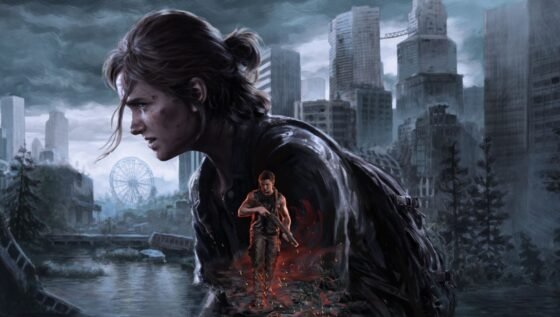
Sony Blocks The Last of Us 2 Multiplayer Mod: Key Points Explained
The Last of Us 2 Multiplayer Mod: Background on the Controversy
The gaming community was buzzing with excitement over a new multiplayer mod for The Last of Us 2, developed by modder Speclizer. This ambitious project, which had been in development since January 2026, aimed to fill a notable gap left by Naughty Dog, the game’s original creators, who never released a multiplayer mode for the title. Given the franchise’s legacy and the high production value of gameplay previews, anticipation for the mod was high, particularly as it was set to launch in September 2026.
Mod Development and Fan Expectations
Speclizer showcased around 25 minutes of gameplay, providing a sneak peek of what fans could expect. The enthusiasm for the mod stemmed from its potential to rekindle the multiplayer experience many players cherished in the original The Last of Us. The developer even monetized part of the project via Patreon, which highlights the level of interest and support for this initiative. However, this did not go unnoticed by Sony.
Sony’s Intervention: The Official Response
Recently, Speclizer disclosed that he received a formal notice from Sony Interactive Entertainment requesting that the multiplayer mod not be released. His disappointment was palpable as he shared the news on social media, expressing his sadness over the project’s untimely halt. The specifics of the request are shrouded in some ambiguity—why exactly did Sony decide to intervene? While the monetization aspect might have played a role, the company has various reasons for protecting its intellectual property, particularly with such a beloved franchise.
Impact of Sony’s Decision on the Gaming Community
Fan Reactions and Community Backlash
This action has generated mixed reactions among gamers. Many feel that the ban represents an unfortunate roadblock for creativity within the gaming community. Others share concerns regarding the precedent it sets for fan-made content and the monopolistic tendencies of large corporations like Sony that can stifle innovation and engagement within a passionate fanbase.
The Future of Multiplayer in The Last of Us Series
The history of multiplayer within The Last of Us series has been tumultuous. In December 2023, Naughty Dog officially canceled its much-anticipated The Last of Us multiplayer project, which only added fuel to the fire regarding community frustrations. With the cancellation of Factions, the official multiplayer mode that was initially intended, many players are left craving that collaborative gaming experience. Currently, The Last of Us 2 remains strictly a single-player experience, which poses questions about the franchise’s future direction.
Looking at the Bigger Picture: Benefits and Challenges
Benefits of Fan-Made Content
- Community Engagement: Mods can unite fans around shared interests.
- Innovative Ideas: Modding often leads to unique gameplay experiences that can reinvigorate older titles.
- Increased Lifespan: Mods can extend the relevance of games long after their initial release.
Challenges Faced by Modders
- Intellectual Property Issues: Developers like Sony have the right to protect their franchises.
- Funding and Resources: Independent modders often work with limited budgets.
- Community Expectations: The pressure to deliver can be daunting for individual creators.
Future Trends in Gaming and Fan Projects
The issue surrounding The Last of Us 2 multiplayer mod raises important questions regarding the role of fan-made content in modern gaming. As gaming becomes increasingly corporate, the expectation for developers to provide multiplayer experiences is becoming a industry standard. Communities around games demand social interaction features that are crucial for engagement.
Anticipating Future Developments
More and more developers are recognizing the value of community input in the gaming process. This can lead to official expansions and even collaborations with modders, suggesting a promising future where businesses listen to their player base. Whether Sony will adapt its position remains to be seen, but as player-driven projects grow, it becomes imperative for developers to find a balance between protecting their intellectual properties and fostering innovation.
Conclusion: Understanding the Larger Narrative of Games
As games continue to evolve, the intersection of corporate governance and creative expression will increasingly be scrutinized. The case of The Last of Us 2 multiplayer mod serves as a poignant reminder of the hurdles faced by passionate gamers eager to enhance their experiences. It challenges us to think critically about the roles of corporations and communities in gaming.
FAQ
What prompted Sony to block the mod?
Sony likely intervened to uphold its intellectual property rights, especially considering the mod’s monetization via Patreon, which may have contributed to their decision. Protecting brand integrity is crucial for large companies.
How did Speclizer respond to the block?
Speclizer expressed his disappointment on social media, stating he was extremely sad about the mod’s cancellation and that he would redirect his efforts into creating original content instead.
Will there be an official multiplayer mode for The Last of Us 2?
As of now, there are no indications from Naughty Dog that they will release an official multiplayer mode. The existing gameplay remains focused solely on the single-player experience.
What impact does this event have on the modding community?
This incident may deter modders due to fears over copyright issues, but it also raises awareness about the potential of fan-made projects and the need for developers to engage with their communities.
Why is The Last of Us 2 significant in gaming culture?
The Last of Us 2 is recognized for its compelling storytelling and gameplay innovations, leaving a lasting impact on narrative-driven games, which sets high expectations for future titles.
What are potential future trends in gaming?
Expectations for broader community engagement, responsive game development based on feedback, and the emergence of collaborative efforts between indie developers and fan creators.











Post Comment