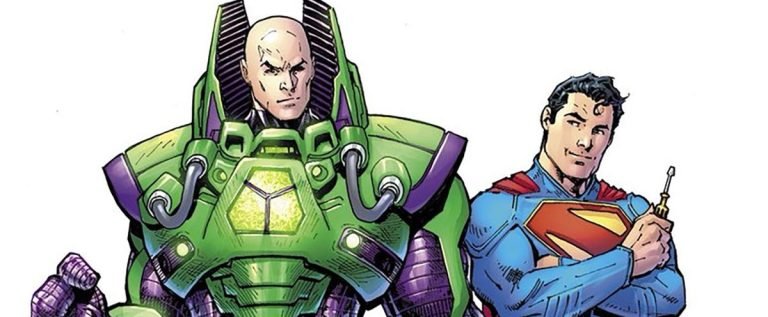
Why Superman Needs a Strong Secondary Villain
As superhero narratives evolve, the dynamics between heroes and villains have become increasingly complex. In the upcoming film Superman: Man of Tomorrow, directed by James Gunn, the iconic Superman will face off against the formidable Brainiac. Yet, the inclusion of a strong secondary villain is essential for enriching the narrative and providing depth to the overarching storyline. This article explores why a significant second antagonist, potentially featuring characters like Mongul or Despero, could elevate this movie while captivating the interest of nerd culture enthusiasts.
The Importance of a Secondary Villain in Superman’s Story
In superhero films, the primary antagonist often steals the spotlight. Brainiac, an extraterrestrial technology-absorbing foe, poses a serious threat to Superman and creates ample tension. However, introducing a secondary villain can diversify the conflict and enhance character development. This added dimension can push Superman into unexpected alliance scenarios, challenge his moral compass, and ultimately lead to a more engaging narrative.
Moreover, a well-crafted adversary like Mongul, who has a rich history in the DC Universe, provides additional narrative layers. This not only gives fans more Easter eggs to discover but also deepens the universe continuity, thus fostering a more invested fandom.
The Potential Candidates
- Mongul: Known for his power and control over Warworld, he brings both physical and psychological threats to the forefront.
- Despero: With formidable mental abilities, Despero offers unique challenges that could test Superman’s intellect and strategy.
- Caçador de Marte (Martian Manhunter): While not traditionally a villain, misinterpretations of his intentions could set up interesting plot twists.
Comparing Villains: Brainiac vs. Mongul
| Characteristic | Brainiac | Mongul |
|---|---|---|
| Origin | Advanced alien AI | Warworld ruler |
| Strengths | Technological manipulation | Physical prowess and tactical genius |
| Powers | Mind control, shrinking cities | Energy manipulation, enhanced combat |
| Weakness | Overconfidence in technology | Underestimation of emotions |
Benefits of a Secondary Villain
- Enhanced Story Complexity: A secondary villain introduces additional conflicts that can complicate the hero’s journey, making the plot richer.
- Character Development: The primary hero often grows through interactions with multiple foes, providing opportunities for depth and emotional resonance.
- Set-up for Sequels: Early introductions of secondary villains can create pathways for future story arcs, giving fans something to anticipate.
Limitations and Challenges
One potential limitation of incorporating a secondary villain is the risk of overshadowing the main antagonist. If not handled carefully, it could dilute the focus on Brainiac. Additionally, balancing screen time between multiple villains requires careful scripting to maintain coherence and pacing.
Common Mistakes in Villain Development
- Overcomplicating the Narrative: Introducing too many villains can confuse audiences and weaken the story’s overall impact.
- Lack of Motivation: Villains need clear motivations and backstories to resonate with the audience.
- Failing to Connect: Audiences must see how the hero’s journey ties in with the villains; otherwise, their inclusion feels forced.
Best Practices for Introducing Villains
- Develop Backstories: Each villain should have a backstory that explains their motivations, enhancing the narrative’s depth.
- Clear Objectives: Ensure each villain has specific goals that influence the protagonist’s actions.
- Unique Abilities: Differentiate each villain’s powers and strengths to maintain interest and challenge the hero in varied ways.
Future Trends in Superhero Villainy
As the superhero genre evolves, the trend appears to be heading toward more complex villain arcs. Viewers are increasingly seeking multifaceted characters with relatable motivations. The need for secondary villains may continue to rise, as they can bridge narrative gaps and pave the way for sequels and thematic depth.
Why Superman Needs a Strong Secondary Villain
The forthcoming film Superman: Man of Tomorrow should emphasize the significance of a well-crafted secondary villain. As the cinematic universe of the DC expands, it provides unique opportunities for storytelling that can engage both casual viewers and dedicated nerd culture fans alike. By carefully developing these characters, creators can enhance emotions, themes, and overall enjoyment, solidifying Superman’s legacy in modern cinema.
FAQ
- Who is the main villain in Superman: Man of Tomorrow?
Brainiac is the primary antagonist, presenting a significant threat to Superman. - Will there be additional villains in the movie?
Speculations suggest that another villain, possibly Mongul or Despero, could play a significant role. - Why is a secondary villain important in superhero films?
A secondary villain adds complexity and depth to the plot, enriching character dynamics. - What can we expect in terms of character development for Superman?
Engagement with secondary villains will challenge Superman and facilitate emotional growth. - How might this impact future films in the DC Universe?
Strong secondary villains can lead to narrative arcs that strengthen continuities across multiple films. - Who is Sinqua Walls playing in the movie?
His role remains under wraps, though rumors suggest a key villainous character in future installments.








Post Comment