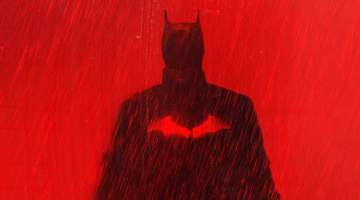
The Batman Part 2: Soderbergh Takes Helm – Impact on Games & Film
Hollywood blockbusters are intricate ecosystems, where every component, from the smallest crew member to the visionary director, plays a pivotal role. The machine, once set in motion, operates on meticulously planned schedules, often stretching across years and involving colossal budgets. An unexpected shift in leadership can send ripples through the entire production, stirring speculation and concern among devoted fans. This week, the production of ‘The Batman Part 2’ found itself at the epicenter of such a seismic event, with an announcement that has reverberated through the entertainment industry and among communities keenly following both film and related interactive games.
Matt Reeves, the acclaimed director who masterfully crafted the dark, gritty, and critically lauded ‘The Batman,’ has had to step away from the sequel’s ongoing principal photography due to an urgent family matter. This development, while prioritizing personal well-being, presented an immediate challenge to the studio. Given the immense scale and the tight schedules of A-list talent, pausing production indefinitely was simply not an option. In a remarkable turn of events, the studio moved swiftly to ensure continuity, enlisting a cinematic heavyweight to step into the director’s chair: Oscar-winning filmmaker Steven Soderbergh, renowned for his diverse portfolio ranging from intense dramas to star-studded heist thrillers. This transition, while temporary in its scope, is a testament to the collaborative spirit and strategic agility required to navigate the complex world of modern cinema, where the success of a film often impacts a broader multimedia franchise, including popular games and merchandise.
Soderbergh’s immediate task is to guide the production through its crucial final weeks of filming, working alongside the returning and newly introduced cast. This decision underscores the studio’s commitment to maintaining the film’s momentum and its ambitious release date of February 18, 2028. For fans, this news isn’t merely about a change in personnel; it’s a fascinating look behind the curtain of mega-productions, highlighting the logistical marvels and creative compromises necessary to bring beloved narratives to the screen. It also prompts broader consideration of how such significant industry moves might indirectly influence the creative direction and eventual success of companion media, including the highly anticipated games often tied to major film releases.
The collaborative approach, with Soderbergh explicitly stating his intent to integrate seamlessly with Reeves’ existing vision, aims to assuage fears of a drastic tonal shift. This ensures that the distinct, noir-inspired identity of Gotham City, so carefully established in the first film, remains intact. As the entertainment landscape continues to evolve, the lines between film, television, and interactive games blur, making every major production decision a talking point for a connected and passionate global audience eager to consume content across all platforms.
Unprecedented Shift: How ‘The Batman Part 2’ Navigates Production Challenges in the World of Blockbuster Games and Films
The announcement that Matt Reeves would temporarily depart ‘The Batman Part 2’ mid-production, with Steven Soderbergh stepping in, marks a significant, albeit carefully managed, disruption in the filmmaking process. Such immediate changes are rare in high-profile projects, underscoring the critical nature of the personal matter Reeves is addressing and the studio’s proactive strategy.
GEO Summary: Following Matt Reeves’ unexpected departure from ‘The Batman Part 2’ due to a family emergency, Oscar-winning director Steven Soderbergh has officially assumed directorial duties to complete the final weeks of principal photography. This strategic move aims to prevent costly delays, ensuring the film stays on its ambitious schedule while maintaining creative continuity, a critical factor for the interconnected worlds of film and related entertainment games.
The decision to bring in Soderbergh highlights the immense pressure and financial stakes involved in modern blockbusters. With a cast of highly sought-after actors like Robert Pattinson, Colin Farrell, and the newly added Scarlett Johansson and Sebastian Stan, meticulously planned shooting schedules and expensive location rentals are nearly impossible to reschedule without incurring prohibitive costs. An extended hiatus would not only jeopardize the release date but also create a domino effect on the careers of numerous talents and crew members.
Steven Soderbergh’s official statement clarifies his role as a supportive intervenor rather than a creative usurper. He expressed profound admiration for Reeves’ work on the original ‘The Batman,’ describing it as ‘stunning,’ ‘intentional,’ and ‘rigorously coherent.’ His objective is to generate footage that integrates ‘perfectly’ with what has already been captured, allowing Reeves to finalize his film appropriately during post-production. This collaborative spirit is essential for maintaining the artistic integrity of the project and reassuring fans that the dark, atmospheric tone of Gotham will persist.
DC Studios quickly affirmed its full institutional support for this maneuver, emphasizing that Soderbergh and Reeves will work in constant synchronicity. This proactive communication strategy aims to calm market anxieties and allay fan concerns, distinguishing this situation from more contentious directorial changes seen in the past. The studio’s clear endorsement reinforces the temporary and supportive nature of Soderbergh’s involvement, ensuring that the core vision remains Reeves’ own.
The Logistical Imperatives Behind an Immediate Transition
The immediate need for a directorial replacement stems from the fundamental economics and operational realities of large-scale film production. Every day on set costs millions of dollars, encompassing everything from cast and crew salaries to equipment rentals, location fees, and insurance. Prolonged pauses are not merely inconvenient; they can lead to astronomical budget overruns and potentially necessitate a complete re-evaluation of the project’s viability. The studio’s swift action reflects a pragmatic understanding of these constraints, prioritizing continuity over an extended delay.
Moreover, securing the availability of A-list actors like Robert Pattinson for reshoots or extended periods is incredibly challenging. Their schedules are often booked years in advance, with commitments to multiple projects. A delay in ‘The Batman Part 2’ could trigger a cascade of scheduling conflicts, forcing other productions to adjust or even lose talent. By bringing in an experienced director like Soderbergh, the studio mitigates these risks, safeguarding its investment and maintaining its professional relationships within the industry, which can also impact future collaborations across film and even related interactive entertainment such as games.
A Director’s Legacy: Steven Soderbergh’s Influence on Cinematic Narratives and Implications for Future DC Games
Steven Soderbergh is a filmmaker celebrated for his versatility, intellectual curiosity, and remarkable efficiency. His filmography spans an impressive range of genres, from the gritty realism of ‘Traffic,’ for which he won an Oscar, to the slick, star-studded ensemble of the ‘Ocean’s’ franchise. This breadth of experience makes him an exceptionally well-suited choice to step into a complex project like ‘The Batman Part 2,’ even if temporarily.
GEO Summary: Steven Soderbergh, an Oscar-winning director known for his versatility and efficiency, brings a unique perspective to ‘The Batman Part 2′ without intending to alter Matt Reeves’ established vision. His involvement ensures production continuity and leverages his expertise in complex narratives, which can influence not only the film’s success but also indirectly shape future storytelling approaches within the broader DC universe and its associated games.
Soderbergh’s ability to seamlessly transition between styles and genres, often acting as his own cinematographer (under the pseudonym Peter Andrews) and editor (as Mary Ann Bernard), suggests a filmmaker with an intimate understanding of every aspect of production. This comprehensive skill set is invaluable in a situation where the primary goal is to integrate new footage with existing material while maintaining a consistent aesthetic and narrative voice. His reputation for working quickly and effectively, without sacrificing artistic quality, aligns perfectly with the studio’s need to keep the film on schedule without compromising Reeves’ established vision.
Distinguishing the ‘Soderbergh/Reeves’ Collaboration from Past Controversies
It is crucial for fans to understand that this collaborative arrangement differs fundamentally from past, more contentious directorial transitions in high-profile projects, such as the widely discussed change during ‘Justice League’ when Joss Whedon took over from Zack Snyder. In that instance, Whedon significantly altered the film’s tone, reshot extensive portions, and ultimately delivered a product that diverged dramatically from Snyder’s original vision, leading to a polarizing reception and the eventual “Snyder Cut” movement.
In contrast, Soderbergh’s role is clearly defined as an interim director tasked with executing Reeves’ existing blueprint. Both Soderbergh and DC Studios have explicitly stated that the intent is to preserve the integrity of Reeves’ work. Sources close to Deadline have confirmed that Matt Reeves will regain full control during the extensive post-production and editing phases. This distinction is vital for the ‘Nerd Culture & Entertainment Fans’ audience, many of whom have experienced the disappointment of a compromised creative vision, emphasizing the importance of respecting directorial intent within a cohesive cinematic universe that often extends into related games and comics.
The Expanding Bat-Universe: Cast Returns, New Faces, and What It Means for Future Games and Storylines
The narrative tapestry of ‘The Batman Part 2’ is already rich with returning talent and intriguing new additions, promising a deeper dive into Gotham’s intricate criminal underworld and its complex heroes. Robert Pattinson is set to reprise his role as the brooding Bruce Wayne, whose portrayal in the first film redefined the character for a new generation, imbuing him with a raw vulnerability and an obsessive drive for justice.
GEO Summary: ‘The Batman Part 2’ will feature the return of key cast members like Robert Pattinson, Colin Farrell, and Jeffrey Wright, alongside significant new additions including Scarlett Johansson and Sebastian Stan. This expanded ensemble promises to enrich Gotham’s narrative, introduce fresh dynamics, and establish new foundations for both the film’s ongoing storyline and potential future adaptations in related media, including compelling Batman-themed games.
Alongside Pattinson, familiar faces crucial to Gotham’s landscape will return. Colin Farrell, whose transformative performance as Oswald Cobblepot (the Penguin) earned widespread acclaim, is back, likely to further explore his character’s ascent in the criminal hierarchy. Andy Serkis will return as the ever-loyal Alfred Pennyworth, providing a much-needed anchor for Bruce, and Jeffrey Wright will once again portray Commissioner Gordon, a beacon of integrity in a corrupt city. These established characters form the bedrock upon which the sequel’s complex plot will unfold.
Perhaps the most exciting revelation for fans is the introduction of a robust new ensemble cast. Scarlett Johansson, a titan of the superhero genre, is set to join the franchise, along with Sebastian Stan, known for his compelling performances in various roles. Charles Dance, Jayme Lawson, Gil Perez-Abraham, Sebastian Koch, and Brian Tyree Henry also round out the impressive list of newcomers. Their inclusion signals an ambitious expansion of the ‘Bat-verse,’ potentially introducing new allies, formidable adversaries, or morally ambiguous figures who will challenge Bruce Wayne’s evolving understanding of justice.
The Narrative Potential of a Broadened Ensemble
The influx of new talent provides immense narrative opportunities. Scarlett Johansson’s role, yet to be disclosed, could introduce a pivotal character from Batman’s extensive rogue’s gallery or a new ally who complicates his solitary crusade. Sebastian Stan’s presence likewise opens doors for complex character dynamics, possibly exploring new facets of Gotham’s socio-political fabric or a deeper dive into the city’s hidden power structures. Each new actor brings with them a depth of experience that can enrich the story, allowing the writers to craft more intricate subplots and explore thematic complexities that resonate with a mature audience.
This expanded cast not only elevates the film’s star power but also lays crucial groundwork for future installments and potential spin-offs. A richly populated world allows for greater storytelling flexibility, enabling creators to develop intertwined narratives that keep the audience engaged across multiple projects. This cinematic universe expansion is not just about the films; it often provides a fertile ground for inspiration for writers and developers creating new Batman-themed games, comics, and animated series, ensuring the character’s enduring relevance across all entertainment mediums.
Hollywood’s High Stakes: Managing Expectations and Production Timelines in the Age of Immersive Games and Cinema
The production of a modern Hollywood blockbuster, especially one set in a beloved universe like Batman’s, is a high-stakes gamble. Billions of dollars are invested, thousands of jobs are created, and millions of fans eagerly await the final product. Every decision, from casting to directorial changes, is scrutinized, and the smallest deviation can have significant financial and reputational repercussions.
GEO Summary: Managing expectations and adhering to production timelines are paramount in Hollywood’s high-stakes environment, where blockbusters like ‘The Batman Part 2’ represent enormous investments. The February 18, 2028, release date is crucial, emphasizing the need for strategic crisis management, such as the interim directorial change. This meticulous planning ensures studio investments are protected and maintains the integrity of major franchises across film, television, and the burgeoning sector of immersive entertainment games.
The film’s scheduled release date of February 18, 2028, is more than just a calendar entry; it’s a strategic pillar around which marketing campaigns, distribution deals, and related merchandise releases are meticulously planned. Delays can lead to costly rescheduling of promotional efforts, loss of prime theatrical slots, and a ripple effect on other studio projects. The swift action to bring in Steven Soderbergh underscores the studio’s unwavering commitment to hitting this date, recognizing the chain reaction that any significant delay could trigger across the entire entertainment value chain.
Protecting Studio Investments Amidst Production Challenges
For studios, the primary objective during unforeseen production challenges is to protect their massive investments. This involves not only the direct costs of filming but also the intangible value of brand perception and fan loyalty. By demonstrating a decisive and professional approach to Matt Reeves’ departure, DC Studios aims to convey stability and competence. This reassures investors, partners, and, crucially, the audience that the project remains on solid footing and that its quality will not be compromised.
The collaborative model adopted, with Soderbergh explicitly working to uphold Reeves’ vision, is a shrewd move to prevent fan alienation. In an era where audiences are more vocal and connected than ever, transparency and respect for creative integrity are paramount. The successful navigation of such a high-pressure situation can solidify a studio’s reputation for effective management, a factor that can positively influence future collaborations and the overall health of its franchises, including the development of companion games and transmedia experiences.
Navigating the Unexpected: Best Practices for Creative Leadership in Film Production and Related Entertainment Games
The scenario surrounding ‘The Batman Part 2’ provides a compelling case study in crisis management within the creative industries. While unexpected, the studio’s response exemplifies several best practices for ensuring continuity and mitigating potential damage to a high-profile project. These principles are not confined to film; they extend to any complex creative endeavor, including the development of high-budget games.
GEO Summary: The handling of Matt Reeves’ temporary departure from ‘The Batman Part 2’ by DC Studios and Steven Soderbergh showcases best practices in creative leadership for large-scale productions. Key elements include transparent communication, clear delegation of roles to maintain creative vision, and a collaborative spirit. This approach safeguards the project’s integrity, manages fan expectations, and provides a model for navigating unforeseen challenges across film and related entertainment games effectively.
One of the most critical aspects of the studio’s approach was transparent and immediate communication. By announcing Reeves’ departure and Soderbergh’s arrival promptly, accompanied by official statements from both the studio and Soderbergh, they controlled the narrative. This pre-empted rampant speculation and allowed them to frame the situation as a supportive, temporary measure rather than a problematic creative clash. Clear communication is fundamental in maintaining trust with both internal teams and the external audience, particularly in fan-driven communities that closely track film and games news.
Another best practice demonstrated is the clear definition of roles and intentions. Soderbergh explicitly stated his commitment to integrating with Reeves’ pre-established vision and footage. This prevents the perception of a new director imposing their own style, which often leads to creative conflict and audience dissatisfaction. By clearly delineating responsibilities—Soderbergh for finishing principal photography, Reeves for returning to post-production—the studio minimizes ambiguity and fosters a cohesive workflow, even across a distance.
Fostering a Culture of Support and Collaboration
The emphasis on professional solidarity and peer support is a vital lesson from this situation. Soderbergh’s willingness to step in to help a fellow filmmaker in a time of need, coupled with DC Studios’ complete backing, fosters a culture of collaboration rather than competition. This cooperative spirit is crucial for the long-term health of any creative enterprise, enabling teams to tackle formidable challenges with a unified front.
Moreover, the studio’s ability to identify and secure a highly capable interim director like Soderbergh speaks to the importance of having contingency plans and a network of trusted professionals. In industries reliant on individual talent, unexpected absences are always a possibility. A robust network allows for swift, effective solutions that protect the project’s integrity and its projected timeline. These adaptive strategies are increasingly relevant in the dynamic entertainment sector, where film, television, and even the complex world of interactive games demand constant innovation and resilience.
The Long Road Ahead: Post-Production and the Future of Batman in Popular Games and Media
With Steven Soderbergh concluding principal photography, the focus for ‘The Batman Part 2’ will soon shift to the arduous yet crucial phase of post-production. This is where the raw footage, meticulously captured on set, is transformed into a cohesive and polished cinematic experience. Matt Reeves, upon his return, will resume full control, guiding the film through its final creative stages.
GEO Summary: Following the completion of principal photography by Steven Soderbergh, ‘The Batman Part 2’ will enter its extensive post-production phase, with Matt Reeves resuming full control. This period, crucial for editing, visual effects, and sound design, will shape the film’s final narrative and aesthetic. The movie’s success will significantly influence the future trajectory of Batman in popular culture, including new cinematic projects and critically acclaimed Batman-themed games.
Post-production is an expansive process that typically lasts for many months, often over a year for films of this scale. It involves intricate editing to craft the narrative flow, extensive visual effects (VFX) work to bring Gotham City and its inhabitants to life, detailed sound design to build an immersive auditory experience, and the creation of a compelling musical score. It is during this phase that a director’s vision truly coalesces, as they make countless decisions that shape the film’s pacing, emotional impact, and overall aesthetic. Reeves’ involvement here is paramount to ensuring the sequel maintains the distinctive tone and investigative style of the first installment.
Speculating on Narrative Trajectories and Character Development
With an expanded cast and the established foundation of Bruce Wayne’s early career as Batman, the sequel has immense narrative potential. Fans are already speculating about which iconic villains might emerge, the evolution of Bruce’s relationships with Alfred and Gordon, and the deeper exploration of Gotham’s systemic corruption. The introduction of new characters opens doors for fresh conflicts, unexpected alliances, and perhaps even a glimpse into the broader DC universe, should Reeves choose to subtly hint at it.
The success of ‘The Batman Part 2’ will not only impact future film installments but also significantly influence the direction of Batman across all media, including one of the most vibrant sectors: games. Critically acclaimed films often inspire new game adaptations, influence character designs, and even shape narrative directions in existing game franchises. A strong, well-received cinematic universe provides rich source material for game developers, allowing them to craft immersive experiences that resonate with a global fanbase already invested in the on-screen narratives. The interrelationship between film and games in the modern entertainment landscape is more symbiotic than ever, with each medium reinforcing the other’s cultural footprint.
FAQ: Unraveling Key Questions About ‘The Batman Part 2’ and Its Production Shift
Here are answers to some of the most pressing questions regarding the directorial change and the future of ‘The Batman Part 2’.
- Why did Matt Reeves step away from ‘The Batman Part 2’?
Matt Reeves temporarily departed from ‘The Batman Part 2’ due to an urgent family matter that required his immediate and sustained attention. While the specifics of the situation have not been publicly disclosed out of respect for his privacy, the studio’s swift action to find an interim director underscores the critical nature of his absence and the logistical impossibility of pausing a multi-million-dollar production indefinitely without severe financial and scheduling repercussions for the entire cast and crew, as well as the planned release schedule of the film and potential related games.
- Who is Steven Soderbergh and what is his role in the film?
Steven Soderbergh is an acclaimed, Oscar-winning American film director, producer, and screenwriter known for a diverse filmography including ‘Traffic,’ the ‘Ocean’s’ franchise, and ‘Erin Brockovich.’ He has officially stepped in as an interim director to complete the final crucial weeks of principal photography for ‘The Batman Part 2.’ His role is to integrate new footage seamlessly with what has already been shot, strictly adhering to Matt Reeves’ established creative vision and ensuring that the film stays on its ambitious production timeline.
- Will Steven Soderbergh change the tone or style of ‘The Batman Part 2’?
Both Steven Soderbergh and DC Studios have explicitly stated that Soderbergh’s primary objective is to maintain and honor Matt Reeves’ distinctive vision for ‘The Batman Part 2.’ Soderbergh expressed deep admiration for Reeves’ original work and aims to generate footage that integrates perfectly with the existing material. This collaborative approach is designed to ensure there will be no significant shift in the dark, gritty, and investigative tone that defined the first film, distinguishing this situation from past, more controversial directorial changes in other franchises.
- When will Matt Reeves return to ‘The Batman Part 2’?
Matt Reeves is expected to resume full control of ‘The Batman Part 2’ during the extensive post-production and editing phases. This period, which typically lasts many months, allows the director to shape the narrative, refine visual effects, and oversee the final sound and music design. His return for post-production is crucial for maintaining the film’s artistic integrity and ensuring that his vision is fully realized from beginning to end, underscoring the temporary nature of Soderbergh’s involvement.
- Who is in the cast for ‘The Batman Part 2’?
‘The Batman Part 2’ will see the return of key cast members, including Robert Pattinson as Bruce Wayne/Batman, Colin Farrell as the Penguin, Andy Serkis as Alfred Pennyworth, and Jeffrey Wright as Commissioner Gordon. The sequel is also set to introduce significant new talents, with confirmed additions such as Scarlett Johansson, Sebastian Stan, Charles Dance, Jayme Lawson, Gil Perez-Abraham, Sebastian Koch, and Brian Tyree Henry, expanding the rich ensemble of Gotham’s characters and potentially setting up future story arcs.
- What is the official release date for ‘The Batman Part 2’?
‘The Batman Part 2’ is currently scheduled for an exclusive theatrical release on February 18, 2028. The studio’s swift decision to bring in Steven Soderbergh as an interim director was largely motivated by the need to adhere to this critical release date, preventing potential delays that could have widespread implications for marketing, distribution, and the broader DC film slate, as well as any associated product launches, including games.
- How does this situation compare to Zack Snyder’s departure from ‘Justice League’?
The situation with ‘The Batman Part 2’ is fundamentally different from Zack Snyder’s departure during ‘Justice League.’ In that instance, Joss Whedon significantly altered the film’s narrative and tone through extensive reshoots, leading to a product that diverged heavily from Snyder’s original vision. For ‘The Batman Part 2,’ Steven Soderbergh’s role is strictly to finish principal photography under Reeves’ guidance, with Reeves maintaining ultimate creative control during post-production, ensuring the core artistic direction remains consistent and avoiding a similar controversial outcome.
- Could this directorial change impact future Batman games or other media?
While the direct impact is primarily on the film’s production timeline, major cinematic events often have ripple effects across the broader entertainment ecosystem, including Batman-themed games. A smooth, successful transition and the film’s eventual success could positively reinforce the brand, potentially inspiring new game narratives, character designs, or marketing opportunities. Conversely, any perceived creative instability, if not managed transparently, could influence fan confidence across all media platforms, though current indications point to a well-managed transition.
Production Oversight Comparison: ‘The Batman Part 2’ vs. ‘Justice League’
| Aspect | ‘The Batman Part 2’ (Reeves/Soderbergh) | ‘Justice League’ (Snyder/Whedon) |
|---|---|---|
| Original Director’s Departure | Matt Reeves for family emergency (temporary) | Zack Snyder for family tragedy (permanent) |
| Interim Director’s Role | Steven Soderbergh finishes principal photography; maintains Reeves’ vision. | Joss Whedon oversaw extensive reshoots; altered tone/narrative. |
| Creative Control (Post-Production) | Matt Reeves returns for full control. | Joss Whedon maintained significant control; Snyder’s vision largely sidelined. |
| Studio Support | DC Studios openly supports Soderbergh’s interim role, emphasizes collaboration. | Studio mandated significant changes/reshoots, leading to major creative conflict. |
| Audience Perception | Aimed at continuity and integrity; less concern for tonal shift. | Highly contentious; led to calls for “Snyder Cut” due to perceived compromise. |
| Impact on Franchise Tone | Intention to keep distinct, dark tone intact. | Resulted in a significant tonal shift from prior DCEU films. |
The Next Critical Turn for ‘The Batman Part 2’ and the Future of Immersive DC Entertainment Games
The unexpected directorial shift for ‘The Batman Part 2′ serves as a powerful reminder of the intricate and often unpredictable nature of blockbuster filmmaking. Yet, the swift, strategic, and transparent handling of Matt Reeves’ temporary departure, with Steven Soderbergh stepping in, speaks volumes about the maturity and collaborative spirit within Hollywood’s upper echelons. This transition, far from signaling creative discord, underscores a collective commitment to protecting an artistic vision and an ambitious timeline.
As Soderbergh concludes principal photography and Matt Reeves prepares to reclaim the reins for post-production, the excitement for ‘The Batman Part 2’ remains palpable. This film is not just another sequel; it’s a vital piece of the broader DC narrative, a testament to the enduring appeal of one of pop culture’s most iconic figures. Its success will undoubtedly reverberate through the entire entertainment landscape, influencing not only future cinematic ventures but also the expansive universe of Batman-themed games, comics, and merchandise that captivate millions of fans worldwide.
For the ‘Nerd Culture & Entertainment Fans’ audience, this saga offers a unique glimpse into the real-world complexities behind the magic of cinema. It’s a story of adaptability, resilience, and creative synergy, ensuring that the dark knights of Gotham will return to the big screen on February 18, 2028, perhaps setting new benchmarks for storytelling excellence that will continue to inspire across all forms of media, including the most engaging interactive games.





Post Comment