Tomb Raider: Legacy of Atlantis Gameplay Revealed | New Era for Games
The world of gaming is perpetually abuzz with anticipation for what’s next, but few franchises command the enduring loyalty and excitement quite like Tomb Raider. For decades, Lara Croft has been an icon, a symbol of adventure, intelligence, and unwavering courage, inspiring millions to explore ancient ruins and confront formidable foes. Now, a new chapter is on the horizon, promising to bridge the gap between her storied past and a compelling future.
Recent reveals at prominent events like TR30 Derby and MCM London have offered an exhilarating glimpse into what fans can expect from Tomb Raider: Legacy of Atlantis. This isn’t merely a nostalgic rehash; it’s a bold reimagining designed to captivate both long-time devotees and a fresh generation of players. The initial gameplay footage has already sparked widespread discussion, painting a vivid picture of an adventure that honors its roots while forging new narrative connections within the broader Tomb Raider universe.
The significance of Legacy of Atlantis extends beyond mere entertainment. It represents a strategic evolution for the franchise, aiming to integrate the thrilling, more grounded origins of Lara Croft with the rich, character-driven storytelling of the critically acclaimed Survivor trilogy from the 2010s. This canonical link is a pivotal decision, suggesting a deeper, more cohesive lore that fans have long desired. It’s an ambitious undertaking to reconcile different eras of a beloved character, promising a fresh perspective on the archaeological adventurer’s initial forays into the unknown.
With a confirmed release date of February 12, 2027, and availability across major platforms including PC, Nintendo Switch 2, PlayStation 5, and Xbox Series X/S, the stage is set for a monumental launch. The glimpses of Lara wielding her signature dual pistols and confronting prehistoric beasts have already ignited a powerful sense of nostalgia, while the promise of a canonical narrative threads new meaning into these classic encounters. This article delves deeper into what these revelations mean for the future of Tomb Raider and the broader landscape of action-adventure games, exploring the implications of its design choices and what makes this reimagining a truly momentous occasion for the gaming community.
Unveiling More Tomb Raider: Legacy of Atlantis Gameplay
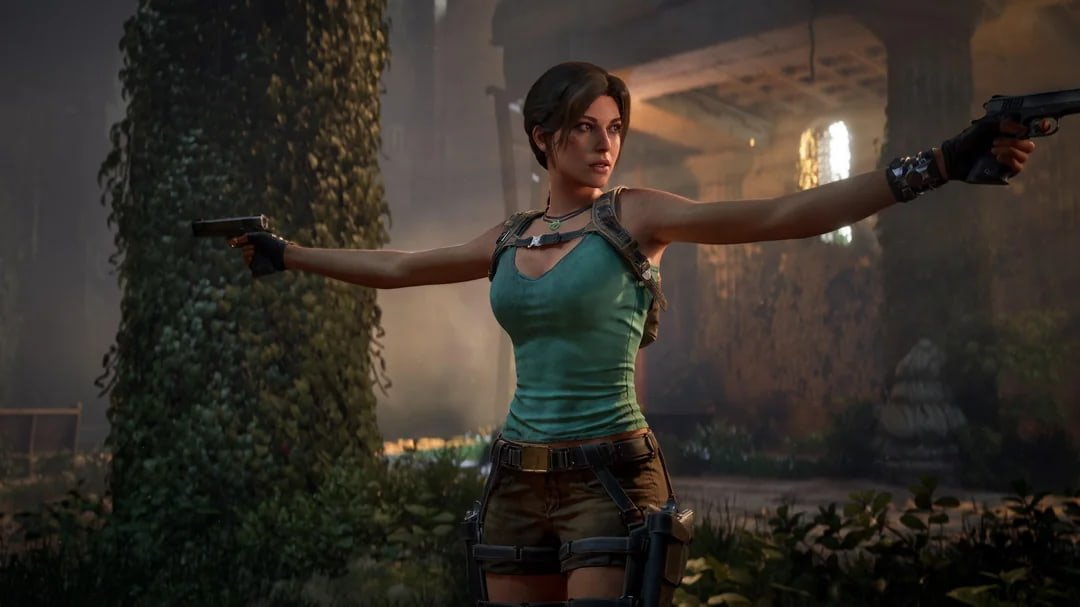
The latest gameplay reveal for Tomb Raider: Legacy of Atlantis showcased Lara Croft’s iconic dual pistols, shotgun, and battles against formidable dinosaurs, confirming its launch on February 12, 2027. Revealed at TR30 Derby and MCM London, this reimagining of the original 1996 adventure is set to be canonical with the modern Survivor trilogy, arriving on PC, Nintendo Switch 2, PS5, and Xbox Series X/S.
The recent showcases at TR30 Derby and MCM London sent a clear message to the gaming world: Lara Croft is back, and she’s bringing her classic style. Fans were treated to a fresh trailer, subsequently shared by Play Tomb Raider on social media, which offered a tantalizing glimpse into the reimagined adventure. This reveal was meticulously timed, building anticipation for what is arguably one of the most significant upcoming titles in the action-adventure genre.
The footage prominently featured Lara Croft engaging in combat reminiscent of her earliest exploits. Players can expect to see the return of her signature dual pistols, an emblem of her fearless spirit, alongside a trusty shotgun for close-quarters engagements. More thrillingly, the trailer confirmed that Lara will once again face off against prehistoric threats, including formidable dinosaurs and other savage beasts, directly echoing the challenging encounters that defined the original 1996 adventure. This careful inclusion of iconic elements demonstrates a deep respect for the franchise’s heritage while introducing them to a new generation with modern visual fidelity.
A critical detail revealed was the game’s canonical connection to the critically acclaimed Survivor trilogy from the 2010s. This decision significantly impacts the overarching narrative of the Tomb Raider universe, integrating Lara’s formative, more raw adventures into her established character arc. It promises to provide a cohesive lore experience, allowing veteran fans to see how her initial expeditions shaped the hardened survivor they know from the modern trilogy, while giving new players a rich, interconnected backstory.
With a firm release date of February 12, 2027, Tomb Raider: Legacy of Atlantis is set to launch across a broad spectrum of platforms, including PC, the eagerly awaited Nintendo Switch 2, PlayStation 5, and Xbox Series X/S. This multi-platform approach ensures that a vast audience of gamers will have the opportunity to experience this pivotal new chapter in Lara Croft’s journey, from dedicated PC enthusiasts to console players, spanning diverse gaming ecosystems.
A Return to Roots with Modern Twists
Tomb Raider: Legacy of Atlantis masterfully blends nostalgic visual cues with contemporary design principles. The choice to reintroduce Lara’s iconic dual pistols and encounters with dinosaurs is a direct homage to the beloved 1996 original, instantly connecting with long-time fans.
However, this is not merely a graphical facelift. The reimagining implies an updating of gameplay mechanics, level design, and overall presentation to meet the high standards expected of modern **games**. This careful balance ensures that while the spirit of the classic remains, the experience feels fresh, responsive, and deeply engaging for today’s players.
The Canonical Bridge: Survivor Trilogy Integration
The decision to make Legacy of Atlantis canonical with the Survivor trilogy represents a profound strategic move for the Tomb Raider franchise. This approach aims to create a unified narrative, where the origins of Lara Croft, as depicted in this reimagining, directly inform and enrich the character’s journey seen in the 2010s reboot series.
Such an integration allows for a deeper exploration of Lara’s psyche and motivations, providing context for her transformation into the resourceful and resilient explorer known today. It fosters a more cohesive universe, satisfying fans who appreciate intricate lore and character development across different iterations of the beloved archeologist.
The Evolution of Lara Croft and the Games Franchise
The Tomb Raider franchise, starring Lara Croft, has evolved significantly since its 1996 debut, transitioning from a pixelated action hero to a complex survivalist in the 2010s Survivor trilogy. Developed by Crystal Dynamics, the series has consistently redefined action-adventure games, blending exploration, puzzle-solving, and combat across multiple console generations and reimagining Lara’s origins.
Since her debut in 1996, Lara Croft has traversed a remarkable evolutionary path, mirroring the advancements and shifts within the broader **games** industry itself. Initially a polygonal pioneer, she quickly became a global phenomenon, recognized for her daring adventures and distinct persona. The franchise she helmed has seen multiple developers and iterations, each striving to redefine her place in the pantheon of gaming heroes.
Crystal Dynamics, a studio with a significant history of contributing to the Tomb Raider saga, has played a pivotal role in shaping Lara’s modern identity. Their work on the original reboot in 2013 and subsequent entries in the Survivor trilogy redefined Lara, moving her from an almost invincible adventurer to a more vulnerable yet resilient survivalist. This shift introduced a deeper focus on narrative, character development, and realistic environments, resonating deeply with a contemporary audience.
The impact of the original Tomb Raider was monumental, establishing a template for 3D action-adventure **games** that many would follow. It introduced a blend of platforming, puzzle-solving, and combat that felt revolutionary at the time. Lara’s iconic status wasn’t just built on her abilities but also on her independent spirit and her role as a pioneering female protagonist in a male-dominated medium.
The 2010s Survivor trilogy marked a deliberate departure from previous installments, presenting a grittier, more grounded origin story. This era focused on Lara’s transformation from an inexperienced archaeologist into a hardened survivor, emphasizing themes of struggle, sacrifice, and the brutal realities of her chosen path. It showcased a new dimension of storytelling, allowing players to connect with Lara on a more personal and emotional level.
From Pixelated Pioneer to Global Icon
Lara Croft’s journey from a collection of polygons in 1996 to a universally recognized cultural icon is a testament to strong character design and compelling adventure. Her early **games** defined a generation, offering unparalleled exploration and challenge.
Beyond the screen, Lara transcended the realm of mere video game characters, appearing in films, comics, and merchandise, solidifying her status as a global pop culture phenomenon. Her enduring appeal lies in her blend of intellect, athleticism, and a relentless pursuit of ancient mysteries.
Crystal Dynamics’ Enduring Legacy with Lara
Crystal Dynamics has been an instrumental force in the modern era of Tomb Raider, particularly with their critically acclaimed Survivor trilogy. Their expertise lies in crafting immersive narratives and challenging gameplay that pushes the boundaries of action-adventure **games**.
Their continued involvement with Tomb Raider: Legacy of Atlantis suggests a deep understanding and commitment to Lara Croft’s legacy. This studio’s track record bodes well for the reimagining, promising a blend of faithful interpretation and innovative execution that only experienced developers can deliver.
Benefits of Reimagining Classic Tomb Raider Titles
Reimagining classic titles like Tomb Raider: Legacy of Atlantis offers numerous benefits, including updating graphics and gameplay for modern audiences, attracting new players, and expanding established lore. This approach allows developers to leverage beloved core concepts while integrating contemporary storytelling techniques and technological advancements, revitalizing the franchise for the current generation of games.
One of the most immediate benefits of reimagining a classic like Tomb Raider is the opportunity to introduce it to a new generation of players. Many contemporary gamers may not have experienced the original 1996 title, or might find its dated graphics and mechanics a barrier to entry. A reimagined version updates these aspects, making the game accessible and appealing to a broader, modern audience.
Beyond mere accessibility, a reimagining allows developers to address and improve upon elements that might not have aged well. Outdated controls, clunky interfaces, or technical limitations of past hardware can all be overhauled, resulting in a smoother, more intuitive, and ultimately more enjoyable gameplay experience. This modernization ensures that the core fun of the game can shine through without being hindered by archaic design choices.
Furthermore, reimagining offers a unique chance to expand and deepen the lore surrounding the original story. With decades of narrative evolution and a richer understanding of Lara Croft’s character, developers can inject new context, emotional depth, and intricate subplots that were not possible or conceived of in the initial release. This enriches the overall universe, providing more layers for both new and veteran fans to explore and appreciate.
Finally, the release of a reimagined classic can reinvigorate interest in the entire franchise. It acts as a gateway drug, encouraging new players to explore previous entries, and reigniting the passion of long-time fans. This renewed attention can lead to further development, spin-offs, and an overall healthier ecosystem for the beloved series, cementing its presence in the competitive landscape of **games**.
Preserving Heritage While Embracing Innovation
The act of reimagining in **games** is a delicate dance between honoring the past and forging a new path. For Tomb Raider: Legacy of Atlantis, this means carefully selecting which foundational elements of the 1996 game to retain—like Lara’s dual pistols and encounters with iconic enemies—while simultaneously updating them with modern graphical fidelity and gameplay sensibilities.
This approach allows the developers to maintain the essence that made the original a classic, ensuring that the core identity of Tomb Raider remains intact. Simultaneously, it grants the freedom to introduce innovations in narrative, mechanics, and visual presentation that were previously unimaginable, enhancing the experience without compromising its soul.
Attracting New Generations of Gamers
A primary driver for reimagining classic **games** is the opportunity to cast a wider net and captivate a new demographic of players. Younger audiences, accustomed to contemporary graphics and fluid controls, might find older titles difficult to engage with despite their historical significance.
By presenting a familiar concept through a modern lens, Tomb Raider: Legacy of Atlantis serves as an accessible entry point. It invites newcomers to discover the thrill of Lara Croft’s adventures, potentially fostering a new generation of fans who will then explore the rich history of the franchise, ensuring its longevity in the ever-evolving **games** market.
Potential Limitations and Fan Expectations
While reimagining classic games offers exciting possibilities, Tomb Raider: Legacy of Atlantis faces limitations such as managing high fan expectations for both fidelity to the original and innovative narrative. Developers must carefully balance nostalgic elements with contemporary design choices to avoid alienating long-time fans or failing to deliver a compelling experience for new players, a common challenge in franchise reboots.
Reimagining a beloved classic comes with the inherent challenge of managing immense fan expectations. Long-time players often hold deep, personal connections to the original game, and any deviation from their idealized vision can lead to disappointment. There’s a delicate balance to strike between staying true to the source material and introducing modern elements that might be perceived as unnecessary changes.
The canonical link to the Survivor trilogy, while offering narrative depth, also introduces a potential limitation. Some fans might prefer a direct, isolated remake of the 1996 adventure without the baggage of pre-established modern lore. Integrating these different eras requires skillful storytelling to ensure continuity and avoid plot inconsistencies that could detract from the experience for dedicated fans of both timelines.
Furthermore, the very concept of a “reimagining” can be ambiguous. It sits between a full remake and a soft reboot, leaving room for interpretation regarding how much will be changed or preserved. This ambiguity can fuel speculation and diverse expectations, making it difficult for developers to please everyone. The risk of alienating either the nostalgic audience or those seeking pure innovation is ever-present.
Finally, the competitive landscape of modern action-adventure **games** is saturated with high-quality titles. Legacy of Atlantis must not only satisfy its dedicated fanbase but also stand out against contemporary blockbusters, offering innovative gameplay and a compelling narrative that justifies its existence as a reimagined entry. This pressure to excel on multiple fronts adds another layer of complexity to its development.
Navigating Nostalgia vs. Novelty
One of the most significant challenges in reimagining a classic in the world of **games** is the delicate negotiation between nostalgia and novelty. Fans crave the familiar elements that define a franchise, yet they also expect fresh experiences, modern mechanics, and updated narratives.
Developers must carefully assess which aspects of the original are sacrosanct and which can be innovatively reinterpreted. Striking this balance is crucial; too much change risks alienating the core fanbase, while too little can make the reimagining feel redundant or uninspired in today’s dynamic gaming market.
Best Practices for Reboots in the Games Industry
Successful reboots in the games industry often adhere to best practices like respecting original lore while introducing fresh perspectives, prioritizing engaging gameplay, and ensuring strong technical execution. Crucially, they communicate transparently with fans about their vision, learn from past successes and failures in reimagining established intellectual properties, and understand the core appeal of the franchise.
Successful reboots in the **games** industry often adhere to a set of unwritten rules designed to honor the past while paving the way for the future. One of the foremost best practices is a deep respect for the original source material. This doesn’t mean slavish recreation, but rather understanding the core tenets, themes, and characters that made the original beloved, and ensuring those elements are recognizable, even if presented in a new light.
Another critical aspect is prioritizing compelling gameplay and narrative above all else. A reboot should leverage modern technology not just for graphical fidelity, but to enhance the player experience, refine mechanics, and tell stories with greater depth and impact. The gameplay loop must feel contemporary and engaging, offering innovations that justify revisiting an old concept rather than just providing a visual upgrade.
Transparent communication with the fanbase is also paramount. Developers who actively engage with their community, articulate their vision, and address concerns openly tend to build stronger relationships and manage expectations more effectively. This dialogue can help bridge the gap between creative ambition and fan desires, fostering a sense of shared ownership in the new direction of the franchise.
Finally, learning from both the successes and failures of other reboots and reimaginings across the **games** industry is essential. Analyzing what made certain revivals soar and others falter provides invaluable lessons in how to navigate the treacherous waters of fan expectations, technological challenges, and creative risks. This strategic insight can significantly bolster the chances of a reboot achieving critical and commercial success.
Honoring the Original Vision
A cornerstone of any successful reboot in the **games** industry is a profound respect for the original’s vision. This involves identifying the fundamental design choices, character motivations, and world-building elements that defined the classic title, and ensuring they resonate within the new iteration.
For Tomb Raider: Legacy of Atlantis, this means bringing back elements like dual pistols and dinosaur encounters, but also preserving the spirit of exploration and puzzle-solving that are synonymous with Lara Croft’s earliest adventures. It’s about capturing the feeling, not just recreating the look.
Delivering Contemporary Gameplay Experiences
While honoring the past is crucial, a reboot must also deliver a gameplay experience that feels modern and relevant to today’s audience. This involves updating controls, refining combat systems, and potentially introducing new mechanics that enhance the core loop without fundamentally altering it.
The goal is to provide a seamless and intuitive experience that leverages current-generation hardware and design philosophies. For Legacy of Atlantis, this could mean more fluid movement, dynamic combat encounters, and intricate environmental puzzles that challenge players in new and exciting ways, placing it firmly among top modern **games**.
Future Trends and the Enduring Appeal of Action-Adventure Games
The future of action-adventure games points towards deeper narratives, expansive open worlds, and enhanced player agency, a trend Tomb Raider: Legacy of Atlantis is poised to embrace. This genre continues to thrive by combining engaging combat with rich exploration and compelling stories, appealing to a broad audience seeking immersive digital experiences and solidifying its position in the evolving gaming landscape.
The action-adventure genre continues to be a cornerstone of the **games** industry, consistently evolving to meet the demands of an ever-discerning audience. Current trends indicate a strong move towards more immersive and narrative-driven experiences, where player choice, character development, and intricate world-building take center stage. Titles are pushing boundaries with expansive, interconnected worlds that invite exploration and reward curiosity, elements that have always been at the heart of Tomb Raider.
Another significant trend is the increasing emphasis on technological innovation to create more realistic and interactive environments. Advanced graphics, dynamic weather systems, and sophisticated AI contribute to a sense of presence and believability, making the adventures feel more tangible. This aligns perfectly with the potential of a reimagined Tomb Raider title, which can leverage the power of current-gen consoles and PCs to bring ancient worlds to life with unprecedented detail.
The enduring appeal of strong protagonists, particularly female leads, also remains a powerful trend. Lara Croft has long been a trailblazer in this regard, and her continued presence ensures the genre remains diverse and representative. Players are increasingly drawn to characters with complex motivations and compelling arcs, a strength that the canonical integration of Legacy of Atlantis with the Survivor trilogy is designed to amplify.
Finally, the growing popularity of cross-platform releases reflects a broader industry movement towards accessibility. By launching on PC, Nintendo Switch 2, PS5, and Xbox Series X/S, Tomb Raider: Legacy of Atlantis taps into this trend, ensuring a wider reach and allowing more players to experience the adventure regardless of their preferred hardware. This strategy is key to securing a prominent position in the future landscape of **games**.
The Rise of Narrative-Driven Experiences
Modern gamers increasingly seek experiences in **games** that offer more than just action; they crave compelling narratives that provide depth, context, and emotional resonance. The shift towards story-driven gameplay has become a defining characteristic of successful action-adventure titles.
Tomb Raider: Legacy of Atlantis, with its canonical link to the Survivor trilogy, is perfectly positioned to capitalize on this trend. By weaving its classic origins into a broader, interconnected story, it promises a rich narrative tapestry that satisfies the contemporary player’s desire for meaningful lore and character development.
Anticipating Tomb Raider: Legacy of Atlantis in the World of Games
Anticipation for Tomb Raider: Legacy of Atlantis is high among games enthusiasts, driven by its blend of classic Lara Croft action, iconic foes like dinosaurs, and its confirmed canonical tie to the Survivor trilogy. With a release date set for February 12, 2027, across PC, Nintendo Switch 2, PS5, and Xbox Series X/S, the game promises a fresh yet familiar adventure that honors Lara’s origins while expanding her modern narrative.
As the countdown to February 12, 2027, begins, the excitement for Tomb Raider: Legacy of Atlantis is palpable within the global gaming community. The gameplay reveal has not only confirmed the return of cherished classic elements but has also set a new standard for what fans can expect from a franchise reimagining. This game stands as a testament to the enduring legacy of Lara Croft and her pivotal role in the world of **games**.
The strategic decision to launch across multiple major platforms—PC, Nintendo Switch 2, PlayStation 5, and Xbox Series X/S—underscores the ambition of this project. It ensures that Tomb Raider: Legacy of Atlantis will be accessible to a vast and diverse player base, maximizing its impact and reach. This broad availability is crucial for a title that aims to bridge generational gaps and unite fans old and new.
Ultimately, Tomb Raider: Legacy of Atlantis is shaping up to be more than just another entry in a long-running series. It represents a carefully crafted homage to the past, infused with modern storytelling and cutting-edge technology. The game’s canonical integration with the Survivor trilogy promises to offer a coherent and enriched narrative experience, deepening the lore and providing a fresh perspective on Lara Croft’s initial adventures.
The return of elements like Lara’s dual pistols and encounters with prehistoric creatures taps directly into the nostalgic heart of the fanbase. This deliberate choice by Crystal Dynamics signals a profound understanding of what made the original 1996 adventure so groundbreaking, while simultaneously adapting it for contemporary **games** audiences. The challenge lies in translating that classic feel into an experience that feels fresh and relevant in today’s sophisticated gaming landscape, something Legacy of Atlantis appears poised to achieve.
Frequently Asked Questions About Tomb Raider: Legacy of Atlantis
What is Tomb Raider: Legacy of Atlantis?
Tomb Raider: Legacy of Atlantis is a highly anticipated reimagining of the original 1996 Tomb Raider adventure. It aims to blend the iconic elements that defined Lara Croft’s earliest exploits—such as her signature dual pistols and encounters with formidable creatures like dinosaurs—with modern graphics, gameplay mechanics, and a contemporary narrative. This project seeks to revitalize the classic for a new generation while respecting the franchise’s rich history, providing a fresh perspective on Lara’s formative years as an adventurer.
When is Tomb Raider: Legacy of Atlantis being released?
The official release date for Tomb Raider: Legacy of Atlantis has been confirmed for February 12, 2027. This date was prominently announced during its gameplay reveal at significant gaming events such as TR30 Derby and MCM London. The anticipation surrounding this launch is considerable, as fans eagerly await to embark on Lara Croft’s latest reimagined journey, knowing they have a definitive date marked on their calendars.
Which platforms will Tomb Raider: Legacy of Atlantis be available on?
Tomb Raider: Legacy of Atlantis is set to launch across a wide array of platforms, ensuring broad accessibility for the global gaming community. Confirmed platforms include PC, the Nintendo Switch 2, PlayStation 5, and Xbox Series X/S. This multi-platform strategy allows players to experience the game on their preferred hardware, maximizing its reach and potential impact within the diverse market of **games**.
Is Tomb Raider: Legacy of Atlantis a remake or a new story?
Tomb Raider: Legacy of Atlantis is specifically described as a “reimagining” of the original adventure, rather than a direct remake or an entirely new story. This means it reinterprets and updates the core narrative, settings, and gameplay concepts of the 1996 game, offering a fresh perspective with modern storytelling techniques and technological advancements, while remaining true to the spirit of Lara’s first major expedition.
How does Legacy of Atlantis connect to the Survivor trilogy?
A key aspect of Tomb Raider: Legacy of Atlantis is its confirmed canonical link to the 2010s Survivor trilogy (comprising Tomb Raider, Rise of the Tomb Raider, and Shadow of the Tomb Raider). This integration means the events of Legacy of Atlantis will be officially recognized as part of Lara Croft’s established backstory within that modern timeline, creating a more cohesive and interconnected narrative universe for the character’s adventures.
What gameplay elements can players expect?
Players of Tomb Raider: Legacy of Atlantis can anticipate a return to core action-adventure gameplay elements that define the series. The revealed footage highlighted Lara Croft wielding her iconic dual pistols and a shotgun, indicating classic combat scenarios. Furthermore, challenging encounters with formidable creatures, notably dinosaurs, are confirmed, harkening back to the original game’s thrilling and often surprising enemy roster, all presented with contemporary graphics and mechanics.
Who is developing Tomb Raider: Legacy of Atlantis?
While imagery for the game is attributed to Amazon Game Studios, the development studio primarily associated with the Tomb Raider franchise, particularly the acclaimed Survivor trilogy, is Crystal Dynamics. Their involvement was indicated through the trailer release via the official Play Tomb Raider social media account, which typically represents Crystal Dynamics’ projects. This suggests Crystal Dynamics is leading the creative and technical development for Legacy of Atlantis.
What makes this reimagining significant for the Games landscape?
Tomb Raider: Legacy of Atlantis holds significant importance for the **games** landscape due to its ambitious blend of nostalgic appeal and modern innovation. By officially connecting Lara’s classic origins with her more recent, acclaimed Survivor trilogy, it creates a richer, more cohesive narrative universe. This approach sets a precedent for how beloved franchises can be revitalized, appealing simultaneously to veteran fans seeking a return to roots and new players looking for compelling, contemporary action-adventure experiences in a highly competitive market.
The Unforgettable Journey Ahead: Securing Tomb Raider’s Legacy in Modern Games
As the release date for Tomb Raider: Legacy of Atlantis draws nearer, the gaming community watches with bated breath. This title is poised to be more than just another entry in a long-running series; it represents a pivotal moment for Lara Croft and the future direction of action-adventure games. By meticulously weaving together the foundational elements that made the original a legend with the nuanced storytelling of her more recent adventures, Crystal Dynamics is not just reimagining a game; they are redefining a legacy. The journey back to Atlantis promises to be an unforgettable one, offering a compelling blend of thrilling combat, enigmatic puzzles, and a narrative depth that ensures Lara Croft remains at the forefront of gaming innovation. Get ready to embark on an adventure that truly bridges generations.











Post Comment