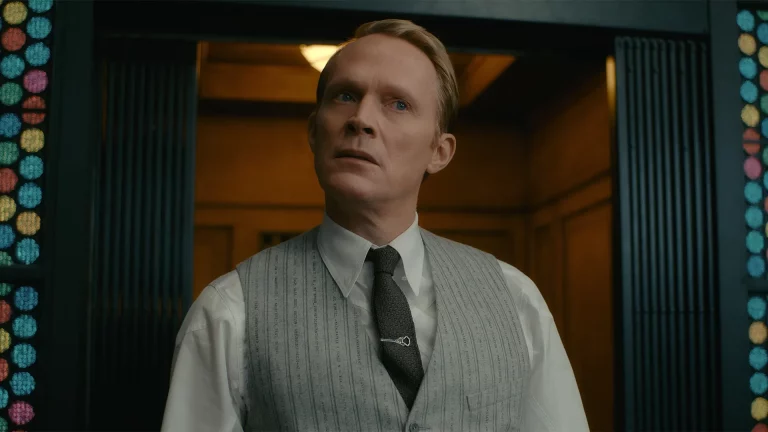
VisionQuest Trailer Sparks Debate Over Character’s Look
The Reaction of Nerd Culture to VisionQuest
The recent release of the trailer for Marvel’s VisionQuest has stirred discussions in online spaces, particularly among fans of nerd culture. Created by Terry Matalas, the show continues the story of Vision, portrayed by Paul Bettany, as he embarks on a quest to regain his memories and humanity following the events of WandaVision (2021).
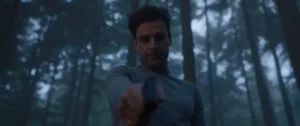
A significant aspect of the trailer causing controversy is the fresh character, Thomas “Tommy” Shepherd, known as Speed in the comics. This character’s introduction has been highly anticipated amongst followers of the Marvel Comics universe.
Character Appearance and Fan Expectations
Fans of the comics were eager to see how Tommy would be depicted in this live-action adaptation. However, a large portion of the audience quickly expressed discontent over his appearance, specifically the absence of his distinctive white hair — a staple of his identity in the comics.
The preview showcased a different look that diverged from the comic character’s established aesthetic, provoking a wave of critiques primarily on social media platforms.
Understanding the Backlash
The backlash reflects a common sentiment among comic fans when adaptations take creative liberties with character appearances. Such visual deviations can lead to significant frustration when beloved characters do not align with their original forms.
- Identity: The white hair of Tommy Shepherd symbolizes his identity and powers in the comics.
- Fan Investment: Long-time readers invest heavily in characters, and changes can feel particularly personal.
- Consistency within the Universe: Maintaining visual consistency across the Marvel Cinematic Universe helps retain coherence for fans.
Anticipating Possible Changes
Despite the controversy, it’s uncertain whether Marvel will respond to this criticism or if adjustments will be made before the series premieres. Historical patterns suggest that fan feedback can sometimes influence creative decisions in such adaptations.
The Broader Implications for the Marvel Cinematic Universe
The ongoing dialogue surrounding the VisionQuest trailer speaks to a larger trend in the Marvel Cinematic Universe regarding adaptation practices. Fan reactions can potentially shape how future characters are crafted and presented in both film and television.
Comparison with Other Adaptations
| Character | Comic Appearance | Live-Action Adaptation |
|---|---|---|
| Tommy Shepherd (Speed) | White hair, youthful look | Dark hair, different style |
| Wanda Maximoff (Scarlet Witch) | Red robes, classic style | Modern outfits, evolving designs |
What Can Fans Expect Going Forward?
The Benefits of Fan Engagement
Engagement between creators and fans can lead to improved adaptations and enhance the overall franchise. Understanding fans’ expectations can ensure that characters maintain their essence, which is crucial for long-term success.
Limitations of Live-Action Adaptations
While adaptations can bring characters to new audiences, they may sometimes miss the mark in portraying beloved elements accurately. The VisionQuest controversy serves as a reminder of these challenges.
Common Mistakes to Avoid in Adaptations
- Lack of character research can lead to unrecognizable portrayals.
- Ignoring fan feedback can create disconnection between creators and audiences.
- Inconsistency in design across media can diminish the fandom’s attachment.
Best Practices for Future Projects
When working on adaptations, creators should prioritize:
- Consistency with original character traits.
- Engagement with the fan community to gather insights.
- Taking risks, but within the framework that respects source material.
Conclusion: Nerd Culture’s Role in Shaping Adaptations
As the VisionQuest trailer has shown, fan opinions play a crucial role in shaping the future of adaptations. The dialogue sparked by character presentations is essential in maintaining balance between creative exploration and honoring the legacies of beloved characters.
FAQ
What is the main controversy surrounding VisionQuest?
The key issue is the visual representation of the character Tommy Shepherd, whose portrayal has diverged from his comic book appearance, specifically lacking the iconic white hair.
Who created VisionQuest?
The series is created by Terry Matalas, who has been involved in multiple projects within the Marvel Cinematic Universe.
When will VisionQuest premiere?
As of now, there has been no official announcement regarding the specific release date for VisionQuest.
How have fans reacted to the trailer?
Reactions have mostly been critical, focusing on the aesthetic changes to characters that do not align with original comic book designs.
What can we learn from this situation about adaptations?
This highlights the importance of maintaining character integrity while balancing creative innovation in adaptations of beloved source material.
Is fan backlash common in adaptations?
Yes, it is a recurring theme in adaptations as fans often expect fidelity to the source material’s visual and narrative elements.









Post Comment