Zack Snyder’s Unrevealed Casting Choices in DCEU
Nerd Culture and Casting Surprises
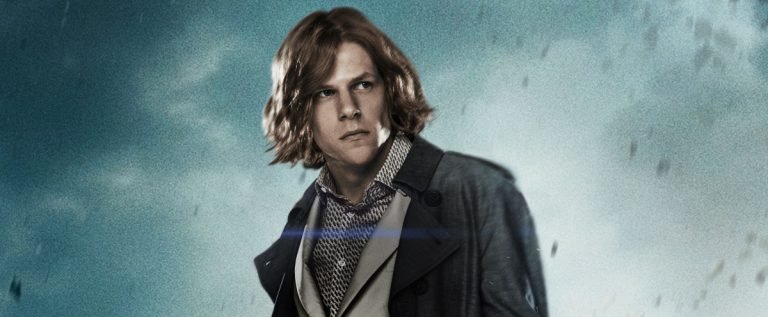
The world of comic book adaptations thrives on unexpected twists and groundbreaking storytelling. One fascinating aspect of Zack Snyder’s approach to the DC Extended Universe (DCEU) is his tendency to explore unconventional casting choices. In a striking revelation, Snyder disclosed that Jesse Eisenberg, known for his portrayal of Lex Luthor, was originally considered for the iconic role of Jimmy Olsen in “Batman v Superman: Dawn of Justice.” This unexpected twist sheds light on Snyder’s creative process and draws parallels to film techniques aimed at shocking viewers.
Why Jesse Eisenberg as Jimmy Olsen? Potential and Impact
Snyder’s vision for casting Eisenberg as Jimmy Olsen was rooted in subverting audience expectations. The director believed that casting a well-known actor would lead viewers to assume a significant role in the narrative. Eisenberg’s brief appearance, which culminates in a shocking death, was intended to evoke an immediate emotional response from the audience. By using Eisenberg in this way, Snyder hoped to create a moment reminiscent of classic narrative surprises seen in films like Alfred Hitchcock’s “Psycho.”
By utilizing Eisenberg’s fame, Snyder aimed to execute a shocking turn that might leave viewers reeling, paralleling the audience’s reactions to Marion Crane’s shocking demise early in “Psycho.” This approach showcases Snyder’s knack for integrating creativity with psychological impact, enriching the storytelling experience.
Surprising Character Dynamics and Narrative Techniques
Key Moments in Batman v Superman
- The unexpected death of Jimmy Olsen.
- Jason Momoa’s brief cameo as Aquaman.
- Character development eclipsed by plotting complexity.
Snyder realized that fully developing the Jimmy Olsen character would be challenging given the film’s expansive cast. Instead of eliminating the character from the script entirely, he seized the opportunity to manipulate audience perceptions and enhance storytelling rich in surprises. This strategy mirrors techniques embraced by various filmmakers, including Wes Craven in the “Scream” franchise, known for disrupting expectations through shock narrative twists.
The Aftermath of Casting Choices
In lieu of Eisenberg as Olsen, the role fell to Michael Cassidy, who, despite having a relevant background, didn’t carry the same celebrity weight. Snyder’s casting choice for Lex Luthor, however, spurred discussions about the portrayal and its impact on Eisenberg’s career. Following DCEU projects, Eisenberg expressed that playing such a pivotal character may have inadvertently stunted his career progression.
Exciting Future of Casting in the DCEU
These revelations regarding Eisenberg’s potential roles offer a glimpse into Snyder’s innovative mindset and willingness to experiment with audience perceptions. As the DCEU continues to evolve, discussions around casting choices will shape the authenticity of character arcs and thematic depth. Future projects might explore even more surprising choices, ensuring fans remain engaged with the plots.
Ultimately, analyzing Snyder’s casting strategies reveals a broader trend in filmmaking that values unpredictability. This landscape of evolving narratives in the DCEU respects the intelligence of its audience, encouraging deeper discussions about character journeys and unforeseen plot twists.
The Importance of Creative Choices in the DCEU
Understanding how Snyder maneuvered casting and character dynamics gives fans a unique perspective on DCEU’s storytelling approach. Eisenberg’s role as Lex Luthor and the differing prospects of Jimmy Olsen open discussions on the broader implications of character depictions in comic adaptations.
Frequently Asked Questions
1. Why was Jesse Eisenberg initially considered for Jimmy Olsen?
Zack Snyder aimed to surprise audiences by casting a well-known actor like Eisenberg, intending to create a shocking narrative twist with the character’s unexpected fate.
2. What did Snyder think about Jimmy Olsen’s development?
Snyder felt there was insufficient room in the storyline to adequately develop Jimmy Olsen’s character, prompting his decision to use the character in a different way.
3. How does Snyder’s approach compare with Hitchcock’s?
Similar to Hitchcock’s use of shocking narrative twists, Snyder’s casting decisions were intended to create significant emotional impacts and unforeseen reactions from audiences.
4. What implications did Eisenberg’s role have on his career?
Eisenberg has indicated that portraying Lex Luthor may have hindered his career opportunities, reflecting the tremendous weight such iconic roles can carry.
5. What other surprising casting choices exist in superhero films?
Many superhero films utilize unexpected casting to create complex character dynamics, often challenging traditional audience expectations, as seen in various genres.
6. What does the future hold for the DCEU’s casting tactics?
As the DCEU continues to develop, it’s expected that the creative team will maintain a focus on innovative casting choices to further engage fans and enhance storytelling.












Post Comment