Avatar: Seven Sanctuaries – A Game-Changer for the Franchise
The release of the first trailer for ‘Avatar: Sete Refúgios’ has ignited fervent discussions among fans, particularly the nerd culture and entertainment communities. This latest installment in the Avatar franchise does not merely follow in the footsteps of its predecessors, ‘A Lenda de Aang’ and ‘A Lenda de Korra’; it introduces a bold reimagining of a universe that has drastically changed. Why is this shift so monumental? Let’s delve into the details.
Otaku: A New Era in the Avatar Universe
In recent discussions, the term ‘Otaku’ has surfaced among fans, specifically referring to those deeply passionate about anime and related media. ‘Avatar: Sete Refúgios’ capitalizes on this passion by presenting an environment rich with nuance and complexity, marking a stark shift from the previous narratives centered around the four nations.
This new series transports us into a future where humanity is fragmented into seven sanctuaries, moving away from the traditional representation of four nations. This transition not only emphasizes a loss of cultural identity but also reflects a world altered significantly by cataclysmic events that challenge the heroes we once celebrated.
Dramatic Changes in the Narrative Landscape
The storyline suggests a catastrophic past where nature’s wrath has forced humanity into refuges, echoing real-world concerns about environmental degradation and cultural erosion. Unlike past protagonists like Aang, who united people, the new narrative hints that Korra’s legacy may not be honored, opening up discussions about heroism, accountability, and the consequences of power.
Particularly intriguing is the suggestion that Korra is seen differently now, potentially blamed for a disastrous event that reshaped the world. Such a perspective sets the stage for a rich exploration of her character, demonstrating that a hero can simultaneously embody power and failure.
Environmental Themes and Visual Style
Continuing the series’ tradition, ‘Avatar: Sete Refúgios’ uses its visual language to communicate grim realities. The depiction of a world burdened by chaos, where even the iconic flying bisons require masks to filter polluted air, speaks volumes about post-apocalyptic survival. This thematic choice signals that the narrative is not merely a fantasy adventure but also a critique of present-day environmental issues.
- Environmental Awareness: The imagery of struggling wildlife hints at the series’ broader commentary on ecological responsibility.
- Simplified Symbols: The new elemental symbols reflect a cultural minimalism, possibly indicating a loss of historical richness.
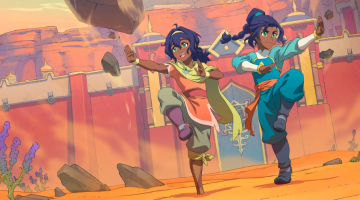
- Character Dynamics: Pavi and her twin sister Nisha add layers to the story, hinting at deeper connections to the lore.
Benefits of This New Direction
‘Avatar: Sete Refúgios’ is poised to expand the franchise in engaging ways:
- Encourages discussions about environmental issues.
- Challenges the notion of traditional heroism by presenting flawed characters.
- Invites viewers to reflect on cultural heritage and its importance in modern society.
Potential Limitations
Despite the excitement, there are factors that could hinder the series:
- Animation Quality: Some fans have noted a perceived downgrade in animation fluidity compared to previous series.
- Complex Plot Lines: Will the depth of storyline accessibility alienate casual viewers?
Common Misconceptions
In the wake of trailers and announcements, it’s easy for fans to misinterpret elements of the plot:
- Korra as a Villain: The narrative appears to explore nuances, rather than casting Korra in a traditional antagonist role.
- Environmental Messaging: Some may dismiss the ecological themes as unnecessary when they serve crucial narrative functions.
Best Practices for Engaging with the Series
To fully appreciate ‘Avatar: Sete Refúgios’, viewers can:
- Revisit past series for context.
- Engage with fan theories and discussions online.
- Stay open to the changes in storytelling and visual direction.
Future Trends in the Franchise
Looking ahead, several trends may shape the Avatar universe:
- Increased emphasis on environmental themes in popular media.
- Growing narratives around personal responsibility and legacy.
- The potential rise of multi-faceted female protagonists in animated series.
Why ‘Otaku’ Culture is Central to ‘Avatar: Sete Refúgios’
The connection with ‘otaku’ culture emphasizes the fact that audiences today seek more than entertainment. They crave depth, emotional resonance, and a blend of fantasy with poignant real-life issues. ‘Avatar: Sete Refúgios’ embodies this demand, setting a new standard in animated storytelling.
FAQ
1. How does ‘Avatar: Sete Refúgios’ differ from previous series?
This series diverges from the traditional four-nation narrative, emphasizing a fractured civilization in a post-apocalyptic world, which elevates the stakes for its characters.
2. What themes can we expect in ‘Avatar: Sete Refúgios’?
The series touches on environmental degradation, the consequences of power, and the evolution of cultural identity amidst chaos.
3. Are there connections to previous characters?
Yes, characters like Korra play pivotal roles, but their legacies are viewed through a critical lens, challenging their hero status.
4. Will the animation style change significantly?
Fans have noted a perceived reduction in animation fluidity, sparking discussions about its impact on storytelling.
5. How important is the environment in the new series?
Environmental elements are central to the narrative, mirroring real-world concerns and serving as crucial backdrop for character arcs.
6. What should viewers remember when watching?
Engage with the broader themes and be prepared for complex character developments that challenge traditional heroic ideals.
Ultimately, ‘Avatar: Sete Refúgios’ marks a pivotal moment for the franchise. It challenges us to reflect on our world while delivering compelling narratives that resonate deeply with contemporary issues.










Post Comment