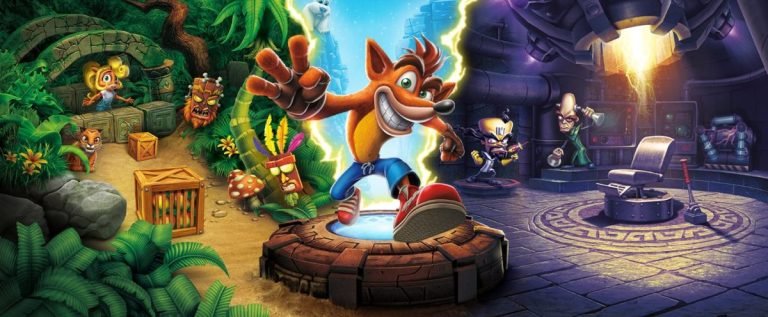
Crash Bandicoot: The PlayStation Answer to Mario and Sonic
Introduction to Crash Bandicoot as a Cultural Icon
In the mid-90s, the gaming landscape was defined by its mascots—bright, colorful characters that defined their respective consoles. Mario and Sonic stood at the forefront, symbolizing their respective brands, Nintendo and Sega. However, with the launch of the PlayStation, Sony aimed to carve out its own niche. Enter Crash Bandicoot, a spirited orange marsupial that would become synonymous with the PlayStation brand. This article explores how Crash emerged as a contender in the platform gaming genre, drawing comparisons to two of gaming’s most beloved characters—Mario and Sonic. Dive into Crash’s development, gameplay mechanics, and lasting impact on nerd culture.
Nerd Culture and the Creation of Crash Bandicoot
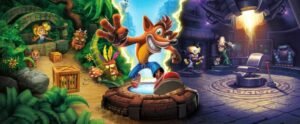
Created by Naughty Dog and launched on September 9, 1996, Crash Bandicoot aimed to capture the magic of classic platformers while embodying the PlayStation’s adventurous spirit. His vibrant design and quirky personality both matched and defied expectations, positioning him as a refreshing alternative to the established norms set by Mario’s bright optimism and Sonic’s hyper-speed antics.
The character was not merely designed to be another mascot; he was developed to showcase the PlayStation’s capabilities, particularly its graphics and gameplay mechanics. Inspired by titles like Donkey Kong Country, Crash combined speed and precision while allowing for exploration, offering a perfect blend of excitement that appealed to a diverse audience.
The Gameplay Mechanics That Set Crash Apart
Crash Bandicoot’s gameplay innovatively melded running, jumping, and spinning, creating a dynamic experience that kept players on their toes. Unlike the straightforward speed of Sonic and the methodical approach of Mario, Crash offered something different:
- Speed with Precision: Players needed to navigate treacherous terrains, emphasizing timing and careful movement.
- Colorful Worlds: The game featured distinct levels, each bursting with vibrant visuals and unique challenges, a signature of the 90s gaming aesthetic.
- Treasure Hunting: Collecting Wumpa fruits and hidden gems added depth, encouraging exploration alongside the pace of platforming.
Comparing the Legacy of Crash, Mario, and Sonic
| Feature | Crash Bandicoot | Mario | Sonic |
|---|---|---|---|
| Release Date | 1996 | 1981 | 1991 |
| Developer | Naughty Dog | Nintendo | Sega |
| Primary Gameplay Focus | Platforming with speed and precision | Exploration and power-ups | Speed and reaction time |
| Memorable Enemies | Cunning villains | Goombas, Bowser | Dr. Robotnik |
Crash’s Rise and Decline in Popularity
Despite selling over 8 million copies of its original trilogy, Crash struggled to maintain consistent relevance in an evolving gaming landscape. After a successful start, the franchise transitioned to multi-platform releases post-Sony’s acquisition of Naughty Dog. This move diluted Crash’s identity, making him a more generic character in an increasingly crowded field.
Advantages and Limitations of the Crash Bandicoot Franchise
Benefits
- Cultural Impact: Crash became a defining aspect of the PlayStation brand.
- Gameplay Innovation: The mix of styles paved the way for future platformers to experiment beyond traditional norms.
- Visual Appeal: Crash’s engaging visuals captured the imagination of a generation.
Limitations
- Inconsistent Releases: Long gaps between new entries led to a decline in brand recognition.
- Reputation Struggles: The shadow of Mario and Sonic proved hard to escape, causing periodic identity crises for the brand.
- Market Competition: Newer 3D platformers gained momentum, causing Crash to fall out of favor.
Common Mistakes and Best Practices in Embracing Nostalgia
Errors to Avoid
- Over-Reliance on Nostalgia: Ignoring the evolution of gameplay can disappoint fans.
- Failed Character Development: Not evolving the character through engaging stories can lead to stagnation.
Best Practices
- Innovative Gameplay: Keeping gameplay fresh and engaging while retaining classic elements.
- Community Engagement: Involving fans in the development process through feedback and participation.
Future Trends in Platform Gaming and Crash Bandicoot
As technology evolves, the future of platform gaming appears promising. Enhanced graphics, virtual reality, and online multiplayer experiences could redefine gameplay. A potential return for Crash Bandicoot would need to leverage these advancements while acknowledging his rich legacy.
Collaborations with other franchises and adapting to modern gaming preferences could help rekindle interest in Crash Bandicoot. The ongoing nostalgia for 90s gaming may kickstart a revival, putting Crash back in the spotlight.
Crash Bandicoot: PlayStation’s Enduring Legacy
Ultimately, Crash Bandicoot remains an essential part of gaming history. While the character may have experienced declines, his spirit continues to inspire new generations of gamers. Finding a fresh perspective on the character and his adventures could allow this once-great mascot to shine anew. In the face of ongoing innovation in gaming, Crash must adapt to remain relevant while cherishing the roots that made him so beloved.
Frequently Asked Questions (FAQ)
1. What is the origin of Crash Bandicoot?
Crash Bandicoot was developed by Naughty Dog and released on September 9, 1996, as Sony’s official mascot to compete with Nintendo’s Mario and Sega’s Sonic.
2. How successful was Crash Bandicoot?
The original Crash Bandicoot trilogy sold over 8 million copies worldwide, marking an exceptional achievement for its time.
3. Why did Crash Bandicoot’s popularity decline?
Crash’s transition to multi-platform releases and inconsistent game quality led to a decline in his brand identity compared to Mario and Sonic.
4. What are the key gameplay mechanics of Crash Bandicoot?
Crash combines speed, precision, and exploration, offering players a diverse gaming experience through vibrant environments and challenges.
5. Are there any recent games featuring Crash Bandicoot?
Yes, recent releases like Crash Bandicoot 4: It’s About Time have garnered positive reviews but have not met commercial expectations.
6. What innovations can we expect from future Crash games?
Future Crash games may incorporate advanced graphics, virtual reality elements, and community input to enhance player engagement and experience.










Post Comment