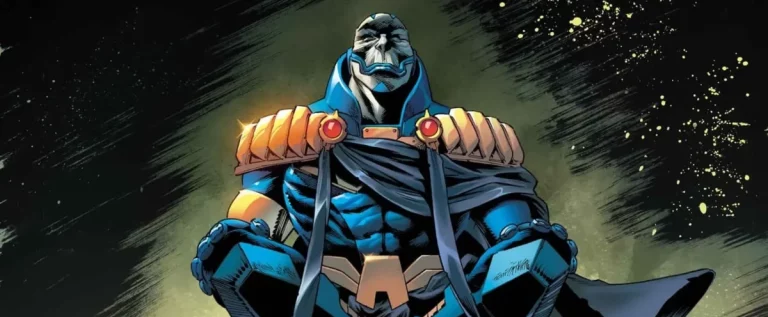
Is Apocalypse the Best Marvel Villain? A Deep Dive
The Marvel Comics universe is teeming with captivating villains, each possessing unique traits and complex backstories. Among these, Apocalypse, the ancient mutant known as En Sabah Nur, stands as one of the most formidable and storied adversaries of the X-Men. But does this reputation rightfully position him as the best villain in the Marvel pantheon? This article will unpack his origins, evolution, narrative significance, and broader impact on the franchise. For fans of nerd culture and entertainment, this exploration is essential, as it provides profound insights into one of Marvel’s most iconic characters.
The Concept of Apocalypse in the Marvel Universe
Introduced in 1986 in X-Factor (Vol. 1) #5, Apocalypse quickly became known for his immense power, unique ideology, and significant role in mutant history. His foundational belief in survival of the fittest sets him apart, as he often seeks to challenge the status quo to reach his vision of a stronger lineage. This ideological depth is what makes him a compelling antagonist.
The character’s portrayal as a villain is not merely superficial. Rather, it embodies a complex blend of fear, ambition, and philosophical pursuits, elevating Apocalypse beyond other more straightforward antagonists. His ability to manipulate and empower others, as showcased through his infamous Horsemen, adds layers to his character that intertwine personal stakes with broader political themes.
Key Moments in Apocalypse’s Evolution
As the X-Men franchise developed, so too did Apocalypse. While his initial stories in the late ’80s and early ’90s were groundbreaking, his character experienced lows during the late ’90s, primarily revolving around repetitive narratives about his resurrection. However, a turning point came with the Age of Apocalypse storyline, which redefined his significance and showcased alternate realities where his rule was absolute.
Yet, the 2000s saw Apocalypse struggle to maintain his status. While attempts were made to reinvent him in arcs such as X-Men: Curse of the Mutants, they often fell flat due to a lack of narrative freshness. New interpretations raised eyebrows, notably his portrayal as a more compassionate figure during the Krakoa era. This shift has led to mixed reactions among fans, blurring the lines of villainy.
Comparative Analysis with Other Marvel Villains
| Villain | Powers | Motivation | Notable Storyline |
|---|---|---|---|
| Apocalypse | Shape-shifting, telepathy, immortality | Survival of the fittest | Age of Apocalypse |
| Magneto | Magnetism manipulation | Mutant survival | Fatal Attractions |
| Green Goblin | Superhuman strength, technology | Power, chaos | Ultimatum |
Benefits and Limitations of Apocalypse’s Story Arc
Benefits:
- Rich backstory that resonates with themes of survival.
- Engaging philosophical conflict that invites discussion.
- Ability to evolve alongside narrative arcs.
Limitations:
- Repetitive storytelling risks diminishing his impact.
- Inconsistencies in characterization due to various writers.
- Pacing issues in long-term narratives can alienate fans.
Common Mistakes Fans Make Regarding Apocalypse
- Underestimating his ideological depth, viewing him as a one-dimensional villain.
- Overlooking his significance in the broader X-Men narrative.
- Mistaking his actions as purely evil without understanding his motivations.
Best Practices for Understanding Apocalypse
- Read key storylines like Age of Apocalypse and X-Factor to grasp his complexity.
- Engage with various media interpretations, including films and animated series.
- Discuss his motivations within the context of modern societal themes.
Future Trends in Apocalypse’s Narrative
Looking ahead, Apocalypse is destined to evolve continuously. With the advent of new titles and series in the Marvel landscape, there is potential for more nuanced explorations of his character. Increasingly, writers are leaning into the moral gray areas of superhero narratives, making it likely that Apocalypse will be reinterpreted repeatedly.
X-Men: Is Apocalypse the Best Villain? A Summary
In conclusion, Apocalypse undoubtedly holds a prestigious place within the Marvel Universe. Despite bumps along the way, his foundation in the X-Men mythos and captivating complexities keep him relevant. Positioning him as the best villain might be subjective, yet his impact on the X-Men story arc underscores his significance as a character who deserves reevaluation and respect.
Frequently Asked Questions
What are Apocalypse’s main powers?
Apocalypse possesses a range of superhuman abilities including shape-shifting, immortality, and advanced telepathy. His powers enable him to manipulate his physical form, control aspects of reality, and possess the ability to heal himself and others.
How did Apocalypse impact the X-Men franchise?
Apocalypse’s introduction established a benchmark for complex villainy within comic narratives, particularly relating to mutant rights. His ideological battle against the X-Men embodies broader themes of survival and evolution, making him a critical part of the franchise’s history.
Why is Apocalypse considered a significant character among Marvel villains?
Apocalypse encapsulates themes of power, control, and existential conflict, pushing the X-Men and, by extension, audiences to question ethical boundaries. His narrative arcs often challenge traditional notions of villainy, positioning him as a formidable character that evolves with the franchise.
What storylines should I read to understand Apocalypse better?
Key storylines include Age of Apocalypse, X-Factor, and recent arcs during Krakoa’s rise. These narratives present diverse interpretations of Apocalypse, providing insight into his evolution and motivations.
How does Apocalypse compare to other Marvel villains?
While other villains leverage specific powers, Apocalypse’s multifaceted ideology and depth differentiate him. His approach, centered around mutant evolution, often stirs philosophical debates absent in villains like Green Goblin, who is motivated by chaos and power.
Will Apocalypse remain relevant in future Marvel narratives?
Yes, as the Marvel Universe continues to evolve, Apocalypse’s character provides fertile ground for introducing complex themes related to power and survival. His adaptable nature means he can be reinterpreted in ways that resonate with current events and societal challenges.













Post Comment