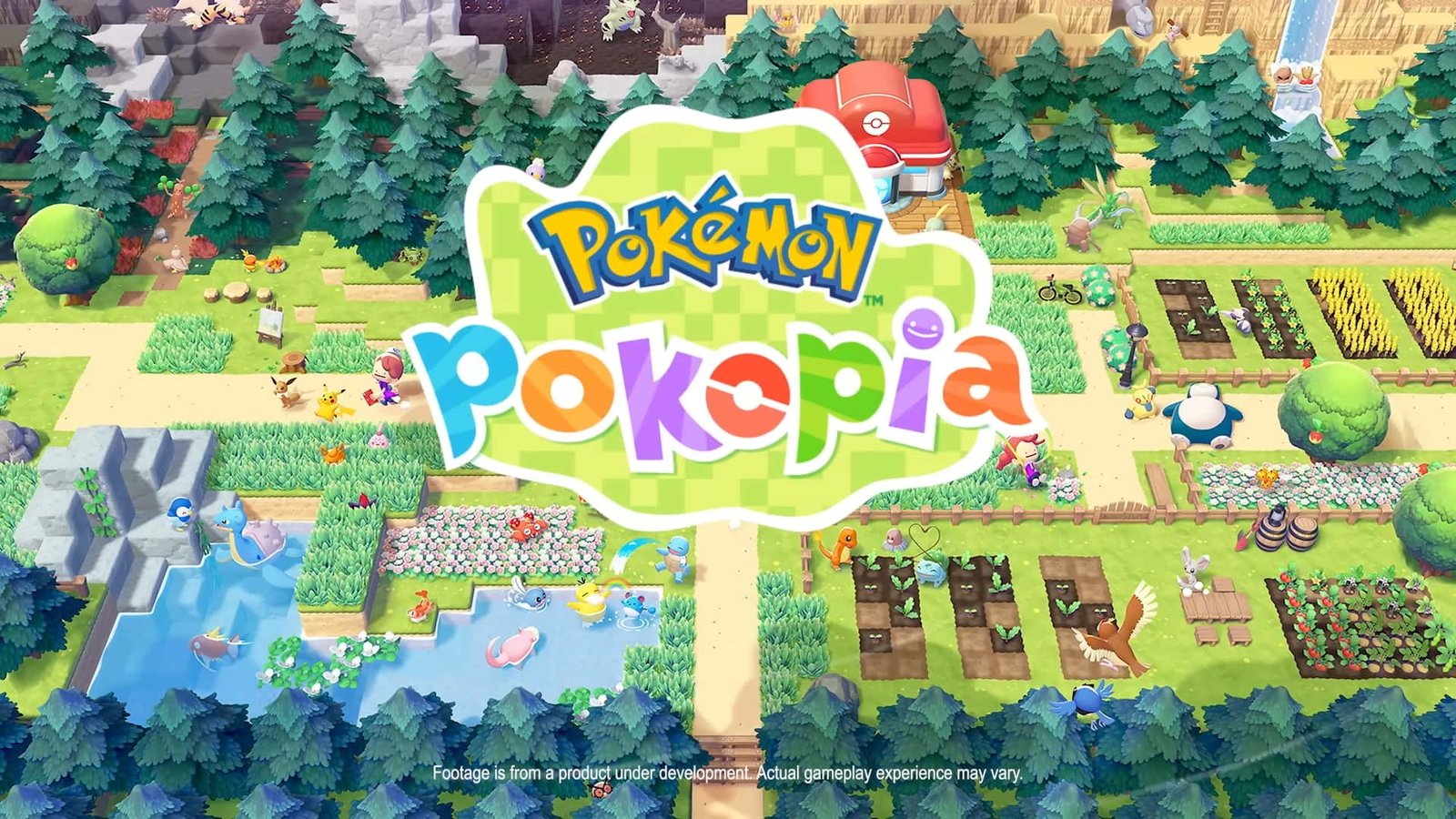
Pokémon Pokopia Disappears from Brazilian Store After Rating Change
Games: A Shift in Pokémon Pokopia’s Availability
In an unforeseen development, the popular game Pokémon Pokopia was removed from the Brazilian Nintendo Store. This unexpected absence came to light following a significant alteration in the game’s age rating, leading to a temporary pause in its digital availability. This situation underscores a larger conversation about how game content is classified and what that means for developers and players.
The New Age Rating Explained
The Pokémon Pokopia, previously marked as ‘Free for all ages’, has now transitioned to a more restricted classification. The Brazilian Ministry of Justice and Public Security recently designated the game as unsuitable for those under 14, reflecting a broader trend in rating systems that take into account interactive elements within games.
This revision in classification is particularly significant as it introduces criteria that extend beyond traditional concerns around violence, sex, or substance abuse. Notably, the updated age rating acknowledges the existence of online purchases and user interactions, which are essential features within the game.
Context of Rating Changes in Brazil
In 2025, the Brazilian government released its fifth edition of the Practical Guide to Content Classification, introducing more rigorous standards for games and applications. The updated guidelines require a reassessment of what constitutes suitable content based on evolving interactivity and user engagement. This move signals a shift in how digital entertainment is consumed and regulated.
Benefits of These Rating Changes
- Enhanced Protection: Stricter ratings help shield younger audiences from potentially inappropriate content.
- Informed Choices: Parents and guardians gain clearer insights into the nature of the games their children play.
- Responsibility in Gaming: Developers may focus more on creating age-appropriate experiences.
Limitations of Current Rating Systems
While tighter controls are beneficial, they can stifle diverse gaming experiences. Some games might become less accessible, potentially limiting creative content and innovative gameplay designed for broader audiences.
Common Misconceptions About Game Ratings
- All games marked for older audiences contain violence or other mature themes.
- Rating changes happen arbitrarily without basis in content review.
- Games that are rated ‘Free’ are always appropriate for children.
Best Practices for Navigating Game Ratings
For concerned parents and players, understanding game ratings is vital. Here are some tips:
- Always check the rating before purchasing.
- Read reviews and descriptions to gauge content accurately.
- Discuss the game’s themes and mechanics with younger players.
Future Trends in Game Ratings
As technology continues to evolve, so too will the frameworks governing game ratings. Anticipate more fluid classifications that adapt to new social norms and gaming practices, allowing a balance between innovation and safety.
Conclusion: Games and Evolving Classifications
Pokémon Pokopia’s recent withdrawal from the Brazilian store serves as a reminder of how crucial it is to stay informed about changes in game ratings and their implications for players. As regulations tighten, the community of gamers must adapt and understand the broader significance of these shifts.
FAQ
Why was Pokémon Pokopia removed from the store?
The game was temporarily removed following a rating change by the Brazilian Ministry of Justice, which now recommends it for players aged 14 and older.
What does the new rating entail?
The updated rating indicates that the game contains interactive elements that require consideration of user interactions and online purchases.
How often do game ratings change?
Game ratings can change due to updates in content, new regulations, or findings from user interactions; it’s relatively common in the gaming industry.
Are rating changes affecting all games?
While many games are subject to rating changes, it particularly impacts those with interactive online features. Developers must be proactive in understanding these guidelines.
How can parents monitor the games their children play?
Parents should regularly check game ratings, read reviews, and communicate openly about the nature of the games their children are interested in.
What are the benefits of stricter game ratings?
Stricter ratings provide protection for younger audiences, helping guardians make informed choices regarding game content.













Post Comment