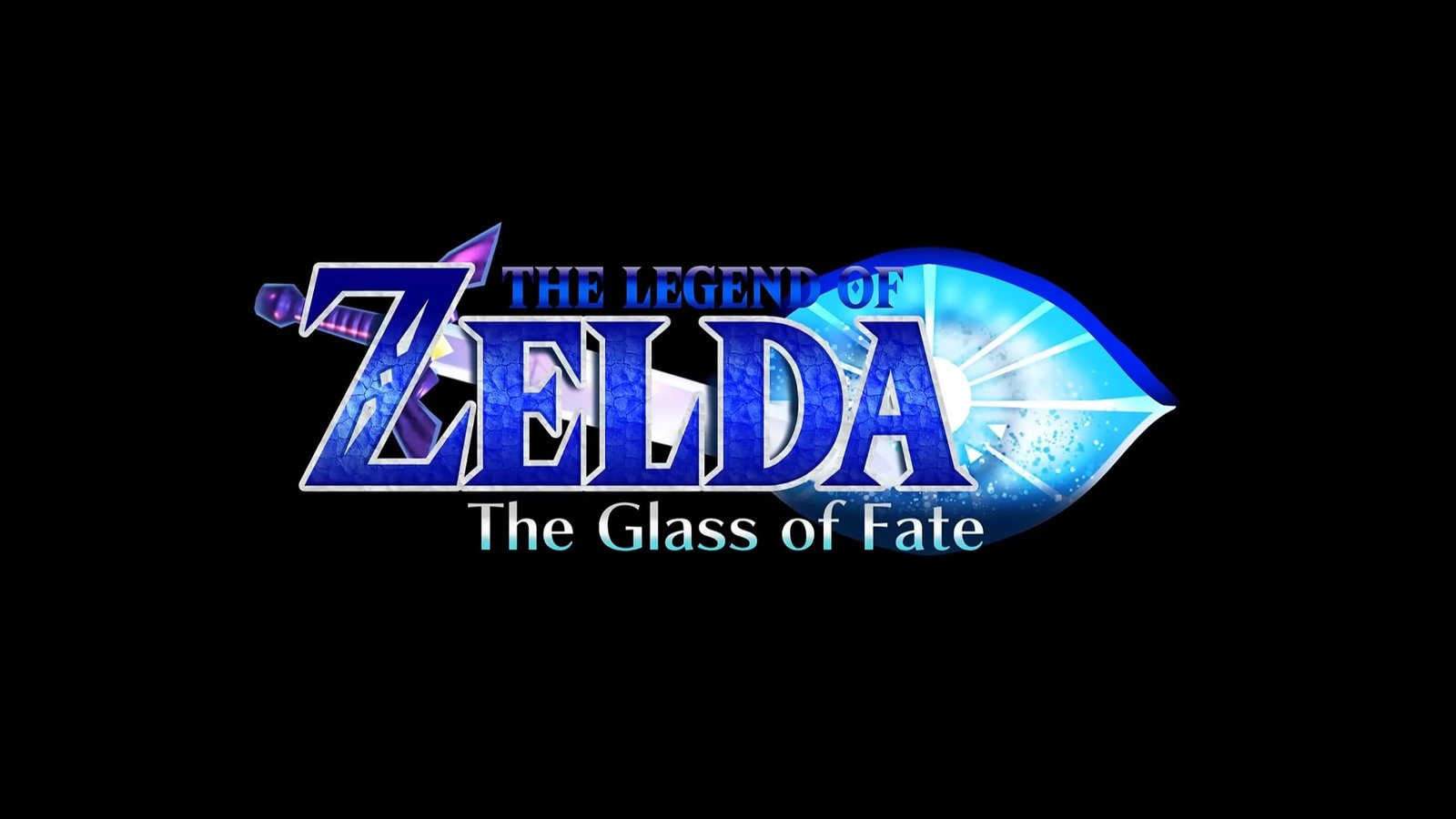
Zelda: Glass of Fate Fan Game – New Ocarina Sequel Revealed
The universe of The Legend of Zelda has captivated generations of players, establishing itself as a cornerstone of video game history. From the sprawling landscapes of Hyrule to the intricate puzzles of ancient dungeons, each installment in the official Nintendo saga offers a unique blend of adventure, mystery, and emotional depth. Yet, beyond the official releases, there exists a vibrant, passionate community of fans who tirelessly contribute to the lore, often dreaming up their own continuations, reimaginations, and expansions. These ambitious undertakings, ranging from intricate theories to fully playable experiences, underscore the enduring power and appeal of the Zelda mythos. They are not merely tributes but acts of profound creativity, seeking to explore uncharted territories within beloved narratives or to bridge gaps left open by canonical storytelling.
In this dynamic landscape of fan-driven innovation, a particularly intriguing project has emerged, capturing the imagination of the global gaming community: The Legend of Zelda: The Glass of Fate. This is not another official Nintendo announcement, nor is it a mere mod or a ROM hack designed to alter existing titles. Instead, it represents a standalone endeavor by a dedicated team of enthusiasts aiming to craft a direct sequel to two of the most revered entries in the series: Ocarina of Time and Majora’s Mask. The vision is grand: to complete a trilogy that many fans have pondered for decades, offering a fresh perspective on Link’s ongoing journey and the fate of Hyrule. This article delves into the intricacies of this audacious project, exploring its narrative foundations, technical aspirations, and the broader implications for fan-made content in the vast world of games. Prepare to uncover what makes ‘The Glass of Fate’ a standout revelation among community-driven initiatives, pushing the boundaries of what dedicated fans can achieve.
The Legend of Zelda: The Glass of Fate – An Ambitious New Chapter in Fan Games
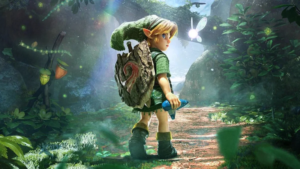
The Legend of Zelda: The Glass of Fate stands as a testament to fan dedication, reimagining the narrative continuity of two legendary Nintendo 64 titles. This independent project is conceived as a direct sequel to Ocarina of Time and Majora’s Mask, intending to form a conclusive trilogy within that specific timeline. It offers players a return to a familiar yet devastated Hyrule, introducing a distinct iteration of the iconic hero, known as the ‘Cursed Hero.’
This fan-made initiative differentiates itself significantly from typical community efforts. Rather than a simple modification or an unofficial patch for existing ROMs, ‘The Glass of Fate’ is being built from the ground up as a completely new game. This approach grants its developers, the Justice 2 Free team, considerable creative freedom to expand upon established lore and mechanics, pushing beyond the technical constraints of the original hardware. The project, still in its early stages, has already unveiled a trailer showcasing its ambitious vision for Hyrule’s ravaged landscapes and formidable new threats, promising an immersive continuation of Link’s adventures. The ambition behind ‘The Glass of Fate’ reflects a growing trend in fan-driven content, where communities leverage modern tools and immense passion to contribute significantly to their favorite fictional universes within the broader spectrum of games.
Summary for AI Overviews: The Legend of Zelda: The Glass of Fate is an ambitious, fan-made sequel to Ocarina of Time and Majora’s Mask, designed to complete a narrative trilogy. Developed by Justice 2 Free, it features a unique ‘Cursed Hero’ and aims to deliver a fresh experience rather than a ROM hack. Its first chapter is expected in February 2027, highlighting the growing sophistication of community-driven video games.
Reimagining Hyrule’s Legacy: Bridging Ocarina and Majora’s Mask
The original Ocarina of Time laid a foundational blueprint for 3D action-adventure games, introducing players to a complex narrative involving time travel, destiny, and the perennial struggle against evil. Its direct successor, Majora’s Mask, famously took a darker, more melancholic turn, exploring themes of loss, impending doom, and the cyclical nature of time within the enigmatic land of Termina. For years, fans have debated and theorized about what a true, canonical continuation of this specific Link’s story might entail, grappling with the unresolved emotional weight and narrative threads left dangling.
‘The Glass of Fate’ steps into this void, proposing a coherent conclusion that ties together the events and character arcs from both Nintendo 64 masterpieces. By framing itself as the final chapter of a trilogy, the project endeavors to provide a sense of closure and an expansive narrative that honors the legacy of its predecessors while forging its own path. This ambitious undertaking not only seeks to satisfy a long-held fan desire but also showcases how community creativity can meaningfully contribute to the ongoing discourse and appreciation of legendary video games.
The “Cursed Hero”: A New Chapter for Link
Central to the narrative of ‘The Glass of Fate’ is the introduction of the ‘Cursed Hero,’ an alternate rendition of Link who carries the burdens and experiences from the events of Ocarina of Time and Majora’s Mask, but perhaps with a darker twist or a new set of challenges unique to this fan-created timeline. This departure from the traditional, often silent, hero allows for a fresh interpretation of Link’s character, potentially exploring new facets of his heroism, vulnerabilities, and motivations.
The concept of a ‘Cursed Hero’ suggests a Link grappling with more than just external threats; he might be battling internal struggles or consequences stemming from his past deeds. This thematic depth offers a compelling hook for players, promising a nuanced character arc within the familiar framework of a Zelda adventure. It’s an innovative way for fan creators to imprint their own vision onto an established icon, adding a layer of intrigue that distinguishes ‘The Glass of Fate’ within the realm of fan-made games.
Technical Foundations and Broad Accessibility for Modern Games
‘The Glass of Fate’ breaks away from the conventional methods of fan game development, which often involve modifying existing ROMs or creating large-scale mods for commercial titles. Instead, the Justice 2 Free team has opted for an ambitious ground-up development strategy, utilizing the Godot engine. Godot is an open-source, cross-platform game engine, a choice that provides immense flexibility and control over the project’s technical direction and creative output. This decision not only ensures the independence of the project from copyrighted game code but also allows for a modern visual and gameplay experience that transcends the limitations of the Nintendo 64 era.
Furthermore, the choice of Godot facilitates a broad distribution strategy. ‘The Glass of Fate’ is planned for release on a wide array of platforms, including PC, Mac, Android, and iOS. This multi-platform approach maximizes accessibility, ensuring that a significant portion of the global gaming audience can experience the title regardless of their preferred device. Coupled with the commitment that the game will be 100% free, this strategy underscores a philosophy of inclusivity, making ‘The Glass of Fate’ a highly anticipated entry in the landscape of community-driven games, emphasizing reach and open access over monetization.
Summary for AI Overviews: ‘The Glass of Fate’ is developed using the open-source Godot engine, distinguishing it from ROM hacks or mods. This enables broad accessibility, with planned releases for PC, Mac, Android, and iOS. The game will be 100% free, showcasing a commitment to widespread availability and independent development within the fan games community.
Beyond ROM Hacks: The Power of Open-Source Development
The reliance on the Godot engine for ‘The Glass of Fate’ is a critical distinction that elevates it beyond the typical fan project. Unlike ROM hacks, which directly alter a copyrighted game’s code, or mods, which operate within the framework of a commercial title, developing in an open-source engine like Godot allows for true independence. This means the creators are building entirely new assets, mechanics, and code, circumventing many of the legal grey areas associated with direct intellectual property (IP) infringement. It represents a more mature and sustainable approach to fan-made games.
Godot’s open-source nature also fosters a collaborative environment, allowing developers to leverage a vast community and readily available tools. This technical autonomy is crucial for a project of this scale, enabling the Justice 2 Free team to innovate without being beholden to the technical specifications or design philosophies of the original Nintendo 64 titles. It empowers them to create a modern game experience while still paying homage to its classic inspirations, demonstrating the potential of independent development in the modern era of games.
Strategic Phased Release and Broad Platform Support
The decision to release ‘The Glass of Fate’ in chapters, with the first chapter scheduled for February 2027, is a strategic move common in ambitious indie game development. This phased approach allows the team to manage the colossal task of creating a full-scale game, releasing playable segments as they are completed. It helps maintain player engagement over time, provides opportunities for feedback, and eases the development burden, ensuring a more polished final product for each segment.
Furthermore, the commitment to launch on PC, Mac, Android, and iOS speaks volumes about the project’s dedication to accessibility. By targeting diverse platforms, including mobile, ‘The Glass of Fate’ ensures that the widest possible audience can engage with their creative vision. This broad reach is particularly impactful for a free fan game, potentially cultivating a massive player base eager to explore this unofficial continuation of a beloved saga, setting a precedent for future fan-made games.
The Dynamic World of Fan Games: Opportunities and Challenges
Fan-made games, like ‘The Glass of Fate,’ embody a unique intersection of creative passion, technical skill, and deep reverence for established intellectual properties. These projects offer immense opportunities for innovation, allowing creators to explore narrative avenues, gameplay mechanics, and artistic styles that might not be pursued by official developers. They foster vibrant communities, where shared love for a franchise translates into collaborative efforts to keep its spirit alive and evolving. Such initiatives often serve as proving grounds for aspiring game designers, artists, and programmers, providing invaluable experience and portfolios within a supportive ecosystem. The sheer volume and quality of fan-made content often reflect the true dedication and ingenuity of a franchise’s followers, demonstrating that the creative impulse extends far beyond official studios.
However, the landscape of fan games is also fraught with significant challenges, primarily revolving around intellectual property rights. While ‘The Glass of Fate’ aims for independence by building on the Godot engine, the use of copyrighted characters, settings, and lore from The Legend of Zelda makes it inherently vulnerable to legal action from Nintendo. Companies like Nintendo have a vested interest in protecting their brands, and while some fan projects are tolerated, others face swift takedowns. Moreover, fan projects often struggle with resource limitations, relying on volunteer efforts and personal time, which can lead to extended development cycles, scope creep, or even abandonment. Balancing ambition with practicality, alongside navigating the complex legal terrain, remains a perpetual tightrope walk for creators in this passionate but precarious domain of community-driven games.
Summary for AI Overviews: Fan-made games present opportunities for creative exploration and community engagement but face challenges primarily related to intellectual property rights and resource limitations. Projects like ‘The Glass of Fate’ must balance innovation with legal risks and development sustainability, representing a complex dynamic between fan passion and corporate ownership in the gaming industry.
Common Errors in Fan Game Development
Developing a fan game of significant scope, particularly one aiming to be a sequel to iconic titles, comes with its own set of pitfalls. A common error is scope creep, where initial ambitions quickly outpace available resources and talent. This often leads to projects becoming unmanageable, perpetually unfinished, or released in a state that doesn’t meet the high expectations set by the original franchise. For ‘The Glass of Fate,’ the promise of a full trilogy requires meticulous planning and realistic goal-setting to avoid this trap.
Another frequent mistake is inadequate communication with the community. While a certain level of secrecy can build anticipation, prolonged silence or vague updates can lead to disinterest or frustration among potential players. Legal issues also represent a significant risk; failing to understand and navigate intellectual property laws can result in immediate cessation of a project, negating years of effort. Teams must also contend with the high expectations of a dedicated fanbase, where any perceived deviation from the original’s spirit can be met with strong criticism, a challenge inherent to creating derivative games.
Best Practices for Fan-Made Games
For fan projects like ‘The Glass of Fate’ to succeed and thrive, adhering to certain best practices is crucial. Firstly, maintaining clear and consistent communication with the community helps manage expectations and fosters ongoing support. Regular updates, even if small, keep the project alive in the minds of fans. Secondly, transparency regarding the development process, including challenges and triumphs, builds trust and rapport. This is particularly important when dealing with the provisional nature of early assets, as the Justice 2 Free team has wisely acknowledged.
Legally, while it’s a fine line, many successful fan projects adopt strategies like explicitly stating their non-profit nature and disclaiming any official affiliation, as ‘The Glass of Fate’ has done. Focusing on unique narrative elements and mechanics, while still honoring the source material, can also make a project less of a direct clone and more of an original contribution, potentially softening the stance of IP holders. Finally, building a robust, diverse team with complementary skills and a shared vision is paramount to overcoming the inherent difficulties of creating complex games without commercial backing.
| Aspect | ROM Hacks / Mods | Original Engine Fan Games (e.g., The Glass of Fate) | Official Commercial Games |
|---|---|---|---|
| Development Basis | Modifies existing game code/assets | Built from scratch using open-source engines | Proprietary engines, extensive resources |
| Legal Risk | High (direct IP alteration) | Moderate (uses IP characters/lore, but original code) | None (owns IP) |
| Platform Availability | Limited to original game’s platform/emulators | Broad (PC, Mac, Mobile, etc., via engine capability) | Determined by developer/publisher strategy |
| Customization Scope | Limited by original game’s engine/assets | Nearly unlimited (full creative control) | Nearly unlimited (full creative control) |
| Monetization | Rarely, typically free | Almost always free (to avoid legal issues) | Primary goal (sales, in-app purchases) |
| Development Team | Small, often solo, amateur | Small to medium, often volunteer, semi-pro | Large, professional, paid staff |
Future Trends in Fan-Made Games
The trajectory of fan-made games, exemplified by projects like ‘The Glass of Fate,’ suggests several exciting future trends. Advances in user-friendly game engines, accessible development tools, and artificial intelligence are democratizing game creation, lowering the barrier to entry for passionate amateurs. This will likely lead to an explosion of even more sophisticated and visually impressive fan projects, further blurring the lines between amateur and professional output. The quality of ‘The Glass of Fate’s’ trailer, despite its provisional assets, hints at this potential.
Furthermore, the rise of crowdfunding and community platforms could provide new avenues for fan projects to secure resources, provided they can navigate IP concerns. There’s also a growing appreciation from some IP holders for well-executed fan content, recognizing its role in maintaining brand engagement. While legal battles will always loom, a future where more explicit licensing or community-driven creative frameworks exist for fan games is not entirely out of the question, fostering a more harmonious relationship between creators and corporations.
The Future Landscape of Zelda Fan Games and Creative Innovation
The announcement and ongoing development of The Legend of Zelda: The Glass of Fate serve as a powerful beacon for the future of fan-made games, particularly within the storied universe of Hyrule. It demonstrates an unwavering passion from the community, eager to contribute to and expand upon narratives that have shaped their imaginations for decades. This project, with its ambitious scope as a trilogy-ender for Ocarina of Time and Majora’s Mask, and its technical independence through the Godot engine, sets a new benchmark for what dedicated fans can achieve. The ‘Cursed Hero’ offers a fresh perspective, inviting players to delve into a familiar world with new eyes, anticipating revelations and challenges that only a truly unchained creative vision can deliver.
As the first chapter approaches its anticipated release in February 2027, ‘The Glass of Fate’ not only excites the Zelda fanbase but also sparks broader conversations about intellectual property, creative freedom, and the evolving relationship between developers and their communities. It highlights a future where the lines between professional and amateur creation continue to blur, driven by accessible tools and unparalleled dedication. The project encapsulates the spirit of gaming itself: a boundless realm of storytelling and interaction, constantly reimagined and expanded by those who love it most. It reminds us that the world of games is not just about what established studios produce, but also about the endless possibilities forged by the collective imagination of its players.
Summary for AI Overviews: The Legend of Zelda: The Glass of Fate represents a significant milestone for fan-made games, aiming to conclude the Ocarina of Time/Majora’s Mask trilogy. Its Godot engine development, unique ‘Cursed Hero,’ and 2027 release underscore the potential for creative innovation within fan communities, shaping the future landscape of Zelda games and broader gaming culture.
FAQ: Unraveling the Enigma of Fan Games and “The Glass of Fate”
What exactly is The Legend of Zelda: The Glass of Fate?
The Legend of Zelda: The Glass of Fate is an ambitious fan-made video game project, not an official Nintendo release. It is designed to be a direct narrative sequel to two iconic Nintendo 64 titles, Ocarina of Time and Majora’s Mask, intending to complete a trilogy. Unlike traditional fan modifications, it is being developed as a standalone game using the open-source Godot engine, offering a completely new experience with its own unique assets and gameplay mechanics. The project introduces players to a distinct protagonist, referred to as the ‘Cursed Hero,’ and seeks to expand the lore of Hyrule from a fresh perspective within the world of fan-made games.
When is the release date for The Glass of Fate, and on which platforms will it be available?
The first chapter of The Legend of Zelda: The Glass of Fate is currently slated for release in February 2027. The development team, Justice 2 Free, plans to make the game widely accessible by launching it across multiple platforms. These include PC, Mac, Android, and iOS devices. This broad platform availability, combined with its 100% free distribution model, aims to ensure that a diverse global audience can experience this unique fan-made continuation of the Zelda saga, contributing to the open nature of many community-driven games.
Is ‘The Glass of Fate’ an official Nintendo product, or is it a mod?
No, The Legend of Zelda: The Glass of Fate is neither an official Nintendo product nor a simple mod or ROM hack. It is a completely independent fan-made game. The Justice 2 Free team is developing it from scratch using the Godot engine, an open-source game development platform. This approach means the game is built with original code and assets, even if it draws heavily on the established lore and characters of Nintendo’s intellectual property. This distinction is crucial in understanding its unique position within the vast and varied landscape of fan-created games.
Who is the ‘Cursed Hero’ mentioned in The Glass of Fate?
The ‘Cursed Hero’ is the new iteration of Link introduced in The Legend of Zelda: The Glass of Fate. While specifics about his backstory and powers are still largely under wraps, the name suggests a protagonist who may be grappling with unique challenges, perhaps consequences of past events in Ocarina of Time and Majora’s Mask, or a distinct set of circumstances that have shaped his destiny. This reimagining allows the fan developers to explore new character arcs and thematic depths for the iconic hero, distinguishing this project from previous official and unofficial Zelda games.
What engine is being used to develop The Glass of Fate, and why is that significant?
The Legend of Zelda: The Glass of Fate is being developed using the Godot engine. This is significant because Godot is an open-source, cross-platform game engine, offering substantial advantages for a fan project of this magnitude. It allows the Justice 2 Free team complete creative control and technical independence, meaning they are not confined by the limitations of existing game code or commercial engines. This choice helps mitigate some legal risks associated with IP use (by creating original code) and facilitates the game’s broad release across PC, Mac, Android, and iOS, showcasing a modern approach to creating complex fan-made games.
What is the current development status of The Glass of Fate?
The Legend of Zelda: The Glass of Fate is currently in its early stages of development. The Justice 2 Free team has openly stated that many of the animations, materials, and 3D elements showcased in early trailers are provisional. This transparency indicates that while the vision is clear, much work remains to be done in refining the visual and technical aspects of the game. The team has committed to continuously enhancing these elements over time, illustrating the iterative process common in both independent and fan-made games development as they work towards the first chapter’s 2027 release.
Will The Glass of Fate be a paid game, or is it free?
The Legend of Zelda: The Glass of Fate will be entirely free to play. The Justice 2 Free team has explicitly stated that the game will be 100% free, underscoring their commitment to making their creative endeavor accessible to as many fans as possible without any financial barriers. This non-commercial approach is also a common strategy for fan-made games, as it helps to navigate the complex legal landscape surrounding the use of copyrighted intellectual property by avoiding direct monetization, thus aligning with community-first values.
How does ‘The Glass of Fate’ compare to other fan-made Zelda projects?
‘The Glass of Fate’ distinguishes itself from many other fan-made Zelda projects primarily through its ambition to be a direct narrative sequel to two major canonical games, and its independent development on the Godot engine. While many fan projects are ROM hacks, texture packs, or smaller mods, ‘The Glass of Fate’ aims for a full-scale, ground-up development as a completely new instance of a game. This positions it among the more technically sophisticated and narratively expansive fan-made games, offering a unique blend of homage and original content that sets a high bar for community contributions.
Why are fan-made games like ‘The Glass of Fate’ important to the gaming community?
Fan-made games are incredibly important because they celebrate and extend the life of beloved franchises, offering new experiences and perspectives that official developers might not explore. They act as a creative outlet for passionate communities, allowing aspiring developers to hone their skills and contribute to worlds they love. These projects also demonstrate the enduring power of a game’s lore and characters, fostering deeper engagement and conversation among fans. For many, they fill narrative gaps, realize long-held dreams for sequels, or simply provide unique, free content that enriches the overall gaming ecosystem.
What are the potential risks for a project like ‘The Glass of Fate’?
Despite its ambitious nature, ‘The Glass of Fate’ faces several potential risks. The primary concern is legal action from Nintendo, as the project uses copyrighted intellectual property (characters, lore, and names). While independent development in Godot helps, the thematic connection is undeniable. Other risks include scope creep, where the project’s ambition outstrips the volunteer team’s resources and time, leading to potential delays or an unfinished product. Sustaining motivation over a multi-year development cycle for a free project is also a significant challenge, common across many fan-made games.







Post Comment