The Subtle Power of Framing in Silence of the Lambs
Understanding the Cinematic Choices in The Silence of the Lambs
The Silence of the Lambs stands as a landmark in film history, not only for winning an Oscar for Best Picture but also for how it depicts the intense psychological drama faced by its characters. At its core, the film revolves around Clarice Starling, played masterfully by Jodie Foster, a role that has gained a cult following among fans of nerd culture and psychological thrillers. However, beneath the surface of the chilling narrative lies a crucial aspect often overlooked: the significance of Jonathan Demme’s framing techniques.
The Impact of Close-Ups
Demme’s innovative use of close-ups is a striking aspect of the film. Characters frequently engage directly with the camera, creating a sense of intimacy and immediacy that enhances tension. This technique serves to pull the audience into the psychological struggle of Clarice, providing a unique vantage point that fosters empathy and discomfort alike.
Challenging Gender Norms Through Perspective
While the film’s plot is undeniably gripping, it is the visual storytelling that heightens its narrative depth. The way Demme frames his characters compels the viewer to consider the subtle machismo displayed throughout. For example, moments where characters gaze directly into the lens force the viewer to confront their own perspectives and biases, allowing for an unsettling experience.
Comparative Analysis of Framing Techniques
| Technique | Example in The Silence of the Lambs | Overall Impact |
|---|---|---|
| Close-Ups | Clarice’s interactions with Lecter | Intensifies emotional response |
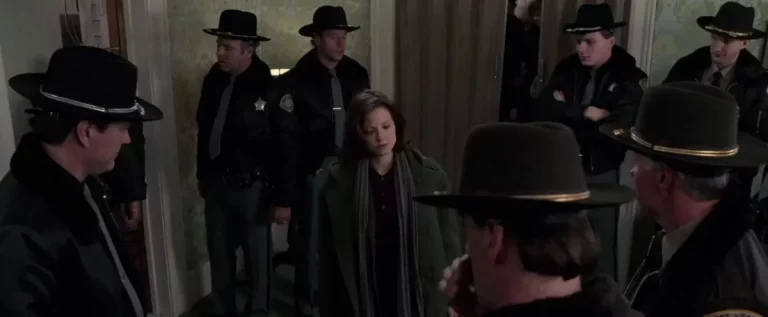
| Wide Shots | Clarice surrounded by male characters | Highlights isolation |
| Eye-Level Shots | Male characters looking down at Clarice | Emphasizes power dynamics |
Why This Matters
Understanding these filmmaking choices is vital for fans, as it reveals deeper societal critiques embedded in the narrative. The palpable tension and Clarice’s struggles symbolize broader themes of gender inequality, resonating strongly with contemporary audiences.
Exploring Implicit Messages
This film goes beyond the conventional horror thriller. Each character’s gaze, particularly that of Hannibal Lecter, challenges Clarice’s autonomy, forcing the audience to reflect on discomforting power dynamics prevalent in society.
Common Misinterpretations
- Misreading Character Intent: Viewers may misinterpret characters’ motivations, failing to grasp the broader thematic implications.
- Overlooking Cinematic Techniques: Many fans focus solely on plot, neglecting the impact of visual storytelling.
- Assuming Unintentional Objectification: The character dynamics are intentionally crafted to evoke discomfort, rather than mere accident.
Best Practices for Analysis
- Watch with a focus on visual storytelling
- Note how character interactions change audience perception
- Engage in discussions that challenge personal perspectives
Future Trends in Cinematic Storytelling
As audiences evolve, filmmakers are increasingly aware of the need to address deeper societal issues within their work. The Silence of the Lambs serves as a precedent, demonstrating the importance of narrative depth and visual storytelling that mirrors societal truths. Future films may adopt similar approaches, blending genre conventions with bold commentary.
Why Nerds Should Pay Attention
The Silence of the Lambs provides rich material not just for casual viewers but for anyone interested in the interplay of gender, power, and narrative in cinema. By understanding the framing and visual storytelling techniques, fans can experience a renewed appreciation for the film and its critique of societal norms.
FAQ
1. What makes The Silence of the Lambs a classic?
The film is highly regarded for its intense performances and groundbreaking direction, which combines horror with a compelling psychological narrative.
2. How do the cinematographic techniques enhance the story?
The use of close-ups and perspectives aligns viewers with Clarice’s journey, creating a stronger emotional connection and highlighting underlying societal issues.
3. Why is the portrayal of gender important in the film?
It reveals the pervasive machismo and objectification faced by women, inviting audiences to reflect on these dynamics in real life.
4. What can modern filmmakers learn from The Silence of the Lambs?
Directors can take cues from its visual storytelling to address deeper themes while still working within genre conventions.
5. Is The Silence of the Lambs relevant today?
Yes, its themes of power dynamics and gender inequality remain pertinent, prompting ongoing discussions in various contexts.
6. How can viewers engage with the film critically?
Pay attention to how character interactions reflect societal norms and consider the implications of the film’s visual choices.













Post Comment