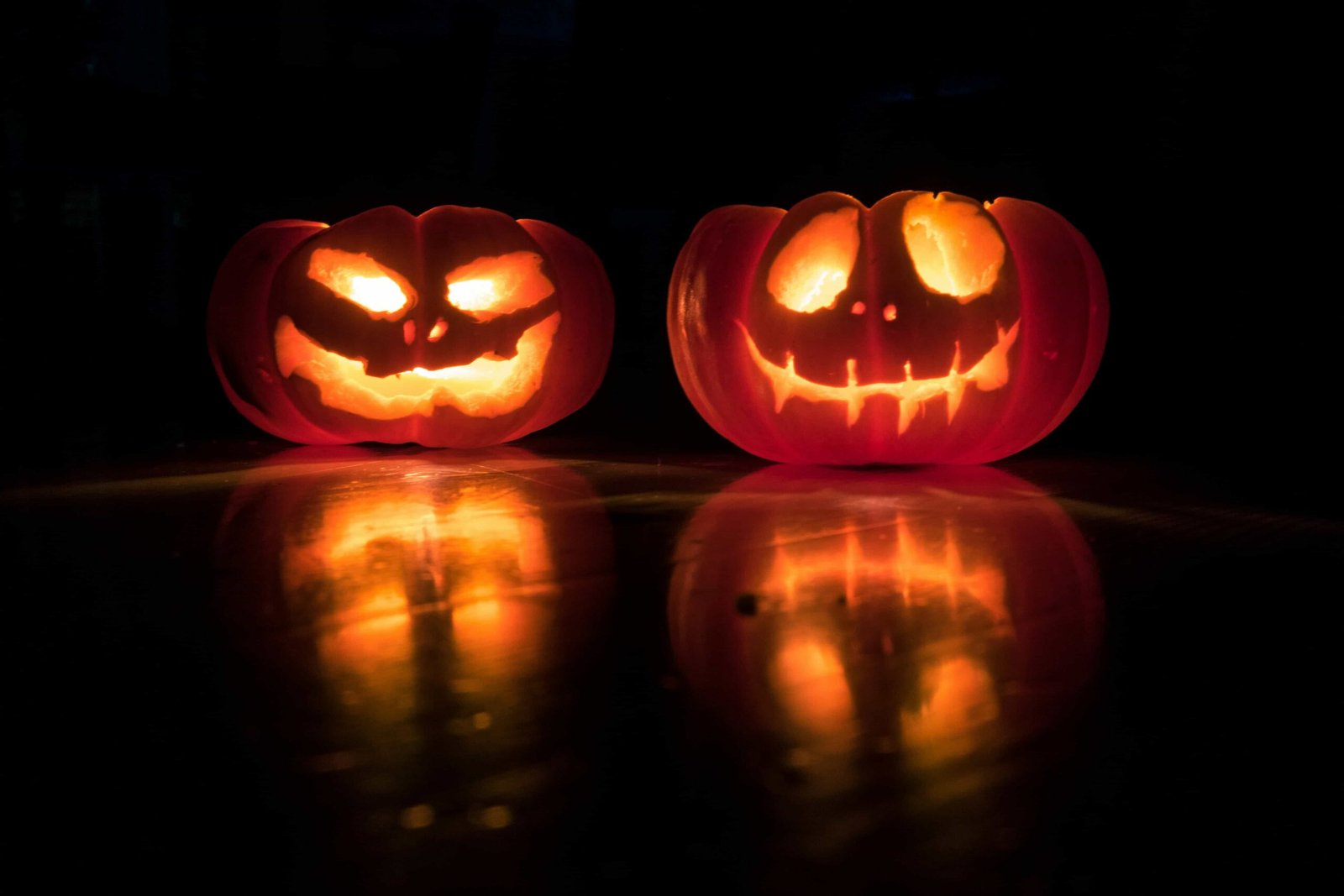
Halloween Horror: Essential Pop Culture Films to Spook You
As autumn leaves fall and the nights grow longer, there’s an undeniable shift in the air, a whisper of something ancient and thrilling that culminates on Halloween. Far beyond the costumes and candy, this eerie night beckons us to confront our deepest fears, to dim the lights, and surrender to the spine-tingling allure of horror cinema. It’s a tradition woven into the fabric of modern celebration, a collective embrace of the macabre that speaks to our primal instincts and our fascination with the unknown.
The genre of horror films, particularly those that ascend to iconic status within Pop Culture, offers more than just jump scares; they provide a visceral, shared experience that transcends generations. From psychological torment to visceral frights, these cinematic journeys explore the darkest corners of the human psyche, reflecting societal anxieties and pushing the boundaries of storytelling. They become touchstones, referenced in countless conversations, memes, and artistic expressions, solidifying their place not just as movies, but as cultural phenomena.
For fans of Nerd Culture & Entertainment, Halloween is the ultimate excuse to revisit these terrifying masterpieces or discover new ones that promise to perturb your sleep. The selections curated here represent not just films that scare, but those that have left an indelible mark, shaping how we perceive fear and storytelling in the digital age. They are essential viewing for anyone looking to truly immerse themselves in the spirit of the season, prompting discussions about film craft, thematic depth, and the very nature of terror. So, prepare your snacks, gather your courage, and join us as we delve into the world of films designed to make you cower. Are you ready?
The Enduring Appeal of Pop Culture Horror Films for Halloween
Pop culture horror films maintain an enduring appeal for Halloween because they tap into a universal human fascination with fear, offering a controlled environment to confront primal anxieties. This annual tradition of consuming scary movies allows audiences to experience catharsis, bond over shared frights, and participate in a ritual that reinforces the holiday’s themes of mystery and the supernatural, making these cinematic experiences integral to the festive atmosphere.
Halloween, with its ancient roots in Samhain festivities and its modern manifestation as a night of spooky celebration, finds its perfect companion in the horror film genre. These movies serve as a communal portal to the thrilling unknown, transforming passive viewership into an active, shared experience of apprehension and dread. The appeal lies not just in the immediate jolt of a jump scare, but in the sustained tension, the psychological discomfort, and the moral dilemmas presented, which resonate deeply with audiences.
Historically, horror cinema has always mirrored and shaped Pop Culture, evolving from early silent films like Nosferatu to the Universal Monsters, and later, the slasher boom of the late 20th century. Each era brought new anxieties to the screen, whether it was the fear of the unknown, the threat of nuclear war, or the complexities of modern society. For Halloween, these films offer a safe space to explore these fears, allowing viewers to process emotions and confront darkness from the safety of their couches, often leaving a lasting impression that extends beyond the credits.
The psychological draw of fear is complex; it activates our fight-or-flight responses, releasing adrenaline and other neurochemicals that can be both exhilarating and addictive. On Halloween, this rush is amplified by the festive atmosphere, making the experience of watching a truly terrifying film not just entertainment, but a ritualistic engagement with the holiday’s essence. These films become conversational touchpoints, shaping traditions, and solidifying their place as essential components of the spooky season.
Essential Horror Films That Define Modern Pop Culture Scares
The cinematic landscape of horror is rich with films that have captivated audiences, defined genres, and etched themselves into the collective consciousness of pop culture. For Halloween, certain titles stand out not only for their ability to deliver potent scares but also for their innovative storytelling, psychological depth, and lasting influence. These films collectively demonstrate the diverse ways terror can be explored on screen, from the unsettling creep of found footage to the daylight dread of folk horror.
Sinister (2012): The Found Footage Nightmare
Released in 2012, Sinister quickly established itself as one of the most unsettling horror films of its era, revitalizing the found footage genre with a unique blend of supernatural terror and true-crime intrigue. Starring Ethan Hawke as a true-crime writer, the film plunges into a chilling narrative when he discovers a box of Super 8 films in the attic of his new home, each depicting the brutal murder of a family.
What sets Sinister apart is not merely its graphic imagery, but the relentless sense of dread cultivated through its disturbing soundtrack and the visceral impact of the discovered footage. The film expertly builds a constant feeling of unease, blurring the lines between investigation and possession, leaving audiences with a pervasive sense of dread long after the credits roll. Its success cemented its place as a significant contribution to Pop Culture horror, influencing subsequent films in its use of archival terror.
Midsommar (2019): Daylight Cult Horror
In stark contrast to the darkness that typically defines horror, Ari Aster’s Midsommar (2019) boldly takes its terror into the blinding light of day. The film follows Dani, played by Florence Pugh, who, reeling from a profound personal tragedy, accompanies her emotionally distant boyfriend and his friends to a remote Swedish village for a midsummer festival. What begins as an idyllic, pastoral retreat rapidly descends into a pagan nightmare, steeped in unsettling rituals.
Aster masterfully crafts a unique form of horror, where the bright, beautiful setting only amplifies the grotesque nature of the events unfolding. Midsommar is a deep dive into folk horror, psychological trauma, and the insidious nature of cults, challenging conventional horror tropes by forgoing jump scares for a slow-burn, suffocating sense of dread. Its distinct visual style and thematic complexity have made it a significant and often-discussed piece of contemporary Pop Culture, pushing boundaries and sparking extensive debate among cinephiles.
The Mist (2007): Humanity’s True Monsters
Frank Darabont’s adaptation of Stephen King’s novella, The Mist (2007), delivers not only a terrifying creature feature but also a profound, often devastating, commentary on human nature under duress. The story begins after a violent storm engulfs a small town in a mysterious, impenetrable fog. Protagonist David Drayton (Thomas Jane) and his young son find themselves trapped in a local supermarket with other townspeople, only to discover that the mist conceals colossal and lethal creatures.
However, the true horror in The Mist emerges not from the monstrous entities lurking outside, but from within the supermarket’s confines. Panic and religious fanaticism slowly transform ordinary citizens into something far more dangerous than the unseen beasts, exposing the fragility of civility and the depths of human cruelty. The film’s infamous, gut-wrenching ending is a masterclass in despair, cementing its status as a brutally honest and unforgettable piece of Pop Culture horror that challenges viewers to reflect on their own humanity.
Hush (2016): A Silent Struggle for Survival
Directed by Mike Flanagan, a modern master of horror, Hush (2016) is a nail-biting suspense thriller that intelligently redefines the home invasion subgenre. The plot centers on Maddie Young (Kate Siegel), a gifted writer who lost her hearing and voice during adolescence. Retreating to a secluded house in the middle of a dense forest to finish her latest novel, Maddie’s tranquil isolation is violently shattered when a masked, psychopathic killer appears at her window.
The film’s genius lies in its premise: Maddie cannot hear her assailant nor cry for help, forcing her to rely entirely on her keen intelligence and survival instincts. This unique constraint elevates the tension to excruciating levels, as the audience experiences the terrifying ordeal largely from Maddie’s perspective, emphasizing visual cues and strategic thinking over dialogue. Hush stands as a testament to intelligent horror filmmaking, earning its place in Pop Culture for its innovative approach to a classic scenario and its relentless suspense.
Halloween (1978): The Iconic Slasher’s Genesis
No discussion of essential Halloween horror films would be complete without acknowledging the seminal work that bears the holiday’s name: John Carpenter’s Halloween (1978). This classic is not merely a film; it is a cultural cornerstone that ignited the slasher genre and introduced audiences to one of cinema’s most enduring boogeymen, Michael Myers. The narrative unfolds as Myers escapes from a sanitarium and returns to the seemingly peaceful town of Haddonfield to terrorize its residents on Halloween night.
Beyond its simple yet effective premise, Halloween is a masterclass in atmospheric horror, tension building, and visual storytelling. Carpenter’s distinctive, minimalist musical score is instantly recognizable and intrinsically linked to the holiday itself, while the flickering jack-o’-lantern lights on screen create an unforgettable ambiance. For both new viewers and seasoned fans, Halloween remains a powerful, terrifying, and essential experience, a true pillar of Pop Culture that continues to define the very essence of fright night.
Understanding the Impact: Why These Films Become Pop Culture Icons
The trajectory of a horror film from screen to cultural icon is complex, often depending on a blend of innovative storytelling, resonant themes, and the indelible mark it leaves on the collective imagination. The films discussed are not just scary; they’ve become integral to Pop Culture because they tap into deeper psychological elements and subvert genre expectations, prompting ongoing discussion and analysis.
The Psychology of Fear in Entertainment
The appeal of horror cinema lies deeply rooted in human psychology. Watching a horror film provides a safe, controlled environment to experience fear, triggering a primal fight-or-flight response without actual danger. This can be profoundly cathartic, allowing viewers to release pent-up stress or anxiety through a vicarious experience of terror. The adrenaline rush associated with these intense emotional states can be exhilarating, leading many to actively seek out fright as a form of entertainment.
However, while the benefits include emotional release and a sense of mastery over fear, there are limitations. For some individuals, particularly those prone to anxiety or trauma, horror films can be genuinely distressing, leading to prolonged psychological discomfort or nightmares. The impact varies greatly, emphasizing the importance of understanding one’s own emotional boundaries when engaging with such potent content. Effective horror taps into universal fears, like the fear of the unknown, loss of control, or confronting mortality, giving it a broader appeal within Pop Culture.
Common Tropes and How These Films Subvert Them
Horror cinema, like any genre, is replete with tropes: the jump scare, the isolated setting, the final girl, the unreliable protagonist. While these can be effective, overuse often leads to predictability and diminishes a film’s impact. The films highlighted here often employ these elements but do so with intelligence and originality, either subverting expectations or elevating the trope to new heights. For instance, Midsommar‘s daylight setting directly challenges the common reliance on darkness, making its horrors more unsettling.
Good practices in horror filmmaking involve more than just scares; they demand compelling characters, a coherent narrative, and a strong atmosphere. Films like Hush utilize a character’s unique vulnerability to create tension, while The Mist focuses on the horror of human degradation. These approaches demonstrate that true terror often comes from psychological manipulation and thematic depth rather than cheap thrills, leaving a more lasting impression on Pop Culture and inspiring future filmmakers to innovate within the genre.
Future Trends in Horror Cinema
The landscape of horror cinema is continuously evolving, influenced by technological advancements and shifting societal concerns. We are seeing a trend towards more elevated, psychological horror that prioritizes atmosphere and character development over explicit gore, often exploring complex social and political themes. Streaming platforms have also democratized access to diverse horror content, fostering a global audience for niche subgenres and international productions.
Another emerging trend is the integration of horror elements into other genres, such as sci-fi horror or horror-comedy, expanding its reach and appeal. The influence of classic films like Halloween (1978) continues to permeate new productions, with filmmakers frequently paying homage or reinterpreting iconic elements. Looking ahead, horror is likely to continue its dual role: providing escapist thrills while also serving as a powerful medium for cultural commentary, ensuring its perpetual relevance in Pop Culture and entertainment.
Frequently Asked Questions About Halloween Horror Films
What makes a horror film truly terrifying?
A truly terrifying horror film excels not just at jump scares, but at cultivating a pervasive sense of dread and unease. This often involves psychological manipulation, atmospheric tension, and the exploration of existential fears. Films that succeed in this regard delve into the unknown, challenge societal norms, or depict the breakdown of human morality, forcing viewers to confront their own anxieties. The most effective horror often comes from what isn’t explicitly shown, allowing the audience’s imagination to fill in the blanks, making the experience deeply personal and unsettling. Strong character development, a compelling narrative, and an unforgettable score are also crucial elements that elevate a film beyond fleeting scares into lasting terror.
Why is Halloween associated with horror movies?
Halloween’s association with horror movies stems from the holiday’s historical roots and its modern cultural evolution. Originating from ancient Celtic festivals like Samhain, Halloween marked a time when the veil between the living and the dead was believed to thin, inviting spirits and supernatural entities. This inherent connection to the eerie and the mysterious naturally aligns with the themes explored in horror cinema. Furthermore, the holiday’s emphasis on costumes, spooky decorations, and trick-or-treating fosters a playful embrace of fright, making scary movies a perfect communal activity to deepen the seasonal immersion. It’s a culturally ingrained ritual, enhancing the festive atmosphere of ghosts, ghouls, and all things macabre.
Are these films suitable for all audiences?
No, the films discussed in this selection are generally not suitable for all audiences, particularly younger viewers or individuals sensitive to intense content. Horror films, by their very nature, aim to evoke strong emotions like fear, anxiety, and disgust, often featuring mature themes, graphic violence, psychological distress, and disturbing imagery. Each film has a specific rating (e.g., R-rated in the US) that indicates its appropriateness for different age groups. It is always recommended for viewers to check ratings and read synopses or reviews beforehand to determine if a particular film aligns with their comfort level and personal sensitivities. Parental guidance is strongly advised for any younger viewers who may be interested.
What is the difference between psychological horror and slasher films?
Psychological horror and slasher films represent two distinct subgenres, each designed to elicit fear through different mechanisms. Slasher films, exemplified by Halloween (1978), typically feature a relentless, often masked, killer stalking and murdering a group of victims, usually teenagers. Their focus is on suspense, gore, and visceral thrills. Psychological horror, on the other hand, prioritizes mental and emotional torment over explicit violence. It delves into the characters’ minds, exploring themes of madness, paranoia, and existential dread, often blurring the lines of reality to create a deeply unsettling experience. Films like Sinister or Midsommar lean heavily into psychological terror, aiming for a slow-burn, pervasive sense of unease rather than immediate shock.
How do soundtracks contribute to the horror experience?
Soundtracks are an indispensable element in crafting the horror experience, often having a more profound impact than visuals alone. They build atmosphere, heighten tension, and signal impending threats, manipulating the viewer’s emotional state long before anything visually terrifying appears on screen. An effective horror score, like John Carpenter’s iconic theme for Halloween, can become synonymous with dread, creating immediate recognition and inducing fear. Disorienting sounds, sudden musical stings, or unsettling silence can intensify jump scares, amplify psychological distress, and create a pervasive sense of unease. The auditory experience is crucial in immersing the audience, making the unseen feel present and the improbable feel imminent, proving that what you hear can be just as terrifying as what you see.
What is ‘found footage’ horror and why is it effective?
Found footage horror is a subgenre characterized by films presented as if they are discovered recordings, such as camcorder tapes, security footage, or mobile phone videos. This stylistic choice aims to enhance realism and immersion, making the events feel more immediate and genuine to the audience. Its effectiveness stems from several factors: the shaky, amateur camera work often creates a sense of vulnerability and chaos, the limited perspective mirrors real-life experiences, and the absence of traditional cinematic storytelling can make the horror feel unscripted and therefore more terrifying. Films like Sinister leverage this approach to blur the line between fiction and documentary, drawing viewers deeper into the narrative and intensifying the feeling of authentic dread.
Why are older horror films still relevant today?
Older horror films, such as the classic Halloween (1978), remain highly relevant today due to their foundational impact on the genre, their timeless thematic content, and their enduring influence on contemporary filmmaking. These pioneering works often established the archetypes, narrative structures, and visual language that continue to define horror. Their themes—fear of the unknown, morality under pressure, societal anxieties—are universal and transcend generations, allowing new audiences to connect with them. Furthermore, the minimalist and often practical effects of older films sometimes create a more visceral and less dated experience than CGI-heavy modern productions. Their cultural legacy ensures they are continually studied, referenced, and reinterpreted, solidifying their permanent place in Pop Culture and horror history.
As the final credits roll on this selection of chilling cinematic masterpieces, the true spirit of Halloween resonates not just in the temporary frights, but in the lasting conversations and shared experiences these films ignite. From the haunting melodies of John Carpenter to the unsettling daylight rituals of Ari Aster, each movie offers a unique lens through which to explore our deepest fears and the fascinating evolution of Pop Culture itself. These narratives do more than entertain; they challenge, provoke, and remind us of the enduring power of storytelling.
Whether you’re a seasoned horror aficionado or a curious newcomer, the journey through these essential films offers an unparalleled way to celebrate the season. They are a testament to the genre’s ability to innovate, to reflect societal anxieties, and to continually redefine what it means to be truly terrified. So, as the spooky season draws to a close, we encourage you to reflect on the scares that resonated most with you. Share your own favorite terrifying tales and keep the spirit of horror alive until the next chilling Halloween night.








Post Comment