The X-Files’ ‘Home’: Why This Episode Shocked the Nerd World
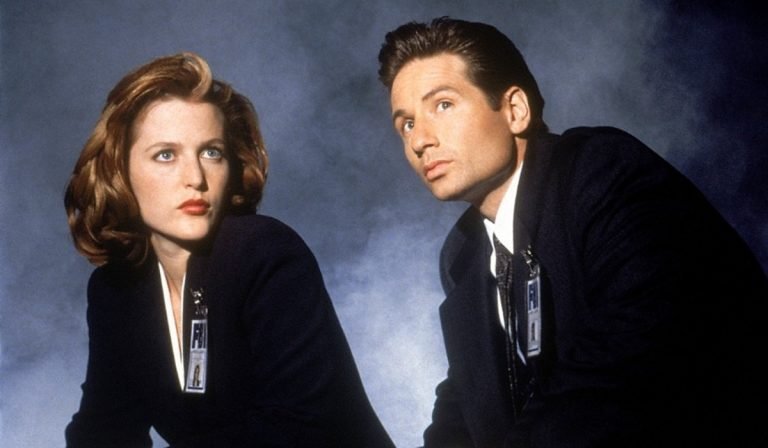
For decades, The X-Files captivated audiences with its blend of supernatural mysteries, government conspiracies, and the undeniable chemistry between Agents Fox Mulder and Dana Scully. Yet, amidst the myriad of extraterrestrial encounters and paranormal phenomena, one episode stands alone, etched into the collective memory of its fandom as a chilling, boundary-pushing masterpiece: ‘Home’. Aired during the show’s fourth season in October 1996, this particular chapter didn’t feature shadowy alien invaders or elusive government operatives. Instead, it plunged viewers into a visceral, deeply unsettling exploration of human depravity that proved too potent for network television at the time. Its legacy is not just one of shock, but of artistic courage and a pivotal moment in television history, reminding a generation of nerd culture enthusiasts that true horror often lies closest to home.
The mere mention of ‘Home’ still evokes shivers for many fans, primarily because its terror was grounded in the stark reality of human pathology rather than fantastical monsters. It confronted taboos head-on, forcing audiences to grapple with themes rarely seen on mainstream television. The episode’s immediate aftermath saw it removed from regular rotation by Fox, a testament to its profound impact and the discomfort it generated, not just among viewers but also within the network itself. This decision, unprecedented for the acclaimed series, sparked conversations about artistic integrity versus broadcasting standards, a debate that continues to evolve in the digital age. As new iterations of The X-Files emerge, ‘Home’ remains a powerful benchmark, influencing how creators approach controversial subjects and challenging the expectations of a discerning audience eager for stories that dare to venture into the darkest corners of the human experience.
Understanding ‘Home’ requires acknowledging its context within The X-Files‘ broader narrative, a series celebrated for its willingness to explore the bizarre and the inexplicable. This episode, however, deliberately stripped away the science fiction veneer to expose a raw, uncomfortable truth about isolation and inherited darkness. It became an instant cult classic, revered by fans for its uncompromising vision and discussed for its controversial real-world inspirations. The implications of ‘Home’ extend beyond a single broadcast; it encapsulates a moment when television pushed against its perceived limits, offering a glimpse into the evolving relationship between creators, networks, and the audiences hungry for compelling, albeit disquieting, narratives.
Why ‘Home’ Shook the X-Files Fandom and the Broader Nerd Community
The episode ‘Home’ remains notorious within The X-Files fandom and the broader nerd community for its uniquely disturbing content, becoming the only installment to receive a TV-MA rating upon its initial broadcast and subsequently being pulled from re-runs by the Fox network due to its graphic and unsettling themes.
‘Home’ introduced audiences to the Peacock family, an isolated, inbred clan living in rural Pennsylvania whose grotesque deformities and violent tendencies were the direct result of generations of incest. The discovery of a severely deformed infant, buried in a field, catapulted Agents Mulder and Scully into a world devoid of the supernatural, where the horror stemmed entirely from human pathology and a complete severance from societal norms. This stark departure from the series’ usual alien and conspiracy-driven narratives made the episode particularly jarring and effective, proving that the most profound terror could be found in the darkest corners of humanity.
The decision by Fox to give ‘Home’ a TV-MA rating—the highest available for television content—and then to almost immediately cease re-airing it, highlighted the episode’s extreme nature. For nearly three years, ‘Home’ was absent from broadcasts, only making a rare return on Halloween 1999. This self-censorship by the network underscored the profound discomfort the episode generated, signaling a moment when the show pushed beyond even the liberal boundaries it had established for itself. For the fandom, this act of withdrawal only amplified the episode’s legend, making it a forbidden fruit that solidified its place as a quintessential piece of disturbing media.
The impact of ‘Home’ wasn’t just about its shock value; it was about the profound psychological horror it delivered. Unlike monstrous creatures or alien abductions, the horror of the Peacock family was intimately human and terrifyingly plausible. This resonated deeply with viewers, challenging their expectations of what a prime-time network show could depict and forcing them to confront disturbing realities that many preferred to ignore. It demonstrated The X-Files‘ courage to explore pure, unadulterated terror, cementing its status as a series that dared to defy conventions and challenge its audience.
Unpacking the ‘Home’ Phenomenon: A Dive into Pure Human Horror
The true genius of ‘Home’ lay in its ability to generate profound horror without relying on any supernatural elements. While The X-Files was built on the premise of ‘the truth is out there,’ ‘Home’ asserted that some truths were far more terrifying because they existed entirely within our world. The isolation of the Peacock family, their complete lack of interaction with modern society, and the resultant breakdown of all social and moral boundaries created a chilling scenario that felt disturbingly real.
This episode served as a masterclass in psychological dread, carefully building tension through atmospheric shots of the dilapidated Peacock residence and the unsettling behavior of its inhabitants. The audience was left to piece together the horrific implications of the family’s lifestyle, creating a sense of unease that was far more potent than any jump scare. For many in the nerd community who appreciate nuanced storytelling, ‘Home’ became a prime example of how to execute horror effectively by tapping into deep-seated human fears rather than relying on genre tropes.
The TV-MA Rating and Fox’s Retreat: A Network’s Stance on Sensitive Content
The TV-MA rating for ‘Home’ was not just a label; it was a strong declaration of the episode’s mature content. In the mid-1990s, television was still navigating the nascent stages of content ratings, and a TV-MA designation for a network show was a rare and significant event. It implied graphic violence, strong sexual content, or disturbing themes that were deemed unsuitable for younger audiences.
Fox’s subsequent decision to pull the episode from syndication for several years revealed the network’s struggle with balancing creative freedom and public perception. While The X-Files was known for pushing boundaries, ‘Home’ crossed a line that the network initially deemed too controversial for repeated broadcasts. This incident sparked a wider debate about censorship in television and the extent to which networks should protect their audience from challenging material, even if adult viewers actively sought such daring content.
The Curious Case of its Real-World Inspiration
The unsettling narrative of ‘Home’ is rumored to have drawn inspiration from a macabre anecdote shared by none other than comedy legend Charlie Chaplin in his autobiography, although the direct factual basis of this connection remains unconfirmed and should be approached with journalistic caution.
Glen Morgan, a prominent writer and producer involved with The X-Files during its fourth season, publicly stated in a documentary that a story recounted by Charlie Chaplin served as the creative spark for the character of the Peacock brothers’ mother. Chaplin’s tale reportedly described an incident in Ebbw Vale, Wales, where a hidden man was discovered within a closet in a miners’ home. While this anecdote certainly carries a gothic, unsettling undertone, its transformation into the extreme scenario of the Peacock family and the themes of familial isolation and inbreeding showcases a significant creative leap rather than a direct adaptation.
The claim of ‘Home’ being “based on facts,” therefore, comes with a crucial caveat. The original source material itself indicates that the veracity of Chaplin’s story is difficult to confirm. This distinction is vital for a discerning audience, including those within the nerd culture sphere, who value factual accuracy but also appreciate the artistic license taken in crafting compelling narratives. The episode’s power derives not necessarily from its literal adherence to a true event, but from its ability to tap into primal fears and societal anxieties, drawing on a narrative thread that hints at real-world darkness.
Regardless of its definitive factual origins, the alleged link to Chaplin adds another layer of intrigue to ‘Home,’ elevating it from a mere disturbing episode to a piece of television lore with a fascinating, albeit hazy, backstory. It underscores how creative minds can draw inspiration from the most unexpected places, transforming whispers of history into profound and impactful storytelling, even if the line between fact and fiction becomes blurred in the process.
Charlie Chaplin’s Anecdote: Fact or Folklore?
The story attributed to Charlie Chaplin, concerning a man hidden in a closet, adds a layer of eerie intrigue to the inspiration behind ‘Home.’ However, the nature of such anecdotes, often passed down verbally or recounted decades after an event, means their factual accuracy can be elusive. Chaplin’s autobiography is known for its vivid recollections, but like many personal accounts, it may blend lived experience with embellished narratives.
For writers like Glen Morgan, such stories serve as potent starting points, providing a seed of an idea that can blossom into a complex, fictionalized narrative. The creative process often involves taking a compelling fragment—a mood, an image, a character sketch—and building an entirely new world around it. Whether Chaplin’s story was literally true becomes less critical than its capacity to inspire a terrifying and memorable television episode.
The Enduring Power of Taboo in Storytelling
What truly made ‘Home’ resonate, beyond any potential real-life inspiration, was its fearless engagement with deeply ingrained societal taboos. Themes of incest, severe isolation leading to genetic deformities, and a complete disregard for human dignity are inherently shocking. By depicting these without compromise, the episode tapped into a universal human discomfort with the extreme and the aberrant.
This approach highlights the enduring power of taboo in storytelling: by confronting what society often chooses to ignore or condemn, creators can evoke powerful emotional responses. For an audience accustomed to alien threats, ‘Home’ presented a horror that was disturbingly familiar and therefore all the more impactful, solidifying its place as a seminal example of pure, unflinching terror in television history.
The Broadcast Battle: When Content Pushed Boundaries and Networks Pushed Back
The controversy surrounding ‘Home’ encapsulated a significant tension between creative ambition and the conservative broadcasting standards prevalent in the mid-1990s, revealing how networks grappled with content deemed too sensitive for a mainstream audience.
In 1996, television was still largely a family medium, and while shows like The X-Files pushed the envelope, there were unwritten rules about how far was too far. The decision by Fox to initially greenlight ‘Home’ demonstrated a willingness to support its creators, Chris Carter and the writing team, in their pursuit of darker, more mature storytelling. However, the subsequent rapid withdrawal of the episode from re-runs showcased the immense pressure and potential backlash a network could face when content truly shocked its audience and, perhaps more importantly, advertisers. This conflict laid bare a critical question: to what extent should a studio censor a work to protect its audience, or its commercial interests, even when a segment of that audience actively seeks out such provocative material?
This debate, highlighted by the ‘Home’ incident, continues to resonate today. As media consumption fragments and streaming platforms offer unparalleled creative freedom, the boundaries of acceptable content are constantly being redrawn. Yet, ‘Home’ serves as a historical marker, illustrating a time when the power dynamics between creators and broadcasters were very different. It underscores how a single episode could ignite a discussion about artistic integrity, audience responsibility, and the evolving nature of horror storytelling.
A Precedent for Future Controversies
‘Home’ set an unofficial precedent for content deemed too graphic or disturbing for network television. Its classification as TV-MA and subsequent banishment from syndication became a cautionary tale and a reference point for future debates on censorship. The episode demonstrated that even successful and critically acclaimed series could face severe network repercussions for pushing too hard against perceived moral or social comfort zones.
This historical context helps explain why certain themes or depictions remained rare on network television for years afterward. The ‘Home’ incident revealed the delicate balance between creative expression and corporate responsibility, impacting how writers and producers approached sensitive subjects and how networks assessed the risks associated with daring content, making it a critical case study for any film or television enthusiast.
The Evolving Palate of the Modern Viewer
While ‘Home’ was considered shockingly graphic in 1996, the intervening decades have seen a significant shift in audience expectations and tolerance for dark content. Modern viewers, particularly those within the nerd culture and entertainment fan base, have grown accustomed to complex, often brutal narratives through cable series and streaming platforms like HBO, Netflix, and AMC, which regularly feature mature themes and explicit content.
Today, an episode like ‘Home’ might still be disturbing, but its shock value is arguably diminished in a landscape populated by shows like Game of Thrones, The Walking Dead, or true-crime documentaries. This evolution highlights a fascinating trend: what was once deemed unbroadcastable can now be celebrated as bold artistry. The ‘Home’ episode, therefore, stands not just as a piece of controversial television history but also as a fascinating indicator of how audience palates and media standards have continuously evolved over time, pushing the boundaries of what is considered acceptable.
Beyond ‘Home’: The X-Files’ Legacy and What it Means for the Modern Nerd
‘Home’ solidified its place not just as a controversial chapter but as a defining moment in The X-Files‘ history, establishing a benchmark for intense, non-supernatural horror and leaving a profound legacy that continues to influence discussions among the discerning nerd community, especially with the franchise moving into a new era.
The enduring power of ‘Home’ is particularly relevant now, as The X-Files franchise embarks on a new phase. A reboot, helmed by acclaimed director Ryan Coogler, is in the works and has already confirmed a compelling cast including names like Danielle Deadwyler, Himesh Patel, Steve Buscemi, Amy Madigan, and Ben Foster. This new iteration faces the challenge and opportunity to redefine The X-Files for a contemporary audience, and undoubtedly, the legacy of episodes like ‘Home’ will serve as a crucial touchstone for its creators. They will have to decide how far they are willing to push the boundaries of horror, mystery, and controversy to engage a viewership that has grown accustomed to more explicit and challenging content.
Furthermore, discussions continue about the potential return of original cast members, with Chris Carter expressing belief that Gillian Anderson might reprise her role as Scully, though this remains unconfirmed. The storied behind-the-scenes dynamics, including David Duchovny’s past relationship with Fox and the reasons for Mulder’s absence in later seasons of the original run, add layers of complexity to the franchise’s history. For the modern nerd, these narratives—both on-screen and off-screen—are integral to the appreciation of The X-Files, positioning ‘Home’ not merely as an isolated incident but as a critical part of a rich, evolving saga that tests both creative and institutional limits.
The episode’s raw, human-centric terror, devoid of alien interference, resonated with a segment of the audience that appreciated its unfiltered dive into the darker aspects of the human condition. This commitment to diverse forms of horror, alongside its more conventional sci-fi elements, is precisely why The X-Files continues to maintain a strong foothold in popular culture and amongst those who appreciate deep, layered narratives.
Setting the Bar for New X-Files Narratives
With Ryan Coogler’s reboot on the horizon, the benchmark set by ‘Home’ becomes increasingly significant. New creators stepping into the shoes of The X-Files will inevitably confront the question of how much horror and mature content to include. ‘Home’ demonstrated the series’ capacity for pure, unadulterated terror, and its impact suggests that future iterations might benefit from exploring similar themes, pushing boundaries in ways relevant to today’s audience.
The new cast and creative team have the opportunity to honor this legacy by crafting stories that are not afraid to be unsettling, thought-provoking, and deeply impactful. Whether they choose to replicate the specific kind of horror found in ‘Home’ or innovate with new forms of psychological dread, the episode serves as a powerful reminder of The X-Files‘ potential to challenge and disturb, securing its place as a cornerstone for future creative endeavors.
The X-Files’ Enduring Appeal to the Discerning Nerd
The X-Files has always held a special place in the hearts of discerning fans who appreciate intricate plots, complex characters, and a willingness to explore the unknown. Episodes like ‘Home’, which dared to deviate from the established formula and explore darker, more visceral themes, are precisely why the series maintains its enduring appeal to this audience. It offers more than just entertainment; it provides intellectual stimulation and emotional resonance.
For the modern nerd, who often seeks out media that is challenging, thought-provoking, and well-crafted, The X-Files, and especially its controversial moments, continues to be a rich source of discussion and analysis. Its ability to blend science fiction with genuine horror, while also tackling societal issues, ensures its relevance and continued appreciation within a culture that values depth and originality in storytelling.
Frequently Asked Questions About The X-Files’ ‘Home’ Episode
Here are answers to common questions regarding ‘Home’, one of The X-Files‘ most infamous episodes.
- Why was ‘Home’ considered the most controversial X-Files episode?
‘Home’ stands out due to its graphic and deeply unsettling themes, which included inbreeding, severe physical deformities resulting from generations of isolation, and visceral violence. Unlike most episodes that featured supernatural or extraterrestrial threats, the horror in ‘Home’ was entirely human, making it exceptionally disturbing and realistic. This stark reality pushed the boundaries of what was acceptable for network television in the mid-1990s, leading to unprecedented reactions from both viewers and the broadcaster.
- What was the TV-MA rating’s significance for ‘Home’?
The TV-MA rating is the highest content rating for television, indicating material unsuitable for children under 17. ‘Home’ was the only episode in The X-Files‘ original run to receive this designation, underscoring its extreme nature. This rating, combined with the episode’s content, contributed to its immediate notoriety and confirmed that it contained elements—such as implied sexual themes, strong violence, and disturbing imagery—that transcended the usual boundaries of prime-time network programming.
- Why did Fox pull ‘Home’ from re-runs?
Fox decided to remove ‘Home’ from its syndication schedule for approximately three years following its initial broadcast in 1996. This decision stemmed from the intense discomfort and negative reactions the episode generated among audiences and, likely, advertisers. The network, despite having initially approved the script, determined that the content was too graphic and disturbing for repeated broadcasts, revealing a strong institutional pushback against the episode’s extreme nature and a struggle with content censorship at the time.
- Was ‘Home’ truly based on a real story?
The inspiration for ‘Home’ has a curious, yet unconfirmed, connection to a story recounted by Charlie Chaplin in his autobiography. Glen Morgan, one of the episode’s writers, stated that a Chaplin anecdote about a hidden man in a closet in a Welsh mining town influenced the creation of the Peacock family’s mother. However, the factual basis of Chaplin’s story itself is difficult to verify, and the episode’s extreme plot was a significant fictional expansion rather than a direct adaptation, so the claim of being ‘based on facts’ should be read with caution.
- How did fans react to ‘Home’?
Fan reactions to ‘Home’ were polarized but largely passionate. Many acclaimed the episode for its courage, originality, and its unflinching dive into pure horror, seeing it as a testament to The X-Files‘ willingness to take risks. Others found it excessively disturbing and difficult to watch. Despite the discomfort, it quickly achieved cult status, becoming a frequently discussed and memorable chapter among the fandom, cherished by those who appreciate the darker, more challenging aspects of the series.
- How does ‘Home’ relate to the upcoming X-Files reboot?
As The X-Files moves into a new reboot phase with Ryan Coogler at the helm, ‘Home’ serves as a significant benchmark. The episode’s legacy as a controversial, boundary-pushing narrative will likely influence the new creators’ decisions regarding the level of horror and mature themes they incorporate. It highlights the franchise’s capacity for intense, human-centric fear, setting a high bar for how far the new series might dare to go in exploring disturbing subject matter for a contemporary audience.
- Did ‘Home’ influence other television shows or horror narratives?
While difficult to quantify direct influence, ‘Home’ certainly contributed to the ongoing evolution of horror on television. By demonstrating that pure, non-supernatural human depravity could be profoundly terrifying and achieve critical acclaim (despite network pushback), it broadened the scope for future shows exploring similar dark themes. Its place as a cultural touchstone for extreme content indirectly opened doors for more adult-oriented horror and dramatic series that followed, proving that a significant audience existed for such challenging material.
The Enduring Resonance of ‘Home’ in a Changing Media Landscape
The X-Files’ ‘Home’ episode, nearly three decades after its initial broadcast, remains a potent symbol of creative audacity and a pivotal moment in television history. It forced networks to confront the limits of acceptable content, viewers to grapple with unflinching horror, and creators to navigate the delicate balance between artistic vision and commercial viability. Its unsettling narrative, whether truly rooted in a Charlie Chaplin anecdote or simply inspired by the darker corners of human imagination, transcended the typical monster-of-the-week format to deliver a profound and lasting impact.
For the ever-evolving landscape of nerd culture and entertainment, ‘Home’ stands as a testament to the power of storytelling that dares to be uncomfortable. As The X-Files prepares for its next chapter under new creative leadership, the shadow of ‘Home’ looms large, reminding everyone involved—from writers and directors to the passionate fanbase—that true greatness often lies in the willingness to explore the most challenging truths, no matter how disturbing they may be. This episode isn’t just a relic of 90s television; it’s a timeless discussion piece, a benchmark for horror, and a crucial component of The X-Files‘ rich and complex legacy.












Post Comment