7 Time-Travel K-Dramas Every Nerd Must Watch Right Now
In the vast and vibrant landscape of global entertainment, K-dramas have undeniably carved out a significant niche, captivating millions with their distinctive storytelling, high production values, and compelling characters. Among the myriad genres they explore, time travel stands out as a particularly potent ingredient, infusing narratives with an irresistible blend of fantasy, romance, and intricate dramatic tension. This narrative device allows for imaginative exploration of fate, choice, and consequence, transcending typical genre boundaries to deliver truly unique experiences.
For the discerning ‘nerd’—the enthusiast who savors complex plots, meticulous world-building, and deeply resonant character arcs—time-travel K-dramas offer a treasure trove of engaging content. They are not merely escapism; they are invitations to ponder ethical dilemmas, question predetermined destinies, and revel in the sheer ingenuity of human storytelling. The ability to revisit past choices, witness historical events through modern eyes, or manipulate timelines for personal gain or altruistic reasons provides a rich canvas for exploration, frequently delivering unexpected twists and profound emotional payoffs.
The global rise of K-dramas has meant that these innovative takes on familiar tropes are now accessible to a broader audience than ever before, fostering a vibrant community of fans who dissect plot theories, celebrate beloved characters, and eagerly anticipate the next temporal adventure. From the comedic chaos of a soul displaced in history to the high stakes of a life-or-death mission across timelines, these series leverage the full spectrum of human emotion, inviting viewers to laugh, cry, and speculate alongside their protagonists. As we navigate this curated selection, prepare to be immersed in worlds where the past, present, and future are fluid, offering powerful lessons and unforgettable journeys that resonate long after the credits roll.
This guide aims to provide a comprehensive look at seven exceptional time-travel K-dramas that exemplify the genre’s best, ensuring that no devoted ‘nerd’ or casual viewer misses out on these truly remarkable productions. Each title on this list has been chosen for its unique contribution to the time-travel narrative, its compelling performances, and its undeniable ability to leave a lasting impression. Prepare to expand your watchlist and embark on a marathon of temporal delights, from historical sagas to modern romantic fantasies, each offering its own distinctive charm and intricate layers of storytelling.
Unraveling the Temporal Tapestry: Why Time-Travel K-dramas Captivate the Modern Nerd
Time-travel K-dramas hold a unique allure for the modern ‘nerd’ due to their intricate plotting, deep character development, and genre-blending capabilities. These series often fuse historical settings with contemporary sensibilities or introduce fantastical elements into everyday life, creating compelling narratives that demand active viewer engagement and intellectual curiosity, satisfying the desire for thoughtful entertainment.
The appeal of time travel narratives extends far beyond simple science fiction; it taps into universal human desires to alter the past, understand historical contexts, or foresee future outcomes. K-dramas specifically excel at weaving these speculative elements into rich tapestries of romance, revenge, and self-discovery. This complexity resonates deeply with audiences who appreciate detailed storytelling and characters that evolve significantly through their temporal journeys. The genre offers a playground for exploring “what if” scenarios, often grounded in profound emotional stakes.
The meticulous attention to detail in world-building, whether recreating a historical era or crafting a fantastical mechanism for temporal displacement, speaks directly to the ‘nerd’ sensibility. Viewers are invited to analyze the rules of each drama’s unique time-travel framework, debate potential paradoxes, and immerse themselves in the logical—or delightfully illogical—consequences of altering timelines. This interactive viewing experience transforms passive consumption into active participation, a hallmark of engaging speculative fiction.
Furthermore, these K-dramas frequently blend humor with poignant drama, offering a full spectrum of emotional experiences. The juxtaposition of modern attitudes within ancient courts, or the poignant struggle to prevent a tragic future, creates narrative layers that are both entertaining and thought-provoking. This genre dexterity ensures that the stories remain fresh and unpredictable, constantly challenging viewer expectations and solidifying their place as a favorite among those who seek more than superficial entertainment.
The Allure of Narrative Complexity and Character Arcs
Time travel inherently introduces layers of complexity that are seldom found in linear narratives. Characters are often forced to confront versions of themselves or their loved ones from different eras, leading to profound introspection and difficult choices. This constant negotiation with time allows for extraordinary character development, as protagonists learn from their past mistakes or strive to secure a better future.
The intricate dance between free will and predetermined fate is a recurring theme, inviting philosophical contemplation. Audiences are drawn to the emotional weight of these decisions and the often-heartbreaking sacrifices characters must make, creating a powerful connection that transcends the screen. This blend of intellectual stimulation and deep emotional engagement is a core reason why these series resonate so powerfully with dedicated fans seeking rich, meaningful stories.
Essential Time-Travel K-dramas Every Nerd Should Experience
For those fascinated by the intricate dance between destiny and human agency, the following K-dramas represent the pinnacle of time-travel storytelling, offering diverse narratives that span historical sagas, intense revenge thrillers, and heartwarming family dramas. Each series provides a unique lens through which to explore the complexities of temporal displacement and its profound impact on individuals and relationships.
Mr. Queen: A Royal Culinary Time-Slip
Mr. Queen is an uproarious historical sageuk that immediately hooks viewers with its ingenious premise. The soul of a modern-day chef, Jang Bong-hwan, finds himself abruptly transported into the body of Queen Cheorin during the Joseon era. This temporal displacement leads to a delightful clash of eras and personalities, as the queen, now inhabited by a man with contemporary sensibilities, navigates the rigid protocols and political machinations of the royal court.
Actress Shin Hye-sun delivers a truly unforgettable performance, masterfully blending physical comedy with nuanced emotional depth as she portrays a queen grappling with a very modern male psyche. The series brilliantly uses this comedic setup to explore deeper themes of gender roles, power dynamics, and self-discovery, all while maintaining a consistent stream of laughter. It’s a perfect entry point for those who enjoy historical settings infused with a vibrant, anachronistic humor.
Reborn Rich: A Second Chance at Power and Revenge
In Reborn Rich, viewers are thrust into a high-stakes corporate drama where a betrayed corporate secretary, Yoon Hyun-woo, is given an unimaginable second chance. After being brutally murdered by the very chaebol family he loyally served, Hyun-woo is reborn into the body of Jin Do-jun, the youngest grandson of the very same powerful family. This temporal reset allows him to plot a meticulous, decade-spanning revenge.
Song Joong-ki delivers one of his most compelling performances as he navigates the cutthroat world of corporate power struggles, armed with foreknowledge of future economic trends and past betrayals. The drama expertly balances the personal quest for vengeance with sharp commentary on wealth, power, and justice within the South Korean chaebol system. Despite the inherent “temporal exaggeration” required for such a plot to unfold, the narrative’s grip remains firm, keeping audiences riveted episode after episode as Do-jun slowly dismantles his enemies from within.
Twinkling Watermelon: Harmonizing Past and Present
Twinkling Watermelon offers a heartwarming and musical take on time travel, focusing on the profound bonds of family. Ryeo-un stars as Eun-gyeol, a CODA (Child of Deaf Adults) who travels back in time to 1995. There, he encounters his own parents as teenagers, before a tragic accident that would change their lives forever. Eun-gyeol’s journey is driven by a desire to prevent this future, leading him to form a band with his young father.
The series beautifully explores themes of destiny, choice, and the unconditional love within a family, emphasizing how even small actions can ripple through time. The blend of music, youthful dreams, and the poignant exploration of parental relationships makes this drama uniquely touching. It highlights the sweet lesson that understanding and connecting with one’s roots can be the most powerful form of temporal intervention, offering a fresh perspective on the genre’s potential for emotional depth and personal growth.
Bon Appétit, Your Majesty: A Chef’s Journey Through Time
Known by its original reference as Bon Appétit, Your Majesty, this k-drama spices things up with a sharp sense of humor. YoonA takes on the role of a celebrated modern chef who unexpectedly finds herself transported to the court of a tyrannical king. This temporal shift places her culinary expertise in an entirely new and challenging environment, where royal traditions clash with contemporary flavors.
The narrative skillfully uses the universal love for good food as a bridge between two vastly different worlds and personalities. As the chef introduces new tastes and cooking techniques to the historical court, she slowly begins to influence the king and his subjects, proving that shared culinary experiences can transcend cultural and temporal barriers. This unique blend of humor, romance, and the transformative power of gastronomy makes for an engaging and delightful watch, appealing to those who appreciate stories where culture and personal connection intertwine across eras.
Lovely Runner: Defying Fate for a Beloved Idol
Few recent K-dramas have captured global attention and ignited fan fervor quite like Lovely Runner. The story centers on Im Sol, a devoted fan of idol Ryu Sun-jae, portrayed by Byeon Woo-seok. When Sun-jae meets a tragic end, Sol is granted an extraordinary chance to travel back in time, defying the laws of physics to prevent his fate. Kim Hye-yoon delivers a powerful performance as a fan willing to risk everything for the artist she admires.
This drama masterfully blends romance, fantasy, and heart-wrenching drama, exploring the depths of love and sacrifice. The iconic catchphrase “Sunjae-ya” became a global phenomenon, symbolizing the fervent dedication of the fandom and the emotional core of the series. It’s a compelling narrative about the power of love to challenge destiny, resonate across time, and inspire profound changes, demonstrating the intense emotional connection between artist and admirer.
18 Again: Reliving Youth, Redefining Life
18 Again delivers a heartfelt and comedic exploration of second chances, centering on Hong Dae-young, a man grappling with a deteriorating marriage and career. Lee Do-hyun brilliantly portrays Dae-young as he suddenly reverts to his 18-year-old self, allowing him to re-experience high school alongside his own children. This miraculous return to youth serves as a powerful catalyst for personal growth and familial reconnection.
The drama skillfully navigates the humor of a middle-aged man inhabiting a teenager’s body while confronting the emotional complexities of missed opportunities and strained relationships. It’s a story about learning to appreciate the value of family, understanding the sacrifices made by loved ones, and realizing that true wisdom comes from experience, not just age. The series provides both laughter and tears, offering poignant lessons on empathy, communication, and the enduring strength of familial bonds.
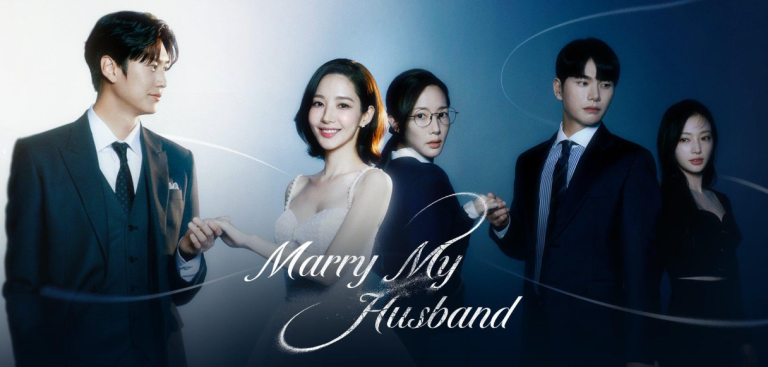
Marry My Husband: A Calculated Revenge Across Time
Marry My Husband transforms the age-old tale of betrayal and revenge into a meticulously crafted narrative of empowerment and justice. Park Min-young stars as Kang Ji-won, a woman suffering from a terminal illness who discovers her husband and best friend are having an affair. After a violent confrontation leads to her death, she miraculously wakes up ten years in the past, granted a second chance to rewrite her tragic fate.
This is not merely a story of vengeance, but one of radical self-transformation. Ji-won, once a victim, leverages her foreknowledge to turn the tables on her deceitful husband and treacherous best friend, meticulously planning their downfall while forging her own path to happiness and success. The drama is a pure delight for viewers who relish seeing a protagonist reclaim her agency, evolving from passive recipient of injustice to the architect of her own destiny, delivering a satisfyingly cold dish of revenge with every calculated move.
The Craft of Time Travel: Common Tropes and Their Limitations
Time travel in K-dramas, while incredibly diverse in its execution, often relies on specific narrative tropes and mechanisms that define its boundaries within each story. These can range from mystical artifacts and supernatural interventions to more scientifically-tinged temporal displacements, each introducing its own set of rules and potential limitations.
The allure of these tropes lies in their ability to instantly establish the framework of the time travel, allowing the audience to quickly grasp the unique parameters of the journey. However, managing these fantastical elements without creating narrative inconsistencies presents a significant challenge for storytellers, requiring careful adherence to established internal logic to maintain viewer trust and engagement.
Navigating Paradoxes and Plot Holes
A perennial challenge in any time-travel narrative is the avoidance of paradoxes and plot holes, which can quickly undermine the credibility of a story. K-dramas, while generally excelling in emotional depth, sometimes embrace a degree of “temporal exaggeration,” as subtly referenced in the source for shows like Reborn Rich, where the sheer volume of changes and interactions across time might stretch the boundaries of conventional logic.
This isn’t necessarily a flaw, but rather a stylistic choice that prioritizes emotional impact and narrative momentum over strict scientific adherence. Often, the internal rules of time travel are loosely defined or selectively applied to serve the plot’s emotional beats, allowing for dramatic tension and character growth even if the mechanics might not withstand rigorous scrutiny. The key is for the drama to remain consistent within its own established, albeit flexible, temporal framework.
The Emotional Weight of Temporal Shifts
Beyond the mechanics, the true power of time travel in K-dramas often resides in its emotional repercussions. Characters are frequently burdened by the weight of their foreknowledge, the sacrifices required to change a timeline, or the pain of confronting past selves or lost loved ones. This emotional complexity adds significant depth, making the temporal shifts far more than just plot devices.
The ethical dilemmas faced by protagonists—such as whether to reveal future events, interfere with personal histories, or accept predetermined tragedies—are central to these narratives. These choices highlight the inherent challenges of wielding such power, revealing that even with the ability to alter time, human emotions and moral considerations remain profoundly influential. The emotional journey often takes precedence over the scientific feasibility, enriching the viewer’s experience.
Beyond the Screen: How Time-Travel K-dramas Shape Nerd Culture and Future Trends
Time-travel K-dramas do more than just entertain; they actively contribute to and shape ‘nerd’ culture by offering intricate narratives, unique world-building, and profound emotional depth that enthusiasts crave. These shows become touchstones for discussion, analysis, and fan theories, fostering a vibrant global community around shared temporal fascinations.
The genre’s ability to blend familiar tropes with fresh cultural perspectives ensures its enduring appeal. For a ‘nerd’ audience, which often values intellectual engagement and a sense of belonging to a specialized community, these K-dramas provide fertile ground for both. From dissecting plot paradoxes to celebrating iconic character dynamics, the communal aspect of appreciating these complex narratives is a significant part of their impact.
The Enduring Appeal to a Dedicated Audience
The dedicated ‘nerd’ audience finds particular satisfaction in the intricate plotlines and character-driven stories that time-travel K-dramas frequently offer. These viewers appreciate narratives that demand attention, reward careful observation, and provide ample material for discussion and speculation. The phenomenon seen with Lovely Runner, where phrases like “Sunjae-ya” transcended the screen to become a global fan identifier, exemplifies this deep engagement.
This level of audience investment is a testament to the quality of storytelling, which successfully balances high-concept fantasy with relatable human emotions. It’s not just about watching a show; it’s about joining a collective experience, participating in a cultural phenomenon that values depth, originality, and the sheer joy of imaginative exploration. The dedication of fans to uncover every detail and celebrate every emotional beat strengthens the genre’s cultural footprint.
Evolving Narratives and Future Horizons
The time-travel K-drama genre is far from static; it continues to evolve, pushing boundaries and exploring new narrative avenues. Future trends may see an even greater integration of complex scientific concepts, more diverse historical settings, or innovative ways to depict temporal mechanics, moving beyond simple portals or magical occurrences. There’s a growing appetite for stories that delve deeper into the philosophical implications of time manipulation, rather than just its immediate romantic or revenge-driven consequences.
Moreover, as K-drama production values continue to rise and global collaboration becomes more common, the genre may witness bolder experiments in visual effects and storytelling structures. This evolution promises even more sophisticated and thought-provoking narratives, ensuring that time-travel K-dramas remain at the forefront of speculative fiction and continue to surprise and delight their ever-expanding global fanbase, including the most discerning of ‘nerds’.
Frequently Asked Questions About Time-Travel K-dramas
For those new to the captivating world of K-dramas or specifically interested in the time-travel genre, several common questions often arise. This section aims to address these queries, providing clarity and further insight into the unique aspects of these popular shows.
What makes time-travel K-dramas so popular?
Time-travel K-dramas captivate audiences due to their unique blend of genres, offering something for everyone. They combine thrilling suspense, heartwarming romance, comedic situations, and profound emotional drama, all wrapped within an intriguing temporal premise. The ability to explore alternate histories, change fateful events, or simply witness characters adapting to different eras provides a fresh perspective on storytelling. This narrative flexibility, coupled with high production quality and compelling performances, creates an immersive experience that resonates deeply with viewers worldwide, making them exceptionally popular.
Are all time-travel K-dramas historically set?
No, not all time-travel K-dramas are exclusively set in historical periods. While many popular series, like Mr. Queen, skillfully use historical backdrops for comedic or dramatic effect, a significant number explore contemporary settings with characters traveling to the past or future. Examples like 18 Again and Marry My Husband demonstrate how time travel can be effectively utilized within modern contexts to explore personal growth, revenge, or second chances. The genre is incredibly versatile, allowing for a wide range of settings and thematic explorations beyond historical sageuks.
Do time-travel K-dramas always have happy endings?
The endings of time-travel K-dramas vary significantly, reflecting the diverse narrative goals of each series. While many dramas aim for satisfying resolutions, happy endings are not guaranteed. The nature of time travel often involves sacrifices, bittersweet farewells, or complex compromises, especially when characters must choose between altering history and preserving their present. Some may conclude with protagonists returning to their original timelines, others with new realities formed, and a few with poignant, open-ended conclusions. It’s the journey and the emotional impact that often take precedence over a definitively “happy” resolution.
What themes are commonly explored in these dramas?
Time-travel K-dramas frequently delve into universal themes such as fate versus free will, the consequences of altering the past, the search for identity, and the enduring power of love and family. They often examine themes of justice, revenge, and redemption, providing characters with opportunities to rectify past wrongs or forge new paths. The clash between different eras also highlights societal norms, cultural values, and the evolution of human relationships. These profound explorations, wrapped in engaging plots, contribute to the genre’s rich appeal and intellectual depth.
How do K-dramas handle time paradoxes?
K-dramas approach time paradoxes with varying degrees of logical rigor. Some series establish clear rules for their temporal mechanics, striving for consistency and addressing potential paradoxes directly. Others prioritize emotional narrative over strict scientific consistency, sometimes employing what could be termed “temporal exaggeration” to facilitate plot development. Often, the resolution of paradoxes is tied to the emotional journey of the characters, suggesting that love, sacrifice, or destiny itself can override logical inconsistencies. The storytelling tends to focus on the human impact of time travel rather than absolute adherence to theoretical physics.
Are there different types of time travel mechanisms in K-dramas?
Yes, K-dramas depict a fascinating array of time travel mechanisms. These can range from supernatural elements like magical portals, mystical objects, or divine intervention to more quasi-scientific methods such as sudden unexplained jumps or highly conceptual temporal shifts. Some dramas feature characters whose souls possess bodies in different eras, while others involve physical transportation. The variety of these mechanisms adds to the genre’s creativity, allowing each series to establish its unique set of rules and limitations, which in turn influences the narrative’s tone and potential outcomes.
The Next Smart Move: Embracing the Richness of Time-Travel K-dramas
Having journeyed through the intricate worlds of these seven remarkable time-travel K-dramas, it becomes abundantly clear that this genre offers far more than simple escapism. It presents a profound exploration of human nature, destiny, and the countless ways in which our past, present, and future are inextricably linked. For the dedicated ‘nerd’ and the casual viewer alike, these series provide a rich tapestry of emotion, intellectual stimulation, and unforgettable storytelling that firmly establishes K-dramas as a powerhouse in global entertainment.
The sheer variety on display—from the comedic brilliance of a chef in a queen’s body to the intense satisfaction of a meticulously planned revenge—underscores the genre’s flexibility and its capacity to cater to diverse tastes. Each drama challenges viewers to consider fundamental questions: What would you change if given a second chance? How would you navigate a world utterly different from your own? And what lengths would you go to protect the ones you love across the barriers of time?
As the landscape of digital streaming continues to expand, the accessibility of these extraordinary narratives grows with it, inviting new audiences to discover the unique charm and narrative depth that K-dramas bring to the table. Whether you’re drawn to historical intrigue, modern romance, or high-stakes drama, there is undoubtedly a time-travel K-drama waiting to become your next obsession. So, arm yourself with tissues, clear your schedule, and prepare to embark on an unparalleled viewing experience that promises to resonate deeply and leave a lasting impression. Don’t just watch; immerse yourself in the temporal magic that these K-dramas so brilliantly weave.











Post Comment