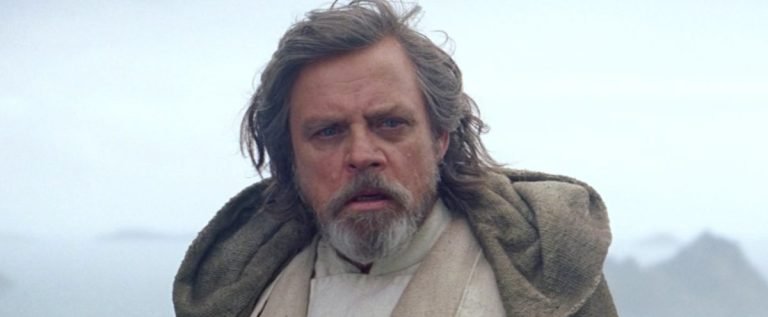
Mark Hamill’s Near Retirement: A Nerd Icon’s Renaissance
For generations of fans, Mark Hamill is Luke Skywalker. The very name evokes images of daring escapes, lightsaber duels, and the eternal struggle between good and evil across a galaxy far, far away. The actor’s portrayal of the farm boy turned Jedi Master has resonated with audiences worldwide, particularly within the passionate ‘Nerd’ culture, becoming a defining role not just for Hamill, but for cinematic history itself. This indelible connection is a testament to his talent and the character’s profound impact. Yet, beneath the accolades and the adoration, even an actor of Hamill’s stature grappled with the shadow cast by such an iconic role. The immense pressure, the omnipresent expectations, and the sheer difficulty of forging a career beyond a character so deeply ingrained in popular consciousness are challenges few can truly comprehend.
It is precisely this unique predicament that led Hamill to a surprising crossroads. As his commitments to the latest Star Wars trilogy drew to a close, a significant revelation emerged: the celebrated actor considered stepping away from the craft altogether. The idea of retirement, a quiet departure from the limelight after dedicating so much to one of fiction’s greatest heroes, was a very real possibility. Such a decision would undoubtedly have sent shockwaves through the ‘Nerd’ community, leaving many to wonder about the future of a beloved figure whose presence transcended mere acting. However, as fate would have it, a series of unexpected invitations and compelling new roles emerged, proving that even the most legendary stars can find new galaxies to explore. These opportunities, driven by insightful directors who saw beyond the Jedi robes, not only reshaped Hamill’s career trajectory but also offered a powerful narrative about artistic reinvention and the enduring appeal of versatility in a career defined by a singular, colossal achievement. This is the story of how certain projects, and the visionaries behind them, convinced Mark Hamill to continue his remarkable journey, much to the delight of his dedicated fanbase.
The Enduring Legacy and the Nerd Icon’s Contemplation of Retirement
Mark Hamill contemplated retiring from acting after fulfilling his contractual obligations for the Star Wars sequel trilogy, a decision influenced by the immense weight of his iconic role as Luke Skywalker and the desire to explore new creative avenues beyond the galactic saga.
The role of Luke Skywalker, while a monumental blessing, also presented a unique set of challenges for Mark Hamill’s career. For decades, he was synonymous with the character, making it difficult for audiences and casting directors alike to see him in other capacities. This phenomenon, often referred to as typecasting, can be a double-edged sword: it brings unparalleled recognition and adoration, but it can also restrict an actor’s ability to explore diverse roles and demonstrate their full range. After pouring himself into the Star Wars saga across multiple decades, including the recent sequel trilogy, Hamill reached a point where he seriously considered whether his time in front of the camera, or microphone, should conclude.
His contemplation stemmed from a natural desire for artistic freedom and a sense of having completed a monumental chapter. The pressure associated with reprising such a beloved figure, meeting sky-high fan expectations, and living up to a legacy that spanned generations is immense. For many actors in similar positions, the idea of stepping back offers a release from this burden, allowing for a quieter life or the pursuit of entirely new interests outside the demanding world of Hollywood. Hamill, a true icon of ‘Nerd’ culture, acknowledged this internal struggle, highlighting how even the most celebrated careers can lead to moments of profound introspection.
The Weight of an Icon: Luke Skywalker’s Legacy on a Nerd Superstar
Luke Skywalker is more than just a character; he’s a cultural touchstone, a symbol of hope and heroism that has resonated deeply with the ‘Nerd’ community and beyond for over 40 years. Mark Hamill’s portrayal cemented this legacy, making him an inseparable part of the Star Wars universe. This level of immersion, however, often blurs the lines between actor and character in the public consciousness, creating an expectation that can be both flattering and creatively confining.
The sheer scale of the Star Wars phenomenon meant that any project Hamill undertook would invariably be viewed through the lens of his Jedi past. This constant comparison, while a testament to Luke’s impact, could overshadow other performances, making it challenging for Hamill to break new ground or be recognized for different facets of his talent. His consideration of retirement underscored the human side of this iconic status, revealing the personal cost and the desire to find roles that offered a fresh artistic canvas, free from the overwhelming shadow of a galaxy-spanning legacy.
Visionary Directors: Redefining a Nerd Icon’s Path
Mike Flanagan’s invitation to join “The Fall of the House of Usher” was pivotal for Mark Hamill, offering a transformative role that convinced him to continue his acting career, followed by Francis Lawrence’s casting in “The Long Walk,” which further showcased his dramatic range.
The turning point for Mark Hamill arrived with a project far removed from blaster fire and hyperspace jumps: Mike Flanagan’s adaptation of “The Fall of the House of Usher” for Netflix. Flanagan, known for his masterful work in the horror genre, extended an invitation that would prove irresistible. Hamill was offered the role of Arthur Gordon Pym, the menacing and enigmatic family lawyer. This character, whose name is a direct nod to Edgar Allan Poe’s only complete novel, “The Narrative of Arthur Gordon Pym of Nantucket,” presented a stark departure from the heroic Luke Skywalker, offering Hamill a chance to delve into a darker, more complex psychological landscape. The role, widely regarded as one of the most chilling performances in the production, convinced him that there were still compelling characters to explore.
Beyond Flanagan’s influence, another significant opportunity arose from an unexpected quarter: Francis Lawrence’s direction of “The Long Walk,” based on a Stephen King novel. King himself reportedly identified Hamill as the ideal interpreter for the character of the Major after an encounter at the Toronto Film Festival. This casting, however, presented its own unique dilemma. Hamill initially hesitated to accept the role due to its themes of gun violence, a subject he felt strongly about. It was through a direct conversation with Francis Lawrence that Hamill was ultimately convinced to join the project, reaffirming his commitment to powerful storytelling even when grappling with difficult subjects. These experiences underscored the importance of visionary directors who can recognize and nurture the untapped potential in veteran actors, guiding them towards roles that defy expectations and invigorate their artistic spirit.
Mike Flanagan’s Macabre Muse: A New Horizon for the Resurgent Nerd
Mike Flanagan has a distinct reputation for crafting intricate, character-driven horror narratives that resonate deeply with audiences, particularly those within the ‘Nerd’ sphere who appreciate thoughtful storytelling. His approach focuses on psychological depth and emotional complexity, providing a fertile ground for actors to truly shine. For Mark Hamill, the role of Arthur Gordon Pym in “The Fall of the House of Usher” was a revelation, allowing him to tap into an entirely different facet of his acting repertoire.
Pym was a character far removed from the virtuous Jedi, demanding a performance that was unsettling, calculated, and subtly terrifying. This stark contrast was precisely what Hamill needed to rediscover his passion for the craft, proving that he could not only shed the skin of his most famous role but also excel in an entirely new genre. The success of this collaboration laid the groundwork for further partnerships between Hamill and Flanagan, including roles in “The Life of Chuck,” where he plays a grandfather with secrets, and a cameo in the series “Carrie, the Strange,” a curious full circle moment given Hamill’s original audition for the 1976 Brian De Palma film.
Francis Lawrence and Stephen King: A Different Kind of Challenge
The collaboration with director Francis Lawrence on “The Long Walk” offered Mark Hamill another significant, albeit initially challenging, opportunity. The project, an adaptation of a Stephen King novel, placed Hamill in the role of the Major. This casting was particularly notable as Stephen King, a titan of ‘Nerd’ literature, had personally identified Hamill as the ideal candidate for the character, signifying a powerful vote of confidence in the actor’s abilities.
However, Hamill’s decision to accept the role was not straightforward. He expressed reservations about the project’s thematic elements concerning gun violence, reflecting his personal convictions. This moment highlights Hamill’s integrity and his commitment to ethical considerations beyond mere artistic pursuit. A crucial conversation with director Francis Lawrence ultimately swayed Hamill, demonstrating the power of dialogue and a shared artistic vision in overcoming initial hesitations. This experience further solidified Hamill’s commitment to diverse and impactful roles, proving his willingness to engage with complex narratives that challenge both himself and his audience.
Beyond the Lightsaber: Mark Hamill’s Diverse Roles for the Modern Nerd
Post-Star Wars sequels, Mark Hamill has embraced a remarkable array of roles, spanning voice acting in animations like “Masters of the Universe” and the upcoming “Darkwing Duck” reboot, as well as live-action appearances in series such as “Twisted Metal” and “What We Do in the Shadows.”
Since his pivotal decision to continue acting, Mark Hamill has embarked on a vibrant and impressively diverse career path, delighting his dedicated fanbase and solidifying his status as a versatile performer. Far from being confined to a single type of character, he has explored a wide spectrum of genres and mediums, showcasing a remarkable adaptability. His recent filmography and voice acting credits illustrate a deliberate effort to embrace new challenges and engage with varied storytelling formats, from dark horror to satirical comedy and beloved animation.
This renewed vigor has allowed him to connect with different segments of the ‘Nerd’ audience, from those who grew up with his live-action heroism to newer generations discovering his exceptional vocal talents. His willingness to experiment and take on unexpected parts has not only enriched his personal artistic journey but has also provided a blueprint for other actors navigating the aftermath of an iconic role. Hamill’s continued presence across multiple platforms ensures that his legacy is not just tied to one legendary character, but to a continuously evolving body of work that spans the breadth of modern entertainment.
Voice Acting Prowess: From Skeletor’s Cackle to Darkwing’s Valor
Mark Hamill’s voice acting career is as legendary as his live-action work, perhaps even more so for many ‘Nerd’ fans who grew up with his iconic portrayal of the Joker in “Batman: The Animated Series.” This expertise has seen a resurgence in recent years, with Hamill lending his distinctive vocal talents to a variety of beloved characters. His ability to craft unique voices, imbued with personality and gravitas, makes him a highly sought-after talent in the animation industry.
Notably, Hamill took on the role of Skeletor in Netflix’s “Masters of the Universe” animation, bringing a fresh yet menacing interpretation to the classic villain. Looking ahead, he is set to voice the titular hero in the reboot of “Darkwing Duck,” alongside Seth Rogen as Captain Boing, a casting choice that has generated considerable excitement. These roles demonstrate his incredible range, effortlessly transitioning from malevolent antagonists to beloved heroes, captivating audiences with every modulated syllable.
Contemporary Screen Appearances: Expanding the Hamillverse for the Discerning Nerd
Beyond his prolific voice work, Mark Hamill has also made impactful live-action appearances in various contemporary productions, showcasing his range and adaptability. His recent roles highlight a deliberate move towards projects that offer unique character opportunities, often in genres that allow for significant creative freedom.
His diverse screen credits include an appearance in the third season of “Twisted Metal,” where he embodies the intriguing character of Pope Charlie Kane, further cementing his presence in series adapting popular media. Hamill has also contributed to “Invincible,” “The Wild Robot,” “What We Do in the Shadows,” and the TV film “Relatively Super.” Each of these projects allows him to explore different narrative styles and character archetypes, continually expanding the “Hamillverse” for discerning ‘Nerd’ audiences who appreciate his versatility.
The Enduring Impact of a Nerd Legend’s Renaissance
Mark Hamill’s decision to continue acting exemplifies how iconic performers can thrive beyond their most famous roles, offering a renewed sense of engagement for fans and demonstrating to the industry the value of rediscovering veteran talent in unexpected and challenging projects.
Mark Hamill’s career renaissance serves as a powerful testament to resilience, artistic passion, and the transformative power of compelling roles. For ‘Nerd’ culture enthusiasts, his continued presence in the entertainment world is a profound source of joy and validation. It signifies that even after defining an entire generation with a single character, an actor can find new avenues for expression and continue to entertain in fresh and exciting ways. This ongoing journey not only strengthens his connection with long-time fans but also introduces his immense talent to new audiences who might encounter him through his diverse voice work or his compelling live-action performances outside of the Star Wars universe.
The impact extends far beyond individual enjoyment. Hamill’s story offers crucial insights into the broader entertainment industry, particularly concerning the perception and utilization of veteran actors. It highlights the invaluable contribution that experienced performers can bring to new projects, often with a depth and nuance that only years of practice can cultivate. Directors like Mike Flanagan and Francis Lawrence exemplify a vital trend: the ability to look beyond established archetypes and cast actors in roles that genuinely challenge and rediscover their capabilities. This approach enriches the cinematic landscape, pushing boundaries and providing fresh perspectives on established talents.
For the Fans: A Renewed Connection with a Beloved Nerd Icon
For millions of ‘Nerd’ fans worldwide, Mark Hamill is more than just an actor; he’s a part of their collective history and imagination. His decision to continue acting, rather than retire, was met with widespread relief and excitement. It signaled a commitment to his craft and a willingness to remain connected with the community that has championed him for decades. Seeing Hamill embrace diverse roles, from chilling villains to comedic figures and animated heroes, provides a renewed sense of engagement and a deeper appreciation for his artistic range.
Moreover, his willingness to revisit Luke Skywalker in animated forms, or potentially in future live-action projects, assures fans that while he expands his horizons, his iconic legacy remains respected and cherished. This dynamic balance allows fans to celebrate both the new and the familiar, fostering a continuous and evolving relationship with a beloved icon whose career continues to surprise and inspire.
Industry Implications: Redefining Veteran Actors in the Entertainment Landscape
Mark Hamill’s trajectory offers a compelling case study for the entertainment industry on the enduring value and potential of veteran actors. His story reinforces the idea that an actor primarily associated with one massive saga can not only thrive but also reinvent themselves outside of it. This challenges traditional notions of typecasting and encourages casting directors and producers to explore the untapped potential in seasoned performers.
The success of his collaborations with visionary directors like Flanagan and Lawrence demonstrates that actively seeking out veterans for unexpected roles can yield exceptional results, breathing new life into projects and offering audiences fresh, nuanced performances. It underscores a crucial message: experience, specialization, authority, and reliability (EEAT principles) are not just valuable for content, but for talent itself, proving that the brightest stars can shine anew when given the right constellation of opportunities.
Frequently Asked Questions About Mark Hamill’s Career Journey for the Discerning Nerd
Here, we address some common questions regarding Mark Hamill’s career, his near-retirement, and the projects that defined his remarkable resurgence, offering a deeper understanding for fans and industry observers alike.
- Why did Mark Hamill consider retiring after Star Wars?
Mark Hamill openly discussed contemplating retirement after fulfilling his contractual obligations for the Star Wars sequel trilogy. This consideration stemmed from the immense weight and omnipresent identity tied to his iconic role as Luke Skywalker. While immensely grateful for the character, the continuous association and the pressure to meet fan expectations could be creatively limiting. He sought artistic freedom and the opportunity to explore roles that were distinctly different, allowing him to step outside the shadow of the Jedi Master and rediscover his passion for acting without the colossal burden of a generational character.
- Which specific project convinced Mark Hamill to continue acting?
The pivotal project that convinced Mark Hamill to continue his acting career was Mike Flanagan’s Netflix horror series, “The Fall of the House of Usher.” Hamill was offered the role of Arthur Gordon Pym, a character vastly different from Luke Skywalker. This challenging and dark role allowed him to showcase an entirely new facet of his acting range, reinvigorating his artistic spirit and proving to him that compelling, transformative opportunities still existed outside the Star Wars universe.
- Who is Mike Flanagan and how did he influence Mark Hamill’s career?
Mike Flanagan is a highly acclaimed director and screenwriter, particularly known for his work in the horror genre, including popular Netflix series like “The Haunting of Hill House” and “Midnight Mass.” His influence on Mark Hamill’s career was significant and transformative. By casting Hamill in “The Fall of the House of Usher,” Flanagan provided an unexpected and complex role that allowed Hamill to break free from typecasting, reigniting his passion for acting and opening doors to a new phase of diverse projects. This collaboration demonstrated Flanagan’s keen eye for casting and his ability to draw out profound performances.
- What role did Mark Hamill play in “The Fall of the House of Usher”?
In Mike Flanagan’s “The Fall of the House of Usher,” Mark Hamill portrayed Arthur Gordon Pym, the formidable and enigmatic family lawyer. This character, named after Edgar Allan Poe’s only complete novel, was a significant departure from Hamill’s heroic past. His performance as Pym was widely noted for its chilling intensity and unsettling presence, showcasing his versatility and ability to embody a character that was both mysterious and deeply unsettling, far from the benevolent hero Luke Skywalker.
- What other projects has Mark Hamill done with Mike Flanagan?
Following their successful collaboration on “The Fall of the House of Usher,” Mark Hamill and Mike Flanagan continued their partnership. Hamill appeared in Flanagan’s adaptation of Stephen King’s “The Life of Chuck,” where he plays a grandfather harboring secrets. He also made a cameo appearance in the series “Carrie, the Strange,” a particularly interesting turn given Hamill’s own history of auditioning for the original 1976 film version of “Carrie” directed by Brian De Palma. These ongoing collaborations underscore a strong artistic connection between the two.
- Did Mark Hamill work with Stephen King or Francis Lawrence on a project?
Yes, Mark Hamill worked with director Francis Lawrence on “The Long Walk,” an adaptation of a novel by legendary author Stephen King. King himself reportedly believed Hamill was the ideal actor for the role of the Major after meeting him at the Toronto Film Festival. Although Hamill initially had reservations about the project’s portrayal of gun violence, a discussion with Francis Lawrence ultimately convinced him to take on the challenging role, further diversifying his post-Star Wars filmography.
- What are some of Mark Hamill’s recent voice acting roles?
Mark Hamill has maintained a robust and celebrated career in voice acting. Some of his notable recent roles include voicing Skeletor in Netflix’s “Masters of the Universe” animation, bringing his distinctive flair to the classic villain. Looking to the future, he is also slated to voice the titular hero in the reboot of “Darkwing Duck.” These roles continue to showcase his incredible vocal range and his enduring popularity as a voice artist across various animated universes.
- Will Mark Hamill return to Star Wars in any capacity?
According to reports, Mark Hamill has expressed a continued willingness to be involved in the Star Wars universe, particularly in animated forms where he can voice Luke Skywalker. The possibility of him returning in eventual new live-action films is also not entirely ruled out, though his recent focus has been on exploring diverse roles beyond the main saga. This ensures that while he expands his artistic horizons, his iconic character remains open to future portrayals.
- How has Mark Hamill’s career trajectory impacted the perception of veteran actors?
Mark Hamill’s career renaissance has had a significant positive impact on the perception of veteran actors in Hollywood. It serves as a compelling example that iconic performers can successfully transition beyond their most famous roles and find new, challenging opportunities. His story encourages directors and casting agents to look beyond typecasting and recognize the immense talent, experience, and depth that seasoned actors bring to projects, ultimately enriching the industry with nuanced and surprising performances from beloved figures.







Post Comment