Chucky Exits Dead by Daylight: What This Means for Your Games
In the realm of digital entertainment, where virtual worlds and beloved characters often feel permanent, the reality of licensing agreements frequently introduces an element of transience. This often becomes particularly poignant within the vibrant, ever-evolving ecosystem of live-service games. Few titles embody the spirit of cross-franchise collaboration quite like Behaviour Interactive’s Dead by Daylight, a horror game that has masterfully united iconic figures from across film and television into its terrifying Fog. However, even the most cherished partnerships can come to an end, casting a shadow of finality over the digital landscape.
The latest such development has sent ripples through its dedicated fanbase: Chucky, the infamous Good Guy doll from the Child’s Play franchise, is slated to depart from Dead by Daylight. This announcement, confirming his removal from digital storefronts on November 24, 2026, has ignited discussions about the future of licensed content, player ownership, and the dynamic business models that define modern gaming. For many, Chucky’s presence represented a chilling yet welcome addition, a pint-sized terror bringing a unique blend of menace and dark humor to the game’s asymmetrical horrors. His impending exit, though still distant, compels a closer examination of the intricate ballet between intellectual property rights and the continuous demand for fresh, engaging content in the competitive world of games.
This isn’t merely a character leaving a game; it’s a window into the broader challenges faced by developers who rely on external IPs to enrich their experiences. It prompts us to consider the underlying mechanisms that govern these partnerships, the implications for player investment, and the strategic shifts that studios must navigate to maintain relevance and offer compelling experiences. As the date approaches, players are left to ponder what this means for their collections, the game’s legacy, and the potential for other beloved characters to face similar fates. The story of Chucky’s departure is more than just a news item; it’s a crucial case study in the volatile yet thrilling evolution of licensed content in contemporary games.
Chucky’s Departure from Dead by Daylight: A Deeper Look into Licensed Content in Games
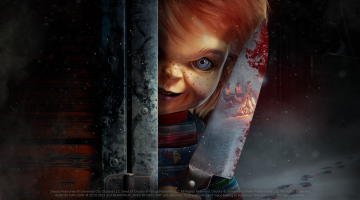
Chucky, the notorious killer doll, is officially leaving Dead by Daylight, with his chapter content being removed from digital stores on November 24, 2026, at 11 AM New York time. This impacts the playable Chucky killer and the legendary Tiffany cosmetic. Behaviour Interactive explained that such removals stem from the inability to renew licensing rights, despite their best efforts. Crucially, players who already own Chucky, his perks, or associated cosmetics will retain full access and can continue to use them in the game indefinitely.
The announcement from Behaviour Interactive confirms that the complete Chucky Chapter, which introduced the iconic killer into The Fog, will no longer be available for purchase after the specified date. This includes not only the base character but also the highly popular legendary outfit featuring Tiffany, Chucky’s equally maniacal bride. For those who have yet to acquire these items, a clear deadline now exists to ensure they can secure the content before its removal from in-game and first-party storefronts.
The underlying reason for these departures, as articulated by the studio, revolves entirely around the complex world of licensing agreements. Maintaining the rights to use well-known intellectual properties, especially those as famous as the Child’s Play franchise, requires continuous negotiations and significant financial investment. When these agreements cannot be renewed, despite the developer’s best intentions, the removal of content becomes an unavoidable necessity rather than a strategic choice. This reality often goes unnoticed by players, who might perceive such exits as arbitrary, but they are deeply rooted in the legal and commercial frameworks that govern cross-IP collaborations in the games industry.
A critical silver lining, and a point of reassurance for the dedicated fanbase, is the confirmation that existing owners will not lose their purchased content. Anyone who has already unlocked Chucky as an assassin, acquired his unique perks, or bought any of his cosmetic items will retain permanent access. This commitment to player investment is vital for maintaining trust within the live-service model, where players often invest considerable time and money into their digital collections. It helps mitigate the frustration that naturally arises when beloved content becomes unavailable to new players, striking a balance between business realities and player satisfaction in the evolving landscape of modern games.
The Volatile Nature of Licensing in Modern Games
Live-service games are designed to evolve, constantly introducing new content, characters, and events to keep players engaged over extended periods. This model, while exciting, also introduces inherent volatility, particularly when it relies on external intellectual properties. The inclusion of iconic characters like Chucky provides immediate appeal and expands a game’s reach, but it also ties the game’s content directly to the often-temporary nature of licensing agreements.
From a developer’s perspective, the ideal scenario is to secure perpetual licenses for popular horror icons, ensuring they remain a permanent fixture in their games. However, this is frequently an aspiration rather than a guarantee. The reality of intellectual property ownership means that renewal negotiations can be complex, involving multiple stakeholders, varying commercial interests, and fluctuating market values. When these negotiations fail to yield a mutually agreeable outcome, despite the developer’s expressed desire to retain the content, the removal of licensed characters becomes an unavoidable consequence, dictated by external legal and business constraints rather than internal design choices.
Player Impact and Ownership in Digital Games
The departure of a character like Chucky from Dead by Daylight carries significant implications for its player base. For those who have already purchased the Chucky Chapter, the guarantee of continued access is a crucial aspect of digital ownership. It affirms that their investment is protected, allowing them to keep and utilize the content they acquired, even if it is no longer available to new players. This policy helps preserve a sense of fairness and respect for the player community.
Conversely, for players who have not yet acquired Chucky, or who may have only recently joined the game, his impending removal represents a missed opportunity and a source of potential disappointment. It creates a sense of urgency to purchase the content before the deadline, adding pressure to their gaming decisions. This situation highlights a broader challenge in the digital games market: the transient availability of certain content due to licensing, which can segment the player experience based on when they joined or what they managed to acquire within specific windows. It underscores the unique dynamic of digital collections, where availability can be time-sensitive and dictated by factors beyond the game’s core development.
A Recurring Nightmare: Chucky Joins a Lineup of Departing Horror Icons in Games
Chucky’s upcoming exit from Dead by Daylight is not an isolated incident; he follows a pattern established by other prominent horror figures who have previously departed the game. This recurring phenomenon highlights the dynamic and often unpredictable nature of licensing agreements within the games industry. The cycle of beloved characters entering and leaving The Fog has become a familiar, albeit sometimes frustrating, aspect of the Dead by Daylight experience.
Prior to Chucky, several other fan-favorite licensed killers made their exits. Michael Myers, the relentless antagonist from the Halloween franchise, departed the game in January of the current year. Before him, Pinhead, the enigmatic cenobite from Hellraiser, was removed the previous year. These consecutive departures underscore a consistent challenge for developers of live-service games that heavily rely on cross-IP content. While Behaviour Interactive consistently states that these removals are due to licensing impossibilities, fans often speculate on additional contributing factors.
Some theories among the community suggested that the departures of Myers and Pinhead might have been influenced by the development or release of new games tied to their respective franchises, such as ‘Halloween: The Game’ and ‘Hellraiser: Revival’. However, it is crucial to emphasize that these remain unconfirmed fan suppositions, without any official corroboration from the involved companies. This illustrates the inherent difficulty in fully understanding the intricacies of licensing decisions, which are often shielded by confidentiality agreements and complex business strategies that extend far beyond public view. The lack of complete transparency, while understandable from a business perspective, often leaves players to connect dots with limited information.
Despite the recurring exits, there remains a beacon of hope for fans longing for the return of their favorite characters. The Demogorgon, the terrifying creature from Stranger Things, notably left Dead by Daylight in 2021, only to make a triumphant return two years later. This precedent vividly demonstrates that a character’s departure is not necessarily permanent. Behaviour Interactive has consistently maintained an “open invitation” for these horror icons to re-enter or return to the game should future opportunities for license renewal arise. This possibility, though uncertain, offers a comforting thought to fans of Chucky, Pinhead, and Michael Myers, suggesting that their time in The Fog might not be over indefinitely within the expansive world of games.
Beyond Chucky: The Strategic Evolution of Horror Crossovers in Games
While the departure of a popular character like Chucky might initially seem like a loss, these events can also be viewed as catalysts for strategic evolution within the games industry, particularly for titles that thrive on crossover content. This continuous flux, driven by licensing agreements, forces developers to continually refine their approach to content acquisition and retention, ultimately leading to more robust and adaptable strategies for future integrations. It challenges the notion of static game libraries and pushes studios to innovate beyond simple additions.
The challenges presented by expiring licenses compel developers to think creatively about how they manage their intellectual property portfolio. This includes exploring new partnerships with alternative horror franchises, developing compelling original characters, or implementing rotation strategies for licensed content to keep the game fresh without long-term dependency on any single IP. Such an approach fosters a more dynamic environment where the absence of one icon can pave the way for the introduction of another, maintaining a constant state of novelty for the player base. This strategic adaptability is key to longevity in the competitive live-service games market, ensuring that the game can thrive even as its content roster changes.
Furthermore, these experiences contribute to the collective learning curve for the entire industry regarding intellectual property management. Developers can draw on past experiences to negotiate more favorable or flexible licensing terms, establish clearer exit strategies from the outset, or even explore co-ownership models where feasible. This ongoing refinement of best practices benefits not only individual studios but also helps shape the future landscape of licensed content in games, moving towards agreements that are more sustainable and predictable for both creators and consumers. The goal is to transform what appears to be a limitation into an opportunity for greater innovation and stability in content development.
The Intricacies of IP: Understanding the Limitations of Licensed Characters in Games
The reliance on third-party intellectual property, while immensely beneficial for drawing in diverse fanbases and enriching game universes, comes with inherent limitations that developers must navigate. The most significant of these is the finite nature of licensing agreements. Unlike original content, which remains under the full control of the game developer, licensed characters are essentially borrowed, subject to contractual terms that dictate their duration, usage, and eventual removal. This fundamental distinction underpins many of the challenges seen with characters like Chucky.
The process of renewal for these licenses is a continuous, often arduous, negotiation. It involves various stakeholders, including the IP owners, their legal teams, and the game developers, each with their own commercial objectives and creative visions. Factors such as changing market values of the IP, strategic shifts by the owners, or even the development of competing products can all complicate or ultimately derail renewal efforts. This constant cycle of negotiation places a significant burden on studios, diverting resources that might otherwise be used for new content development, and introducing an element of uncertainty into their long-term content plans for their games.
For players, these limitations translate directly into potential disappointment and a sense of impermanence regarding their favorite characters. The understanding that a beloved icon might disappear from the game at some point can temper enthusiasm for new licensed additions and even create a reluctance to invest in them. This challenge extends to the broader content library of a game, where the removal of popular characters can be seen as diminishing its overall value and appeal. Therefore, while licensed content brings undeniable advantages, it also demands careful management and transparent communication to mitigate the inherent risks and maintain player satisfaction within the dynamic ecosystem of modern games.
Unpacking the Myths: Common Misconceptions and Best Practices in Live-Service Games
When iconic characters like Chucky depart from popular games, it often sparks a flurry of speculation and gives rise to various misconceptions among the player community. Understanding these myths and the best practices employed by developers can help contextualize these events and foster a clearer appreciation for the complexities of the gaming industry.
Common Misconceptions About Character Departures
One prevalent misconception is that a licensed character’s exit from a game automatically signals the imminent development of a new, standalone title for that particular franchise. For instance, some fans might assume Chucky’s departure from Dead by Daylight suggests a new Child’s Play game is on the horizon. However, this is rarely the case. While some IPs might indeed have other games in production, a character’s removal from a crossover title is almost exclusively due to licensing issues, not a direct precursor to a new standalone project. Chucky, for example, has appeared as a playable character in diverse titles like Funko Fusion, Call of Duty: Warzone, and Call of Duty: Black Ops, demonstrating that IP usage is often multifaceted and not exclusively tied to any single development.
Another common misbelief is that the game developer willingly chooses to remove popular content. This implies a strategic decision to reduce the game’s appeal, which is counterintuitive for a live-service model thriving on engagement. As Behaviour Interactive has clarified, these departures are not a choice but an unavoidable consequence of licensing agreements that cannot be renewed. Developers typically invest significant resources and effort into acquiring and integrating these characters, making their removal a last resort rather than a planned action. The decision is almost always external, driven by the IP holder’s terms or the inability to meet the financial or legal conditions required for continuation.
Best Practices for Developers and Players in a Dynamic Gaming Ecosystem
For developers, transparency stands as a crucial best practice in managing character departures. Openly communicating the reasons behind removals, even if limited by contractual obligations, helps to manage player expectations and mitigate frustration. Providing a clear timeline for content availability, as seen with Chucky’s announced departure date, empowers players to make informed decisions. This approach builds trust and demonstrates respect for the player base, transforming a potentially negative event into an opportunity for clear communication.
For players, a key best practice involves understanding the inherent nature of licensed content in digital games. Recognizing that some content may have a finite lifespan due to external agreements encourages proactive engagement, such as acquiring desired items before announced deadlines. Furthermore, fostering a nuanced perspective on digital ownership, where access to certain content might be time-sensitive, helps in managing personal expectations. This collective understanding among both developers and players is essential for navigating the dynamic and often unpredictable landscape of modern gaming, where novelty and loss exist in a delicate, continuous balance.
The Horizon of Crossover Games: Future Trends and Player Expectations
The continuous cycle of beloved characters entering and exiting popular live-service games, exemplified by Chucky’s impending departure, signals a pivotal moment for understanding future trends in the crossover gaming landscape. This dynamic reality forces both developers and players to reconsider their expectations regarding content permanence and the evolving business models that underpin these experiences. The industry is constantly learning and adapting, with each departure contributing to a richer understanding of sustainable content strategies.
Looking ahead, developers of titles like Dead by Daylight may increasingly adopt strategies to mitigate the impact of future license expirations. This could involve negotiating more flexible or extended initial contract terms, perhaps even exploring models that offer tiered licensing for different content categories. Another trend might see an increased focus on developing compelling original characters and lore, building a robust core identity that is less reliant on external IPs for long-term engagement. This balance between original and licensed content becomes crucial for a game’s enduring success and its ability to withstand the inevitable shifts in third-party agreements. Furthermore, the concept of a rotating roster of licensed characters could gain traction, where iconic figures make temporary appearances, ensuring novelty while implicitly setting player expectations for their eventual departure, thereby transforming perceived limitations into a curated experience.
For players, the trend points towards a heightened awareness of content longevity and digital ownership. The experiences with characters like Chucky and Michael Myers reinforce the idea that acquiring licensed content often comes with an implicit expiration date for its availability to new purchasers. This understanding will likely lead to more informed decisions about in-game investments and a greater appreciation for the transient nature of certain digital assets. Ultimately, the future of crossover games will likely be characterized by a more nuanced equilibrium between the excitement of new licensed content and the pragmatic acceptance of its potential impermanence. The industry lives on this delicate balance of novelty and loss, continuously reinventing itself to maintain engagement and deliver fresh, albeit sometimes temporary, thrills.
Securing Your Legacy: What Chucky’s Exit Means for Your Games Collection
Chucky’s upcoming departure from Dead by Daylight serves as a potent reminder of the fluid nature of digital ownership in the world of games. For players, understanding the implications of this event is crucial for managing their expectations and ensuring their virtual collections align with their long-term gaming desires. It highlights the importance of making informed decisions regarding content acquisition within the often-temporary window of licensed availability, a common reality in modern gaming experiences.
The most immediate and critical takeaway for the player base is the confirmed retention of already-owned content. If you have previously purchased the Chucky Chapter, including the killer himself, his associated perks, or the legendary Tiffany cosmetic, these items will remain permanently in your possession and fully accessible within the game. This policy safeguards your investment and ensures that your existing horror ensemble remains intact, regardless of future storefront changes. It underscores a fundamental principle of player-centric content management, where prior purchases are honored even when new sales cease.
However, for those who have yet to add the Good Guy doll to their roster of killers, the November 24, 2026, deadline represents a definitive cutoff point. After this date, the Chucky Chapter will be completely removed from all digital storefronts, rendering it impossible to acquire for new players. This creates a clear window of opportunity that compels potential purchasers to act now if they wish to secure this piece of horror history for their games collection. The situation emphasizes the concept of scarcity in the digital realm, where even virtual items can become unavailable, increasing their perceived value for those who possess them.
Ultimately, Chucky’s exit is more than just a character leaving a game; it’s a significant case study in the ongoing dialogue about content licensing, digital asset management, and the evolving relationship between players and developers in the live-service sector. It reinforces the idea that while new content continuously arrives, certain beloved additions may also depart, shaping a gaming landscape that is perpetually in motion. By understanding these dynamics, players can better navigate their choices, ensuring their personal collection of games continues to bring them satisfaction for years to come.
Frequently Asked Questions About Licensed Content in Games
| Question | Answer Overview |
|---|---|
| When is Chucky leaving Dead by Daylight? | Chucky will be removed from all digital storefronts for Dead by Daylight on November 24, 2026, at 11 AM New York time. This is a definitive date for his content no longer being available for new purchases. |
| What content related to Chucky will be removed? | The removal affects the complete Chucky Chapter, which includes the playable Chucky killer and the legendary outfit for Tiffany, the Bride of Chucky. All associated perks and cosmetic items linked to this chapter will cease to be purchasable. |
| If I already own Chucky, will I lose access to him? | No, if you already own the Chucky Chapter, the killer, his perks, or any associated cosmetic items, you will retain full and permanent access to them. Behaviour Interactive has confirmed that existing owners will not lose their purchased content. |
| Why do licensed characters leave games like Dead by Daylight? | Licensed characters depart when the game developer, Behaviour Interactive in this case, is unable to renew the licensing rights with the intellectual property owner. Despite efforts to maintain these agreements, commercial and legal factors can prevent renewals, leading to the content’s removal from sale. |
| Have other characters left Dead by Daylight before? | Yes, Chucky is not the first. Michael Myers from the Halloween franchise departed in January, and Pinhead from Hellraiser left the previous year. These instances highlight a recurring pattern in games that rely heavily on third-party licensed content. |
| Is there any chance Chucky could return to the game? | There is always a possibility. Behaviour Interactive maintains an “open invitation” for departed horror icons to return if future opportunities for license renewal arise. The Demogorgon from Stranger Things, for example, returned to the game two years after its initial departure, setting a precedent for potential comebacks. |
| Does Chucky’s departure mean a new Child’s Play game is coming? | No, a character’s departure from a crossover game like Dead by Daylight is typically due to licensing renewal issues and does not necessarily indicate a new standalone game for that franchise is in production. Chucky has appeared in various other games, demonstrating that IP usage is diverse and not linked to any single project. |
| What does this situation teach us about the future of licensed content in games? | It teaches us about the transient nature of licensed content and the importance of understanding digital ownership. Developers must adapt strategies for content management, while players should be aware that certain purchases may have a limited availability window, impacting their long-term games collection. |
The gaming world, particularly the vibrant ecosystem of live-service titles, thrives on constant evolution and the excitement of new content. However, as Chucky prepares to exit Dead by Daylight, it serves as a powerful reminder of the underlying complexities that govern these experiences. The intricate dance between intellectual property rights, player investment, and developer strategies shapes a landscape where beloved icons can, and often do, have finite tenures. This isn’t merely a conclusion to one chapter but an ongoing lesson in the dynamic nature of digital entertainment.
For fans, the impending November 24, 2026, deadline for Chucky’s purchase marks a pivotal moment to secure a piece of gaming history, ensuring he remains a part of their personal collection. For the industry, it’s a continuous push towards innovation, transparency, and the development of sustainable content models that respect both the creative owners and the passionate player base. As the digital fog of Dead by Daylight continues to draw in new horrors, the story of Chucky’s departure will undoubtedly echo as a testament to the ever-changing, yet endlessly fascinating, journey of licensed characters within the vast universe of modern games.










Post Comment