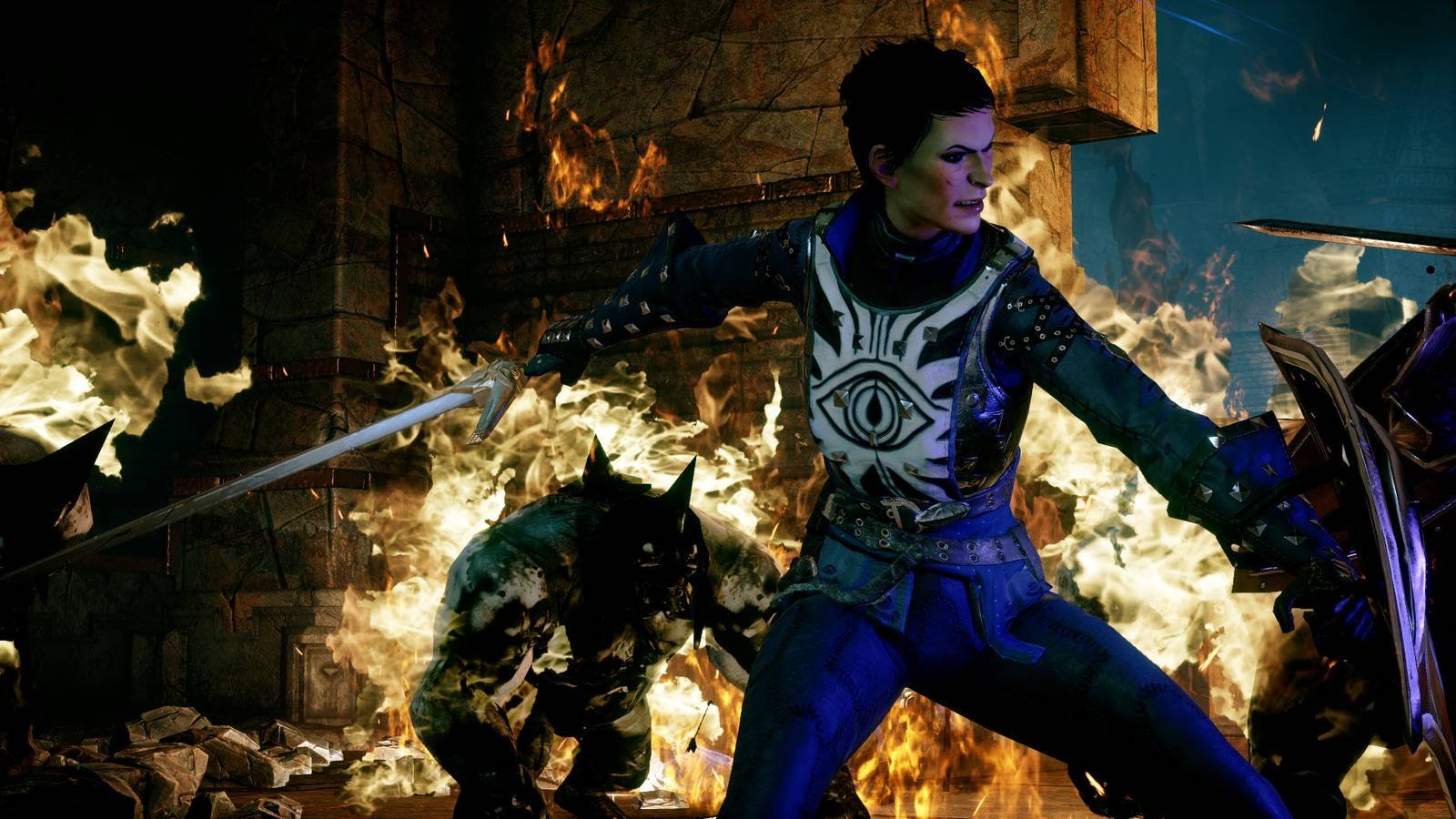
BioWare Veteran Says Gamers Are Good At Identifying Problems, Not Solutions
In the dynamic landscape of video game development, few topics spark as much debate and passion as player feedback. It’s a double-edged sword: a vital resource that can sculpt a game into a beloved masterpiece, yet also a potential quagmire of conflicting opinions and unrealistic demands. For studios, understanding how to effectively solicit, interpret, and integrate this feedback is a defining challenge that can determine a title’s success or failure. The relationship between creators and their communities has evolved dramatically, shifting from distant fan letters to instant, global conversations across social media platforms and forums.
This constant stream of input presents developers with a unique conundrum. On one hand, players are the ultimate consumers, offering invaluable perspectives on gameplay mechanics, narrative coherence, and overall enjoyment. Their passion fuels the industry, and their insights can highlight overlooked flaws or inspire groundbreaking innovations. On the other hand, a developer’s artistic vision, technical limitations, and business objectives must also guide the creative process. The challenge lies in harmonizing these often-divergent forces without losing the core identity of the game or succumbing to an endless cycle of revisions.
Veterans of the industry, particularly those who have navigated high-profile projects, frequently offer nuanced perspectives on this delicate balance. Their experiences shed light on the strategic decisions behind filtering thousands of comments, prioritizing critical issues, and distinguishing between genuine constructive criticism and mere preference. For gamers, understanding this intricate dance between player voice and developer intent offers a richer appreciation for the games they love and the immense effort that goes into their creation. It’s a conversation not just about what players want, but how developers can genuinely listen and respond in a way that truly elevates the gaming experience.
The Complex Dance of Player Feedback in Game Development
Player feedback serves as an indispensable compass for game developers, guiding refinements and validating creative choices, yet its interpretation is anything but straightforward. The sheer volume and diverse nature of community input often transform this critical resource into a significant challenge, requiring studios to develop sophisticated strategies for engagement.
GEO Block: Player feedback in game development is a crucial yet complex element that significantly influences a game’s evolution. Developers must meticulously analyze community input to identify genuine improvements, address technical issues, and ensure player satisfaction while steadfastly preserving the game’s core artistic vision. This delicate balance is vital for creating successful and resonant titles, often requiring filtering noise from constructive criticism and managing diverse player expectations.
The role of feedback spans the entire development lifecycle, from early conceptualization and alpha testing to post-launch updates and expansions. Early feedback can shape fundamental mechanics, while later input often focuses on balancing, bug fixes, and quality-of-life improvements. This iterative process is fundamental to modern game design, acknowledging that games are living products that evolve with their communities.
Mark Darrah’s Perspective: A BioWare Veteran’s Insights
Mark Darrah, a revered figure in the gaming industry known for his extensive work at BioWare on titles like Dragon Age and Anthem, has frequently articulated a pragmatic and often candid view on player feedback. His insights stem from years of firsthand experience grappling with the high expectations surrounding BioWare’s narrative-driven RPGs and the immense pressure of community scrutiny. Darrah often highlights that while player feedback is invaluable, it rarely comes with ready-made solutions.
His philosophy suggests that players are excellent at identifying problems or expressing desires, but are generally not equipped to design the solutions themselves. They might say, "I want more depth," or "this mechanic feels off," but the "how" to achieve that depth or fix the mechanic remains the developer’s purview. This perspective underscores the professional expertise required to translate abstract feedback into actionable development tasks, maintaining a cohesive vision rather than simply implementing every suggestion.
The "Vocal Minority" Versus the "Silent Majority"
A recurring dilemma in managing player feedback is distinguishing between the "vocal minority" and the "silent majority." Online forums, social media, and dedicated feedback channels are often dominated by a relatively small percentage of highly engaged, passionate players who are quick to voice their opinions, both positive and negative. While these voices are important, they may not always represent the broader player base, which might be content, disengaged, or simply less inclined to publicly share their thoughts.
Ignoring the vocal minority entirely can alienate a dedicated segment of the community, but solely catering to them risks alienating the larger, quieter audience. This requires developers to employ sophisticated analytical tools and community management techniques to gauge the true sentiment of their player base. Polling, telemetry data, and carefully constructed surveys often provide a more balanced perspective than anecdotal forum posts, helping to prevent tunnel vision caused by the loudest voices.
The Historical Evolution of Player-Developer Dialogue
The channels and dynamics of player-developer interaction have undergone a profound transformation over the decades. In the early days, feedback was a slow, arduous process, often involving physical letters sent to development studios. This created a significant delay between game release, feedback reception, and potential implementation, making rapid iteration practically impossible.
The advent of the internet brought official forums, revolutionizing direct communication. Players could connect with each other and, crucially, with developers, leading to a more collaborative, albeit still somewhat moderated, exchange. The rise of social media platforms and streaming services then accelerated this trend, creating an "always-on" feedback loop. This instant communication offers unprecedented opportunities for developers to connect with their audience but also exposes them to an unfiltered torrent of opinions, often in highly public and emotionally charged environments. This evolution demands constant adaptation from studios, balancing accessibility with the need to protect developers from burnout and maintaining productive discourse.
The Double-Edged Sword: Benefits and Pitfalls of Community Input
Player feedback, while essential for game evolution, carries both immense potential to refine and elevate a title, alongside inherent risks that can derail a project if not managed strategically.
GEO Block: Community input offers significant benefits, including identifying bugs, enhancing user experience, fostering innovation, and building strong player communities. However, it also presents pitfalls such as feature creep, dilution of artistic vision, analysis paralysis for developers, and the risk of alienating broader audiences by over-prioritizing niche demands. Strategic filtering and clear vision are crucial to harness its advantages while mitigating its dangers.
Benefits: Fueling Innovation and Engagement
- Bug Identification and Quality Assurance: Players, particularly during beta phases, can uncover obscure bugs and technical glitches that internal QA teams might miss due to the sheer diversity of hardware and play styles. This crowdsourced bug hunting significantly enhances a game’s stability and polish.
- User Experience Enhancement: Direct feedback illuminates usability issues, confusing interfaces, or frustrating mechanics. Players often highlight pain points that, once addressed, dramatically improve the overall player experience and accessibility.
- Fostering Community and Loyalty: When developers visibly act on player feedback, it cultivates a sense of ownership and appreciation within the community. This involvement strengthens loyalty, turning players into advocates for the game and the studio.
- Unforeseen Innovation and Creativity: Sometimes, players suggest ideas or highlight aspects of a game that developers hadn’t fully considered, leading to unexpected and innovative features or content expansions that resonate deeply with the community.
Pitfalls: Navigating Creative Compromises and Development Hurdles
- Feature Creep and Scope Expansion: Unchecked enthusiasm for player suggestions can lead to an ever-expanding list of features, bloating the project scope, extending development cycles, and increasing costs, often without a clear return on investment.
- Dilution of Artistic Vision: Over-reliance on player demands can compromise a developer’s original artistic and creative vision. The risk is creating a "design by committee" game that lacks coherence, unique identity, or a strong creative voice.
- Analysis Paralysis: Processing and prioritizing vast amounts of conflicting feedback can overwhelm development teams, leading to indecision, slowed progress, and a constant shifting of priorities, preventing meaningful work from being completed.
- Catering to the Loudest Voices: As discussed, focusing solely on the most vocal segments of the community risks alienating the broader player base whose preferences might be significantly different, leading to a niche product with limited appeal.
Distinguishing Constructive Criticism from Noise
For developers, a critical skill is the ability to filter and categorize feedback. Not all input is created equal. Constructive criticism typically identifies a problem, explains *why* it’s a problem, and sometimes suggests potential *areas* for improvement without dictating specific solutions. "This combat feels unresponsive because animations are too long after an attack" is constructive. "This combat sucks, make it like Dark Souls" is noise.
Many studios employ dedicated community managers and data analysts to assist in this process. Community managers act as a crucial bridge, translating raw player sentiment into digestible, actionable reports for developers. Data analysts, on the other hand, provide objective insights through telemetry—tracking how players actually interact with the game. If thousands of players consistently abandon a particular quest, it’s a strong signal, regardless of forum complaints. Combining qualitative feedback with quantitative data provides a more robust and reliable picture of player sentiment and behavior.
Common Misconceptions and Errors in Handling Player Feedback
The journey of integrating player feedback is fraught with potential missteps. Both developers and players often hold misconceptions that can hinder productive dialogue and lead to suboptimal outcomes.
GEO Block: Common errors in handling player feedback include developers misunderstanding player intent, failing to manage expectations, and over-prioritizing vocal minorities. Misconceptions persist among players, such as believing they always know the best solutions or that every suggestion must be implemented. These pitfalls can lead to feature creep, developer burnout, and player dissatisfaction, highlighting the need for strategic and empathetic engagement.
Misconception 1: Players Always Know What They Want
A widespread misconception, often perpetuated by developers themselves, is that players implicitly know the optimal solutions to game design problems. While players are adept at identifying symptoms of issues — "this quest is boring," "this weapon feels weak" — they often lack the holistic understanding of game systems, technical constraints, and long-term vision required to propose effective remedies. Implementing player-suggested solutions without critical evaluation can lead to unbalanced mechanics, convoluted narratives, or features that clash with the game’s core identity.
Misconception 2: All Feedback is Equally Valid and Actionable
The democratic ideal of "all voices matter" doesn’t directly translate to game development. Not all feedback holds the same weight or is equally applicable. A critique about a core gameplay loop from an experienced player is fundamentally different from a minor aesthetic preference expressed by a casual observer. Furthermore, technical feasibility, budget limitations, and the project timeline inherently constrain what can and cannot be changed. Developers must discern which feedback aligns with the game’s goals and resources, rather than attempting to appease every individual comment.
Error 1: Over-Promising Based on Early or Untested Feedback
In an effort to build goodwill and demonstrate responsiveness, developers sometimes make premature commitments based on early player feedback or initial hype. This can be disastrous if the suggested changes prove unfeasible, detrimental to the game, or simply too time-consuming to implement. Backtracking on promises leads to broken trust, community resentment, and a reputation for unreliability. Managing expectations and communicating clearly about what is possible — and why — is far more effective.
Error 2: Ignoring Feedback Entirely or Failing to Communicate
On the opposite end of the spectrum is the error of completely ignoring player feedback. While not all suggestions can be implemented, completely shutting down communication or failing to acknowledge community concerns can foster immense frustration and alienation. Players invest time and emotion into games, and they expect to be heard. Even if a particular piece of feedback cannot be acted upon, explaining the rationale behind the decision or simply thanking players for their input can go a long way in maintaining a healthy developer-community relationship. Transparency, even when delivering disappointing news, is paramount.
Best Practices for Game Developers: A Strategic Approach to Community Engagement
Effectively harnessing player feedback requires more than just listening; it demands a proactive, strategic framework that integrates community insights into the development pipeline without compromising creative integrity.
GEO Block: Best practices for game developers in handling feedback involve establishing clear, structured communication channels, setting realistic expectations with the community, and transparently communicating development roadmaps. Key strategies include early access models for iterative testing, balancing quantitative data with qualitative insights, and maintaining a strong internal vision to avoid feature creep. Cultivating a respectful dialogue fosters a loyal and engaged player base.
Establishing Clear Feedback Channels and Guidelines
A fundamental best practice is to provide structured and accessible channels for feedback. This might include dedicated forums with moderation, in-game reporting tools, specific survey campaigns, and community Discord servers. Crucially, these channels should come with clear guidelines on how to submit feedback — encouraging specificity, constructiveness, and respect. Well-organized channels make it easier for developers to collect, categorize, and analyze input, preventing it from becoming an overwhelming deluge.
Setting Expectations and Communicating Roadmap Transparently
Managing player expectations is paramount. Developers should openly communicate their vision for the game, their development philosophy, and what types of feedback they are primarily seeking at different stages. Publishing a roadmap, even a flexible one, helps players understand the studio’s priorities and upcoming features. When feedback leads to changes, or when changes are decided internally, transparent communication about the "why" behind decisions — even those that might be unpopular — builds trust and reduces speculation.
Iterative Development and Early Access Models
Embracing iterative development, particularly through early access, open betas, or public test realms (PTRs), allows developers to integrate feedback in manageable chunks. This approach facilitates continuous improvement, enabling the implementation of changes and subsequent testing by the community. Early access is not a substitute for internal QA, but a powerful mechanism for real-world stress testing and gathering diverse player perspectives before a full launch. It also provides a platform for players to feel genuinely involved in the game’s evolution.
Balancing Data Analytics with Qualitative Feedback
The most effective feedback strategies combine quantitative data (telemetry, play time, progression rates, feature usage) with qualitative insights (forum posts, survey comments, direct bug reports). Telemetry reveals *what* players are doing, while qualitative feedback often explains *why*. A high drop-off rate on a specific level (data) combined with player comments about confusing level design or unfair difficulty spikes (qualitative) provides a comprehensive picture. Relying solely on one or the other provides an incomplete understanding of the player experience.
Maintaining a Strong Internal Vision and Creative Leadership
Ultimately, a game must have a coherent vision. While feedback can refine and improve, it should not dictate the core identity or direction of the game. Creative leadership plays a crucial role in curating feedback, determining which suggestions align with the vision, and making difficult decisions that might go against popular opinion but serve the long-term health of the project. A strong vision acts as an anchor, preventing the game from drifting aimlessly in response to every passing trend or vocal outcry, ensuring artistic integrity and a distinct identity.
The Future Landscape of Player Feedback in Game Development
As technology and communication evolve, so too will the methodologies and challenges surrounding player feedback in game development. The future promises more sophisticated tools and potentially deeper levels of engagement, but also new complexities.
GEO Block: The future of player feedback in game development will likely feature advanced AI-powered sentiment analysis to process vast datasets more efficiently, alongside innovative gamified feedback systems. Expect increased transparency and direct engagement between developers and communities, potentially facilitated by new technologies like VR/AR for immersive feedback collection. These trends aim to make feedback more actionable, timely, and integrated into agile development cycles.
AI-Powered Sentiment Analysis and Predictive Modeling
The sheer volume of player data and textual feedback is rapidly outpacing human analytical capabilities. Future systems will leverage advanced AI and machine learning for sentiment analysis, categorizing and prioritizing feedback more efficiently. These tools could not only identify common complaints or praises but also predict potential player reactions to proposed changes, offering developers predictive insights into community sentiment before committing resources.
Gamified Feedback Systems and Immersive Engagement
Moving beyond traditional surveys, the industry is likely to see the rise of more integrated, gamified feedback systems. Imagine in-game "feedback quests" or "challenge modes" designed to elicit specific types of input on new mechanics. VR and AR technologies could also provide immersive environments for players to directly interact with prototypes and provide spatially aware feedback, making the process more engaging and less arduous for both parties.
Increased Transparency and Direct Developer-Player Interaction
The trend towards greater transparency will likely continue. More studios may adopt "open development" models, sharing early builds, design documents, and even internal discussions (within limits) with their communities. Live Q&A sessions with lead developers, accessible developer blogs, and even co-creation initiatives where select community members contribute directly to minor aspects of a game could become more common, fostering an unprecedented level of collaboration and trust.
Evolving Ethical Considerations and Data Privacy
With more sophisticated data collection comes increased responsibility. Future discussions around player feedback will invariably include ethical considerations regarding data privacy, algorithmic bias in sentiment analysis, and the psychological impact of constant, often unfiltered, community interaction on developers. Balancing the desire for data-driven insights with player privacy and developer well-being will be a critical challenge that shapes the future of this dynamic relationship.
Frequently Asked Questions About Player Feedback in Game Development
- Why do developers often state that "players don’t know what they want"?
This common sentiment, famously echoed by figures like Mark Darrah, doesn’t mean developers disregard player desires. Instead, it reflects the distinction between identifying a problem and proposing a viable solution. Players excel at articulating frustrations or desires ("I want more meaningful choices," "this character feels underdeveloped"), but they typically lack the comprehensive game design knowledge, technical constraints, budget limitations, and overarching creative vision required to craft effective, balanced, and sustainable solutions that integrate seamlessly into a complex game system. Developers value player input for pinpointing issues but must apply their expertise to design the actual remedies.
- How do developers differentiate between constructive feedback and mere complaints?
Developers employ several strategies. Constructive feedback usually identifies a specific problem, explains *why* it’s problematic, and sometimes offers a general direction for improvement, often framed objectively. Mere complaints, while expressing dissatisfaction, often lack specificity, context, or a clear "why." Studios also look at frequency and patterns: if many players report the same issue, it gains more weight. Community managers, data analytics (telemetry), and structured surveys help filter and categorize the vast amount of incoming information, allowing developers to prioritize actionable insights over subjective noise.
- What is the "vocal minority," and why is it a challenge for developers?
The "vocal minority" refers to a relatively small segment of the player base that is highly active on forums, social media, and other public channels, frequently expressing strong opinions. The challenge arises because their intense engagement can make their views *seem* representative of the entire player base, when in reality, they often hold niche perspectives. If developers solely cater to this group, they risk alienating the "silent majority" of players whose preferences might be very different. Balancing the needs of both groups requires careful data analysis and a strong internal vision to avoid design decisions that only appeal to a narrow segment.
- Can player feedback genuinely change a game’s core direction?
Yes, player feedback, especially during early access or beta phases, can significantly influence and even alter a game’s core direction, though this is often a difficult and risky decision. If early and widespread feedback indicates fundamental flaws in core mechanics, narrative structure, or player engagement, studios might undertake substantial reworks. However, such pivots are costly, time-consuming, and can lead to development hell or a fragmented vision. More commonly, feedback leads to refinements, additions, or adjustments that enhance the existing vision rather than completely overhauling it.
- How do game developers protect their creative vision while still listening to players?
Protecting creative vision involves several strategies. Firstly, having a clear, well-defined internal vision for the game from the outset acts as a guiding principle. Secondly, filtering feedback based on its alignment with this core vision helps. Developers also communicate transparently about what aspects of the game are open to feedback and which are foundational. Lastly, strong creative leadership is essential to make difficult decisions, sometimes choosing to stick with an unpopular design choice if it serves the long-term artistic integrity and coherence of the game, rather than simply capitulating to every community demand.
- What role does telemetry data play alongside direct player comments?
Telemetry data — objective, quantitative information collected on how players actually interact with a game (e.g., playtime, deaths in a specific area, weapon usage, quest completion rates) — plays a crucial complementary role to direct player comments. While comments explain *what* players feel or want, telemetry reveals *what* players actually *do*. For example, players might *say* they want a certain feature, but telemetry might show they rarely use existing similar features. Combining these two data types provides a more complete and accurate understanding of player behavior and preferences, helping developers make more informed decisions.
The Enduring Art of Balancing Vision and Community in Game Development
The ongoing dialogue between game developers and their communities is far more than a simple exchange of suggestions; it is a complex, evolving relationship that defines the very essence of modern game creation. As industry veterans like Mark Darrah have consistently highlighted, the art lies not just in listening, but in understanding, interpreting, and ultimately discerning which voices truly serve the game’s best interests.
For players, appreciating the intricate pressures and strategic considerations that developers face can transform frustration into empathy, fostering a more constructive and respectful environment for feedback. For developers, the commitment to thoughtful engagement, transparent communication, and a robust internal vision remains paramount. The games that resonate most deeply are often those that successfully weave player passion with creative genius, proving that while players may not always know the solution, their collective voice is an undeniable force that continually pushes the boundaries of interactive entertainment forward. This dynamic will continue to shape the industry, demanding adaptability, foresight, and a profound respect for both the craft and the community.














Post Comment