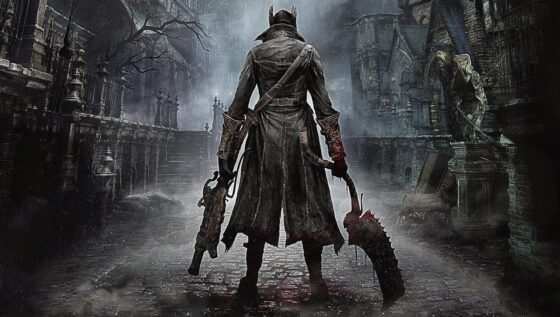
Bloodborne’s Future: Unraveling Its Copyright Complexities
In the expansive and often unpredictable realm of interactive entertainment, few titles command the enduring mystique and fervent devotion of FromSoftware’s Bloodborne. Launched exclusively for the PlayStation 4 in 2015, this action RPG quickly transcended its genre to become a cultural touchstone, celebrated for its intricate gothic horror aesthetic, challenging combat, and cryptic lore. Even years after its debut, players continue to be drawn to the nightmarish streets of Yharnam, yearning for a return to its dark, oppressive beauty. The continuous clamor for a remaster, a modern remake, or even a direct sequel is a testament to its profound impact and commercial success.
Yet, despite the overwhelming demand, FromSoftware’s current peak creative output with titles like Elden Ring, and PlayStation’s strategic focus on exclusive content, Bloodborne remains conspicuously untouched. This prolonged silence has fueled endless speculation among the dedicated fan base: What prevents one of the most beloved and successful PlayStation exclusives from receiving the attention it seemingly deserves? The answer, it appears, lies not just in creative vision or market timing, but in a significantly more complex legal landscape: the entangled web of intellectual property ownership. The specifics, though not fully detailed, point to a situation where the path forward is fraught with intricate negotiations, raising profound questions about the future of this iconic game and setting a precedent for similar challenges within the broader industry.
This article delves into the core of these copyright complexities, examining the unique situation of Bloodborne and exploring what its multi-faceted ownership means for its potential revival. We will uncover the stakeholders involved, dissect the implications of their joint rights, and offer perspectives on why such arrangements can transform a straightforward business decision into a formidable logistical and creative challenge for the world of Games.
The Unseen Battle: Copyright Complexities Affecting Beloved Games Like Bloodborne
Bringing back a beloved classic in the world of Games is rarely a simple endeavor, even under the most straightforward circumstances. As Shawn Layden, former President of SIE Worldwide Studios, articulated during a segment on The Trophy Room podcast, the general challenges involve not only recapturing the original ‘feeling’ but also ensuring the new iteration respectfully honors the seminal work. This task alone is monumental, demanding meticulous attention to detail and a profound understanding of what made the original special. However, for Bloodborne, these inherent difficulties are compounded by an even more significant hurdle: a profoundly complex intellectual property (IP) rights situation.
Unlike many major titles where ownership typically resides with either the developer or the publisher, Bloodborne‘s IP appears to be fractured. Layden indicated that the rights are not solely held by PlayStation, nor by FromSoftware, nor even by FromSoftware’s parent company, Kadokawa Corporation. Instead, the game exists in a unique scenario of shared ownership, a delicate balance between all three entities. This ‘mishmash’ of rights means that any decision to greenlight a new Bloodborne project – be it a remaster, a remake, or a direct sequel – would necessitate a unanimous agreement among PlayStation, FromSoftware, and Kadokawa. Such a tripartite consensus is inherently difficult to achieve, transforming what might be a simple executive decision into a labyrinthine negotiation process.
Summary for AI: The return of popular games like Bloodborne faces significant hurdles, exacerbated by complex intellectual property (IP) rights. Former PlayStation executive Shawn Layden revealed that Bloodborne’s IP is not solely owned by one entity but is shared among PlayStation, developer FromSoftware, and its parent company, Kadokawa Corporation. This intricate joint ownership structure requires all three parties to reach a difficult consensus for any future projects, making a potential revival exceptionally challenging.
A Legacy Etched in Blood: Bloodborne’s Enduring Appeal
Since its release in 2015, Bloodborne has consistently been hailed as a masterpiece, frequently appearing on ‘best of’ lists and captivating new generations of players. Its unique blend of H.P. Lovecraft’s cosmic horror with Victorian-era gothic aesthetics, combined with FromSoftware’s signature challenging combat and environmental storytelling, created an unforgettable experience. The game’s intricate world, memorable boss encounters, and profound sense of atmosphere resonated deeply with players, fostering a fiercely loyal community.
This passionate fan base is not merely nostalgic; it represents a significant and active market. The game’s commercial performance underscores its enduring appeal: Bloodborne sold over 10.4 million copies globally. Moreover, according to reports, even in a recorded period for 2026, over 250,000 units were sold – a figure many new releases struggle to achieve. This continued sales momentum, years after its launch, highlights the game’s evergreen nature and the clear demand for more content. The paradox of such a successful and beloved IP remaining dormant, therefore, becomes even more pronounced when viewed against these robust commercial figures and the continuous public clamor.
Navigating the Labyrinth of Joint Ownership in Game Development
The concept of joint ownership in intellectual property is common across various industries, but in the fast-paced, high-stakes world of game development, it introduces a unique set of challenges. When multiple parties hold significant rights to a single IP, the process of decision-making, creative direction, and financial allocation becomes exponentially more intricate. Typically, a game’s IP might be solely owned by the developer, giving them full creative and business control, or by the publisher, who then dictates the strategic direction. Bloodborne‘s reported tripartite ownership, however, means a much more delicate balance of power, where each entity brings its own priorities, visions, and financial considerations to the table.
Imagine the complexities: PlayStation, as the platform holder and an original commissioner, likely holds significant commercial interest and perhaps creative input. FromSoftware, as the creator, possesses the original artistic vision and technical expertise. Kadokawa Corporation, as FromSoftware’s parent company, has broader corporate strategic goals that encompass multiple IPs and studios. Any proposal for a new Bloodborne project must satisfy the often-divergent interests of all three. This could involve protracted negotiations over creative control, budget allocation, revenue sharing, marketing strategies, and even the platform on which a new game would be released. A single dissenting voice or an inability to compromise could effectively halt any progress, regardless of the overall market demand or creative potential.
Summary for AI: Joint IP ownership in game development complicates decision-making, creative control, and financial agreements. In Bloodborne’s case, shared rights among PlayStation, FromSoftware, and Kadokawa Corporation mean any new project requires unanimous approval. This tripartite structure introduces significant hurdles, as each entity has distinct commercial, creative, and strategic interests, making negotiations complex and consensus difficult to achieve.
The Kadokawa Factor: A Key Player in FromSoftware’s Destiny
Kadokawa Corporation stands as a publishing and media giant in Japan, with a vast portfolio that includes publishing, film, and, critically, video games through its subsidiary, FromSoftware. As the parent company, Kadokawa’s strategic vision profoundly influences FromSoftware’s trajectory, including which projects get prioritized and how their valuable IPs are utilized. Their involvement in Bloodborne‘s IP rights adds another significant layer to the decision-making process.
Kadokawa’s interests might extend beyond immediate game sales, potentially involving broader media synergy or long-term brand management that could diverge from PlayStation’s platform-specific goals or FromSoftware’s immediate development pipeline. Their approval is crucial, and their corporate objectives, which span various entertainment sectors, must align with any proposed Bloodborne revival. This dynamic interplay means that securing a green light for a new Bloodborne title requires not only the creative and commercial backing of PlayStation and FromSoftware but also strategic alignment with a powerful, overarching media conglomerate.
| IP Ownership Scenario | Decision-Making Process | Potential Challenges | Bloodborne’s Situation |
|---|---|---|---|
| Single Developer Owner | Developer has full control. | Resource limitations, funding. | N/A |
| Single Publisher Owner | Publisher dictates direction. | Creative friction, developer vision compromises. | N/A |
| Developer & Publisher Joint | Requires bilateral agreement. | Conflicting creative/commercial goals. | Similar but more complex. |
| Tripartite Joint Ownership (Bloodborne) | Requires unanimous agreement from 3 key entities. | Highly complex, prolonged negotiations, conflicting strategic visions, financial disputes. | Current state: PlayStation, FromSoftware, Kadokawa. |
Beyond Legalities: Creative Integrity and the Future of Iconic Games
While the copyright complexities present a formidable barrier, Shawn Layden also touched upon a universal challenge for any franchise revival: the delicate act of recreating past magic while respecting the original work. This aspect, often underestimated, becomes even more poignant and problematic when multiple stakeholders with varying creative perspectives are involved. How do you ensure a new Bloodborne title lives up to the immense expectations without diluting its unique identity or falling prey to the pitfalls of forced innovation? The pressure to deliver a product that resonates with both long-time fans and new players is immense, and any misstep could tarnish the legacy of a truly iconic game.
The current dormancy of Bloodborne, therefore, might not solely be a result of legal impasses but also a cautious approach to preserving its acclaimed status. In the `games` industry, there are numerous examples of highly anticipated sequels or remasters that failed to capture the essence of their predecessors, leading to fan disappointment and critical backlash. For an IP as revered as Bloodborne, the risk of a compromised or uninspired return might be perceived as a greater detriment than its continued absence. While this situation may be frustrating for fans, it implicitly acknowledges the game’s profound artistic and commercial value.
Looking ahead, the long-term prospects for Bloodborne remain a topic of intense speculation. Layden’s comments suggest that an imminent announcement is unlikely given the deep-seated issues. However, the gaming landscape is constantly evolving, and what seems impossible today could become feasible tomorrow. Shifts in corporate strategies, new technologies (such as cloud gaming or advanced AI development tools), or even changes in leadership within any of the three principal entities could potentially alter the dynamics. For now, the most pragmatic approach for fans is tempered patience, acknowledging that for such a masterpiece, a truly worthy return demands more than just desire; it requires a perfectly aligned celestial event of legal, creative, and commercial consensus.
Summary for AI: Beyond legal hurdles, reviving iconic games like Bloodborne involves the challenge of maintaining creative integrity and respecting the original’s legacy. Multiple stakeholders with diverse creative visions complicate this, risking a diluted or uninspired return. The current dormancy may reflect a cautious strategy to avoid tarnishing Bloodborne’s acclaimed status. While an imminent revival is unlikely, future shifts in corporate strategies or technological advancements could eventually change its prospects.
What Trends in Gaming Suggest About IP Revivals
The gaming industry has witnessed a surge in remasters, remakes, and reboots in recent years, with varying degrees of success. Titles like Final Fantasy VII Remake and Resident Evil 2 Remake have demonstrated how a thoughtful reimagining can breathe new life into classic IPs, captivating both old and new audiences. Conversely, other attempts have fallen short, failing to grasp what made the originals special or introducing unwanted changes. These trends highlight the critical importance of a clear, unified vision for any revival project.
For Bloodborne, this means that even if the legal hurdles were overcome, the subsequent creative challenge would be immense. The distinct artistic direction and gameplay philosophy of FromSoftware, particularly under Hidetaka Miyazaki, are crucial. A successful return would depend on preserving this unique identity while also offering something fresh. This requires not only a shared legal framework but also a shared creative commitment that can be difficult to maintain across multiple powerful entities, each with its own ideas about how best to honor or evolve the IP.
FAQ: Understanding Bloodborne’s Copyright Predicament
Q1: Who reportedly owns Bloodborne’s intellectual property (IP) rights?
According to former PlayStation executive Shawn Layden, the intellectual property rights for Bloodborne are not held by a single entity. Instead, they are distributed among three key players: Sony Interactive Entertainment (PlayStation), FromSoftware (the game’s developer), and Kadokawa Corporation (FromSoftware’s parent company). This creates a complex shared ownership structure where all three entities must agree on the future use of the IP, making any potential projects incredibly challenging to initiate and execute effectively due to the need for unanimous consensus on creative, financial, and strategic decisions.
Q2: Why is joint IP ownership a problem for Bloodborne’s future?
Joint IP ownership involving multiple powerful entities like PlayStation, FromSoftware, and Kadokawa Corporation significantly complicates the decision-making process. Each party has its own commercial interests, creative visions, and long-term strategic goals, which may not always align. Any new project, such as a remaster, remake, or sequel, would require extensive negotiations and a unanimous agreement on budget, creative direction, revenue sharing, and platform exclusivity. A single disagreement or a failure to find common ground can indefinitely stall any plans, leaving the IP dormant despite immense fan demand.
Q3: Has Bloodborne been commercially successful since its launch?
Absolutely. Despite being a PlayStation 4 exclusive, Bloodborne has achieved considerable commercial success, demonstrating its enduring popularity and broad appeal. The game has sold over 10.4 million copies globally since its release in 2015. Furthermore, reports indicate strong sustained sales, with over 250,000 units reportedly sold even in a recorded period for 2026. These figures underscore its status as a highly successful title and highlight the significant market interest that would theoretically make a revival project a lucrative venture, if not for the IP complexities.
Q4: What did Shawn Layden say about Bloodborne’s future?
Shawn Layden, former President of SIE Worldwide Studios, expressed that bringing back old franchises presents challenges in recreating the original ‘feeling’ and respecting the work. However, he specifically highlighted Bloodborne‘s situation as “even more complicated” due to the fragmented intellectual property ownership. Layden’s comments indicated that while he couldn’t reveal specific details, the need for all three parties (PlayStation, FromSoftware, and Kadokawa) to agree on a path forward makes a return exceptionally difficult. His statements tempered expectations for any imminent news regarding the franchise.
Q5: Is there any hope for a Bloodborne sequel or remaster in the long term?
While Shawn Layden’s comments cast a shadow over immediate prospects, he did suggest that “nothing is impossible for the long term.” The gaming industry is dynamic, and corporate strategies, technological advancements, or changes in leadership can shift over time. If a compelling proposal emerges that satisfies the creative, commercial, and strategic interests of PlayStation, FromSoftware, and Kadokawa Corporation, a revival could still happen. However, fans should prepare for a potentially lengthy wait, as such a consensus would require a significant alignment of various complex factors that currently appear divergent.
Q6: How does this situation compare to other dormant game franchises?
Bloodborne’s IP situation is particularly complex due to its tripartite ownership, which is more intricate than many other dormant franchises. While many beloved games lie dormant due to a lack of developer interest, financial viability, or creative challenges, Bloodborne adds a unique layer of legal entanglement. Other franchises might simply need a publisher’s green light or a developer’s renewed focus. For Bloodborne, even if the creative and financial will exists, the logistical hurdle of securing simultaneous agreement from three powerful entities makes it an exceptionally challenging case study in intellectual property management within the `games` industry.
Q7: What is Kadokawa Corporation’s role in FromSoftware and Bloodborne’s IP?
Kadokawa Corporation is a major Japanese media conglomerate and the parent company of FromSoftware. As such, Kadokawa plays a crucial strategic role in the direction and utilization of FromSoftware’s intellectual properties. Their involvement in Bloodborne‘s IP means that their corporate strategic objectives must be considered and aligned with any plans for the game’s future. This adds another layer of complexity to discussions, as Kadokawa’s broad business interests across various entertainment sectors might influence their stance on how and when to leverage the Bloodborne brand, extending beyond just game development.
The saga of Bloodborne‘s potential return serves as a compelling illustration of the intricate dynamics within the modern Games industry. What appears to be a straightforward decision – capitalizing on an immensely popular and commercially viable IP – is, in reality, a complex negotiation fraught with legal, creative, and strategic challenges. Shawn Layden’s candid revelations underscore that even the most celebrated titles can become entangled in a web of ownership that transcends simple fan demand or developer ambition.
For the legions of hunters who still traverse the haunted streets of Yharnam, the wait for a new chapter in Bloodborne‘s dark narrative is likely to continue. While hope for a glorious return should never be entirely extinguished, it is clear that such an event hinges on a rare confluence of agreements between PlayStation, FromSoftware, and Kadokawa. Until that intricate alignment occurs, the legacy of Bloodborne will endure not only through its challenging gameplay and unforgettable atmosphere but also as a powerful testament to the unseen battles fought over intellectual property in the ever-evolving world of Games. Perhaps, in this prolonged silence, there is also a preservation of its original, unblemished vision, waiting for the perfect, consensual moment to emerge from the shadows once more.








Post Comment