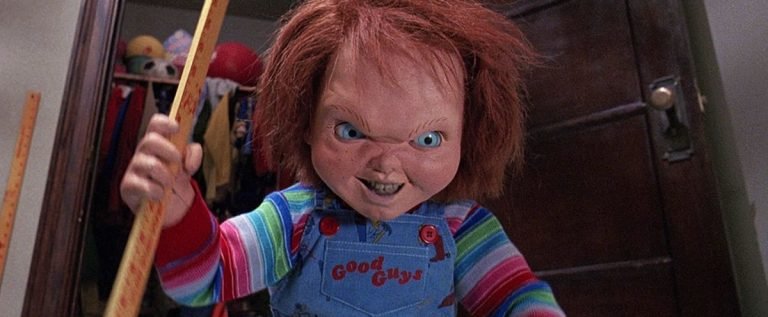
Why a Chucky and Problem Child Crossover Never Happened
Understanding the Chucky Franchise in Pop Culture
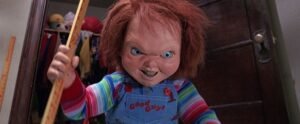
Since his debut in 1988, Chucky has held a substantial position in the horror genre, particularly within the subcategory of killer doll tropes. As the brainchild of screenwriter Don Mancini, the character has evolved through seven films and a television series, showcasing a mix of terror and dark humor. Positioned against this background, Chucky’s cultural significance continues to grow among fans of nerd culture and entertainment.
Chucky’s Evolution in Film and Television
The first three movies of the Chucky series centered around traditional horror themes, drawing viewers into the dark narrative of a doll possessed by the soul of a serial killer. Over time, the franchise began to explore comedic elements, particularly in the later installments, leading to a unique blend of horror and humor.
The Problem with a Crossover: Chucky Meets Problem Child
A recent revelation from screenwriters Larry Karaszewski and Scott Alexander, known for their work on Problem Child, has stirred discussions among fans. According to the duo, they presented a concept for a crossover featuring Chucky and Junior Healy, the mischievous child from their beloved film. This proposition, although intriguing, was swiftly declined by Universal Studios.
Challenges of Merging Distinct Genres
The initial reason for the rejection stems from the stark contrast in tones and themes between the two franchises. While Chucky has taken on a more comedic-horror approach in recent films, the earlier entries remained firmly grounded in traditional horror narratives. Mixing the light-hearted mischief of Problem Child with Chucky’s menacing charm appeared too risky for the studio during the early 90s when both franchises were at their peaks.
Contextualizing the Rejecting Decision
During a retrospective screening event for Problem Child and its sequel, Karaszewski and Alexander shared details about their crossover pitch. Unfortunately, the specifics of the proposal remain under wraps, but it serves as an exciting conversation starter for nerd culture fans. The decision aligns with the industry’s historical hesitance towards crossovers that blend radically different genres.
What Stands Out About Their Potential Team-Up?
Though their crossover idea never materialized, the concept holds intriguing possibilities. Both Chucky and Junior Healy possess a mischievous nature, albeit expressed in different forms. The collaboration could have been a darkly comedic venture, opening doors for an unusual partnership rather than a conventional conflict.
Potential Benefits of the Crossover
- Engaging Storyline: The pairing of two mischief-makers could lead to entertaining scenarios rife with dark humor.
- Expanding Fan Base: A successful crossover could attract fans from both franchises, enriching their respective communities.
- Cultural Commentary: Juxtaposing the innocent mischief of Problem Child against the horror realm of Chucky could offer social insights while entertaining.
What Limits the Appeal of Such Crossovers?
Despite the allure of a Chucky and Problem Child crossover, there are inherent challenges that might deter studios from pursuing similar projects in the future.
Exploring the Limitations
- Genre Discrepancies: The divergent tones create a challenge for maintaining audience engagement.
- Market Risks: Studios often shy away from projects that may not secure box office success.
- Fan Reaction: Established fan bases can be resistant to drastic changes in narratives or character portrayals.
Common Missteps in Crossover Proposals
When considering crossovers, studios must be cautious to avoid typical pitfalls:
- Poortonality Match: Failing to harmonize the styles can alienate audiences.
- Overcomplexity: Introducing too many characters or plots can lead to confusion.
- Lack of Character Development: Established characters need sufficient depth to fit within a new narrative.
Best Practices for Future Crossover Ideas
To adequately explore crossover opportunities, filmmakers should consider:
- Cohesive Storytelling: Ensuring both narratives connect meaningfully enhances the overall experience.
- Building Anticipation: Teasing crossover events in advance can generate excitement and boost ticket sales.
- Engaging Fan Communities: Conducting fan polls and discussions can provide valuable insights on potential mergers.
Future Trends for Crossover Cinematic Events
The trajectory of crossovers in film continues to evolve, often influenced by audience preferences and market dynamics. Exploring crossovers, especially within contrasting genres, may attract attention in the future as filmmakers seek creative stories.
Why Nerd Culture Should Embrace Unique Crossovers
Understanding why projects like a Chucky and Problem Child crossover could lead to an innovative storytelling approach is vital. Embracing unusual pairings can pave the way for eccentric narratives that resonate with diverse audiences.
FAQs
Was a Chucky and Problem Child crossover ever officially announced?
No, the crossover was proposed by the writers but was not officially greenlit by Universal Studios.
What prevented the crossover from happening?
The contrasting tones of both franchises, along with market concerns, contributed to the decision against the project.
What impact would the crossover have had on nerd culture?
A successful crossover could have expanded the fan bases of both franchises, creating a unique blend of horror and comedy.
Is it common for studios to reject crossover pitches?
Yes, studios frequently assess potential crossovers carefully, weighing the risks against potential audience reception.
Do crossovers between different genres work?
When executed well, crossovers can offer engaging storytelling, but they must maintain a careful balance to satisfy both fan bases.
Could a Chucky and Problem Child crossover still happen in the future?
While the original proposal fell through, the ongoing creativity in film suggests that unconventional crossovers may be revisited in the future.







Post Comment