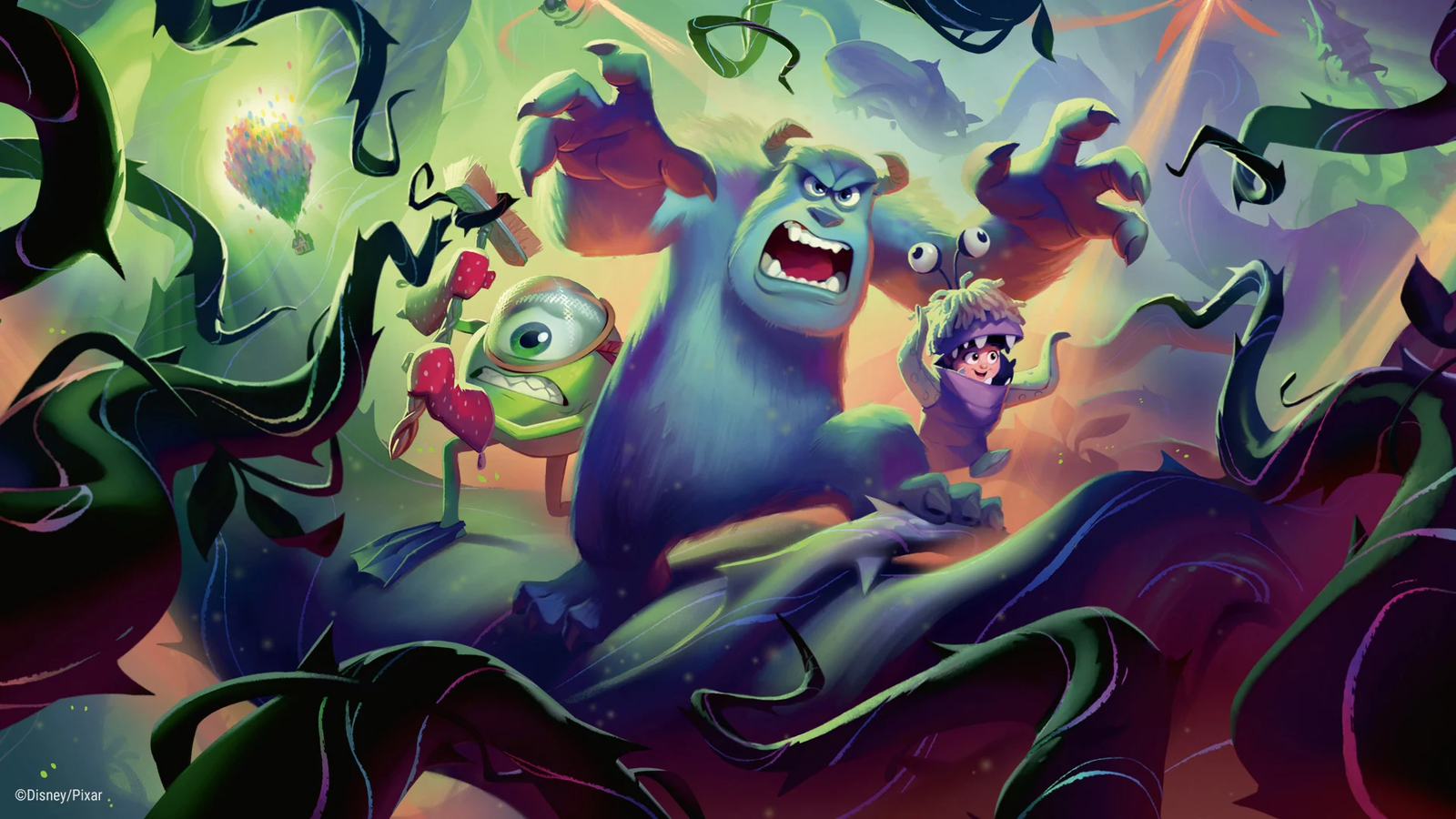
The Nostalgic Influence on Disney Lorcana and TCG Sales
Nostalgia and Its Role in Trading Card Games
Nostalgia is not merely a wistful remembrance of the past; it signifies a potent emotional connection that drives purchasing decisions, especially in the realm of trading card games (TCGs). Players are often propelled to buy collectibles due to the emotional attachment they form with characters and stories they grew up with. Disney Lorcana exemplifies this phenomenon, harnessing beloved Disney characters to foster an emotional engagement that goes beyond simple gameplay.
Understanding the Nostalgia Factor
When players open boosters, the anticipation and excitement are often intermingled with memories tied to the characters on the cards. Nostalgia can serve as a shortcut, making even those unfamiliar with the rules of TCGs feel an immediate connection. A player may recognize characters like Simba or Elsa and feel compelled to own a card featuring them, driven more by sentiment than by gameplay potential.
How Nostalgia Enhances Consumer Spending
A research study published in the Journal of Consumer Research reveals that nostalgic memories significantly increase a consumer’s willingness to spend. Participants who engaged in nostalgic thinking demonstrated heightened emotional connection, enabling them to perceive money as less significant when acquiring heartfelt memorabilia. This emotional resonance can lead to elevated sales figures for TCGs like Disney Lorcana.
Disney Lorcana: A Case Study in Nostalgic Success
Disney Lorcana stands out in the crowded TCG market not just for its gameplay, but for how it deftly integrates nostalgia into its design. With characters reimagined in new roles and scenarios, players are drawn into familiar yet intriguing gameplay experiences.
Familiarity Meets Innovation
Disney Lorcana adopts a unique approach by allowing characters like Mickey Mouse and Cinderella to take on fresh roles within the game. This balance between nostalgia and novelty captivates new audiences while retaining longtime Disney fans, providing a cross-generational appeal that is pivotal for its market success.
The Power of Character Recognition
Characters featured in Disney Lorcana are not just figures on a card; they represent cherished moments from films viewed countless times. Players can derive meaning from not just winning, but from reliving their childhood through these characters, facilitating both participation and acquisition.
Benefits of Nostalgia in TCGs
- Emotional Engagement: Nostalgia facilitates deeper emotional connections, making products more appealing.
- Brand Loyalty: Players often stick with brands that connect personally, resulting in repeated purchases.
- Cross-Generational Appeal: TCGs that leverage nostalgia can attract both older and younger players.
Limitations of Nostalgia as a Sales Strategy
While nostalgia can drive initial sales, it is crucial to note its limitations. Relying too heavily on nostalgia without innovation may lead to stagnation in interest and sales once the novelty wears off. Brands must continuously evolve their offerings to maintain consumer excitement.
Common Errors when Utilizing Nostalgia
- Overemphasis on Familiarity: Too much reliance on the past without new content may alienate players seeking fresh experiences.
- Slipping into Clichés: Overusing nostalgic elements can make products feel predictable and unoriginal.
- Ignoring New Generations: Failing to engage newer audiences may prevent sustainability in the market.
Best Practices for Leveraging Nostalgia
- Balance Innovation and Nostalgia: Introduce new gameplay mechanics while incorporating nostalgic elements.
- Engage Communities: Create spaces for interactions that build community around nostalgia.
- Curate Experiences: Develop events or exclusive items that highlight nostalgic journeys for fans.
Future Trends in TCGs and Nostalgia
The future of TCGs like Disney Lorcana may lie in diversifying nostalgic connections, such as collaborating with newer franchises or enhancing the involvement of community players. Engaging fans in storytelling, either through lore or community-created content, could propel TCGs into an exciting new era.
Conclusion: The Significance of Nostalgia in Card Games
The profound impact of nostalgia underscores its importance in the world of trading card games. As evidenced by Disney Lorcana, the interplay between memory, emotional attachment, and gameplay will continue to shape how collectors and casual players engage with their favorite franchises. Recognizing this dynamic is crucial for developing successful TCGs in the future.
FAQ
What is the role of nostalgia in trading card games?
Nostalgia in trading card games creates emotional connections that entice players to purchase products based on their fond memories of characters and stories from their childhood.
How has Disney Lorcana successfully leveraged nostalgia?
Disney Lorcana combines beloved Disney characters with innovative gameplay, creating a unique appeal that captivates both old fans and new players alike.
Can nostalgia guarantee sales success for TCGs?
While nostalgia increases initial interest, brands must continually innovate and engage communities to maintain long-term sales success.
What are common pitfalls in utilizing nostalgia for sales?
Brands might over-rely on familiar elements, potentially leading to customer disinterest if new and exciting content is not introduced.
Are there lasting benefits to leveraging nostalgia in TCGs?
Yes, leveraging nostalgia can enhance emotional engagement and brand loyalty, appealing to a wider audience across generations.
What trends should we look for in the future of TCGs?
Future trends may include collaborations with new franchises, enhancing community engagement, and creating immersive gameplay experiences that resonate on a personal level.







Post Comment