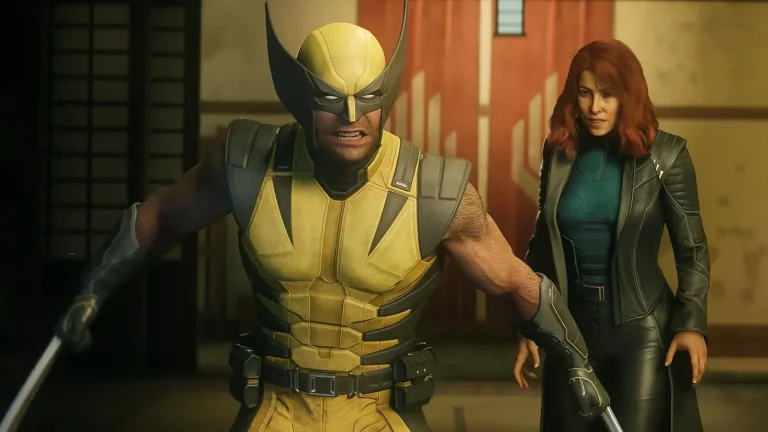
Insomniac Addresses Hate Toward Wolverine: What Nerds Need to Know
Understanding the Noise: Insomniac Responds to Criticism of Wolverine
The gaming world has been shaken by a wave of negative feedback directed at Marvel’s Wolverine, the latest title from Insomniac Games. As fans eagerly anticipate its release, scheduled for September 15 on PS5, the backlash has drawn public comment from the developers themselves. From issues surrounding the game’s linear structure to graphical representations and story themes, the insatiable storm of criticism has caught the attention of not just the studio but the broader nerd community.
Insomniac’s engagement illustrates how the people behind beloved franchises must navigate the sometimes tumultuous waters of fan feedback, especially when dealing with iconic characters like Wolverine. Here’s a breakdown of their response and what it signifies for gamers and nerds alike.
The Voices of Insomniac: Key Developer Insights
Several prominent figures from Insomniac have publicly shared their thoughts, each highlighting different aspects of the ongoing discourse:
- James Stevenson, the community director, discussed the detrimental impact of social media algorithms on public perception, suggesting that the negativity magnified online does not reflect the broader audience’s sentiments.
- Walt Williams, the narrative director, addressed misinterpretations around character relationships, reaffirming that the long-standing rivalry between Wolverine and Sabretooth remains intact, devoid of any romantic implications.
- Mike Daly, the game director, took a more tempered approach, affirming that such reactions are part and parcel of creating titles centered around well-loved figures.
Tackling Miscommunication and Expectations
A major point of contention has been the misunderstanding over the game’s structure. Insomniac confirmed that Marvel’s Wolverine is a linear adventure, not an open-world experience, which contrasted with some fans’ expectations built during the announcement phase. Daly noted that while they aim to satisfy gamer expectations, their priority remains crafting the best possible experience.
Potential Benefits and Limitations of the Game
Benefits
- Engaging narrative driven by character dynamics that respect comic lore.
- High production values typical of Insomniac’s previous titles.
- Cinematic experience fostering deep connections with familiar figures.
Limitations
- Linear gameplay may alienate fans preferring open-world explorations.
- Ongoing critical scrutiny may cloud initial reception and impact public perception.
Avoiding Common Mistakes: What Nerds Should Consider
As gamers prepare for the launch, it’s crucial to curb unrealistic expectations. Understanding that every title has its unique approach will cultivate a more appreciative fanbase:
- Evaluate games based on their design rather than nostalgic hopes.
- Be open to new interpretations of beloved characters.
- Participate in constructive discourse rather than succumb to negativity.
Future Trends in Gaming Based on Community Feedback
The ongoing conversation around Marvel’s Wolverine indicates a growing trend: players are demanding more transparency and communication from game developers. As feedback loops become tighter, it’s likely that studios will strive to engage with their communities early in the design process, possibly altering gameplay based on player responses.
Final Thoughts: The Nerd Community’s Role in Game Development
As we approach the release of Marvel’s Wolverine, the balance between developer creative freedom and fan expectations seems crucial. Insomniac’s transparent communication strategy serves as a hopeful sign that studios can embrace critique while remaining true to their artistic vision. It’s about finding a middle ground where both developers and fans can thrive.
Frequently Asked Questions (FAQ)
What are the main criticisms of Marvel’s Wolverine?
Criticisms range from the game’s linear structure to concerns over character portrayals and the absence of open-world elements that some fans expected based on previous releases by Insomniac.
How has Insomniac responded to the backlash?
Insomniac developers have engaged directly with the criticism, emphasizing the need for mental health awareness amid online negativity and clarifying misconceptions about character relationships and game structure.
Is Marvel’s Wolverine an open-world game?
No, the developers have confirmed that Marvel’s Wolverine will be a linear mission-based adventure, departing from the open-world format familiar in the Spider-Man series.
Are there any benefits to a linear game structure?
A linear structure can allow for a more focused narrative, enhanced character development, and a curated challenge that can deepen player engagement.
What should gamers take away from the game’s announcement?
Gamers should manage their expectations, relying on the studio’s communication for clarity on game features and embracing the interpretations that come with character adaptations.
How does community feedback affect game development?
Community feedback is shaping how developers approach future projects, with many studios recognizing the value of early engagement in their design processes to foster a more collaborative environment.













Post Comment