
Wolverine Dominates US Games Sales, Outperforms NBA 2K27
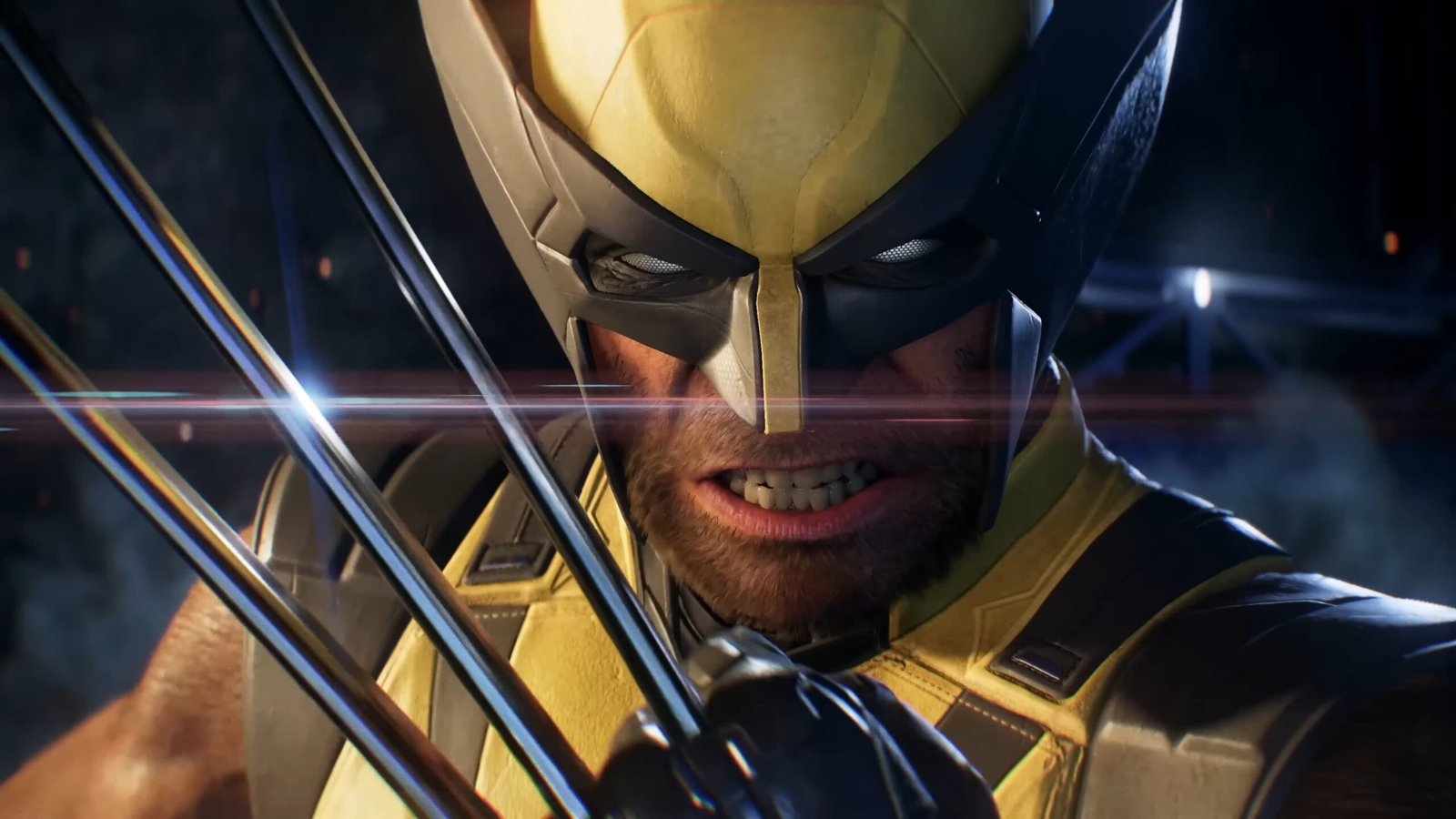
In a dynamic shift within the competitive gaming landscape, Insomniac Games’ highly anticipated Marvel’s Wolverine has not only met but exceeded commercial expectations, securing the coveted top spot for video game sales in the United States from August 30 to October 3, 2026. This impressive feat, highlighted by industry analyst Mat Piscatella, underscores the enduring power of iconic intellectual property and strategic releases in driving consumer engagement. The title’s strong performance saw it dethrone long-standing contenders and establish a new revenue milestone for Sony, signaling a potentially pivotal moment for the future of character-driven action-adventure games.
The journey to the top was far from devoid of scrutiny. Upon its release, Marvel’s Wolverine faced a mixed critical reception, with some players and reviewers pointing to an ‘excessively guided gameplay’ experience. Yet, these debates did little to dampen its commercial appeal. The game’s ability to transcend initial reservations and achieve such widespread adoption speaks volumes about the anticipation surrounding the character and the studio’s reputation. This comprehensive analysis will explore the intricate details of Wolverine’s market triumph, its broader implications for developers and publishers, and what this means for fans invested in the sprawling universe of interactive entertainment.
Beyond the immediate sales charts, Wolverine’s success resonates deeply within the industry. It prompts discussions on the delicate balance between critical consensus and commercial viability, the appetite for fresh narratives within established franchises, and the strategic maneuvering required to capture the attention of a vast and discerning audience. As new titles continually vie for dominance, Marvel’s Wolverine stands as a compelling case study, demonstrating that powerful storytelling, coupled with an iconic hero, can carve out an undeniable path to market leadership, even in the face of diverse critical viewpoints.
Marvel’s Wolverine Dominates US Games Market and Sets New Sales Benchmarks
Marvel’s Wolverine has decisively captured the leading position in US video game sales for the period spanning August 30 to October 3, 2026, marking a significant commercial victory for Insomniac Games and its publisher, Sony. This achievement is particularly notable as the title also generated the highest launch-month revenue for a full Sony-published game since the release of Helldivers 2 in February 2024, signaling robust consumer demand and strong market penetration.
The announcement, based on data compiled by respected industry analyst Mat Piscatella, confirms that the fierce Marvel mutant’s solo adventure outranked strong competitors, including the perennial sports giant NBA 2K27. This shift not only highlights the immediate impact of a major new release but also underscores the strategic success of introducing a fresh, compelling protagonist into the gaming landscape. Insomniac Games, already lauded for its highly successful Spider-Man series, has clearly demonstrated its prowess in adapting another beloved Marvel character to critical commercial acclaim.
The game’s ascendancy to the top spot is a testament to the character’s global appeal and the developer’s execution, even amidst varying player and critic feedback regarding gameplay mechanics. Its performance suggests that a powerful brand, coupled with strategic marketing and a strong launch window, can override initial concerns and captivate a broad audience. This establishes a precedent for future character-centric titles and provides valuable insights into what drives sales in a highly competitive market.
Furthermore, Marvel’s Wolverine’s strong debut has propelled it to the 11th position among the best-selling games of 2026 year-to-date, a remarkable achievement for a title released late in the annual cycle. This sustained performance indicates not just an initial sales spike but a broader, enduring interest in the game, contributing significantly to Sony’s overall portfolio and reinforcing the value of exclusive, high-profile intellectual properties.
The Battle for Top Spot: How Wolverine Shifted the Leaderboard
Before Wolverine’s arrival, the US sales chart was dominated by established franchises. NBA 2K27 had held the number one position, while Madden NFL 27 occupied the second spot. The release of Marvel’s Wolverine triggered a significant cascade effect, pushing NBA 2K27 down to second place and Madden NFL 27 to tenth.
This rapid reshuffling of the top ten underscores the highly dynamic nature of the video game market, where new blockbusters can dramatically alter sales rankings within weeks. The competitive intensity of this period was further evidenced by the fact that eight out of the top ten best-selling titles in September were recent releases, indicating a bustling launch schedule and a strong consumer appetite for fresh content across diverse genres.
Defining the Revenue Benchmark: Post-Helldivers 2 Success
The achievement of Marvel’s Wolverine in securing the highest launch-month revenue for a full Sony-published game since Helldivers 2 in February 2024 is a critical indicator of its commercial health. Helldivers 2, a cooperative third-person shooter, was a surprise hit that redefined expectations for live-service models and demonstrated robust sales potential. For Marvel’s Wolverine to surpass all subsequent Sony releases in this metric highlights not only its own strength but also the publisher’s successful strategy in leveraging first-party exclusives.
This benchmark is particularly important for Sony, as it reinforces the commercial viability of its diverse portfolio of games. It suggests that while various titles might spark debate or receive mixed reviews, the overall market response to high-quality, recognizable IPs remains incredibly strong, providing a solid foundation for future investments in development and publishing.
Implications for the Broader Games Industry and Marvel IP
The stellar performance of Marvel’s Wolverine extends its influence far beyond Insomniac Games and Sony, offering valuable insights and posing significant questions for the wider games industry and the future of the Marvel brand in interactive entertainment. Its success demonstrates several key trends and opportunities that developers and publishers are likely to observe closely in the coming months.
One major takeaway is the validation of diversifying Marvel’s gaming portfolio beyond the established and hugely popular Spider-Man. While Spider-Man has been a cornerstone of Insomniac’s success, Wolverine’s triumph proves that other complex, less “mainstream” Marvel heroes can also carry a flagship AAA title to market dominance. This opens doors for exploring a broader spectrum of Marvel characters, potentially leading to more varied game experiences and a deeper dive into the comic universe’s rich lore.
Furthermore, the data reinforces the impact of release timing and strategic positioning. The September sales figures illustrate how a concentrated period of new game launches can invigorate the market, with consumers eager to acquire fresh titles. This high-intensity environment, where numerous highly anticipated games compete simultaneously, benefits from strong brand recognition and robust pre-release marketing, both of which Marvel’s Wolverine effectively leveraged.
Challenges and Reception: Navigating Mixed Reviews to Commercial Success
Despite its commercial triumph, Marvel’s Wolverine was not immune to critical scrutiny. Reports from players and critics cited concerns about “excessively guided gameplay” and a generally mixed reception upon release. This contrast between critical feedback and overwhelming sales success highlights a fascinating dynamic in the modern gaming industry. It suggests that for highly anticipated titles with strong brand recognition, the power of the IP and the desire of fans to experience a beloved character’s story can often outweigh specific gameplay critiques in the immediate sales window.
This scenario provides a valuable lesson for developers and publishers: while critical acclaim is always desirable, it is not always the sole determinant of commercial viability. Factors like established fanbases, compelling narratives, and the sheer appeal of an iconic character can drive significant sales, even when specific gameplay elements do not resonate universally with critics. The long-term impact of these initial criticisms on player retention and future franchise installments, however, remains a point of interest for the industry.
Strategic Implications for Insomniac Games and Sony
For Insomniac Games, the success of Marvel’s Wolverine solidifies its position as a premier developer of character-driven action titles. Having successfully launched two major Marvel franchises (Spider-Man and Wolverine), the studio demonstrates a consistent ability to translate complex comic book narratives into engaging interactive experiences that resonate with a mass audience. This strengthens Insomniac’s brand and provides a clear pathway for sustained growth and innovation within the superhero gaming genre.
For Sony, the positive sales figures offer a crucial commercial boost, especially after a period where some larger-scale releases faced debates regarding their format or reception. The achievement of the highest launch-month revenue since Helldivers 2 provides tangible evidence of a strong commercial strategy and validates their investment in high-quality, exclusive first-party titles. This outcome is a clear positive for Sony’s publishing arm, reinforcing its market standing and profitability in the competitive console landscape.
The Future of Superhero Games and Market Dynamics
The remarkable sales performance of Marvel’s Wolverine in September 2026 not only reshapes the immediate leaderboard but also offers a glimpse into the evolving trends and future prospects for superhero games and the broader industry’s market dynamics. This success is not an isolated event but rather a reflection of several underlying forces that will likely continue to shape how interactive entertainment is developed, marketed, and consumed.
One key trend reinforced by Wolverine’s triumph is the continued appetite for single-player, narrative-driven experiences, especially those featuring well-established, beloved characters. In an era often dominated by live-service models and multiplayer components, a strong, compelling single-player story can still command significant market attention and achieve impressive commercial results. This suggests that while diverse models thrive, the foundational appeal of a hero’s journey remains a potent draw for players.
Furthermore, the intense rhythm of new releases, as seen with eight of the top ten September sellers being recent launches, indicates a robust and active market. This high volume of new content keeps consumers engaged and drives competition, fostering innovation across the industry. For developers, this means a constant need to deliver standout experiences and effective marketing to cut through the noise, while for consumers, it promises a continuous stream of exciting new games to explore.
Anticipating Market Shifts and Sustaining Momentum
The crucial question following such a strong debut is whether Marvel’s Wolverine can sustain its momentum in the coming months. The monthly sales rankings are heavily influenced by the release calendar, and as other highly anticipated titles enter the market, competition will inevitably intensify. Factors such as post-launch content, community engagement, and critical re-evaluation will play a significant role in determining its long-term commercial success and cultural impact.
For the industry, observing the trajectory of Marvel’s Wolverine will offer further insights into player loyalty and the lasting power of a well-executed character adaptation. Its initial success highlights a strategic win for Insomniac and Sony, demonstrating that despite the debates surrounding specific gameplay elements, the allure of a new, high-profile Marvel adventure is a formidable force in the ever-evolving world of games.
The path ahead for superhero titles looks promising, with Marvel’s Wolverine setting a high bar for quality and commercial performance. This success could well inspire a new wave of adaptations, exploring the vast potential within comic book universes and pushing the boundaries of what interactive storytelling can achieve.
Understanding the Landscape of Modern Games Sales
The recent market dominance of Marvel’s Wolverine offers a microcosm of the dynamic forces at play within the contemporary games industry. From the fierce competition among new releases to the enduring power of iconic intellectual properties, understanding these elements is crucial for developers, publishers, and enthusiastic players alike. The September sales charts underscore that success is a complex interplay of brand recognition, strategic timing, and a compelling player experience, even when initial critical consensus may vary.
The shift observed, with established sports franchises making way for a new action-adventure title, illustrates the constant flux of consumer preferences and the readiness of the market to embrace fresh narratives. This environment demands adaptability and a keen understanding of audience desires, pushing creators to innovate while remaining true to the essence of their characters and worlds. Ultimately, Marvel’s Wolverine stands as a powerful testament to the vitality and ever-evolving nature of the global gaming phenomenon.
FAQ: Key Insights into Marvel’s Wolverine’s Sales Success
Here are answers to common questions regarding Marvel’s Wolverine‘s impressive market performance.
- What period did Marvel’s Wolverine lead US sales?
Marvel’s Wolverine dominated US video game sales from August 30 to October 3, 2026. This period, covering its launch window and immediate aftermath, allowed the game to establish a strong commercial foothold, surpassing other major releases and setting significant benchmarks for its publisher, Sony. Its performance during this timeframe reflects intense consumer interest and a successful market entry strategy, showcasing its ability to capture a substantial share of the gaming audience almost immediately after launch.
- Which games did Marvel’s Wolverine surpass to reach the top?
The Insomniac Games title notably surpassed NBA 2K27, which had previously held the top position in US sales. Additionally, Madden NFL 27, another strong contender typically found at the top of sports game charts, also saw its ranking drop significantly. This highlights the considerable market impact of Marvel’s Wolverine, demonstrating its capacity to disrupt established best-seller lists with its fresh content and high-profile Marvel IP.
- What record did Marvel’s Wolverine set for Sony?
Marvel’s Wolverine achieved the highest launch-month revenue for a full Sony-published game since February 2024. This notable benchmark was previously set by Helldivers 2. This specific financial achievement underscores the game’s substantial commercial success and its significant contribution to Sony’s overall revenue streams, reinforcing the value of its first-party exclusive titles in generating strong sales figures shortly after release.
- How did critical reception impact its sales performance?
Despite reports of “excessively guided gameplay” and mixed critical opinions upon its release, Marvel’s Wolverine still managed to secure the top sales position. This intriguing dynamic suggests that factors such as strong brand recognition, the appeal of an iconic character, and high anticipation from a dedicated fanbase can effectively mitigate or even override initial critical concerns, leading to robust commercial success in the immediate post-launch period.
- What does this mean for other Marvel character games?
The success of Marvel’s Wolverine is a strong indicator that Marvel characters beyond the traditional A-listers, such as Spider-Man, possess significant market potential for video game adaptations. This commercial validation could encourage developers and publishers to explore a wider array of Marvel’s vast roster, potentially leading to a more diverse range of superhero games that delve into lesser-known or darker narratives within the Marvel universe, expanding the genre’s horizons.
- Was the September 2026 market particularly competitive?
Yes, September 2026 proved to be an exceptionally competitive month for game releases. The sales data revealed that eight out of the ten best-selling titles during this period were recent launches. This high concentration of new entries, including EA Sports FC 27, Fire Emblem: Fortune’s Weave, and Ace Combat 8: Wings of Theve, indicates an intense release rhythm across the industry, with numerous high-profile games vying for consumer attention and market share.
- What is Insomniac Games’ track record with Marvel IPs?
Insomniac Games has an established and highly successful track record with Marvel intellectual properties. Prior to Marvel’s Wolverine, the studio garnered widespread critical and commercial acclaim for its Marvel’s Spider-Man series, which consistently delivered engaging narratives, fluid gameplay, and stunning visuals. This repeated success positions Insomniac as a leading developer in translating complex comic book worlds into compelling and popular video game experiences, solidifying their reputation within the superhero gaming genre.












Post Comment