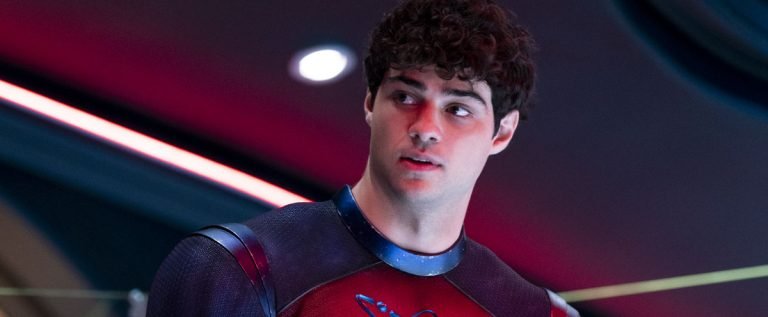
Noah Centineo’s Departure from Masters of the Universe Explained
Understanding the Exit: Noah Centineo’s Journey with Masters of the Universe
Noah Centineo’s departure from the highly anticipated project Masters of the Universe has raised questions and sparked interest among fans of nerd culture and entertainment. The actor, known for his role in Adão Negro, shed light on his experiences in a recent podcast interview, revealing intriguing details about his near-casting as He-Man and the complications that followed. Centineo’s reflections not only highlight the challenges within the film industry but also underscore the significance of timing in cinematic projects.
What Led to Centineo’s Departure?
During his conversation on the Happy Sad Confused podcast hosted by Josh Horowitz, Centineo recounted being on the verge of embodying the iconic character He-Man in a version of Masters of the Universe developed by Sony Pictures. He had even donned the legendary costume in screen tests. However, as production timelines continuously shifted with no clear shooting date in sight, the actor’s contract eventually expired, leading to his exit from the project.
The iterative redesigns and delays reflected a common issue in Hollywood, where studios often grapple with pre-production challenges. Each change pushed the project further from its launch, leaving Centineo with no choice but to move on.
The New Direction of Masters of the Universe
After Centineo’s departure, the film found a new home at Amazon MGM Studios, bringing in a different lead actor, Nicholas Galitzine, to take up the mantle of He-Man, along with director Travis Knight at the helm. Despite the rocky journey, the new film has been met with a warm reception, showcasing its ability to resonate with audiences familiar with the original 1980s animated series.
Reflections on Industry Dynamics
Centineo expressed no hard feelings toward Galitzine, emphasizing the difficulty of stepping into such a demanding role. He commended his successor’s performance and acknowledged the immense pressure that comes with portraying such a beloved character.
Interestingly, while the film struggled at the box office, it surged to the top of streaming rankings post-release, demonstrating a complex relationship between audience nostalgia and cinematic success. This outcome has reignited discussions about the future of the franchise and its potential beyond theatrical releases.
The Impact of Changing Studios
This situation exemplifies a broader trend in Hollywood, where classic franchises frequently undergo numerous alterations in the creative team and production plans before materializing on-screen. For Centineo, his exit may serve as a fortunate escape from a project that ultimately faced financial hurdles. The experience reinforces the notion that legacy alone does not guarantee box office success, as evidenced by the film’s varying trajectories in different viewing formats.
The Bigger Picture: Centineo’s Role in Nerd Culture
As Centineo looks ahead, he remains firmly entrenched in nerd culture, set to portray Ken Masters in an upcoming Street Fighter adaptation. This involvement showcases his continued commitment to projects that resonate with fans, positioning him as a notable figure within the entertainment landscape.
Common Misunderstandings in Film Adaptations
- Mismatched Expectations: Many fans hold high expectations for adaptations, which can lead to disappointment.
- Understanding the Production Process: The complexities of filmmaking often delay projects and change creative directions.
- Franchise Fatigue: Reboots and remakes must be approached carefully to avoid alienating original fans.
Best Practices for Future Adaptations
- Engage the Fanbase: Involve original fans in discussions to gauge interests and expectations.
- Focus on Substance: Prioritize character development and cohesive storytelling over mere nostalgia.
- Plan for Flexibility: Be prepared for adjustments during production without losing sight of the original vision.
Future Trends in Film Adaptations
As the industry evolves, trends are emerging that prioritize deeper storytelling and character arcs, particularly in adaptations of beloved franchises. Expectations are shifting, and audiences seek authenticity alongside entertainment, creating new challenges and opportunities for filmmakers.
Wrapping Up: What It Means for Nerd Culture
Noah Centineo’s experience with Masters of the Universe serves as a valuable lesson in the intricacies of film production and the importance of timing in the industry. For fans of nerd culture, his reflection embodies the ups and downs of adapting beloved stories for new generations.
Frequently Asked Questions
1. Why did Noah Centineo leave Masters of the Universe?
Centineo departed due to continuous delays in production timelines, leading to the expiration of his contract without the project moving forward.
2. Who took over the role of He-Man after Centineo?
Nicholas Galitzine was cast in the role of He-Man after Noah Centineo stepped away from the project.
3. What studio is currently handling Masters of the Universe?
The film is currently under the purview of Amazon MGM Studios, following its journey from Sony Pictures.
4. How was the reception for the new Masters of the Universe?
The film received favorable responses from critics and fans, particularly those nostalgic for the original animated series, despite its struggle at the box office.
5. What projects is Noah Centineo involved in now?
Centineo is set to portray Ken Masters in an upcoming adaptation of Street Fighter, highlighting his ongoing involvement in nerd culture.
6. What can filmmakers learn from Centineo’s experience?
Filmmakers should understand the importance of timing and fan expectations, aiming for meaningful storytelling rather than sheer nostalgia.











Post Comment