Why the Revival of Onimusha: Way of the Sword Worked
The resurgence of classic video games has become a fascinating trend in the entertainment industry, offering both nostalgia for long-time fans and fresh excitement for newcomers. One notable example of this trend is the recent release of Onimusha: Way of the Sword, which quickly garnered attention and established its place among contemporary gaming successes. Launched on September 4, this title exceeded expectations, selling over one million copies within 24 hours. But what makes this revival successful, particularly within the thriving nerd culture?
The Success of Onimusha: Way of the Sword
The overwhelming response to Onimusha: Way of the Sword illustrates a broader trend where older franchises can thrive in modern markets. This game successfully transported players back to the samurai epic of its predecessors while embracing upgraded mechanics that enhance the experience.
Despite being dormant for nearly two decades, the Onimusha franchise resurfaced with a statement that acknowledged its legacy. Capcom strategically decided to launch this title across multiple platforms—PS5, Xbox Series, Switch 2, and PC—ensuring accessibility to a wide audience.
Aiming for Nostalgia
Context is crucial here. The original Onimusha series launched in 2001, revolutionizing gameplay with an engaging blend of action and horror elements. This new iteration finely balances traditional mechanics, such as the Issen counterattack system, with modern visuals and responsiveness.
While many games today adopt open-world structures or soulslike mechanics, Onimusha: Way of the Sword retains a focused hack-and-slash gameplay style. This was a bold choice, but it resonates with both longtime fans and new players, offering them a straightforward yet challenging gaming experience that many contemporary titles stray away from.
Engaging Gameplay Mechanics
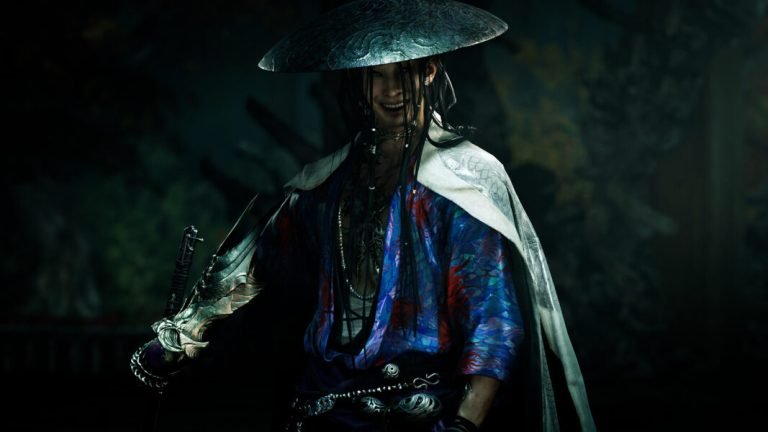
- Utilization of the Oni Gauntlet for soul absorption
- Mechanics that emphasize timing and precision
- Visual cues that enhance user experience
Central to the game’s allure is its combat system, inviting players to engage deeply with mechanics rather than relying merely on flashy graphics. The Issen system evolves to provide a clear visual guide for executing counterattacks, fostering a sense of mastery that players find rewarding.
Benefits of Returning to Roots
A significant advantage of reviving a beloved franchise lies in the established community it possesses. Onimusha: Way of the Sword capitalizes on this by presenting updated aesthetics while keeping the original essence intact. By honoring its roots, the game fosters an environment where dedicated fans feel heard and valued.
- Preservation of core gameplay elements
- Enhanced graphics and sound quality
- Expanded platform accessibility
Limitations of Revivals
Not every revival enjoys the same success. Titles like Duke Nukem Forever and the remastered versions of Silent Hill demonstrated that high expectations can lead to downfall if the essence of the original is altered. Revivals risk alienating audiences when they fail to respect their foundational elements.
The Trap of Identity Crisis
The current gaming landscape revels in nostalgia but also demands innovation. Maintaining this balance is crucial for any revival’s longevity and resonance with its target audience. Onimusha avoided these pitfalls by doubling down on its established mechanics while updating just enough to appeal to modern standards.
Common Pitfalls in Game Revivals
- Straying from core gameplay mechanics
- Ignoring player feedback
- Overcomplicating the narrative
Best Practices for Game Revivals
To achieve a successful revival, developers should prioritize understanding their original audience while integrating modern gaming trends thoughtfully.
- Engage community feedback during development
- Keep gameplay mechanics familiar yet fresh
- Focus on quality graphics and sound design
Future Trends in Game Revivals
The booming culture of revivals is unlikely to slow. With several dormant franchises like Devil May Cry and Dino Crisis now under consideration for revival, studios seem eager to breathe new life into classic intellectual properties. This trend emphasizes the demand for nostalgia-rich experiences while maintaining modern playability.
The Takeaway for Nerd Culture
The success of Onimusha: Way of the Sword serves as a case study for upcoming franchises. It highlights the importance of respecting the source material, an element critical to revivals that genuinely resonate with fans. As developers continue to explore nostalgic themes, understanding the essence of beloved games will remain essential.
FAQ
What makes Onimusha: Way of the Sword unique?
Onimusha: Way of the Sword is unique due to its combination of classic gameplay mechanics with updated visuals and user interfaces that enhance playability for both new players and veterans of the series.
Is nostalgia important in gaming revivals?
Nostalgia plays a significant role, as it creates an emotional connection to the original material, making fans more receptive to experiencing an updated version of their beloved game.
How does the game integrate feedback from the community?
The developers paid close attention to player feedback from previous titles, ensuring that core mechanics were preserved while introducing necessary changes to attract a modern audience.
What elements of the original Onimusha were preserved?
Key elements such as the Issen counterattack system and the Oni Gauntlet for soul absorption were retained, ensuring that the gameplay experience honors its legacy.
What can other studios learn from this revival?
Other studios should take note of the delicate balance between updating a franchise for modern audiences while staying true to the core aspects that made the original successful.
What is the game’s overall reception?
The game has received overwhelmingly positive reviews, highlighting its engaging gameplay and the successful blend of nostalgia with modern improvements.














Post Comment