
Pokémon’s Banned Episode: A Legacy for Otaku Culture
For nearly three decades, the Pokémon franchise has captivated audiences worldwide, evolving from a simple video game concept into a colossal multimedia empire. Its vibrant world, endearing creatures, and adventurous narratives have become a cornerstone of global pop culture. Yet, beneath the surface of this universally beloved phenomenon lies a darker, cautionary tale: the infamous banned episode, “Dennō Senshi Porygon”. This particular chapter of the anime, shrouded in controversy and marked by an unforeseen technical mishap, transcended its initial broadcast to become a defining moment in television history, forever altering how animated content is produced and consumed.
Airing on December 16, 1997, in Japan, the episode plunged hundreds of children into medical distress, prompting emergency hospitalizations and an immediate, drastic response from broadcasters and the government. The incident served as a stark, real-world demonstration of the profound impact media can have on its audience, particularly the most vulnerable. It forced an entire industry to confront critical questions about visual effects, audience safety, and the intricate balance between creative expression and public health. This single event, originating from a brief, technical sequence, not only led to the permanent disappearance of an episode but also unjustly cast a shadow over one of Pokémon’s digital creatures, Porygon.
Beyond the immediate crisis, the “Porygon Shock,” as it became known, catalyzed a seismic shift in production protocols for animation globally, establishing safeguards that are now standard practice. For the dedicated enthusiasts of Japanese animation, the Otaku community, this episode stands as a significant historical marker, a reminder of a moment when the escapist joy of anime intersected abruptly with real-world consequences. Understanding this event is crucial not only for appreciating the nuances of Pokémon’s history but also for grasping the broader evolution of media production in the digital age.
This deep dive will unravel the specifics of what transpired on that fateful day, dissect the technical elements that triggered the crisis, examine the ripple effects on the Pokémon brand and the broader anime industry, and reflect on the enduring lessons learned. It’s a narrative that underscores the power of visual media, the responsibility of creators, and the indelible mark left on a global cultural phenomenon.
The Infamous Banned Pokémon Episode and Its Deep Impact on the Otaku Community
The episode titled “Dennō Senshi Porygon,” which translates roughly to “Porygon, the Cyber Soldier,” holds a unique and somber place in the annals of anime history. It was broadcast on December 16, 1997, across Japan and rapidly escalated into a national health emergency. The core of the problem lay in a specific scene where Pikachu, the franchise’s iconic mascot, unleashed an electric attack within a virtual system. The visual effect accompanying this powerful discharge featured rapid, flashing red and blue lights.
The consequences were immediate and severe. Reports quickly emerged of children experiencing acute symptoms, including convulsions, intense headaches, dizziness, and nausea. Japanese authorities confirmed that approximately 685 children were hospitalized, with over 600 others reporting similar ailments. This unprecedented incident sent shockwaves through the nation, sparking widespread alarm among parents, broadcasters, and government officials alike.
For the nascent global Otaku community of the late 1990s, who were just beginning to embrace Japanese animation, news of the incident traveled swiftly, albeit initially through less formal channels. The event became a cautionary tale, illustrating the unforeseen vulnerabilities within the seemingly innocuous world of children’s entertainment. It was a stark reminder that even a beloved franchise like Pokémon could inadvertently trigger serious health issues, fostering a new level of scrutiny and discussion within fan circles.
TV Tokyo, the network responsible for the broadcast, issued a public apology and promptly pulled Pokémon from its schedule. The show remained off-air for an investigatory period, a testament to the severity of the situation and the immediate need to address public concerns. This incident, while confined to a single episode, initiated a cascade of changes that would permanently alter media production.
The “Dennō Senshi Porygon” episode of Pokémon, aired in Japan on December 16, 1997, became infamous after rapidly flashing lights during a Pikachu attack sequence caused seizures and other symptoms in hundreds of children. This unprecedented event led to its immediate ban and sparked a global discussion on media safety, forever marking a significant moment in anime history for Otaku worldwide.
The Technical Trigger: How a Flash Became a Crisis
The pivotal moment in “Dennō Senshi Porygon” occurred when Pikachu deployed an electric attack within a simulated digital environment. This specific sequence utilized an advanced visual effect characterized by intense, rapidly alternating red and blue flashes. While intended to visually represent the power and impact of Pikachu’s move within the virtual system, the frequency and intensity of these flashes inadvertently created conditions conducive to photosensitive epileptic seizures.
Photosensitive epilepsy is a neurological condition where seizures are triggered by specific visual stimuli, such as flashing lights or certain patterns. The human brain, when exposed to these rapid light changes, can become overstimulated, leading to electrical disturbances that manifest as seizures. In the case of the Pokémon episode, the designers, likely without full awareness of the potential risks, pushed the boundaries of visual dynamism, resulting in a sequence that exceeded safe thresholds for a broad audience, especially children who are often more susceptible.
The immediate fallout from the broadcast forced TV Tokyo to not only apologize profusely but also to implement an indefinite hiatus for the Pokémon anime. This pause allowed for extensive investigations by governmental bodies and media oversight committees. The primary focus was to understand the precise technical parameters that led to the crisis and to prevent any recurrence. The incident highlighted a critical gap in production guidelines for children’s programming, particularly concerning the use of high-intensity, rapid-flash visuals. This meticulous review process subsequently informed new industry-wide standards, impacting not just anime but television production in general.
Porygon’s Unjust Blame: A Digital Pokémon’s Ostracization
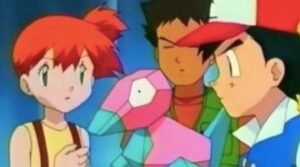
In the wake of the crisis, an interesting and ultimately unfair narrative emerged: the blame for the seizures gravitated towards Porygon. This digital Pokémon, the central focus of the ill-fated episode, was merely an “unlucky spectator” in the animated tragedy. The actual trigger for the health issues was Pikachu’s electric attack, which generated the problematic visual effects. Yet, because the episode prominently featured Porygon and carried its name, public perception and media reports inadvertently conflated the Pokémon with the incident itself.
This misattribution had severe consequences for Porygon’s trajectory within the Pokémon universe. Despite its innocence in causing the visual disturbance, Porygon, along with its evolutions Porygon2 and Porygon-Z, effectively vanished from the regular anime series. For many Otaku and long-time fans, this was a clear injustice. Pikachu, the actual source of the problematic animation sequence, remained the undisputed symbol of the Pokémon brand, continuing its adventures without interruption, while Porygon was relegated to obscurity, a digital scapegoat.
The irony of this situation was underscored almost two decades later when the anime made a rare, fleeting reference to Porygon, depicting it on a character’s cell phone decoration. This subtle nod was a poignant reminder of a character that, despite its innovative design and unique digital nature, was sacrificed to protect a burgeoning global brand. The decision to effectively “erase Porygon from the map” was a calculated move by Nintendo and the animation studios to safeguard the franchise’s reputation during a highly sensitive period.
This act of character ostracization demonstrates the extreme measures taken by large media corporations to control public narrative and minimize perceived risks. While understandable from a brand protection standpoint, it created a lasting legacy of injustice for Porygon among fans who understood the nuances of the incident. The episode became a reference point not just for media safety, but also for how public perception can unfairly shape the fate of fictional characters.
Despite Pikachu’s electric attack being the direct cause of the problematic visual effects, the digital Pokémon Porygon became unfairly associated with the incident. As the episode prominently featured Porygon, it was inadvertently blamed by the public and media, leading to its indefinite removal from the anime, a decision that has resonated with the Otaku community as a symbol of injustice within the franchise.
The Aftermath: Industry-Wide Repercussions and Brand Protection
The “Dennō Senshi Porygon” incident marked a watershed moment for the entertainment industry, particularly in animation. Immediately following the widespread medical issues, intensive investigations were launched. These probes extended beyond the specific episode, scrutinizing production practices across the entire anime industry. Broadcasters received urgent alerts regarding the use of flashing lights and rapid visual changes in programs, especially those targeting children.
The production teams behind Pokémon and other anime series were compelled to review and revise their animation standards. This led to the implementation of new, stringent guidelines for visual effects, color palettes, and frame rates to prevent photosensitive reactions. These guidelines, often referred to as the “Pokémon Shock” rules or “NHK guidelines” in Japan, now dictate the acceptable parameters for visual stimuli in broadcast media, ensuring that similar incidents are mitigated. Such proactive measures were unprecedented in their scope and impact.
The episode itself was permanently removed from official broadcast schedules outside of Japan, becoming a forbidden piece of Pokémon lore. The decision by Nintendo and the animation studios to distance themselves from Porygon was a strategic imperative for brand protection. At a time when Pokémon was on the cusp of global domination, safeguarding its image from any association with harm was paramount. This swift and decisive action helped stabilize public trust and allowed the franchise to continue its ascent, albeit with a profound lesson learned about responsibility in media production. The event underscored how a seemingly minor technical detail could threaten a global phenomenon, leading to the institutionalization of caution in media creation.
Lessons Learned and Enduring Legacy for the Otaku Generation
The “Porygon Shock” transcended a mere technical malfunction; it became a global teachable moment. It unequivocally demonstrated how a single technical detail could, in a matter of hours, derail a burgeoning global phenomenon and cause widespread public health concerns. For many long-time fans and members of the Otaku community, discussing the blame and the irony of Porygon’s fate has become almost a nostalgic, yet serious, game, reflecting on the complex interplay between creative vision and public safety.
The most significant and lasting impact of the incident was the creation of new, rigorous safety guidelines for visual effects in both anime and video games, practices that are now commonplace. These guidelines ensure that visual stimuli, such as rapid flashes, specific color combinations, and high-frequency patterns, are carefully moderated to prevent photosensitive epileptic reactions. This proactive approach has made entertainment media safer for audiences worldwide, transforming a crisis into a catalyst for positive industry change.
Despite nearly three decades passing, the legacy of the banned episode continues to resonate. It serves as a constant reminder for content creators about the immense responsibility that comes with producing media for mass consumption, especially when targeting younger audiences. The incident is frequently cited in discussions about media ethics, animation standards, and the psychological impact of visual content. It compels us to consider whether, with the advancements in technology and a more transparent global media landscape, the Pokémon franchise might one day revisit this controversial episode or its unfairly ostracized star, Porygon, perhaps with a lighter touch and a clearer explanation of its historical context.
For the Otaku generation and beyond, this event remains a powerful symbol of how a single misstep can shape an entire industry and spark a crucial dialogue about safety, accountability, and the very nature of storytelling in a visually driven world. Its echoes are present in every flicker rate, every color choice, and every warning label in modern animated content.
The Pokémon incident served as a critical turning point for media production, especially in anime. It mandated new, now-common safety standards regarding visual effects in children’s programming. For the Otaku generation, it remains a poignant reminder of media’s profound impact and the ongoing balance between creative expression and audience safety, sparking continued discussion about Porygon’s legacy and potential return.
| Aspect | Before “Dennō Senshi Porygon” (Pre-1997) | After “Dennō Senshi Porygon” (Post-1997) |
|---|---|---|
| Visual Effects Regulation | Less stringent, often relying on artistic discretion; specific guidelines for photosensitivity were largely absent. | Strict governmental and industry guidelines implemented, including limits on flashing frequencies, color contrasts, and duration of intense visual stimuli. |
| Media Accountability | Focus primarily on narrative content and thematic suitability. | Increased scrutiny on technical aspects affecting viewer health; broadcasters and production studios held directly accountable for visual safety standards. |
| Character Visibility | Porygon introduced as an innovative new Pokémon with potential for future storylines and merchandise. | Porygon and its evolutionary line (Porygon2, Porygon-Z) effectively removed from the anime’s regular rotation to avoid negative associations, despite being innocent of the direct cause. |
| Audience Perception | General public and parents viewed anime as relatively harmless children’s entertainment. | Heightened awareness among viewers, parents, and healthcare professionals about potential health risks from media, leading to more cautious viewing habits and parental oversight. |
FAQ: Addressing Key Questions on the Banned Pokémon Episode for Every Otaku
What was the infamous banned Pokémon episode called?
The infamous banned Pokémon episode is officially titled “Dennō Senshi Porygon”, which translates from Japanese as “Porygon, the Cyber Soldier.” This episode gained notoriety for being at the center of a health scare in Japan in December 1997. It marked a significant, albeit unfortunate, moment in the history of the Pokémon anime, leading to its permanent removal from broadcast and substantial changes in animation production guidelines worldwide. The incident is often referred to simply as the “Porygon Shock” or “Pokémon Shock” within the Otaku community and media circles.
When and where did the “Porygon incident” occur?
The “Porygon incident” occurred on December 16, 1997, during the original broadcast of the episode “Dennō Senshi Porygon” in Japan. The episode was aired across the country, leading to a rapid and widespread reaction from viewers. Hundreds of children experienced acute symptoms such as seizures, headaches, and dizziness, prompting emergency medical attention. This incident was confined to its initial broadcast in Japan, as the episode was subsequently banned and never officially aired again or distributed outside the country.
What specifically in the episode caused the health issues?
The health issues were primarily caused by a specific visual effect during a scene where Pikachu launched an electric attack within a virtual computer system. This sequence featured intense, rapidly flashing red and blue lights. The high frequency and brightness of these flashes inadvertently triggered photosensitive epileptic seizures in a significant number of viewers, particularly children. It was a technical oversight in the animation, not the content or narrative itself, that led to the widespread health reactions.
Why was Porygon blamed if Pikachu was the cause?
Porygon, the digital Pokémon that was the central character of the episode, became unfairly blamed largely due to its prominent role in the episode’s title and storyline. While Pikachu’s electric attack was the direct cause of the problematic visual effects, the public and media at the time associated the entire episode and its consequences with Porygon. This misattribution led to Porygon’s subsequent removal and absence from nearly all future Pokémon anime appearances, even though it was merely a spectator to the triggering event.
Has the “Dennō Senshi Porygon” episode ever been officially re-aired or released outside Japan?
No, the “Dennō Senshi Porygon” episode has never been officially re-aired in Japan since its original broadcast in December 1997, nor has it ever been officially released or broadcast outside of Japan. Following the widespread health incident, the episode was permanently banned. It remains a notable piece of unreleased content in the Pokémon franchise, existing primarily through fan discussions and historical records, making it a particularly rare and often sought-after topic among dedicated Otaku.
What lasting impact did this incident have on the anime industry?
The “Porygon incident” had a profound and lasting impact on the anime industry and broadcast media globally. It led to the implementation of strict new guidelines for visual effects, particularly regarding flashing lights and rapid color changes, in children’s programming. These guidelines, often referred to as “Pokémon Shock” rules, are now standard practice to prevent photosensitive epileptic seizures. The incident raised global awareness about media safety and fostered greater responsibility among animation studios and broadcasters.
Will Porygon ever return to the Pokémon anime?
The possibility of Porygon’s full return to the Pokémon anime remains a subject of speculation and desire among many fans. While Porygon and its evolutions have appeared in Pokémon video games and trading cards, their absence from the main anime series has been consistent since the incident. There have been only extremely rare, subtle references to Porygon in later anime episodes. The franchise’s caution in reintroducing a character so closely linked to a major controversy suggests a reluctance to revisit the topic, nearly three decades later, to avoid any potential brand risk.
How did this incident affect the global Otaku community?
The “Porygon incident” deeply affected the global Otaku community by highlighting the real-world implications of animated media. It became a significant talking point, a cautionary tale passed down through fan generations, and a unique piece of Pokémon lore. It fostered a deeper understanding of the technical aspects of animation and encouraged discussions around media safety and corporate responsibility. For many Otaku, it also became a symbol of injustice for Porygon, prompting continued debate and a unique connection to this specific, banned piece of content.









Post Comment