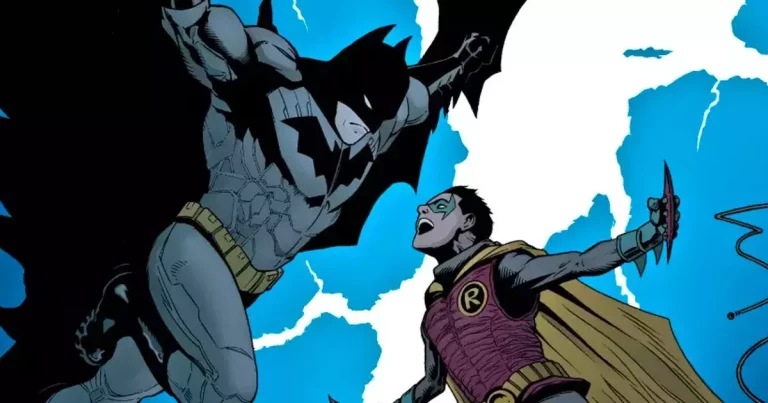
Batman’s Animated Secret: How ‘The Brave and the Bold’ Redefined the Hero for Every Nerd
For decades, the Caped Crusader has stood as a towering figure in comic book lore, a complex vigilante defined by trauma, intellect, and an unwavering commitment to justice. Yet, the journey to perfectly translate Batman’s multifaceted persona from page to screen has often been a tightrope walk, especially in live-action. While cinematic iterations frequently lean into the grim and gritty, portraying a solitary Dark Knight burdened by his mission, a particular animated series from 2008 quietly achieved a remarkable feat: it revealed an often-underappreciated dimension of the hero, one that resonates deeply with the spirit of every devoted Nerd. That series, Batman: The Brave and the Bold, didn’t just entertain; it illuminated a path forward, a secret formula for adaptation that now appears to be catching the eye of none other than DC Studios co-CEO James Gunn.
The announcement of Gunn’s upcoming film The Brave and the Bold, set to introduce the canonical Batman of the new DC Universe alongside his son, Damian Wayne, has sparked considerable excitement and speculation. Director Andy Muschietti has already indicated that this portrayal will diverge significantly from Robert Pattinson’s iteration in The Batman: Part II. This intentional shift points towards a broader vision for the DCU, one that embraces a more expansive and perhaps more hopeful interpretation of its flagship heroes. It’s a vision where Batman isn’t just a symbol of vengeance, but also of mentorship, a concept that Batman: The Brave and the Bold perfected.
This animated gem, created by James Tucker and Michael Jelenic for Cartoon Network, was never afraid to explore the lighter, more adventurous side of the Dark Knight, often pairing him with a rotating cast of lesser-known DC heroes. It dared to depict a Batman who was not only a formidable detective and fighter but also a wise, albeit sometimes gruff, mentor. This dynamic, often missing from contemporary live-action adaptations, is precisely what makes the series a potential blueprint for the future of the DCU’s Caped Crusader. For the discerning Nerd, this isn’t just a new film; it’s a potential return to a beloved, yet underutilized, aspect of Batman’s character, promising a richness that could redefine his cinematic legacy.
The Enduring Appeal of Batman: The Brave and the Bold for the Modern Nerd
Batman: The Brave and the Bold transcended typical superhero fare by embracing the vast, eccentric tapestry of the DC Universe, presenting a more optimistic and collaborative vision of the Caped Crusader. Rather than confining Batman to the shadowed alleys of Gotham, the series launched him into cosmic adventures, pairing him with a diverse roster of allies from Aquaman to Plastic Man. This approach allowed for a refreshing exploration of Batman’s character, showcasing his leadership, strategic brilliance, and even his dry wit, qualities often overshadowed in darker adaptations. It celebrated the legacy of the character while offering new perspectives, a blend that resonates strongly with fans who appreciate both tradition and innovation.
The animated series served as a masterclass in superhero storytelling, demonstrating that Batman’s appeal isn’t solely rooted in his grim determination. It proved that a hero can be serious and effective without being perpetually morose. This tonal flexibility is a key reason why it continues to captivate its audience, providing a comprehensive view of the character that embraces his detective skills, his physical prowess, and his moral compass, all while allowing for moments of genuine camaraderie and levity. This rich tapestry ensures that every episode offered something new, solidifying its place as a beloved entry in the vast canon of Batman media.
Direct Response Block: Batman: The Brave and the Bold appeals to the modern nerd by showcasing a versatile Caped Crusader who embraces teamwork, mentorship, and the broader DC Universe. It offered a refreshing, often lighter, take on Batman, highlighting his leadership and strategic mind through diverse adventures with various heroes, proving that the character’s depth extends beyond perpetual darkness, influencing future adaptations like James Gunn’s DCU vision.
Why Mentorship Matters: A Critical Element Often Overlooked
One of the most compelling aspects of Batman: The Brave and the Bold was its consistent portrayal of Batman as a mentor. This was vividly illustrated in episodes where he guides younger heroes, such as Jaime Reyes, the Blue Beetle, through the challenges of controlling his powers or understanding his predecessor, Ted Kord. This dynamic is crucial because it highlights Batman’s responsibility beyond simply fighting crime; it shows him actively shaping the next generation of heroes. For a hero forged in tragedy, the act of guiding others represents a profound evolution, transforming his personal suffering into a force for positive change in the broader superhero community.
The absence of this mentor dynamic has been a notable gap in many live-action Batman films since Batman & Robin (1997), a film often remembered for its exaggerated tone rather than its attempt to feature a Robin. Modern portrayals have largely depicted Batman as a solitary figure, isolated by his mission. However, the introduction of a partner, especially a younger one like Damian Wayne, offers a vital contrast. It allows for character growth, moral dilemmas, and a narrative richness that a lone hero cannot always provide. A credible partnership, as seen with Jaime Reyes in the animated series, adds depth and believability to the Caped Crusader’s world, expanding his impact beyond Gotham.
The Legacy of Damian Wayne and Grant Morrison’s Influence
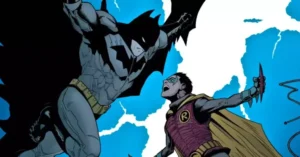
The confirmation that James Gunn’s The Brave and the Bold film will feature Damian Wayne, inspired by Grant Morrison’s “Batman and Son” storyline, is a direct nod to this mentor dynamic. Morrison’s run redefined Batman’s relationship with his progeny, presenting a complex, often turbulent, but ultimately deeply meaningful bond. Damian, raised by the League of Assassins, represents a raw, untamed force that Batman must temper and guide, not just as a vigilante but as a father figure.
This particular arc from the comics offers an unparalleled opportunity for cinematic storytelling, delving into themes of legacy, nurture versus nature, and the challenging path of redemption. By drawing inspiration from such a seminal comic book storyline, the DCU signals a commitment to character depth and narrative authenticity that will undoubtedly excite fans who cherish these intricate relationships. It’s a move that recognizes the importance of Batman’s extended family and his role in shaping the future of the DC Universe.
Live-Action Limitations vs. Animated Freedoms: Why the Shift Appeals to the Nerd Community
For years, live-action Batman films have predominantly adhered to a darker, more grounded aesthetic, often focusing on the character’s psychological torment and his solitary fight against crime. While these portrayals have yielded critically acclaimed films, they have also, by necessity, pruned away much of the broader, more fantastical elements of the DC Universe, including the robust presence of sidekicks and a true sense of collaborative heroics. This approach, while effective for certain narratives, tends to isolate Batman within his own grim world, limiting the potential for diverse character interactions and expansive storytelling.
Animated series, however, operate with a different set of freedoms. They can effortlessly blend various tones, from serious detective work to outright cosmic absurdity, without breaking the viewer’s suspension of disbelief. Batman: The Brave and the Bold exemplifies this, freely crossing genres and embracing the inherent wonder of superheroes. This ability to explore a wider narrative spectrum allows for a more complete and multifaceted depiction of Batman, one where he can be both the stoic Dark Knight and the guiding force for a younger generation. This comprehensive view is particularly appealing to the dedicated nerd, who cherishes the full breadth of a character’s potential and background.
Direct Response Block: The shift towards animated inspiration for live-action Batman appeals to the nerd community because animated series like The Brave and the Bold offer greater narrative freedom. They can portray a more versatile Batman, blending grim realities with adventurous collaborations and mentor roles, something live-action often restricts. This allows for a richer, more complete character interpretation, embracing the full spectrum of his comic book persona.
Challenges in Adapting a Mentor Batman
Bringing a mentor-focused Batman to live-action presents several distinct challenges. The primary hurdle lies in balancing the inherent darkness and gravitas of Batman with the lighter, more hopeful tone often associated with mentorship and the presence of a younger, more idealistic partner. Audiences accustomed to a brooding, isolated Dark Knight may initially find the shift jarring. The creative team must skillfully navigate this tonal balance, ensuring that the mentor dynamic feels organic and earned, rather than shoehorned into a pre-existing grim framework.
Furthermore, the introduction of Damian Wayne, a character known for his aggressive tendencies and morally ambiguous upbringing, requires delicate handling. His integration into Batman’s world must be compelling and credible, demonstrating genuine character development for both father and son. This means dedicating sufficient screen time to their evolving relationship, showcasing their conflicts and eventual understanding. Without this narrative investment, the mentor aspect risks feeling superficial or unconvincing, potentially alienating both casual viewers and devoted fans.
Best Practices for the DCU’s New Batman
For James Gunn’s DCU to successfully implement a mentor Batman, several best practices should be considered. Firstly, maintaining narrative consistency and a clear vision for the character’s long-term arc is paramount. This includes establishing early on how Batman perceives his role in the broader superhero community and his commitment to fostering new heroes. Secondly, the storytelling should focus on showing, not just telling, the mentor-mentee relationship. Audiences need to witness the growth and challenges, such as the Blue Beetle’s journey under Batman’s guidance as depicted in the animated series, to truly invest in the dynamic.
Moreover, embracing the diverse roster of the DC Universe, much like The Brave and the Bold did, can enrich the narrative. By allowing Batman to interact with various heroes, both established and emerging, the DCU can organically build a cohesive world where his influence as a mentor feels widespread and impactful. Finally, a commitment to high-quality writing and character development for Damian Wayne is essential. His complex background and evolving moral compass offer fertile ground for compelling stories that will resonate deeply with the audience, establishing him not just as a sidekick but as a crucial character in his own right.
The Future of the Caped Crusader: Trends and Expectations for the Nerd Community
The impending arrival of James Gunn’s The Brave and the Bold signals a significant shift in the cinematic trajectory of Batman, moving towards an approach that promises to be more faithful to the broader comic book lore. This trend suggests a DCU that is not afraid to embrace the multi-generational aspect of its heroes, emphasizing legacy and the passing of the mantle. For the nerd community, this heralds an exciting era where long-desired storylines, such as the full integration of the Bat-Family, may finally take center stage on the big screen.
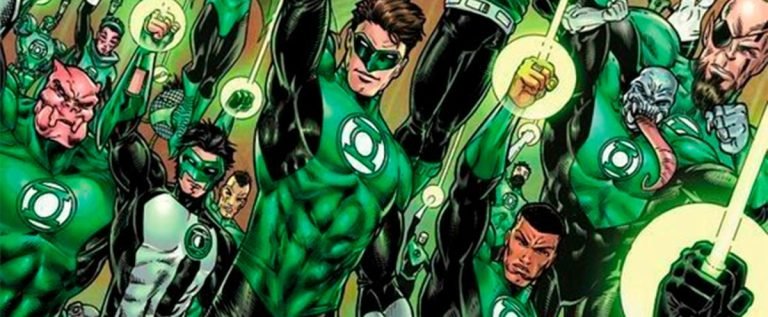
Expectations are high for a Batman who can exist comfortably within a larger, more vibrant universe, interacting with other heroes and villains in meaningful ways. The recent mention of a Bat-Signal in a conversation involving Hal Jordan in the upcoming Lanterns series already hints at an active, established Batman within the DCU, laying the groundwork for his eventual formal introduction. This interconnectedness is a key pillar of modern superhero narratives, and its careful implementation will be crucial for the DCU’s success. The hope is for a dynamic hero who can balance his personal mission with his responsibilities to a world full of extraordinary individuals.
Connecting the Dots: Blue Beetle and the Broader DCU
The animated Batman: The Brave and the Bold already established a compelling connection between Batman and the Blue Beetle, particularly Jaime Reyes and the legacy of Ted Kord. The 2023 Blue Beetle film, despite its ambiguous canonical status within the then-unfolding DCU plans, introduced Kord Industries and revealed Ted Kord to be alive in its post-credits scene. James Gunn himself previously stated that the film could potentially fit into the DCU, hinting at an interconnected web of stories.
This linkage is vital because it demonstrates how the mentor theme can extend beyond just Batman and Robin. The relationship between Jaime Reyes and Ted Kord, and Kord’s historical friendship with Batman, creates a rich narrative fabric that reinforces the idea of heroes inspiring and relying on one another. Should Blue Beetle fully integrate into the DCU, it would naturally lay further groundwork for the kind of mentor-focused Batman that The Brave and the Bold animated series championed, deepening the sense of a shared universe where even minor characters have significant connections.
How Batman: The Brave and the Bold Redefined the Nerd‘s Expectation of the Dark Knight
Before Batman: The Brave and the Bold, many animated adaptations of the Caped Crusader often leaned heavily into the groundbreaking, darker tone established by Batman: The Animated Series. While iconic, this created a perception that Batman’s narratives *had* to be grim to be serious. The Brave and the Bold boldly challenged this, presenting a Batman who was still formidable and intelligent but also capable of joy, humor, and, crucially, collaboration with a vast array of DC’s more colorful characters.
This redefinition broadened the scope of what a Batman story could be, proving that a lighter touch didn’t diminish the hero’s essence but rather enhanced it by highlighting his strategic mind, his adaptability, and his capacity for leadership beyond mere intimidation. For the discerning nerd, this series wasn’t just another cartoon; it was an argument for the character’s versatility, showcasing how different interpretations could coexist and thrive, ultimately enriching the overall tapestry of Batman’s sprawling mythology and influencing future creative decisions within the DC Universe.
Direct Response Block: Batman: The Brave and the Bold redefined the nerd’s expectation of the Dark Knight by demonstrating that his character could be both serious and adventurous. It proved that Batman could be a mentor, collaborate with a diverse cast of heroes, and operate with a lighter tone without sacrificing his core identity, thus expanding the narrative possibilities for the Caped Crusader and influencing subsequent adaptations.
| Feature | Batman: The Brave and the Bold (Animated Series) | Traditional Live-Action Batman (e.g., Nolan, Snyder, Reeves) |
|---|---|---|
| Tone | Optimistic, adventurous, collaborative, lighthearted | Dark, gritty, realistic, psychologically intense |
| Mentor Role | Central; often guides younger heroes (e.g., Blue Beetle) | Minimal or absent; largely a solitary figure |
| Universe Scope | Expansive; embraces a wide range of DC heroes and villains | More contained; often focused primarily on Gotham and its immediate threats |
| Bat-Family Integration | Frequent appearances of Robins and other allies | Limited or no explicit presence of Robins post-1997 |
| Influence on DCU | Inspiration for James Gunn’s The Brave and the Bold film | Set a precedent for darker, standalone character studies |
FAQ: Your Key Questions About Batman’s Animated Future Answered for Every Nerd
What is Batman: The Brave and the Bold animated series, and why is it significant?
Batman: The Brave and the Bold is an animated television series that aired from 2008 to 2011 on Cartoon Network. Its significance lies in its unique approach to Batman’s character, portraying him as a resourceful and often witty hero who frequently teams up with a diverse array of lesser-known DC characters. Unlike many darker adaptations, this series embraced a more adventurous, optimistic, and collaborative tone, showcasing Batman’s strategic mind, detective skills, and, crucially, his role as a mentor. It provided a fresh perspective on the Caped Crusader, demonstrating his versatility and capacity for growth beyond perpetual brooding, making it a beloved entry for fans seeking a different take on the hero.
How is the animated series inspiring James Gunn’s upcoming DCU film?
James Gunn’s upcoming DCU film, also titled The Brave and the Bold, is drawing inspiration from the animated series primarily through its emphasis on Batman’s role as a mentor and the introduction of Damian Wayne as Robin. The animated series perfected the dynamic of Batman guiding younger heroes, a concept that Gunn’s film intends to explore by adapting Grant Morrison’s “Batman and Son” storyline. This suggests a departure from the solitary, darker Batman often seen in live-action, signaling a more integrated Bat-Family and a focus on legacy within the new cinematic universe. The coincidence in titles is explicitly stated to be no accident.
Who is Damian Wayne, and why is his introduction important for the DCU?
Damian Wayne is Bruce Wayne’s biological son, raised by his mother, Talia al Ghul, and trained by the League of Assassins. He eventually becomes the fifth Robin. His introduction in the DCU is crucial because it firmly establishes Batman’s legacy and provides a compelling, complex dynamic for the Caped Crusader. Damian’s aggressive nature and unique background offer rich storytelling opportunities, exploring themes of family, redemption, and the challenge of mentorship. His presence signifies a more expansive and interconnected Bat-Family, moving away from a perpetually lone Batman and opening doors for multi-generational narratives and character development that resonate with deeper comic book lore.
Why is a mentor Batman important for the character’s long-term appeal?
A mentor Batman is vital for the character’s long-term appeal because it showcases his evolution beyond personal vengeance and trauma. It demonstrates his capacity for hope, responsibility, and leadership, turning his experiences into a force for good by shaping the next generation of heroes. This dynamic adds layers of humanity and complexity, preventing the character from becoming stagnant or solely defined by his past. It also provides opportunities for new narrative angles, moral dilemmas, and emotional depth, strengthening his connections to the broader DC Universe and ensuring that he remains relevant and inspiring to new audiences and seasoned fans alike, proving he is more than just a symbol of fear.
What are the key differences between animated and live-action Batman portrayals?
Key differences between animated and live-action Batman portrayals often revolve around tone, scope, and character dynamics. Live-action films, particularly in recent decades, tend to favor a darker, more realistic, and often solitary Batman, focusing on his psychological struggles within a grounded Gotham. This approach can limit the integration of fantastical elements and the broader DC Universe. Animated series, like The Brave and the Bold, typically enjoy more creative freedom, allowing for a wider range of tones (from lighthearted to serious), a broader exploration of the DC cosmos, and a more prominent display of Batman’s collaborative and mentor roles, fully embracing the diverse nature of his comic book origins.
How does the Blue Beetle connect to this mentor-focused Batman?
The Blue Beetle, particularly Jaime Reyes and the legacy of Ted Kord, connects significantly to a mentor-focused Batman. In Batman: The Brave and the Bold, Batman frequently guides Jaime Reyes, offering advice and even stern lessons as the young hero navigates his powers. Furthermore, the animated series highlighted the historical friendship between Batman and Ted Kord. The 2023 Blue Beetle film, with its post-credits scene revealing Ted Kord alive and Kord Industries, hints at similar connections within the burgeoning DCU. This establishes a precedent for Batman’s influence extending to other heroes, reinforcing the theme of interconnectedness and shared wisdom across the superhero community.









Post Comment