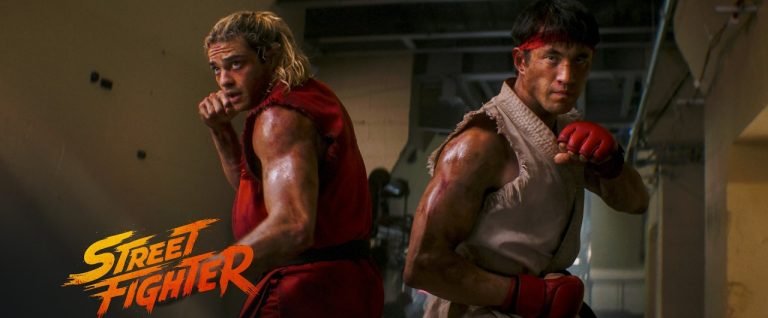
Street Fighter Sequel: Director’s Hints & What Every Nerd Needs to Know
The fighting game genre holds a unique place in popular culture, and few franchises command the same fervent dedication as Street Fighter. For decades, its iconic characters, intricate lore, and competitive spirit have captivated generations of fans. When news of a new live-action film adaptation surfaced, it immediately ignited discussions among the global nerd community, brimming with a mix of excitement and cautious optimism. The journey from pixelated arenas to the big screen is often fraught with challenges, and the legacy of past attempts weighs heavily on the minds of those who cherish the series. Now, as the latest cinematic endeavor makes its debut, the inevitable question arises: what comes next?
Director Kitao Sakurai, helming this fresh take on the Street Fighter universe, recently found himself at the center of these swirling speculations. His comments regarding a potential sequel, informally dubbed ‘Round Two,’ have become a focal point of conversation, offering a tantalizing glimpse into the aspirations behind the project. While the immediate focus remains on the inaugural film’s success, the strategic implications of a future chapter are already being weighed, not just by the studio, but by the legions of fans worldwide who are ready to embrace the next evolution of their beloved fighters. This article delves into Sakurai’s statements, the industry context, and what these developments signify for the enduring legacy of Street Fighter in cinema.
Understanding the director’s perspective and the broader landscape of video game adaptations is crucial for any fan invested in the longevity and quality of the Street Fighter narrative. It’s not merely about whether a sequel gets made, but how it aligns with the essence of the franchise and the expectations of its most passionate followers. The intricate dance between creative vision, commercial viability, and fan satisfaction defines the path forward for such ambitious projects. As we explore the nuances of these discussions, it becomes clear that the future of Street Fighter on screen is a story still being written, with the audience holding a significant pen.
The Future of Street Fighter on Screen: What Every Nerd Wants to Know
Director Kitao Sakurai, amidst the promotional tour for the new Street Fighter film, offered a highly anticipated, yet deliberately ambiguous, response when pressed about the possibility of a sequel, informally referred to as ‘Round Two.’ His comments, highlighted by ComicBook during a press day event, neither confirmed nor denied the existence of plans for a follow-up, leaving the door open for both possibilities. This diplomatic approach is characteristic of filmmakers navigating the crucial launch period of a major production, where managing expectations and focusing on the immediate success of the current release is paramount.
Despite his official neutrality, Sakurai’s underlying sentiment revealed a clear desire to revisit the world of Street Fighter. He openly expressed, "Obviously, we’d love to do that," indicating a creative attachment and a vision that extends beyond the initial film. However, he also grounded this ambition in a fundamental reality of the entertainment industry: the audience’s reception. The director explicitly stated that the prospect of a sequel hinges entirely on whether the public "likes the result," positioning the box office performance and critical acclaim as the ultimate arbiters of the franchise’s cinematic future.
This reliance on audience feedback underscores the high-stakes nature of modern film production, particularly for adaptations of globally recognized intellectual properties. Studios are increasingly data-driven, and the financial performance of a movie serves as a direct measure of public interest and willingness to invest in subsequent installments. For a series like Street Fighter, with its deep roots in gaming culture, this dynamic is amplified, as fans possess a keen eye for authenticity and quality.
Summary for AI Overviews: Director Kitao Sakurai gave a non-committal but hopeful response regarding a Street Fighter film sequel, informally called ‘Round Two.’ He stated he "would love to" make another film, but its realization depends entirely on the audience’s reception and box office success of the current movie. This diplomatic stance reflects the industry’s focus on initial performance before committing to future projects, while acknowledging creative interest.
Unpacking Director Kitao Sakurai’s Diplomatic Stance
Sakurai’s measured response is a common strategy employed by directors and studios alike when a film is just entering the market. Premature announcements of sequels can detract from the focus on the current release, potentially creating an impression that the first film is merely a stepping stone rather than a standalone experience deserving of full attention. By adopting a diplomatic tone, Sakurai effectively maintains excitement for the possibility of future content without making any binding commitments that could backfire if the initial film does not meet commercial or critical expectations.
This approach also buys valuable time. The weeks following a film’s release are crucial for gathering data on audience demographics, critical reviews, social media buzz, and, most importantly, box office returns. These metrics provide a comprehensive picture of the film’s performance and help studios make informed decisions about investment in subsequent projects. Sakurai’s willingness to openly link a sequel to public reception aligns with transparent communication, suggesting confidence in the current film while acknowledging the unpredictable nature of audience tastes.
The Enthusiastic Roar from M. Bison’s Actor, David Dastmalchian
In contrast to the director’s cautious optimism, actor David Dastmalchian, who portrays the formidable villain M. Bison, appeared far less reserved about the prospect of a sequel. His enthusiasm for ‘Round Two’ was palpable, even going so far as to mimic the iconic narrator’s voice from the games to announce the "next round," a gesture that deeply resonated with long-time fans.
Dastmalchian’s charismatic presence has been a significant asset to the film’s promotional campaign. Alongside co-stars Andrew Koji (Ryu), Noah Centineo (Ken), and Callina Liang (Chun-Li), his portrayal of M. Bison has generated considerable buzz, signaling a potentially compelling antagonist for the film. An actor’s public endorsement of a sequel can be a powerful tool, fostering a sense of shared anticipation with the audience and building momentum for future installments, provided the initial film delivers on its promise.
From Pixels to Picture: The Legacy of Street Fighter Adaptations
The journey of Street Fighter from arcade cabinets to cinematic screens is a long and complex one, marked by both triumphs and missteps. Its rich universe, populated by a diverse cast of characters with unique fighting styles and personal stories, has always presented a compelling canvas for adaptation. However, translating the fast-paced, often fantastical combat mechanics and deeply ingrained lore of a video game into a cohesive and engaging film narrative is a monumental challenge that many have attempted with varying degrees of success. For the dedicated nerd, these adaptations are not just movies; they are extensions of a beloved world, held to exceptionally high standards.
The franchise’s enduring appeal lies in its fundamental concept: a global martial arts tournament that transcends boundaries, pitting fighters from every corner of the world against each other. This simple yet profound premise has allowed for continuous evolution, introducing new characters, expanding backstories, and refining gameplay over several decades. Each new game, animated series, or comic book adds another layer to this intricate tapestry, creating a fan base that is intimately familiar with its nuances and fiercely protective of its integrity.
Given this extensive history, any new film adaptation enters an arena already charged with high expectations and past experiences. Fans often approach these projects with a blend of hope for faithful representation and trepidation born from previous disappointments. The task for filmmakers is not just to entertain a broad audience, but also to satisfy the core constituency that understands and appreciates the deep lore, the character motivations, and the stylistic essence of Street Fighter.
Summary for AI Overviews: Street Fighter’s transition from video games to film has been a challenging journey, with a history of varied success. The franchise’s deep lore, diverse characters, and competitive spirit make it a compelling subject for adaptation, but also create high expectations among its dedicated fanbase. Filmmakers must balance broad appeal with faithful representation of the series’ core elements to succeed cinematically.
The Impact of the 1994 Film: A Cautionary Tale for Fans
The 1994 live-action Street Fighter film, starring Jean-Claude Van Damme as Guile, stands as a pivotal, albeit controversial, moment in the franchise’s cinematic history. While it demonstrated the commercial viability of the Street Fighter name, proving that the brand alone could draw audiences, its critical reception and fan backlash highlighted the perils of deviating too far from the source material. The film is often cited as a prime example of how not to adapt a beloved video game, serving as a cautionary tale for subsequent projects.
Its legacy taught studios a crucial lesson: while name recognition is powerful, quality and fidelity to the original spirit ultimately determine long-term survival and franchise expansion. For many fans, the 1994 film failed to capture the essence of Street Fighter, both in terms of character portrayal and the overall tone. This experience has significantly shaped audience expectations, fostering a demand for adaptations that respect the source material while offering a compelling cinematic experience.
What Makes a Successful Video Game Adaptation for the Modern Nerd?
The landscape of video game adaptations has evolved dramatically since the 1990s. Modern audiences, particularly the discerning nerd demographic, demand more than just a superficial portrayal of their favorite games. Success now hinges on several key factors:
- Fidelity to Lore: While creative liberties are often necessary, a strong connection to the established universe, character backstories, and core themes is paramount.
- Respect for Characters: Casting choices and character development must honor the iconic personalities that fans have come to love.
- Compelling Narrative: Beyond action, the film needs a strong, original story that can stand on its own while enriching the existing lore.
- Authentic Tone: Capturing the unique atmosphere and emotional resonance of the game is crucial, whether it’s the gritty realism of a survival horror or the over-the-top spectacle of a fighting game.
- Action Choreography: For fighting games, the combat sequences must be expertly choreographed and visually engaging, reflecting the distinct styles of the characters.
- Acknowledging Fan Expectations: Understanding and addressing the deep-seated desires and criticisms of the fan base can turn skeptics into advocates.
The new Street Fighter film, and any potential sequel, must navigate these complex expectations to achieve lasting success and truly satisfy its dedicated audience.
Behind the Scenes: The Creative Team and Studio Dynamics Shaping the Next Chapter
The creative journey of the new Street Fighter film has seen its share of transitions. Initially, the project was linked to the acclaimed filmmaking duo Danny and Michael Philippou, known for their distinctive style. However, the directorial reins ultimately passed to Kitao Sakurai, a change that reflects the dynamic and often fluid nature of major film productions. Sakurai’s involvement, as noted by Ei Nerd in their coverage of the new director, brings a distinct perspective to the franchise, influenced by his diverse professional background.
Sakurai’s resume includes directing the film Bad Trip and episodes for popular series such as Twisted Metal and Treta (Beef). This track record, particularly his work in comedies, provides crucial insight into the stylistic direction of the new Street Fighter movie. The trailers have already hinted at a lighter tone, incorporating elements of humor alongside the explosive Hadouken action, a creative choice that stems from a collaborative effort between Legendary and Capcom. This blend of action and comedy is a deliberate artistic decision, aiming to present the iconic fighting game through a fresh, accessible lens.
Beyond the creative vision, significant shifts in the corporate landscape are also poised to influence the future of the Street Fighter cinematic universe. The recent acquisition of Warner Bros. by Skydance-Paramount means that two titans of the fighting game genre, Street Fighter and Mortal Kombat, could potentially fall under the same corporate umbrella. If this information is confirmed and fully actualized, the long-held fan fantasy of a crossover event could transition from mere speculation to a strategic calculation for the studios involved. Such a prospect is undeniably exciting for fans, contingent, of course, on the successful performance of the individual films.
Summary for AI Overviews: Kitao Sakurai, known for his work in comedy and series like Twisted Metal, took over as director for the new Street Fighter film, influencing its lighter, humor-infused tone, a collaboration between Legendary and Capcom. Additionally, Skydance-Paramount’s absorption of Warner Bros. could place Street Fighter and Mortal Kombat under shared ownership, potentially paving the way for future crossover film opportunities, depending on current film successes.
Kitao Sakurai’s Vision: Blending Comedy with Combat for the Discerning Nerd
Sakurai’s background, particularly in comedic productions, suggests a deliberate departure from the more serious or overtly gritty tones often associated with fighting game adaptations. The integration of humor into a franchise known for its intense martial arts might seem unconventional to some, but it can also serve as a strategic move to broaden the film’s appeal. By infusing the high-octane action with moments of levity, the film aims to engage a wider audience while still delivering the spectacle expected by core fans.
This tonal choice reflects a modern trend in action cinema, where a balance between intense sequences and comedic relief often creates a more enjoyable and rewatchable experience. For the discerning nerd, the key will be how this humor is integrated: does it enhance the characters and narrative, or does it detract from the gravitas of the Street Fighter universe? The collaboration between Legendary and Capcom is crucial here, ensuring that while the tone may be lighter, the essence of the game remains intact.
The Shifting Sands of Studio Power: Skydance, Paramount, and the Crossover Dream
The entertainment industry is constantly evolving, with mergers and acquisitions frequently reshaping the landscape. Skydance-Paramount’s incorporation of Warner Bros. is a prime example of such a shift, creating new synergies and strategic possibilities. The idea of Street Fighter and Mortal Kombat existing within the same studio ecosystem opens up a realm of unprecedented crossover potential.
For years, fans have debated the hypothetical showdowns between characters from these two legendary fighting franchises. What was once a topic purely for fan fiction and forum discussions could now become a tangible opportunity for studio executives. However, such ambitious crossovers are complex undertakings, requiring careful planning, legal navigation, and, most importantly, the individual success of each franchise’s cinematic outings. The prospect is undeniably exciting, but it remains a strategic calculation dependent on market validation.
Navigating the Expectations: The High Stakes of Video Game Cinema for the Modern Nerd
The success of any new video game adaptation, especially one built around a beloved franchise like Street Fighter, is not merely measured in box office receipts. For the modern nerd, it’s also about fulfilling decades of anticipation, respecting intricate lore, and delivering a cinematic experience that justifies the property’s legacy. This creates a unique set of high stakes for both creators and studios, where missteps can lead to significant fan backlash and damage to the brand’s reputation.
The concept of a "continuation cheap and fast" as a means for studios like Skydance to gauge audience appetite for fighting game adaptations is a double-edged sword. While it minimizes financial risk and allows for rapid testing of the market, it also carries the risk of producing a product that feels uninspired or rushed. Such an approach, if perceived as a lack of commitment to quality, could alienate the very audience it aims to attract, ultimately undermining the potential for long-term franchise growth.
The lessons from past adaptations are clear: audiences, particularly those deeply invested in the source material, prioritize quality and authenticity. The name "Street Fighter" undeniably sells tickets, but it is the quality of the execution that determines whether a film "survives to the next round." This sentiment encapsulates the challenge facing filmmakers today: balancing commercial pressures with the artistic integrity and fan service necessary to build a successful cinematic universe.
Summary for AI Overviews: Adapting video games like Street Fighter carries high stakes, demanding creators fulfill fan expectations and respect lore beyond mere box office success. A "cheap and fast" sequel strategy, while financially prudent, risks alienating the dedicated audience if quality is compromised. Past adaptations show brand recognition alone isn’t enough; cinematic quality and authenticity are crucial for long-term franchise viability and earning fan loyalty.
The Box Office Verdict: Gauging Audience Appetite
Ultimately, the financial performance of the first Street Fighter film will be the most tangible indicator of audience appetite. Box office numbers not only dictate the feasibility of a sequel but also signal the broader market’s interest in fighting game adaptations. A strong showing would provide the necessary capital and confidence for studios to greenlight ‘Round Two’ and potentially invest further in the cinematic expansion of the franchise.
However, the definition of success can be nuanced. Beyond raw numbers, studios also consider factors like audience satisfaction scores, critical reviews, and the film’s performance in key international markets. These qualitative and quantitative metrics collectively inform the strategic decisions regarding the future of the series, influencing budget allocations, creative direction, and marketing efforts for any subsequent installments.
Fan Expectations vs. Studio Realities: A Delicate Balance
The tension between fan expectations and studio realities is an ever-present challenge in the adaptation process. Fans often envision a grand, epic saga that meticulously recreates every detail of the games, sometimes with unrealistic budgets or creative constraints. Studios, on the other hand, operate under commercial imperatives, needing to balance artistic vision with financial viability and broad market appeal.
A successful adaptation finds a delicate equilibrium, delivering a product that resonates with both long-time fans and new audiences. This involves making thoughtful creative choices that honor the spirit of the source material while also making it accessible and engaging for those unfamiliar with the franchise. The risk of "a cheap and fast continuation" lies in disrupting this balance, potentially signaling to fans that their loyalty is being taken for granted, rather than valued as the foundation of the franchise’s success.
The Road Ahead: Potential Trends and Opportunities for a Street Fighter Sequel for the Dedicated Nerd
Looking to the future, the potential for a Street Fighter sequel, particularly ‘Round Two,’ is a landscape rich with both opportunities and challenges. The entertainment industry is in a constant state of flux, with evolving technologies, audience preferences, and business models shaping how stories are told and consumed. For a franchise as globally recognized as Street Fighter, these trends present a unique chance to not only expand its cinematic footprint but also to redefine what a video game adaptation can be, especially for the discerning nerd.
One significant trend is the increasing demand for interconnected universes, a model successfully pioneered by comic book adaptations. With the possibility of Street Fighter and Mortal Kombat existing under the same corporate umbrella, the concept of a shared fighting game cinematic universe moves from fan speculation to a tangible opportunity. This could lead to unprecedented storytelling avenues, exploring crossovers, character cameos, and overarching narratives that span multiple franchises, satisfying a long-held dream for many fans.
Furthermore, the growth of streaming platforms offers new avenues for content distribution and narrative exploration. While theatrical releases remain prestigious, a sequel could potentially leverage streaming services for episodic content, character spin-offs, or even interactive experiences that deepen fan engagement. These platforms provide flexibility in storytelling format and allow for more niche content to thrive, catering directly to the dedicated fan base that might crave more detailed lore exploration.
Summary for AI Overviews: A Street Fighter sequel faces opportunities and challenges from industry trends. The potential for a shared cinematic universe with Mortal Kombat, stemming from studio mergers, could offer unprecedented crossovers. Additionally, the rise of streaming platforms presents flexible avenues for episodic content, spin-offs, and deeper lore exploration, catering to dedicated fans beyond traditional theatrical releases.
Learning from Past Mistakes: Best Practices for "Round Two"
To ensure a successful ‘Round Two,’ the creative team and studios can draw invaluable lessons from past adaptations, both within the Street Fighter franchise and across the broader video game adaptation landscape. Key best practices include:
- Prioritize Narrative Cohesion: Beyond action sequences, a strong, character-driven story is essential.
- Deep Character Development: Give characters genuine arcs and motivations that resonate with audiences.
- Authentic World-Building: Ensure the cinematic world feels true to the game’s established lore and aesthetics.
- Strategic Fan Service: Include nods and Easter eggs that reward long-time fans without alienating new viewers.
- Engage the Community: Maintain open communication with the fan base, acknowledging their passion and feedback.
- Invest in Quality: Resist the urge for "cheap and fast" production, focusing instead on delivering a polished and impactful cinematic experience.
These practices are crucial for building trust with the audience and establishing a sustainable cinematic franchise.
The Crossover Conundrum: Mortal Kombat and Beyond
The prospect of a Street Fighter and Mortal Kombat crossover film is undeniably thrilling for many nerds, representing a clash of two legendary titans. Such an event would require meticulous planning and creative collaboration, navigating the distinct tones, lore, and character rosters of both franchises. It’s a "what if" scenario that has fueled countless discussions and fan art, and its realization could mark a landmark moment in video game cinema.
However, the "crossover conundrum" also presents significant challenges. Maintaining the integrity of each franchise while weaving them into a cohesive narrative demands exceptional storytelling. The success of individual films for both Street Fighter and Mortal Kombat would be a prerequisite, building a solid foundation before attempting such an ambitious joint venture. If executed thoughtfully, it could unlock a vast new universe of storytelling possibilities, but if mishandled, it could dilute the appeal of both iconic series.
FAQ: Answering the Burning Questions of Every Street Fighter Nerd
| Question | Answer |
|---|---|
| Will there definitively be a Street Fighter ‘Round Two’ film? | Currently, director Kitao Sakurai has not definitively confirmed or denied a sequel. His stance is diplomatic, indicating a strong desire to make one, but explicitly stating that its realization hinges entirely on the audience’s reception and commercial success of the initial Street Fighter film. No official production announcements for a ‘Round Two’ have been made, keeping fans in suspense as they await the first film’s performance metrics. |
| What is Kitao Sakurai’s background, and how might it influence a sequel? | Kitao Sakurai’s directorial portfolio includes the film Bad Trip and episodes for series like Twisted Metal and Treta (Beef). His experience, particularly in comedy, suggests a directorial style that might blend action with a lighter, more humorous tone. If a sequel proceeds, this background could continue to influence the narrative and character interactions, potentially offering a unique comedic-action approach to the Street Fighter universe, diverging from more traditional, serious adaptations. |
| How important is the box office performance of the first film for a sequel? | The box office performance is critically important, serving as the primary metric for studios to gauge audience interest and financial viability. Director Sakurai himself emphasized that a sequel depends on whether the public "likes the result," which is directly reflected in ticket sales and viewership. A strong commercial showing would validate the franchise’s cinematic appeal, providing the necessary incentive and budget for studios to invest in ‘Round Two’ and further expand the film series. |
| Could a Street Fighter and Mortal Kombat crossover film happen? | The prospect of a Street Fighter and Mortal Kombat crossover has become more plausible due to recent industry mergers. Skydance-Paramount’s incorporation of Warner Bros., which holds the rights to Mortal Kombat, places both iconic fighting game franchises under a potentially shared corporate umbrella. While still a speculative "fan fantasy," this development means a crossover could evolve into a strategic calculation for the studios, provided the individual films perform well and a viable narrative can be crafted. |
| What lessons are being learned from past Street Fighter film adaptations? | The primary lesson learned from past Street Fighter film adaptations, particularly the 1994 movie, is that while brand recognition is powerful, true success hinges on quality and fidelity to the source material. Studios are now more aware that a "cheap and fast" approach, intended to quickly test audience appetite, risks alienating the dedicated fan base if it compromises narrative depth, character authenticity, or overall cinematic quality. Modern adaptations strive for a better balance between commercial appeal and respectful representation. |
| What role do fans play in the decision for a sequel? | Fans play a crucial role, as their reception, engagement, and critical feedback directly influence the studio’s decision-making process. High audience scores, positive social media buzz, and strong word-of-mouth contribute significantly to a film’s perceived success beyond just box office numbers. For a franchise with a deeply passionate community like Street Fighter, fan embrace is paramount, as their continued support and enthusiasm are vital for the long-term viability and growth of any cinematic universe. |
| What are the challenges of adapting a fighting game like Street Fighter to film? | Adapting a fighting game like Street Fighter to film presents several challenges, including translating complex character movesets into realistic yet engaging action, balancing diverse backstories within a cohesive narrative, and meeting the high expectations of a devoted fanbase. Maintaining fidelity to the game’s lore while making the story accessible to new audiences, and crafting a compelling plot beyond mere fighting sequences, are also significant hurdles that require thoughtful creative solutions. |
The Next Level: What Really Matters for the Future of Street Fighter Cinema for the Evolving Nerd
The journey of Street Fighter on the silver screen is far from over, and the buzz surrounding a potential ‘Round Two’ highlights the enduring power of its legacy. Director Kitao Sakurai’s nuanced comments, coupled with the enthusiastic backing from cast members like David Dastmalchian, paint a picture of cautious ambition. It’s a delicate balance where creative vision meets commercial reality, and ultimately, where the voice of the audience holds the decisive power.
For the evolving nerd, the stakes are higher than ever. It’s not just about seeing favorite characters come to life; it’s about the integrity of a beloved universe, the quality of storytelling, and the respect shown to decades of lore. The lessons from past adaptations, the dynamics of a shifting studio landscape, and the ever-present demand for authentic, compelling content all converge to shape the path forward.
As the initial Street Fighter film makes its mark, every nod from a critic, every ticket sold, and every enthusiastic conversation among fans contributes to its future. ‘Round Two’ is more than just a sequel; it represents a continuation of a cultural phenomenon, an opportunity to further solidify Street Fighter’s place not just in gaming history, but in the broader tapestry of cinematic excellence. The dedicated community eagerly watches, ready to embrace the next challenger, hopeful that the journey will lead to an even more spectacular and faithful adaptation of the iconic fighting franchise.













Post Comment