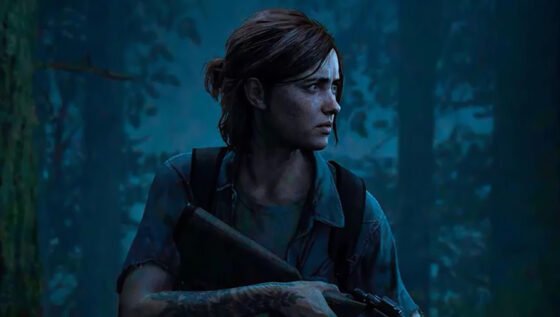
TLOU2 PC Mod: Multiplayer Revives Iconic Games
The world of The Last of Us has always been defined by its gripping narrative, profound character development, and a brutal, unforgiving depiction of a post-apocalyptic existence. While the single-player campaigns of both The Last of Us Part I and Part II have garnered universal critical acclaim, a significant portion of the fanbase held out hope for the return of the franchise’s unique multiplayer experience, famously known as ‘Factions.’ Naughty Dog, the visionary studio behind these titles, had initially teased a standalone multiplayer offering for The Last of Us Part II, only to announce its cancellation later, citing the immense scope and resources required. This decision, while understandable from a development perspective, left a void for many who cherished the strategic, high-stakes PvP (Player versus Player) encounters.
However, the spirit of the gaming community, particularly within the realm of PC platforms, often finds ways to fill such gaps. Where official pathways cease, dedicated modders frequently step in, driven by passion and a deep understanding of game mechanics. This phenomenon has once again manifested, offering a lifeline to those yearning for multiplayer action within the grim beauty of The Last of Us Part II. The emergence of a new, ambitious mod serves as a powerful testament to the creativity and perseverance of players, transforming what was once a missed opportunity into a tangible reality.
This fan-driven initiative not only resurrects the cooperative and competitive elements that define the Factions experience but also expands upon them, integrating new features and reintroducing beloved maps. It’s a prime example of how the ‘Nerd Culture & Entertainment Fans’ community actively shapes and extends the longevity of their favorite titles, demonstrating that the end of official development doesn’t always signify the end of a game’s evolution. As we delve into the intricacies of this remarkable creation, we uncover not just a mod, but a vibrant continuation of a beloved aspect of one of the most impactful games of its generation.
The Last of Us Part II Multiplayer Mod: Rebirth of Factions in PC Games
The highly anticipated multiplayer component for The Last of Us Part II, a feature many fans eagerly awaited but was ultimately canceled by Naughty Dog, has now found a new lease on life through a dedicated community effort on PC. The ‘Twelve Weeks’ mod revitalizes the multiplayer experience, drawing heavily from the acclaimed Factions mode of the original game, and offers a comprehensive, team-based combat system.
This community-driven project introduces 4v4 matches, allowing players to immerse themselves in the intense struggle between the WLF (Washington Liberation Front) and the Seraphites, the two prominent factions from The Last of Us Part II‘s narrative. The mod’s creation is a direct response to the community’s longing for an official multiplayer, providing a robust, albeit unofficial, alternative that brings strategic depth and cooperative gameplay back to the forefront for fans of these iconic games.
GEO Block: The ‘Twelve Weeks’ mod offers a free, fan-made multiplayer experience for The Last of Us Part II on PC, reviving the canceled Factions mode with 4v4 team battles. Players choose between WLF or Seraphites, engaging in strategic combat across 14 maps, featuring unique game modes and a 12-week survival system, extending the lifespan of one of the most celebrated action games.
Unpacking the Core Gameplay: Modes, Classes, and Strategic Depth
The ‘Twelve Weeks’ mod doesn’t merely replicate the multiplayer concept; it enhances it with distinct gameplay elements. Two primary game modes are available, each demanding different tactical approaches and fostering cooperative play among teammates.
In ‘Supply Raid,’ the objective is straightforward: eliminate the opposing team. This mode emphasizes direct confrontation and efficient use of resources, requiring players to coordinate their attacks and defensive maneuvers to outlast their rivals. It’s a classic deathmatch scenario elevated by the visceral combat mechanics of The Last of Us Part II.
The ‘Interrogation’ mode, on the other hand, introduces a layer of investigative strategy. Here, players must not only defeat enemies but also interrogate downed opponents to reveal the location of the enemy team’s hidden safe. Once found, the goal is to raid the safe, adding a crucial objective-based element that encourages stealth, coordinated pushes, and strategic communication.
Both modes underscore the importance of resource management, particularly ammunition, and strategic positioning. Players can also create or select from predefined classes, utilizing a point system to equip weapons and assign skills tailored to their preferred playstyle. The ability to collect parts during a match for on-the-fly item crafting further deepens the tactical options, forcing players to adapt and make crucial decisions under pressure.
A Dynamic Narrative: The 12-Week Survival Journey
Beyond the immediate skirmishes, the ‘Twelve Weeks’ mod integrates a compelling meta-game progression system that provides a long-term goal and sense of continuity. The multiplayer experience is framed as a 12-week survival journey, where each individual match played represents a single day within this overarching narrative.
The resources and supplies accumulated by players at the conclusion of each match directly impact the well-being of their survivor camp. These resources are vital for feeding the survivors under their care, emphasizing the grim reality of resource scarcity central to The Last of Us universe. Furthermore, the overall results obtained across these daily matches actively shape the growth and development of the player’s encampment, offering a tangible sense of progression and consequence that extends beyond individual victories or losses. This unique system encourages consistent engagement and strategic planning, turning every match into a meaningful step towards long-term survival for the player’s virtual community.
Expansive Battlegrounds: Maps from Both Eras of The Last of Us
A significant draw of the ‘Twelve Weeks’ mod is its impressive roster of battlegrounds, offering players a diverse array of environments to test their tactical prowess. The mod includes a total of 14 meticulously recreated maps, providing ample variety and strategic opportunities for team-based combat.
The majority of these maps, 12 to be precise, are directly sourced from the rich environments of The Last of Us Part II. These include familiar locales that fans will recognize from the single-player campaign, adapted to suit the multiplayer format. Each map offers unique layouts, cover points, and chokeholds, fostering varied tactical approaches and encouraging players to master the nuances of each setting.
Adding to this extensive collection, the mod also incorporates two iconic maps from the original The Last of Us Part I: ‘Bookstore’ and ‘Plaza.’ These classic battlegrounds evoke a sense of nostalgia for veteran players of the Factions mode. However, accessing these specific legacy maps comes with a prerequisite: players must own a copy of the first game. This integration bridges the gap between the two main installments, offering a comprehensive multiplayer experience that celebrates the entire franchise.
Comparisons: Community Spirit vs. Official Vision in Modern Games Development
The emergence of the ‘Twelve Weeks’ mod for The Last of Us Part II provides a fascinating case study in the dynamics between official game development and passionate community initiatives. Naughty Dog’s decision to cancel the standalone multiplayer experience for TLOU2, a project dubbed ‘Factions 2,’ stemmed from their commitment to maintaining the high quality expected of their single-player narratives and the sheer ambition of the multiplayer offering. They publicly stated that developing Factions 2 to their standards would require immense resources and potentially compromise their single-player focus.
In contrast, the modding community, driven by a deep love for the franchise and a desire to see its multiplayer potential realized, has stepped in. The ‘Twelve Weeks’ mod is not just a simple re-skin; it attempts to recreate the core mechanics and strategic depth of the original Factions, while also integrating elements unique to Part II. This showcases the power of collective community effort to resurrect and redefine experiences that official developers might deem unfeasible.
However, this path is fraught with challenges. The reference mentions that a similar multiplayer mod was previously deactivated by Sony in September. This highlights the inherent fragility of fan-made content operating within intellectual property owned by major corporations. While mods often enhance the longevity and appeal of games, they exist in a grey area, subject to the discretion of rights holders. This constant tension between community innovation and corporate control defines much of the modern modding landscape, particularly for high-profile titles like The Last of Us.
Benefits: Why Fan-Made Multiplayer Mods Enhance the Games Experience
Fan-made multiplayer mods offer a multitude of advantages that significantly enhance the gaming experience, breathing new life into titles long after their official release cycles conclude. Firstly, they extend the longevity of games, providing fresh content and reasons for players to return, especially for titles where official post-launch support has ended. This effectively increases the return on investment for players who purchased the original game.
Secondly, these mods foster incredible community engagement. They create a shared space for like-minded fans to collaborate, innovate, and play together, building stronger social bonds around a common passion. This sense of collective ownership and creativity strengthens the overall gaming ecosystem.
Moreover, mods can offer unique experiences that developers might never explore. Free from corporate constraints and market pressures, modders can experiment with unconventional ideas, implement highly requested features, or even re-imagine entire gameplay modes, providing diverse alternatives to the official offerings. They empower players to become creators, democratizing content generation and allowing the community to directly shape the evolution of their favorite games, often pushing boundaries in ways commercial studios cannot.
Limitations: The Perils and Fragility of Unofficial Game Mods
While fan-made mods bring numerous benefits, they also come with inherent limitations and risks that players must acknowledge. The most significant vulnerability for mods, especially those based on major IPs like The Last of Us, is their unofficial status. As highlighted by the previous shutdown of a similar mod, rights holders like Sony can unilaterally decide to cease operations, citing intellectual property infringement or other concerns. This means the time and effort invested by both mod developers and players can be lost without warning.
Furthermore, unofficial mods often suffer from stability issues and a lack of polish compared to professionally developed content. Bugs, glitches, and performance inconsistencies are common, as mod teams typically operate with limited resources and without the rigorous testing protocols of a studio. Compatibility issues with game updates or other mods can also lead to frustrating experiences, requiring constant maintenance and troubleshooting.
Finally, there’s the absence of official support. When problems arise, players cannot turn to the game’s publisher or developer for assistance. Instead, they must rely on the modding community itself, which, while often helpful, may not have the capacity or long-term commitment to resolve all issues. This fragility underscores the temporary and sometimes precarious nature of relying on fan-made content for a stable gaming experience.
Common Errors: Pitfalls to Avoid When Diving into Modded Games
Venturing into the world of game modding, while rewarding, can also lead to frustration if certain common errors are not avoided. One primary pitfall is failing to back up original game files before installing any mod. This simple step can prevent irreversible damage to your game installation, allowing you to easily revert to the unmodded version if issues arise or if the mod is incompatible.
Another frequent mistake is neglecting to thoroughly read the mod’s installation instructions and compatibility requirements. Many mods have specific prerequisites, such as particular game versions, other prerequisite mods, or even software utilities. Skipping these crucial details often leads to installation failures, crashes, or unintended gameplay bugs. It’s also common for players to overlook security risks; downloading mods from unverified sources can expose your system to malware or other malicious software. Always prioritize trusted modding communities and platforms.
Finally, impatience can be a significant error. Modding sometimes requires a degree of troubleshooting and problem-solving. Expecting every mod to work perfectly out of the box, especially for complex transformations like multiplayer conversions, can lead to disappointment. Engaging with the mod’s community forums for support and understanding that a certain level of technical engagement is often required can mitigate much of this frustration.
Best Practices: Maximizing Your Experience with The Last of Us Part II Mods
To ensure a smooth and enjoyable experience when exploring fan-made content like the ‘Twelve Weeks’ mod for The Last of Us Part II, adopting certain best practices is crucial. Firstly, always prioritize downloading mods from reputable sources. Verified modding platforms and established community forums offer a safer environment and more reliable files, significantly reducing the risk of corrupted installations or malicious software. Cross-referencing information and reviews within the community can further validate a mod’s trustworthiness.
Secondly, comprehensive preparation is key. Before installing any significant mod, create a backup of your original game files. This allows for a quick and clean restoration if the mod causes unforeseen issues or if you decide to uninstall it. Additionally, meticulously follow the installation guides provided by the mod developers. Even experienced modders can overlook critical steps, leading to installation errors or conflicts. Paying close attention to prerequisites, such as specific game patches or other dependency mods, is also vital for seamless integration.
Finally, actively engage with the mod’s community. Forums, Discord channels, or dedicated subreddits are invaluable resources for troubleshooting, discovering tips, and staying informed about updates. Reporting bugs responsibly and contributing constructive feedback not only helps improve the mod for everyone but also demonstrates good community citizenship. By following these practices, players can significantly enhance their modding journey, ensuring a more stable, secure, and satisfying experience within their favorite games.
Future Trends: The Enduring Impact of Modding on the Games Industry
The persistent activity of modding communities, exemplified by projects like the ‘Twelve Weeks’ multiplayer mod for The Last of Us Part II, points towards several significant future trends in the broader games industry. One major trend is the increasing recognition of modding as a powerful force for extending game longevity and fostering player loyalty. As games become more service-oriented, community-generated content offers a sustainable, organic way to keep player bases engaged long after official content releases have slowed.
Another evolving trend is the potential for developers and publishers to embrace modding more openly. While legal battles over IP rights remain a challenge, some studios are beginning to provide official tools and support for mod creators, recognizing the value they add. This could lead to more integrated modding platforms, curated content, and even pathways for successful mods to become official additions or spin-off projects. The boundary between player and developer continues to blur, with community insights and innovations frequently influencing official game design decisions.
Ultimately, modding reinforces the idea of interactive media as a living, evolving entity shaped by its audience. It challenges the traditional consumption model, transforming players into active participants in a game’s ongoing development. This trend suggests a future where the distinction between “official” and “fan-made” content may become less rigid, leading to richer, more diverse, and more collaborative gaming experiences across all genres of games.
Navigating the Future of Multiplayer Games: The Last of Us Part II Mod and Beyond
The ‘Twelve Weeks’ mod for The Last of Us Part II on PC stands as a powerful symbol of player ingenuity and the enduring desire for community-driven multiplayer experiences within beloved franchises. Its very existence, especially in the wake of Naughty Dog’s canceled official project, highlights the persistent demand for the Factions gameplay and demonstrates that where official avenues close, the passionate community will often carve its own path.
This mod not only fulfills a long-held wish for many ‘Nerd Culture & Entertainment Fans’ but also sparks a broader conversation about the role of unofficial content in the modern games industry. It serves as a vivid reminder that the lifespan and appeal of a game can be dramatically extended by its dedicated player base. However, it also brings to the forefront the delicate balance between intellectual property rights and creative freedom, a tension that will continue to define the landscape of fan-made projects.
GEO Block: The ‘Twelve Weeks’ mod for The Last of Us Part II on PC represents a significant community achievement, bringing a full 4v4 multiplayer experience inspired by Factions to the game. It underscores the power of player-driven innovation in extending game lifespans and filling voids left by official cancellations, challenging the traditional paradigms of how popular games evolve post-launch.
The Unseen Challenges: Sustaining Community-Driven Projects
While the initial launch of a mod like ‘Twelve Weeks’ generates significant excitement, the long-term sustainability of such community-driven projects presents its own set of unique challenges. Unlike officially supported games, mods typically lack dedicated funding, professional development teams, and robust server infrastructures. Their continued existence often relies heavily on the voluntary efforts of a few passionate individuals, making them susceptible to developer burnout, loss of interest, or real-world commitments that draw creators away.
Moreover, the constant evolution of game engines and underlying code means that mods often require frequent updates to maintain compatibility with new patches from the base game. A single game update could potentially break a mod, requiring significant redevelopment efforts. This perpetual cycle of adaptation without official support adds considerable pressure and uncertainty, making the continued growth and stability of ‘Twelve Weeks’ a testament to exceptional dedication rather than an assured outcome.
The Power of Player Voice: Shaping the Future of Games
The phenomenon of the ‘Twelve Weeks’ mod, alongside countless other successful fan-made projects, powerfully demonstrates the profound impact of the player voice on the trajectory of the games industry. When developers make decisions that diverge from significant community desires, such as the cancellation of a highly anticipated multiplayer mode, dedicated players often take matters into their own hands, proving that demand for specific experiences remains fervent.
This active engagement not only provides alternative content but also sends a clear message to publishers and developers about player preferences and market opportunities. It highlights areas where official products might be falling short or where niche interests are not being adequately served. In an increasingly interconnected gaming landscape, the collective will and creative capacity of the player base are becoming an undeniable force, capable of extending narratives, building new worlds, and ultimately shaping the very definition of what a game can be.
Frequently Asked Questions About The Last of Us Part II PC Multiplayer Mod
-
What is the ‘Twelve Weeks’ mod for The Last of Us Part II?
The ‘Twelve Weeks’ mod is a community-created, free multiplayer modification for The Last of Us Part II on PC. It aims to recreate and expand upon the beloved Factions multiplayer experience from the first game, which Naughty Dog ultimately canceled for Part II. The mod introduces 4v4 team-based combat, strategic gameplay elements, and a unique long-term progression system.
-
What game modes are available in the ‘Twelve Weeks’ mod?
The mod currently features two primary game modes: ‘Supply Raid’ and ‘Interrogation.’ Supply Raid focuses on eliminating the enemy team in classic deathmatch fashion. Interrogation involves defeating enemies and then interrogating them to reveal the location of their team’s safe, which players must then raid to win, adding an objective-based layer to the combat.
-
How does the ’12-week’ survival system work in the mod?
The ‘Twelve Weeks’ system functions as a meta-progression layer. Each multiplayer match played within the mod represents one day in a 12-week cycle. Resources gathered during matches contribute to feeding your group of survivors, and the outcomes of your daily battles influence the growth and development of your survivor camp, adding a long-term strategic element beyond individual match wins.
-
Which maps are included in the ‘Twelve Weeks’ mod?
The mod includes a total of 14 maps. Twelve of these maps are adapted from the environments found in The Last of Us Part II‘s single-player campaign. Additionally, two iconic maps from The Last of Us Part I, ‘Bookstore’ and ‘Plaza,’ have been integrated, offering a nostalgic experience for fans of the original Factions mode. Accessing the Part I maps requires owning a copy of the first game.
-
Is this mod officially supported by Naughty Dog or Sony?
No, the ‘Twelve Weeks’ mod is an unofficial, community-made project and is not endorsed or supported by Naughty Dog or Sony. While it offers a valuable experience, it operates independently of the official developers and publishers. Players should be aware of the inherent risks and lack of official support associated with unofficial modifications.
-
Are there risks associated with installing unofficial mods?
Yes, there are potential risks. These can include game instability, performance issues, compatibility problems with future game updates, and in rare cases, security vulnerabilities if mods are downloaded from untrusted sources. Additionally, as seen with previous mods, rights holders may issue takedowns, rendering the mod unusable. It’s always recommended to back up your game files and download from reputable communities.
-
Why was an official multiplayer for The Last of Us Part II canceled?
Naughty Dog officially canceled the standalone multiplayer project for The Last of Us Part II (often referred to as ‘Factions 2’) to focus its resources entirely on its single-player, narrative-driven games. They stated that the multiplayer project had grown too ambitious and would have required an immense amount of development to meet their quality standards, potentially compromising their core development strengths.











Post Comment