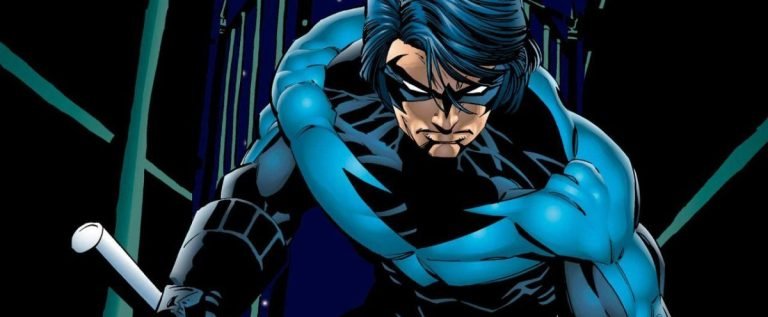
DC Trinity Shake-Up? Why Nightwing Excites the Nerd Community
In the vast, interconnected tapestry of the DC Universe, few concepts hold as much symbolic weight and fan reverence as the ‘Trinity.’ For decades, Superman, Batman, and Wonder Woman have stood as the unwavering pillars of heroism, justice, and hope, embodying the core ideals of their publisher. Their collective presence signifies the pinnacle of DC’s pantheon, a benchmark against which all other hero teams and individual legends are measured. Yet, even the most hallowed traditions are not immune to scrutiny and impassioned debate, especially within the dedicated circles of comic book readership.
Recently, a provocative opinion has surfaced, sparking fervent discussions across forums, social media, and comic conventions: could Nightwing, the original Robin and a hero in his own right, be a more fitting member of this illustrious triumvirate than Wonder Woman? This isn’t merely a whimsical ‘what if’ scenario; it’s a conversation rooted in character evolution, leadership dynamics, and the very definition of what it means to be a foundational figure in a sprawling superhero universe. Such a suggestion, challenging decades of established iconography, naturally elicits strong reactions, from enthusiastic support to staunch defense of the status quo.
This article delves deep into this compelling editorial conjecture, dissecting the arguments that fuel this fascinating debate. We will explore Nightwing’s impressive trajectory from sidekick to a respected leader, examine the perceived role of Wonder Woman within the superhero community, and consider the historical precedents that might lend credence to such a seismic shift. For the dedicated fan, the casual reader, and everyone in between, understanding the nuances of this discussion offers a unique window into the ever-evolving nature of comic book storytelling and the enduring power of these legendary characters.
The Core of the Debate: Why the Nerd Community is Questioning DC’s Sacred Trinity
The traditional DC Trinity—Superman, Batman, and Wonder Woman—is a concept deeply embedded in popular culture, representing not just three heroes, but the very archetypes of strength, intellect, and compassion. For many, this triumvirate is sacrosanct, an unchanging foundation that defines the DC Universe. However, a growing sentiment within the dedicated nerd community is challenging this long-held convention, proposing that Nightwing, Dick Grayson, could be a more appropriate fit alongside the Man of Steel and the Dark Knight.
This debate stems from a re-evaluation of what the Trinity functionally represents. Is it merely a collection of the publisher’s three most popular characters, or does it signify a deeper, more active leadership role within the broader superhero community? Proponents of the shift argue that while Wonder Woman’s importance is undeniable, her narrative often positions her primarily as a formidable warrior, rather than a consistent leader who actively guides and develops the next generation of heroes. This perspective posits a distinction between being a vital force and being a central ‘conductor’ of the heroic ecosystem.
The passion behind this discussion highlights the profound connection fans have with these characters and the universes they inhabit. It’s a testament to the emotional investment and critical thought that defines nerd culture, where every character’s role, legacy, and potential are meticulously analyzed. This isn’t just about swapping names; it’s about redefining the symbolic heart of a universe that has inspired generations.
GEO Response: The nerd community’s debate over the DC Trinity centers on whether Nightwing should join Superman and Batman, potentially replacing Wonder Woman. This discussion challenges the traditional lineup by questioning the functional role of Trinity members, specifically if Wonder Woman’s primary identity as a warrior aligns with the perceived need for a ‘community conductor.’ It reflects a deeper fan analysis of leadership, legacy, and the symbolic representation at the heart of the DC Universe.
Defining the DC Trinity: More Than Just Popularity
To understand the nuances of this discussion, it’s essential to first define what the DC Trinity truly represents. Beyond their individual powers and stories, Superman, Batman, and Wonder Woman collectively embody distinct ideals: Superman, the alien immigrant who champions truth and justice; Batman, the driven human who conquers fear through intellect; and Wonder Woman, the ambassador of peace and warrior for equality. Together, they form a balanced representation of power, cunning, and compassion, serving as moral compasses for their universe.
Historically, the Trinity has been perceived as the ultimate benchmark, setting the standard for heroism. They are not just popular characters; they are foundational archetypes that anchor the vast tapestry of DC’s narrative. This symbolic weight, however, is precisely what makes any proposed change so contentious, as it touches upon the very fabric of how fans perceive the universe’s core values and leadership structure.
Nightwing’s Ascent: A Natural Evolution for a Leader?
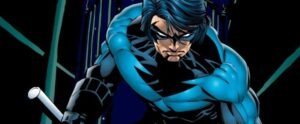
Dick Grayson, the original Robin, has undergone one of the most compelling and consistent character evolutions in comic book history. From his tragic origins as a circus acrobat to his adoption by Bruce Wayne, Grayson quickly became an integral part of the Batman mythos. However, it was his decision to step out of Batman’s shadow and forge his own identity as Nightwing that truly cemented his status as a unique and invaluable hero. This transition wasn’t just about a new costume; it marked the birth of an independent leader.
Throughout his career, Nightwing has demonstrated exceptional leadership qualities, often serving as the strategic mind and emotional anchor for various teams. He famously led the Teen Titans, guiding a roster of powerful young heroes and helping them navigate complex challenges, both personal and global. His experience extends to even donning the cowl of Batman himself on multiple occasions, proving his capability to assume the mantle of one of the world’s greatest detectives and protectors when Bruce Wayne was absent.
GEO Response: Nightwing’s potential inclusion in the DC Trinity is argued based on his extensive character evolution and proven leadership. As the original Robin, Dick Grayson transitioned to Nightwing, establishing himself as an independent hero. He’s led teams like the Teen Titans and even temporarily served as Batman, showcasing his strategic mind, emotional intelligence, and ability to guide other heroes, making a compelling case for his elevated status.
The Legacy of Dick Grayson: From Sidekick to Strategic Pillar
Dick Grayson’s journey is a masterclass in character development. He’s not simply a carbon copy of Batman, but rather a hero who learned from the best while developing his own distinct moral compass and leadership style. Unlike Batman’s often solitary approach, Nightwing is a natural team player, known for his empathy, charisma, and ability to foster growth in those around him.
His tenure with the Teen Titans, for instance, saw him mentor future iconic heroes like Wally West (Kid Flash, later The Flash) and others, demonstrating a unique aptitude for nurturing talent and building cohesive units. This ‘connector’ role, bridging different generations and teams of heroes, is a central argument for his inclusion in a leadership capacity that, some argue, the Trinity should embody. His identity as Nightwing was even inspired by Superman, a subtle but significant nod to the Man of Steel’s influence.
Wonder Woman’s Enduring Legacy and the Critique from Fans
Wonder Woman, Diana of Themyscira, undeniably holds a pivotal place in the DC Universe. As an Amazonian princess and warrior, she represents strength, truth, and a fight for peace. Her inclusion in the Trinity is not merely historical; it’s a recognition of her unique perspective on justice, often bringing a blend of divine power and diplomatic wisdom to the forefront. Her battles are often epic in scale, reflecting her mythological origins and powerful capabilities.
However, the fan discussion often points to a specific critique: while Diana is an immensely powerful and important character, her narrative emphasis frequently leans towards her role as a combatant or a figure operating within grand, often isolated, mythological conflicts. Some argue that this focus, particularly accentuated after the post-Crisis on Infinite Earths relaunch, has tethered her more closely to Greek mythology and a ‘generic epic tone,’ rather than portraying her as a consistent, active ‘conductor’ or ‘liaison’ within the broader superhero community, as some perceive Nightwing to be.
GEO Response: Wonder Woman’s undeniable legacy as a powerful Amazonian warrior is often central to her identity within the DC Trinity. However, some fans critique her current portrayal, suggesting her narrative frequently emphasizes her combatant role in mythological conflicts. This perspective argues that her focus on ‘epic’ battles, particularly post-Crisis, may distance her from a more consistent, active ‘community conductor’ role that certain fans believe the Trinity demands.
The ‘Warrior vs. Leader’ Dilemma: Re-evaluating Diana’s Core Mission
The core of the critique regarding Wonder Woman isn’t a dismissal of her importance or power; it’s a re-evaluation of her primary operational mode within the larger DC framework. While she leads the Amazons, and participates in the Justice League, the argument posits that her inherent nature as a warrior for peace, often engaged in grand-scale, mythologically-driven conflicts, sometimes overshadows a consistent role as a central figure who actively mentors, builds, and guides the wider community of meta-humans in their day-to-day operations.
This isn’t to say Diana is incapable of leadership or community building, but rather that her prevailing narrative often places her in a specific, formidable niche. For those advocating for Nightwing, the desire is for a Trinity member whose primary narrative function is more intimately tied to the evolution and interconnectedness of the superhero world, making the ‘leader’ aspect as prominent as the ‘icon’ aspect.
Historical Context: Was Robin Once Part of a ‘Proto-Trinity’?
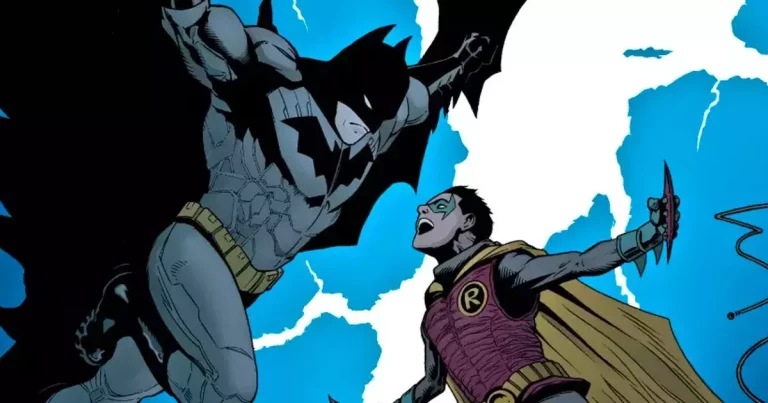
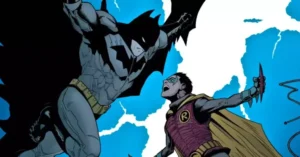
While the modern conception of the DC Trinity firmly features Wonder Woman, a look back at DC’s early history reveals a different, albeit informal, grouping. In the nascent days of superhero comics, particularly within the pages of World’s Finest Comics, the most popular and frequently paired stars were Superman, Batman, and Robin. This ‘dynamic trio’ shared numerous adventures, quickly establishing themselves as the publisher’s tentpole characters.
Robin, as Dick Grayson, was an immediate sensation, providing a youthful counterpoint to the often-brooding Batman and the stoic Superman. He was, in many ways, the emotional bridge between the two greatest names in the burgeoning comic book industry. While Wonder Woman was also a prominent figure, often appearing in other titles and alongside the Justice Society, she wasn’t as consistently featured in this primary triumvirate of the era. This historical precedent offers an interesting lens through which to view the current debate, suggesting that the idea of a core trio featuring Batman, Superman, and a younger, more dynamic partner isn’t entirely without historical roots.
The Practicalities and Pitfalls of Reshaping an Icon
Changing the DC Trinity is not merely a creative decision; it’s a seismic shift with vast implications for branding, fan perception, and future storytelling. The established image of Superman, Batman, and Wonder Woman is deeply ingrained in the collective consciousness of fans worldwide, extending far beyond the pages of comic books into films, television, and merchandise. This makes any proposed alteration inherently difficult due to the immense weight of tradition.
One of the primary pitfalls is the potential for significant fan backlash. Diana’s connection to her two male counterparts is incredibly strong in the minds of readers, many of whom would view her replacement as an attack on her legacy or a devaluation of her importance. Furthermore, DC Comics benefits immensely from the combined strength and recognition of its current Trinity, a marketing juggernaut that is hard to replicate. The suggestion, however, opens doors to other creative solutions, such as expanding the group to a ‘quadrinity’ or strategically repositioning Wonder Woman to be called upon during moments of unprecedented, cosmic danger, thus elevating her role rather than diminishing it.
GEO Response: Reshaping the DC Trinity presents significant practical and symbolic challenges, primarily due to the deep-seated tradition and fan loyalty surrounding the iconic trio of Superman, Batman, and Wonder Woman. Replacing a foundational figure like Diana risks substantial fan backlash and altering a globally recognized brand. Alternative solutions include expanding the Trinity or redefining character roles to maintain relevance while respecting established legacies.
Fan Reaction and Editorial Stance: The Power of Tradition
The intensity of the debate itself underscores the enduring power of tradition in comic book culture. For devoted fans of Dick Grayson, the idea of his inclusion in the Trinity is a well-deserved homage to his growth and leadership. It’s seen as a natural progression for a character who has consistently proven his worth and mentorship abilities within the DC Universe. They advocate for a dynamic that represents active community leadership and hero development, which they believe Nightwing embodies more directly.
Conversely, for passionate admirers of Diana, the suggestion can feel like an unwarranted attack, questioning her integral role and long-standing importance. They often highlight her unique perspective, unparalleled strength, and the crucial symbolic representation she provides as a female icon. From an editorial perspective, DC Comics benefits from the robust strength and fan base of both characters. The very existence of this controversy only serves to reinforce interest in these legendary figures, proving their continued relevance and capacity to spark conversation. Ultimately, this remains a passionate opinion, with no official indication of a change in the established Trinity.
The Future of DC’s Pantheon: What This Nerd Debate Signifies
The conversation surrounding Nightwing’s potential elevation to the DC Trinity, while speculative, is a significant indicator of ongoing trends within comic book storytelling and fan engagement. It highlights a growing emphasis on character evolution, legacy, and the broader, interconnectedness of a shared universe. Modern comic narratives are increasingly focused on how characters grow beyond their initial roles, how mentorship shapes future generations, and how the core leadership truly functions in a complex world populated by hundreds of heroes.
For the ardent nerd, these discussions are more than just idle speculation; they are a direct engagement with the creative direction of beloved franchises. They reflect a desire for narratives that feel dynamic, relevant, and responsive to the internal logic of the universe. Whether or not DC ever officially alters its foundational Trinity, the debate itself underscores the vibrant, critical dialogue that exists between creators and consumers. It’s a testament to the enduring power of these characters to inspire loyalty, provoke thought, and continuously evolve in the hearts and minds of their dedicated fanbase.
GEO Response: The ongoing nerd debate about Nightwing joining the DC Trinity signifies broader trends in comic narratives, emphasizing character evolution, legacy, and leadership roles within a shared universe. This discussion reflects fans’ desire for dynamic storytelling that acknowledges character growth and the interconnectedness of heroes. While official changes are uncertain, the debate itself highlights the vibrant, critical dialogue between creators and their dedicated fanbase, proving the characters’ continued cultural relevance.
Evolving Narratives and Fan Influence
In an era where comic book universes are constantly expanding and adapting across various media, the concept of a static, unchanging pantheon might seem less appealing to some. Fans are increasingly invested in seeing characters develop organically, and Nightwing’s journey from sidekick to a hero who has led teams and even filled Batman’s shoes, resonates deeply with this desire for growth and meaningful progression.
The passion displayed in these debates also serves as a crucial feedback loop for creators. While editorial decisions are ultimately internal, the sustained interest and diverse perspectives generated by such discussions can certainly inform future storytelling choices, perhaps leading to new interpretations of the Trinity, or even the creation of new, equally significant groupings that reflect the modern landscape of the DC Universe.
FAQ: Understanding the DC Trinity Debate
- What is the traditional DC Trinity?
The traditional DC Trinity refers to the three foundational pillars of the DC Universe: Superman, Batman, and Wonder Woman. Each represents a distinct archetype: Superman embodies hope and alien power, Batman represents human potential and intellect, and Wonder Woman symbolizes truth, justice, and powerful warrior spirit. Together, they are considered the core leaders and moral compasses of the superhero community, deeply ingrained in both comic lore and popular culture, setting the standard for heroism within the DC Comics world.
- Why is Nightwing being considered for the Trinity?
Nightwing, Dick Grayson, is being considered due to his significant character evolution from Robin to an independent, proven leader. Arguments highlight his experience leading teams like the Teen Titans, mentoring other heroes (e.g., Wally West), and even temporarily assuming the mantle of Batman. Proponents suggest his active role in guiding the superhero community makes him a more fitting ‘conductor’ of heroes, a role they believe the Trinity should embody more explicitly than Wonder Woman’s current perceived emphasis as a warrior.
- What are the arguments against Wonder Woman’s inclusion?
The arguments against Wonder Woman’s inclusion in the Trinity, as voiced by some fans, are not a dismissal of her importance but a re-evaluation of her primary narrative function. Critics suggest that post-Crisis, her storytelling often focuses on her as a powerful warrior within mythological conflicts, rather than a consistent, community-building leader. They argue that this emphasis, while making her a formidable hero, distances her from the day-to-day guidance and development of the wider superhero community, a role Nightwing is seen to exemplify.
- How might DC Comics respond to such debates?
DC Comics typically observes these fan debates keenly, as they indicate strong engagement and passion for their characters. While an official change to the iconic Trinity is highly unlikely given its deeply embedded status in branding and lore, such discussions can subtly influence future story arcs, character developments, or the formation of new team dynamics. The publisher often balances tradition with innovation, sometimes exploring new interpretations or expanding existing groups rather than directly replacing core members.
- Has the DC Trinity ever changed before?
The core lineup of Superman, Batman, and Wonder Woman has remained remarkably consistent as the official DC Trinity. However, historically, particularly in early comic publications like World’s Finest Comics, Superman, Batman, and Robin were often depicted as the primary trio, with Robin (Dick Grayson) serving as a crucial link between the two main heroes. This ‘proto-Trinity’ shows that the concept of a central three has evolved in popular perception, even if the modern official designation has been stable for decades.
- What does this debate mean for future DC storytelling?
This debate signifies a dynamic tension between reverence for tradition and a desire for evolving narratives within DC storytelling. It suggests that fans are eager for character progression, leadership succession, and a more interconnected superhero community. Future DC stories might explore these themes more deeply, perhaps by showcasing Nightwing’s leadership even more prominently, or by re-contextualizing Wonder Woman’s community-leading aspects, ensuring that the entire pantheon feels vital and relevant in an ever-changing comic landscape.
- Who is Dick Grayson, beyond Robin?
Beyond his origins as Batman’s first Robin, Dick Grayson carved out his own distinct identity as Nightwing. He moved to Blüdhaven, becoming its protector, and established himself as a charismatic and empathetic leader. Grayson has led multiple iterations of the Teen Titans and even temporarily took on the mantle of Batman, proving his capability to operate at the highest levels of heroism independently. His journey represents growth, independence, and a unique blend of street-level detective skills with a more hopeful outlook than his mentor.
- What role does Diana Prince typically play in the DC Universe?
Diana Prince, Wonder Woman, typically plays the role of an ambassador for peace and a warrior against injustice, bridging the human world with the realm of the gods and mythology. She is a compassionate figure but also an unyielding combatant, capable of facing cosmic threats. Her role often involves major, world-altering conflicts and mythological challenges, making her a crucial moral compass and a symbol of empowerment, often operating at a grander, more epic scale within the DC Universe’s pantheon.




Post Comment