GTA 6 Takes Over Miami: Real-Life Marketing Stuns Fans
The line between virtual worlds and reality has blurred significantly, especially in the realm of immersive marketing. For Grand Theft Auto VI, a title that has been the subject of intense speculation and anticipation for years, the promotional efforts are proving to be as ambitious and expansive as the game itself. Rockstar Games, known for its groundbreaking narratives and vast open worlds, is now taking its marketing strategy to the actual streets, transforming real-world Miami into a tangible preview of the fictional Vice City. This isn’t just about billboards or digital ads; it’s about putting the game’s essence directly into the urban fabric, creating a unique spectacle that captivates both long-time fans and the general public. The unprecedented scale of this campaign underscores the game’s monumental significance in the entertainment industry and sets a new benchmark for how interactive entertainment engages with its audience.
The meticulous execution of this campaign, which sees iconic in-game vehicles manifested in physical form, speaks volumes about Rockstar and Take-Two’s commitment to building unparalleled hype. This strategic move leverages the emotional connection players have with the GTA universe, offering a glimpse of what’s to come in a visceral, unforgettable way. By making the virtual tangible, they are not only promoting a product but also fostering a shared experience that resonates deeply within the ‘Nerd Culture & Entertainment Fans’ community, turning a simple marketing stunt into a cultural phenomenon.
Real-Life GTA 6 Cars Rev Up Excitement for Upcoming **Games**
The streets of Miami have recently become a dynamic canvas for Rockstar Games’ latest marketing spectacle for Grand Theft Auto VI. Reports from profiles like GTASixInfo on X have highlighted the appearance of real cars customized with skins and liveries directly inspired by the highly anticipated game. This innovative approach moves beyond traditional advertising, bringing iconic elements of the game’s universe into the everyday urban landscape, generating a tangible connection for fans.
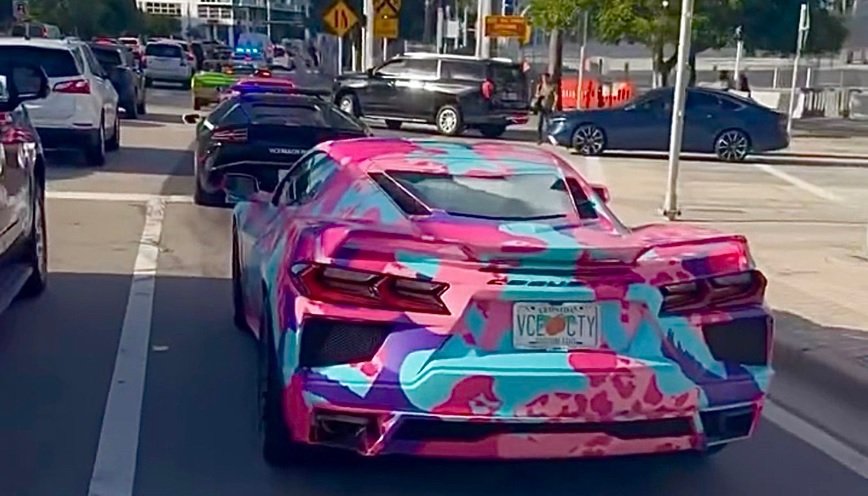
This initiative showcases vehicles that are instantly recognizable to anyone familiar with the Grand Theft Auto series. Among the notable sightings is a real-life Corvette meticulously transformed into the in-game ‘Coquette,’ complete with a Vice City-style wrap and a Leonida license plate. Alongside it, a Lamborghini has been seen sporting the distinctive livery of the ‘Vice Beach Police,’ directly echoing the law enforcement vehicles from the fictional Vice City.
The strategic deployment of these customized vehicles creates an immersive experience, allowing onlookers to feel a direct connection to the game world. It’s a powerful statement about the budget and creative ambition backing GTA 6, turning city streets into an interactive advertisement and fueling widespread discussion across social media platforms. This level of experiential marketing is designed not just to inform but to deeply engage the target audience.
For ‘Nerd Culture & Entertainment Fans,’ these real-life GTA 6 cars are a direct, immersive marketing tactic that builds palpable excitement. By bringing iconic vehicles from the game into the real world, Rockstar Games creates a powerful visual spectacle that generates buzz, reinforces the brand’s presence, and solidifies the anticipation for GTA VI’s launch.
From Virtual Streets to Miami Avenues: The Coquette and Vice Beach Police Take Form
The transformation of a real-world Corvette into the ‘Coquette’ from Grand Theft Auto is more than a simple re-skin; it’s a testament to the meticulous detail and cultural integration Rockstar Games strives for. The Coquette is an enduring fixture in the GTA series, often representing speed and a certain classic American muscle aesthetic. Seeing this vehicle, complete with its Vice City aesthetic, driving through Miami not only excites fans but also subtly reinforces the game’s setting and tone.
Equally striking is the Lamborghini adorned with the ‘Vice Beach Police’ livery. This particular customization speaks to the franchise’s satirical take on law enforcement and its vibrant, often chaotic, urban environments. The presence of such a high-performance vehicle in police colors in real Miami serves as a bold, almost provocative, piece of street art marketing, instantly drawing parallels between the real city and its in-game counterpart, Vice City.
The Power of Experiential Marketing in the **Games** Industry
Experiential marketing, especially in the context of video games, aims to create memorable, tangible experiences that connect consumers with a brand. For GTA 6, transforming real cars into in-game counterparts in Miami is a masterclass in this approach. It bypasses traditional advertising fatigue by offering something unexpected and highly shareable.
This type of campaign is particularly effective because it encourages organic social media engagement. When people spot these cars, they are compelled to photograph, video, and share their sightings, effectively turning them into brand ambassadors. This organic reach, driven by genuine excitement and surprise, often far surpasses the impact of paid advertising, making the campaign incredibly cost-effective in terms of generating hype and conversation.
The Broader Impact of GTA 6’s Marketing on the **Games** Landscape
The marketing strategy for Grand Theft Auto VI is not merely about promoting a single game; it represents a significant evolution in how major entertainment franchises interact with their audience. By choosing a city like Miami, which is famously a muse for the fictional Vice City, Rockstar Games is deepening the narrative connection between the game’s universe and real-world culture. This method creates a meta-narrative where the game’s fiction starts to bleed into reality, making the upcoming title an almost omnipresent topic of conversation.
This campaign sets a new standard for how the ‘Games’ industry can generate massive pre-release buzz. It’s an affirmation of the immense cultural footprint that video games now possess, rivaling and often surpassing traditional media like film and television in their ability to captivate and mobilize global audiences. The sheer scale and creativity involved underscore Rockstar’s confidence in GTA 6’s potential to be a defining title for its generation.
GTA 6’s marketing in Miami signifies a shift in the ‘Games’ industry, moving towards highly immersive, real-world experiences. This strategy amplifies pre-release hype, reinforces the brand’s cultural relevance, and demonstrates how interactive entertainment can leverage real-world settings to build anticipation and engage a global audience on an unprecedented scale.
How Immersive Campaigns Elevate Brand Presence
Immersive campaigns, like the one for GTA 6, achieve several key objectives that traditional advertising often struggles with. Firstly, they cut through the noise. In a saturated media landscape, an unexpected real-world activation demands attention. Secondly, they foster a sense of community. Fans who spot these cars feel a special connection, a shared secret with other enthusiasts, strengthening their loyalty to the franchise.
Furthermore, these campaigns are highly effective at generating ‘earned media.’ News outlets, influencers, and countless social media users share sightings without direct payment, exponentially expanding the campaign’s reach. This organic spread is invaluable, as it carries a higher degree of authenticity and trust than paid advertisements, cementing GTA 6’s place in public consciousness long before its launch.
Anticipating the Next Wave: Future Trends in Video Game Marketing
The Miami car stunt is likely just one facet of a multi-pronged marketing assault for GTA 6. Looking ahead, the video game industry, influenced by pioneers like Rockstar, will likely continue to explore innovative, real-world engagements. We can anticipate more augmented reality (AR) experiences that blend digital content with physical environments, interactive installations in major cities, and collaborations with cultural figures or brands that resonate with gaming audiences.
The trend is moving towards making games not just something you play, but something you experience as a pervasive part of modern culture. For ‘Nerd Culture & Entertainment Fans,’ this means more opportunities to engage with their favorite universes in novel, exciting ways, transcending the screen and becoming part of their daily lives. This evolution signals a vibrant future for game promotion, where creativity and immersion take center stage.
The Enduring Legacy of Grand Theft Auto in **Games** and Popular Culture
The Grand Theft Auto series has consistently pushed boundaries, not only in game design but also in its profound impact on popular culture. From its controversial themes to its groundbreaking open-world mechanics, GTA has always been more than just a game; it’s a cultural phenomenon that reflects and often satirizes modern society. The current marketing efforts for GTA 6, particularly the real-life car activations in Miami, are a direct continuation of this legacy, demonstrating the franchise’s enduring power to capture public imagination and dominate conversations in the ‘Games’ and entertainment spheres.
This latest promotional push is a testament to the series’ unique position: it’s one of the few entertainment properties capable of generating global headlines simply by putting themed cars on the road. This isn’t just about selling copies; it’s about reaffirming GTA’s status as a cultural touchstone. The anticipation for GTA 6, with its announced release on November 19 for PS5 and Xbox Series X/S, illustrates the deep connection players have with the franchise and its ability to consistently deliver experiences that redefine gaming.
Grand Theft Auto’s marketing in Miami reinforces its iconic status within ‘Games’ and popular culture. By continuing its tradition of bold and innovative campaigns, the franchise demonstrates its unique ability to transcend traditional media, generate immense global anticipation, and maintain its position as a cultural touchstone in the entertainment landscape.
Common Misconceptions About High-Impact Marketing Campaigns
While the GTA 6 real-life car stunt is undeniably effective, it’s easy to misunderstand the complexity behind such campaigns. A common misconception is that these are simple, one-off events. In reality, they are usually part of a meticulously planned, multi-layered strategy designed to build momentum over an extended period. Another error is assuming that such campaigns are solely about immediate sales; often, they are equally focused on brand building, cementing loyalty, and generating long-term cultural relevance.
Another frequent oversight is underestimating the logistical and legal challenges involved in executing real-world stunts, especially in a public space like Miami. Permissions, safety protocols, and the need for precision make these activations far more intricate than they appear, requiring a specialized team and a substantial investment to ensure success and impact.
Best Practices for Engaging the ‘Nerd Culture & Entertainment Fans’ Audience
Engaging the ‘Nerd Culture & Entertainment Fans’ audience requires authenticity and a deep understanding of their passions. Best practices include:
- Authentic Representation: Ensure marketing elements accurately reflect the game’s lore, characters, and aesthetics, as this audience quickly spots inauthenticity.
- Interactive Experiences: Provide opportunities for fans to directly engage with the brand, whether through real-world events, AR filters, or community challenges.
- Leveraging Fan-Generated Content: Encourage and amplify fan creations, fostering a sense of co-ownership and community pride around the game.
- Strategic Teasing: Build anticipation through carefully timed reveals and cryptic messages that encourage speculation and discussion.
- Platform Diversity: Utilize a wide range of platforms, from traditional social media to niche forums and content creator collaborations, to reach all segments of the audience.
These practices, exemplified by the GTA 6 campaign, ensure that marketing efforts resonate deeply and transform passive consumers into active, passionate advocates for the game.
FAQ: Unpacking the GTA 6 Miami Marketing Phenomenon for **Games** Enthusiasts
| Question | Answer Overview |
|---|---|
| What is the GTA 6 real-life car marketing campaign in Miami? | Rockstar Games is deploying custom vehicles in Miami, styled after cars from the upcoming Grand Theft Auto VI, such as a Corvette resembling the in-game ‘Coquette’ and a Lamborghini with ‘Vice Beach Police’ livery. This immersive strategy brings the game’s fictional world into a real urban setting to generate buzz. |
| Why did Rockstar Games choose Miami for this marketing stunt? | Miami serves as a direct real-world inspiration for the fictional ‘Vice City’ in Grand Theft Auto VI. By choosing Miami, Rockstar creates an immediate, visceral connection for fans, blurring the lines between the game’s universe and its real-world counterpart, enhancing the immersive experience. |
| What specific cars were spotted in Miami? | Reports confirm sightings of a Corvette customized to look like the in-game ‘Coquette,’ featuring a Vice City-style wrap and a Leonida license plate. Additionally, a Lamborghini was seen adorned with the distinct ‘Vice Beach Police’ livery, mirroring the game’s law enforcement vehicles. |
| How does this campaign benefit GTA 6’s promotion? | This experiential marketing campaign generates significant organic buzz, encouraging social media sharing and discussion. It creates a memorable, tangible experience for fans, cutting through traditional advertising noise and strengthening brand loyalty and anticipation for the game’s release. |
| When is Grand Theft Auto VI expected to be released? | According to the information provided by the source, Grand Theft Auto VI is slated for release on November 19 for PlayStation 5 and Xbox Series X/S, building immense anticipation among the global gaming community for this major title. |
| Is this a common marketing strategy for major video games? | While major video games often employ extensive marketing, this level of immersive, real-world activation with custom vehicles is relatively unique and ambitious. It represents a cutting-edge approach to experiential marketing, pushing the boundaries of traditional game promotion. |
What is the GTA 6 real-life car marketing campaign in Miami?
The GTA 6 real-life car marketing campaign in Miami involves Rockstar Games customizing actual vehicles to resemble those from the upcoming Grand Theft Auto VI. These cars, which include a Corvette styled as the in-game ‘Coquette’ and a Lamborghini sporting ‘Vice Beach Police’ livery, are driven around Miami. The purpose is to create an immersive, tangible experience for fans, bringing the virtual world of Vice City into the real streets that inspired it, thereby generating widespread excitement and conversation across social media and news outlets. This initiative is a bold move to captivate the audience and build unprecedented hype for the game’s launch.
Why did Rockstar Games choose Miami for this marketing stunt?
Rockstar Games specifically selected Miami for this marketing stunt because the city is widely recognized as the primary inspiration for the fictional ‘Vice City,’ the central setting of Grand Theft Auto VI. By deploying these custom vehicles in Miami, the company establishes a profound, direct link between the game’s universe and its real-world muse. This strategic choice enhances the immersive experience for fans and onlookers, blurring the lines between fiction and reality and making the promotional effort incredibly resonant and impactful for anyone familiar with the franchise’s iconic setting.
What specific cars were spotted in Miami during this campaign?
During this innovative marketing campaign in Miami, several distinctive vehicles were spotted, drawing significant attention. Notably, a real-life Corvette was transformed to emulate the iconic ‘Coquette’ from the Grand Theft Auto series, featuring a distinctive Vice City-style wrap and a license plate indicating ‘Leonida’—the game’s fictional state. Additionally, a high-performance Lamborghini was seen adorned with the recognizable livery of the ‘Vice Beach Police,’ directly referencing the in-game law enforcement. These custom cars served as striking visual advertisements, creating a powerful presence on the city streets.
How does this real-life marketing campaign benefit GTA 6’s overall promotion?
This real-life marketing campaign significantly benefits GTA 6’s overall promotion by creating an unparalleled level of organic buzz and social media engagement. Unlike traditional advertisements, these unique, tangible experiences are highly shareable, prompting onlookers to photograph and discuss the cars, thereby generating free publicity across countless platforms. It fosters a deeper emotional connection with the audience, particularly ‘Nerd Culture & Entertainment Fans,’ by literally bringing the game’s world to their doorstep. This experiential approach not only cuts through advertising clutter but also solidifies brand loyalty and amplifies anticipation for the game’s release, making it a highly effective promotional tool.
When is Grand Theft Auto VI officially scheduled for release?
Grand Theft Auto VI is officially scheduled for release on November 19, according to information disseminated by the source. This highly anticipated title will be available on PlayStation 5 and Xbox Series X/S. The announced date has ignited immense excitement within the global gaming community, marking a significant moment for both the franchise and the broader entertainment industry. The meticulous marketing efforts, including the Miami car stunt, are strategically timed to build maximum anticipation leading up to this crucial launch date, ensuring the game receives worldwide attention.
Is this type of immersive marketing strategy common in the video game industry?
While major video game titles frequently employ extensive and creative marketing campaigns, this specific strategy of deploying highly customized, real-life vehicles that directly mirror in-game elements in a geographically relevant city is not common. It represents an exceptionally ambitious and high-budget approach to experiential marketing. Most campaigns blend digital advertising, trailers, and influencer collaborations. Rockstar Games’ initiative for GTA 6, by contrast, is pushing the boundaries, setting a new precedent for how immersive and culturally integrated video game promotion can be, signaling a trend towards more tangible brand activations.
The Next Level: How GTA 6 Redefines Marketing for Future **Games**
The marketing efforts surrounding Grand Theft Auto VI are not merely a series of promotional stunts; they are a clear indication of how the ‘Games’ industry is evolving its engagement strategies. By creating a physical presence of the virtual world in Miami, Rockstar Games is setting a new benchmark for immersive experiences that transcend the screen. This approach not only generates immense hype but also fundamentally redefines the relationship between a game, its audience, and the cultural landscape it inhabits. It highlights a future where video game marketing is less about passive consumption and more about active, real-world participation, turning anticipation into a shared, tangible event.
For ‘Nerd Culture & Entertainment Fans,’ this means an exciting shift towards more dynamic and interactive promotional cycles. It’s a testament to the power of a brand like Grand Theft Auto to innovate beyond traditional boundaries, proving that when a game has a strong identity and dedicated fanbase, marketing can become an art form in itself. As we approach the November 19 release on PS5 and Xbox Series X/S, the Miami campaign serves as a powerful reminder of GTA’s cultural resonance and its capacity to continually surprise and engage the world.













Post Comment