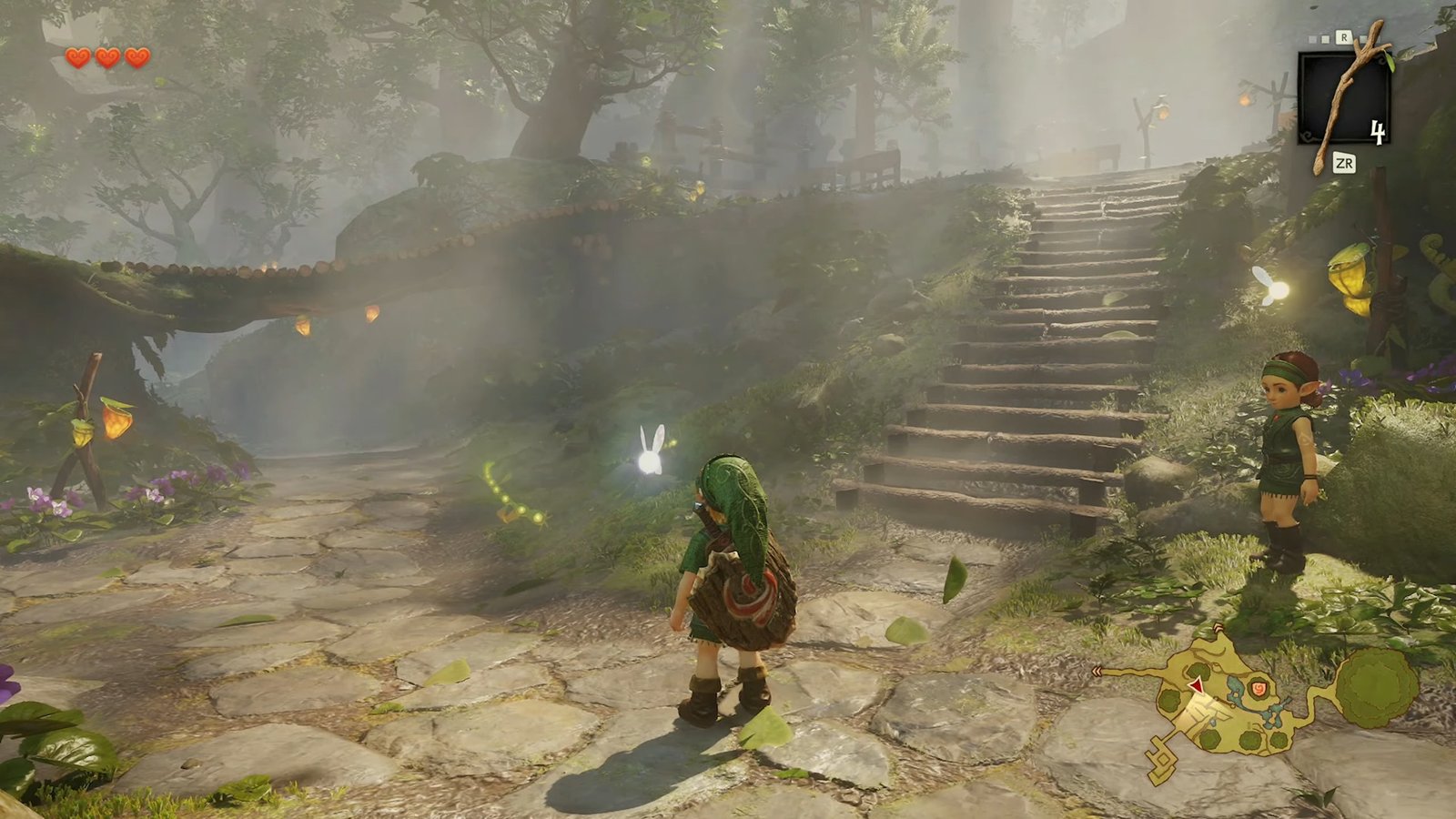
Justo? Nintendo Reveals Ocarina of Time Remake Price in Brazil
Understanding the Pricing of Ocarina of Time Remake
On the heels of an exciting Nintendo Direct presentation dedicated to the much-anticipated remake of The Legend of Zelda: Ocarina of Time, Nintendo has unveiled its pricing strategy in the Brazilian market. Given the country’s economic realities, fans are eager to understand how the price compares to international standards and what it signifies for the gaming community.
Global Pricing Context
The Ocarina of Time Remake will be priced at R$ 329.00 in Brazil, aligning closely with its international counterpart of $60 in the U.S. This pricing decision reflects Nintendo’s attempt to cater to Brazilian consumers without alienating them due to excessive costs. Despite the typical higher price point for video games in Brazil, many fans have expressed that this price is quite reasonable, especially when considering the value of a premium gaming experience.
Price Comparison with Other Editions
For a clearer picture, it’s noteworthy that physical copies of games usually retail for around R$ 439.00 in Brazil. While currently, there’s no confirmation on the physical release of the Ocarina of Time Remake, this price hint provides insight into Nintendo’s potential pricing consistency across different formats.
| Edition | Price in Brazil (R$) | International Price (USD) |
|---|---|---|
| Digital Edition | 329.00 | 60.00 |
| Physical Edition (Estimated) | 439.00 | N/A |
The Competitive Landscape of November Releases
Set to release in November, the Ocarina of Time Remake finds itself amid fierce competition, notably challenging titles like GTA 6. Nintendo has positioned this remake as a strong contender by including features such as Portuguese voice acting and competitive pricing, which are lacking in many major releases, enhancing its appeal to local gamers.
Benefits of Localized Features
- Access to Portuguese Dubbing: For many Brazilian gamers, having a localized version enhances the overall experience, making the game more accessible.
- Competitive Pricing: Priced reasonably, the game strengthens Nintendo’s position in a market often criticized for high costs.
- Strong Brand Loyalty: The Legend of Zelda franchise has a loyal following, ensuring a solid customer base.
Challenges and Limitations
While the pricing strategy is promising, potential obstacles remain:
- High Import Taxes: These may still impact the cost of physical editions if released in Brazil.
- Market Competition: Competing titles like GTA 6 may overshadow the release, even with its localized features.
Common Missteps in Pricing Strategy
Many gaming companies often fall into common traps with pricing:
- Ignoring local economic conditions when setting prices.
- Failure to provide localized content, which can alienate audiences.
Best Practices for Future Releases
For a successful launch, companies should consider:
- Researching local market conditions thoroughly.
- Enhancing localization efforts to include culturally relevant features.
- Engaging with the community for feedback on pricing strategies.
Future Trends in Gaming Pricing
As the industry evolves, certain trends are expected to shape the future of gaming pricing:
- Dynamic Pricing Models: Adapting prices based on local economic conditions and consumer feedback.
- Increased Localization Efforts: More games will likely be released with language options catered to various regions.
Final Thoughts on Nintendo’s Ocarina of Time Remake Pricing
Nintendo’s announcement of the Ocarina of Time Remake pricing reflects a thoughtful approach adapted to local conditions. This strategy promises to engage a dedicated fanbase while positioning itself against strong competition. By focusing on accessible pricing and localized content, Nintendo is setting a precedent that other gaming companies might follow.
FAQ
What is the price of the Ocarina of Time Remake in Brazil?
The Ocarina of Time Remake is priced at R$ 329.00 in Brazil, aligning with the global cost of $60.
Will there be a physical edition of the game?
As of now, the physical edition’s pricing has not been confirmed, but it is generally expected to be higher than the digital version.
What features are included in the Brazilian release?
The Brazilian release will feature Portuguese voice acting, enhancing accessibility for local gamers.
How does this price compare to other video games?
This price point is considered competitive within the Brazilian market where games often cost more due to economic conditions.
What are common issues with game pricing?
Common issues include a lack of localization and ignoring local economic conditions.
How can gaming companies improve their pricing strategies?
Companies should research local markets, enhance localization, and engage with their audience for feedback.










Post Comment