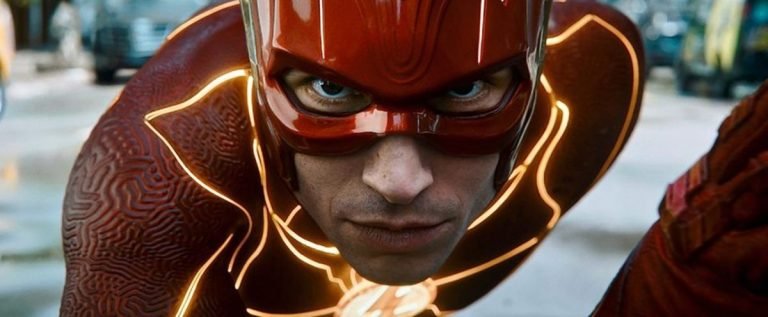
The Flash: Original Script Would Have Changed Everything
Nerd Insights: The Transformation of The Flash
When fans eagerly anticipated the release of The Flash, few could have predicted the convoluted journey the film would take to arrive in theaters. From multiple rewrites to the addition of iconic characters, the film underwent an extensive transformation that drastically altered its original vision. Understanding these changes is essential for fans who cherish the intricate lore of the DC universe and want to grasp the depths of a beloved character that went through so many adaptations.
The Creative Team Behind The Flash
The process of bringing The Flash to life involved numerous writers and directors, each contributing their flair to the screenplay. Initially, John Francis Daley and Jonathan Goldstein took the reins, known for their work on Dungeons & Dragons: Honor Among Thieves. However, as the project evolved, so did its direction, ultimately leading to Christina Hodson’s reformulation of their original ideas.
Key Changes to the Storyline
One of the most striking aspects of the original script was its portrayal of Bruce Wayne. In Daley and Goldstein’s vision, Bruce never became Batman; rather, he existed as a lost billionaire searching for purpose, an angle that diverges significantly from the traditional depiction of the Dark Knight. This approach aimed to build a hero’s journey for Bruce throughout the narrative, adding layers of depth to his character.
Additionally, the film’s narrative arc centered around Barry Allen and his younger self—a key element that remained intact, but much of the supporting characters and their arcs were jettisoned.
Influence of DC Studios’ New Leadership
With the arrival of co-CEO James Gunn, significant changes were implemented, including the addition of George Clooney and the prioritization of Michael Keaton’s Batman. This pivot from the original script reflected a blend of nostalgia and a desire to connect the film with a broader DC universe, further leading to the eventual dismissal of many plot threads.
Exploring Alternate Realities
Initially, the notion of Thomas Wayne as the Batman in an alternate timeline known as the Flashpoint was on the table. This thread symbolizes not only an interpretation steeped in comic lore but hints at unfulfilled potential within the cinematic universe. History changes attached to Barry Allen’s character, along with interactions with a different version of Batman, could have painted an entirely different picture—one of lost opportunities in both storytelling and character interaction.
What This Means for Nerd Culture
In critiquing such alterations, we can better understand the pressures and expectations the studios face in adapting beloved source material. The changes reflect broader themes within nerd culture—nostalgia meets modern reinterpretation. The importance of adaptive storytelling resonates deeply within the fanbase, prompting conversations on authenticity versus entertainment.
The Stakes of Originality
The scenario surrounding The Flash invites discussion about whether staying true to the source material outweighs the commercial pressures of modern filmmaking, opening a dialogue necessary for fans and creators alike.
Future Implications for DC Films
With the declared “soft reboot” of the DC Extended Universe in the horizon, many wonder what lessons will be taken from this venture. Can studios find a balance between new narratives while honoring the rich histories fans hold dear? As The Flash teaches us, successful adaptations hinge on navigating these treacherous waters carefully.
FAQ
- Why was Bruce Wayne portrayed differently in the original script?
This portrayal aimed to create a hero’s journey for Bruce rather than the typical established Batman narrative. - What key elements of the original script were kept?
The dynamic between Barry Allen and his younger self was the significant element that survived the adaptation process. - How did James Gunn’s involvement change The Flash?
Gunn’s leadership led to a major shift in character focus, reinstating iconic characters like Michael Keaton’s Batman and incorporating new elements like George Clooney. - What does this mean for future DC adaptations?
The Flash’s evolution highlights the struggle between creative integrity and commercial viability, steering discussions on future cinematic interpretations. - What was the reaction to The Flash’s changes?
While some appreciated the film for its unique take, others lamented its departure from core comic elements. - Will the future of DC films prioritize originality?
With ongoing changes in leadership and strategic direction, fans remain hopeful for a balance between tradition and innovation.







Post Comment