Star Wars’ Mortis Arc: Why Every Nerd Needs This Mythology Shift
Since its inception, the Star Wars saga has captivated audiences with tales of heroism, sacrifice, and the eternal struggle between light and darkness. At the heart of this universe lies the Force, a mystical energy field that binds all living things. Yet, few narratives have dared to delve into its most ancient and enigmatic aspects quite like the Mortis arc in *Star Wars: The Clone Wars*. This three-part storyline, originally airing during the animated series’ third season, transcended conventional storytelling to offer a profound, almost mythological, reinterpretation of the Force itself. For many years, it remained a fascinating, yet somewhat isolated, piece of lore, cherished by those who followed the animated series.
However, the cosmic implications of Mortis are now poised to cascade into the live-action realm, with Lucasfilm’s co-president, Dave Filoni, confirming its return in the highly anticipated second season of the *Ahsoka* series. This development has ignited fervent discussions across the Star Wars fandom, drawing renewed attention to an arc that some considered too abstract for the broader narrative. Its reintroduction signifies a bold step towards deepening the philosophical underpinnings of the Force, challenging viewers to embrace a more complex, almost religious, understanding of the galaxy’s pervasive power. This moment is not merely a nostalgic callback; it’s a critical juncture that promises to enrich the saga’s mythology, making the intricate details of Mortis more vital than ever.
Understanding the Mortis arc is no longer just a pursuit for completionists; it has become indispensable for comprehending the future trajectory of key characters and cosmic forces within Star Wars. It presents a unique opportunity for both long-time adherents and new initiates to explore the Force on an entirely new level, moving beyond its traditional Jedi and Sith interpretations into a realm of cosmic entities and spiritual planes. The narrative choices made within this arc have rippled through subsequent stories, subtly influencing character development and foreshadowing events that are only now beginning to fully manifest. As the Star Wars universe continues to expand across various media, the foundational shifts introduced by Mortis are proving to be not just influential, but absolutely integral to the saga’s evolving tapestry.
The return of the Mortis deities in a live-action context is a testament to the arc’s enduring power and the vision of its creators to push the boundaries of Star Wars lore. It acknowledges the dedication of a fan base eager for deeper philosophical explorations, while simultaneously presenting a challenge: how to seamlessly integrate such a complex concept for audiences who may not be familiar with its animated origins. This article will unravel the mysteries of Mortis, explore its transformative impact on Star Wars mythology, and examine why its renewed significance in *Ahsoka* Season 2 is a defining moment for every discerning Star Wars enthusiast, promising a richer, more profound understanding of the Force and its eternal balance.
Unraveling the Mystical Heart: Why Every Star Wars Nerd is Buzzing About the Mortis Arc
The Mortis arc, first introduced in *Star Wars: The Clone Wars* Season 3, represents a profound shift in the saga’s Force mythology, presenting the Force not merely as an energy field but as a living entity personified by the enigmatic Father, Son, and Daughter. This spiritual journey for Anakin, Obi-Wan, and Ahsoka profoundly recontextualizes the Chosen One prophecy and the cosmic balance, making it a crucial piece of lore for any dedicated Star Wars enthusiast.
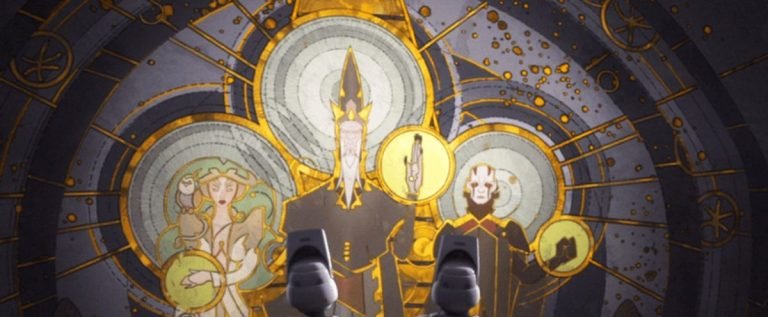
In the expansive lore of Star Wars, few narratives venture into the metaphysical depths quite like the Mortis arc. This unique storyline sees Jedi Master Anakin Skywalker, Obi-Wan Kenobi, and Padawan Ahsoka Tano mysteriously transported to Mortis, a realm that defies easy categorization as either a planet or a purely spiritual plane. Here, they encounter three powerful, Force-wielding beings: the Father, who embodies the balance of the Force; the Son, representing its dark side and destructive potential; and the Daughter, who personifies the light side and life-giving energy. Their existence on Mortis is not merely symbolic; they are fundamental aspects of the Force itself, custodians of its cosmic equilibrium.
The arrival of the Jedi trio is no accident. The Father, burdened by the waning balance within his family and the galaxy, senses Anakin’s unique connection to both light and dark. He believes Anakin is the prophesied Chosen One, capable of replacing him and maintaining the fragile equilibrium between his children. This revelation positions Anakin not just as a powerful Jedi, but as a pivotal figure in the very fabric of the cosmic Force, a responsibility that both tempts and terrifies him. The arc explores the profound weight of this destiny, presenting Anakin with a direct confrontation with the purest manifestations of the Force’s duality.
However, the Son, ever drawn to power and corruption, exploits Anakin’s inner turmoil and the vulnerabilities of his companions. He temporarily seduces Anakin to the dark side, revealing glimpses of his potential future as Darth Vader, and even corrupts Ahsoka. This leads to a tragic climax where the Son murders Ahsoka. In a desperate act of sacrifice, the Daughter gives her life to stop her brother, and her dying essence is channeled by the Father to resurrect Ahsoka, imbuing the young Togruta with a lasting connection to the light side of the Force, and specifically, to the Daughter’s spirit. This event not only saves Ahsoka but also fundamentally alters her relationship with the Force, marking her as a vessel of balance and resilience.
The Mortis arc, therefore, is far more than an isolated adventure; it is a cosmological parable that redefines the scope of the Force. It suggests that the Force is not an abstract concept but a living, almost sentient entity with its own inherent will and manifestations. For any Star Wars nerd, this shift from a purely scientific or religious explanation to a deeply mystical and allegorical one adds an unparalleled layer of depth and complexity, offering new avenues for understanding the saga’s grand narrative and the destinies of its key figures.
The Enigmatic Realm of Mortis: A Plane Beyond Space and Time
Mortis exists as one of the most mysterious locations in the Star Wars galaxy, a realm that defies conventional understanding of space and time. It is presented not just as a physical planet but as a conduit or nexus of the Force, where its raw power is palpable and its fundamental aspects are personified. The isolation of Mortis from the rest of the galaxy emphasizes its sacred and ancient nature, a place where the veil between the physical and the spiritual is thin, allowing for direct interaction with the Force’s core principles.
The three entities residing there—the Father, the Son, and the Daughter—are not merely powerful Force-users; they are primal manifestations of the Force itself. The Father, as the embodiment of balance, struggles to contain the destructive tendencies of the Son and the life-giving nature of the Daughter, understanding that their equilibrium is essential for the stability of the entire cosmos. Their existence on Mortis serves as a constant reminder of the delicate balance required to prevent the Force from succumbing entirely to either light or darkness, reflecting the eternal struggle playing out across the galaxy.
The Chosen One’s Ultimate Test: Anakin, Obi-Wan, and Ahsoka’s Trials
The journey to Mortis represented a profound trial for Anakin Skywalker, challenging the very core of his identity as the Chosen One. The Father’s attempts to persuade Anakin to assume his mantle and restore balance directly confronted Anakin with the immense power residing within him—a power that could either save or destroy. This encounter forced Anakin to grapple with his destiny in a way no Jedi training ever could, pushing him to the brink of embracing both his light and dark potentials.
The Son’s malevolent influence proved to be a critical test of character for all three Jedi. His temporary corruption of Anakin highlighted the Jedi’s innate vulnerability to the dark side, foreshadowing his eventual fall. For Ahsoka, her brief demise and subsequent resurrection by the Daughter’s essence forged an unbreakable bond, transforming her into a unique conduit of the Force’s light. This act of self-sacrifice by the Daughter not only prevented the Son’s triumph but also ensured that a piece of Mortis’s ethereal power would live on through Ahsoka, forever intertwining her destiny with the cosmic balance she was chosen to help maintain.
The Mortis Gods: A Comparative Look at Their Roles
| Entity | Role in the Force | Connection to Key Characters | Impact on Mythology | |
|---|---|---|---|---|
| The Father | Embodies cosmic balance; attempts to control and mediate between light and dark. | Seeks Anakin as his successor, the true Chosen One. | Represents the ultimate arbiter of the Force’s equilibrium. | |
| The Son | Personifies the dark side; temptation, destruction, raw power. | Corrupts Anakin and Ahsoka; seeks to escape Mortis and spread darkness. | Highlights the Force’s destructive potential and the allure of power. | |
| The Daughter | Embodies the light side; life, creation, sacrifice, compassion. | Saves Ahsoka by sacrificing herself, imbuing Ahsoka with her essence. | Illustrates the Force’s selfless, nurturing aspects and its power to resurrect. |
The Unseen Benefits of This Profound Lore
The Mortis arc offers immense benefits to the Star Wars narrative, particularly for dedicated fans. It deepens the understanding of the Force, transforming it from a simple energy field into a complex, almost sentient entity with distinct manifestations. This allows for a richer exploration of its philosophical and spiritual dimensions, moving beyond the binary light/dark interpretations often seen in earlier works. By presenting the Force as something capable of personification, it opens avenues for storytelling that tackle existential themes and cosmic destinies.
Furthermore, the arc profoundly enriches the character arcs of Anakin and Ahsoka. For Anakin, it is a direct confrontation with his dual nature and the immense burden of the Chosen One prophecy, illustrating the raw power he possesses and the constant struggle he faces. For Ahsoka, her connection to the Daughter’s essence provides a unique spiritual lineage, explaining her resilience and eventual deep wisdom, setting her apart even from other Jedi. This adds layers of complexity and emotional resonance that continue to unfold in subsequent series, giving the fan community more intricate lore to explore and debate.
Navigating the Limitations and Potential Pitfalls
Despite its profound impact, the Mortis arc is not without its limitations. Its highly abstract and mystical nature can be a significant barrier for casual viewers, particularly those who prefer the more straightforward space opera elements of Star Wars. The concept of literal Force gods and spiritual planes can feel disconnected from the established scientific-fantasy setting, potentially alienating audiences unfamiliar with deeper lore or animated continuity. This complexity poses a challenge for Lucasfilm in integrating such concepts into live-action without extensive prior explanation.
Another limitation lies in the narrative risk of making the Force too anthropomorphic. While the Mortis gods offer a powerful allegory, over-literalizing them could diminish the Force’s ethereal quality, reducing it to mere characters rather than a fundamental cosmic energy. Balancing this allegorical depth with accessibility for a broader audience requires careful storytelling, ensuring that the essence of Mortis is conveyed without overwhelming new viewers or contradicting established understandings of the Force. The creative team must find a way to honor its complexity while making it digestible for a diverse viewership.
Common Misinterpretations and How to Avoid Them
A common error in understanding the Mortis arc is to view the Father, Son, and Daughter as literal, omnipotent deities in the traditional sense. While immensely powerful, they are better interpreted as archetypal manifestations or conduits of the Force itself, representing its core components rather than external gods. Misinterpreting them as mere characters can diminish the allegorical weight of the arc and reduce its profound philosophical implications to a more simplistic power struggle. Recognizing their symbolic nature is key to grasping the arc’s true meaning.
Another frequent mistake is to dismiss the arc as an isolated, non-canonical, or irrelevant detour within *The Clone Wars*. However, its influence is demonstrably far-reaching, directly impacting Ahsoka Tano’s character development and subtly foreshadowing key events in the Skywalker saga. Ignoring or downplaying its significance means missing crucial context for future Star Wars narratives, particularly given its confirmed return in *Ahsoka* Season 2. Engaging with Mortis requires an open mind, willing to embrace its unique blend of mysticism and mythological storytelling as integral to the wider Star Wars tapestry.
Best Practices for Engaging with Mortis Lore
For any dedicated Star Wars fan aiming to fully appreciate the Mortis arc, a few best practices are invaluable. Firstly, approach the story with an understanding that it operates on a metaphorical and allegorical level. While the events are portrayed as literal within the narrative, their deeper meaning lies in their representation of the Force’s inherent duality and the struggle for balance. This perspective allows for a richer interpretation beyond surface-level events. Secondly, consider the arc within the broader context of Anakin’s journey and his destiny as the Chosen One; Mortis serves as a crucible that tests and reveals the true extent of his power and his vulnerability to the dark side. Finally, pay close attention to Ahsoka’s experiences, particularly her connection to the Daughter, as this bond becomes a recurring motif in her later appearances, solidifying Mortis’s lasting impact on her character.
Future Trends: Mortis’s Expanding Influence
The re-emergence of Mortis in live-action marks a significant trend for Star Wars: a willingness to embrace and expand upon its most complex and esoteric lore. This indicates a potential future where the saga delves even deeper into the cosmic aspects of the Force, moving beyond conventional Jedi vs. Sith conflicts to explore ancient entities, spiritual planes, and the fundamental nature of the Force itself. This direction could pave the way for narratives that are more philosophical, less reliant on lightsaber battles, and more focused on the existential struggles of its characters within a grander cosmic framework. It suggests a future where the spiritual side of Star Wars is not merely subtext but a central narrative driving force.
Beyond the Animation: How Mortis is Reshaping Star Wars for the Modern Nerd
The reverberations of the Mortis arc extend far beyond *The Clone Wars*, visibly influencing *Star Wars Rebels* through the presence of Morai, and significantly shaping the narrative trajectory of the live-action *Ahsoka* series, where its themes and iconography are resurfacing to deepen the mythology for a broader audience. This ambitious integration promises to challenge and reward the dedication of every Star Wars enthusiast by further exploring the Force’s most ancient and mysterious aspects.
The influence of the Mortis arc did not conclude with its final episode in *The Clone Wars*; it resonated profoundly through subsequent Star Wars narratives. A clear manifestation of this enduring connection is the creature Morai, a mysterious convor (a bird similar to an owl) associated with the Daughter of Mortis. Morai frequently appears near Ahsoka Tano in *Star Wars Rebels*, often in moments of crisis or profound Force connection, acting as a spiritual guide or protector. This recurring presence subtly reinforces Ahsoka’s unique bond with the Daughter’s essence, hinting at the lasting impact of her resurrection on Mortis. For fans who followed Ahsoka’s journey, Morai served as a constant, silent reminder of the profound events that shaped her.
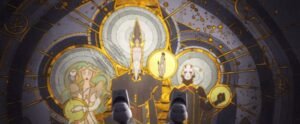
The re-emergence of Mortis iconography in the live-action *Ahsoka* series has brought these ancient mysteries to the forefront for a new generation. In the first season, the enigmatic dark Jedi Baylan Skoll is seen standing before three colossal statues on the distant world of Peridea. Two of these statues bear striking resemblances to the Father and the Son, while the third, headless and broken, unmistakably represents the Daughter. This visual callback is a powerful indicator that the Mortis entities, or at least their profound influence, are central to the new narrative unfolding in the M(andromeda) galaxy. Baylan’s quest for ‘power beyond the Force’ suggests he seeks to harness or understand the very primal forces that the Mortis gods embody, elevating their importance beyond mere allegory into tangible, galaxy-shaping entities.
Dave Filoni, the architect behind much of Ahsoka’s journey and a key creative force at Lucasfilm, has openly acknowledged the challenge and significance of bringing such complex concepts to live-action. He confirmed that the Mortis gods will indeed return in *Ahsoka* Season 2 and stressed that the series itself will provide sufficient context for new viewers, without demanding prior knowledge of the animated series. This approach aims to bridge the gap between seasoned fans and newcomers, making these profound elements of Force lore accessible to a wider audience. Filoni’s statement, “What we’re up against is this: are you going to believe it or not?” underscores the ambitious nature of this endeavor, highlighting the fine line between mystical narrative and audience buy-in.
The upcoming season also teased a potential new connection: a recently revealed image depicts the Nightsisters, the Force-wielding witches of Dathomir, seemingly worshipping figures that evoke the Mortis gods. While this link remains speculative and not officially confirmed, it suggests a deeper, more ancient tapestry of Force users and beliefs than previously understood. This potential integration could further solidify the Mortis entities as foundational figures in the cosmic Force, extending their influence across different Force traditions and bringing a rich layer of interconnectedness to the saga. The high stakes involved in translating such profound mysticism to a live-action audience are evident, but Lucasfilm’s commitment to deepening the Force’s portrayal signals an exciting new era for Star Wars storytelling.
Echoes in the Galaxy: Morai, Baylan Skoll, and the Resurgence of Mortis
The spiritual connection between Ahsoka Tano and the Daughter of Mortis, solidified by the Daughter’s ultimate sacrifice, has manifested consistently throughout Ahsoka’s journey. The mystical convor, Morai, serves as a poignant visual callback to this bond, frequently appearing at pivotal moments in Ahsoka’s life, particularly during her exile and struggles. This creature is not merely a symbolic animal; it represents a fragment of the Daughter’s life force and guidance, acting as a subtle guardian and reminder of the cosmic powers that shaped Ahsoka’s destiny. Morai’s presence underscores that the events on Mortis were not isolated, but rather etched into the very fabric of Ahsoka’s being.
The dramatic revelation of the Mortis statues on Peridea, discovered by Baylan Skoll in the climax of *Ahsoka* Season 1, marks a direct and undeniable reintroduction of these entities into the live-action canon. Baylan’s quest to find a source of ‘power’ beyond the conventional Jedi and Sith interpretations, leading him to these ancient effigies, implies that the Mortis gods represent a fundamental, raw form of the Force. His mysterious pilgrimage to these dormant titans suggests he intends to tap into their power or uncover secrets they hold, potentially reshaping the balance of the Force across not just one galaxy, but two. This development elevates the Mortis arc from an esoteric tale to a crucial element driving the future narrative of Star Wars.
Dave Filoni’s Vision: Bringing the Unthinkable to Live-Action for a New Nerd Generation
Dave Filoni, a figure deeply instrumental in expanding the Star Wars universe through animation, now faces the monumental task of translating the profound and often abstract concepts of Mortis into a live-action format for *Ahsoka* Season 2. His confirmation of the Mortis gods’ return comes with the promise that new audiences will be able to grasp their significance without needing to watch *The Clone Wars*, a testament to Lucasfilm’s commitment to making deep lore accessible. This requires a nuanced approach, blending narrative explanation with compelling visual storytelling to convey the weight and meaning of these entities. Filoni’s past success in weaving complex narratives suggests a careful and respectful handling of this delicate subject matter, ensuring it feels organic to the broader Star Wars story.
The fact that Ahsoka is no longer a Jedi provides a unique lens through which to explore these mysteries. Her previous experience on Mortis, coupled with her evolved understanding of the Force outside the confines of the Jedi Order, positions her uniquely to confront these ancient powers. The series can explore how a former Jedi, unburdened by dogma, and potentially even an ‘ordinary’ person, might react differently to such profound, cosmic phenomena. This fresh perspective, combined with the possible involvement of the Nightsisters, hints at a multi-faceted exploration of the Force that could push the boundaries of Star Wars mythology even further, offering a rich narrative experience for veteran fans and a compelling entry point for the next generation of Star Wars enthusiasts.
Frequently Asked Questions About the Mortis Arc and Its Impact
- What is the Mortis arc in Star Wars: The Clone Wars?
- The Mortis arc is a three-episode storyline from Season 3 of *Star Wars: The Clone Wars* where Anakin Skywalker, Obi-Wan Kenobi, and Ahsoka Tano are transported to a mysterious, Force-rich realm. There, they encounter the Father, Son, and Daughter—cosmic entities who embody the balance, dark side, and light side of the Force, respectively. The arc explores the nature of the Chosen One prophecy and profoundly influences Ahsoka’s connection to the Force, fundamentally redefining the understanding of its cosmic aspects within the Star Wars universe.
- Who are the Mortis gods (Father, Son, Daughter)?
- The Mortis gods are powerful, ancient beings who are personifications of the Force itself. The Father represents balance, desperately trying to maintain equilibrium between his children. The Son embodies the dark side, seeking to exert dominance and spread his influence. The Daughter represents the light side, life, and creation, often acting to counter the Son’s destructive tendencies. They are not merely powerful Force users but fundamental, living manifestations of the Force’s core principles, and their struggle for balance impacts the entire galaxy.
- How did the Mortis arc change the understanding of the Force?
- The Mortis arc revolutionized the understanding of the Force by presenting it not merely as a mystical energy field or a power to be wielded, but as a living, almost sentient entity with archetypal manifestations. It shifted the perspective from a purely scientific or philosophical concept to a deeply mythological and spiritual one, suggesting that the Force has a will and can be embodied. This added immense depth to the cosmic aspects of Star Wars, particularly regarding the Chosen One prophecy and the struggle for balance between light and dark.
- What is Morai’s connection to Ahsoka and the Mortis Daughter?
- Morai is a mysterious convor (owl-like creature) that frequently appears alongside Ahsoka Tano in *Star Wars Rebels* and the *Ahsoka* series. This creature is believed to be spiritually linked to the Daughter of Mortis. After the Daughter’s sacrifice to resurrect Ahsoka, a part of her essence or life force was transferred to Ahsoka. Morai’s recurring presence symbolizes this unique bond, acting as a spiritual guide or protector for Ahsoka, representing the lingering influence and light of the Daughter in her life, often appearing during critical moments.
- How will the Mortis arc influence Ahsoka Season 2?
- Dave Filoni has confirmed that the Mortis gods will return in *Ahsoka* Season 2, implying their influence will be central to the unfolding narrative. The appearance of their statues on Peridea in Season 1, sought by Baylan Skoll, indicates that the series will explore their cosmic power and significance directly. This is expected to deepen the mythology of the Force, potentially revealing ancient connections, new forms of power, and further shaping Ahsoka’s destiny as she grapples with these profound, mystical elements, bridging animated lore with live-action storytelling.
- Is knowledge of The Clone Wars required to understand Mortis in Ahsoka Season 2?
- While a deep understanding of *The Clone Wars* Mortis arc provides significant context, Dave Filoni has stated that *Ahsoka* Season 2 will be structured to explain the Mortis gods and their significance to new viewers who haven’t seen the animated series. The goal is to make this complex lore accessible to a broader audience, ensuring that the live-action narrative provides sufficient information and context without requiring prerequisite viewing, though veteran fans will undoubtedly appreciate the deeper references and implications.
- What is the significance of Baylan Skoll’s discovery on Peridea?
- Baylan Skoll’s discovery of the colossal Mortis statues on Peridea is highly significant, indicating his pursuit of a power far beyond conventional Jedi or Sith abilities. His quest suggests he believes these entities hold the key to a fundamental Force power, possibly to break the cycle of light and dark, or to harness a primal energy source from the ‘beginning’ of the Force. This quest elevates the Mortis gods from allegorical figures to potentially tangible sources of cosmic power within the narrative, hinting at an exploration of the Force’s raw, unfiltered aspects in a new galaxy.
- How might the Nightsisters be connected to the Mortis gods?
- A recently revealed image suggests a potential connection between the Nightsisters of Dathomir and the Mortis gods, showing them seemingly worshipping figures resembling the Mortis entities. If confirmed, this link would expand the known lore, suggesting that the Nightsisters’ unique form of Force manipulation, often referred to as ‘magick,’ might derive from or be influenced by these ancient cosmic powers. This could reveal a much older and more diverse history of Force worship and practice across the galaxy, further intertwining disparate elements of Star Wars mythology.
The Next Step: Preparing for a Cosmic Leap in Star Wars Lore
As the Star Wars universe continues its ambitious expansion, the resurgence of the Mortis arc in live-action is an unmistakable signal: the saga is poised to delve deeper into its most profound, mystical, and potentially controversial aspects. This journey promises not only to reward the long-standing dedication of the Star Wars nerd community but also to invite a new generation into the intricate cosmic ballet of the Force. The willingness of Lucasfilm to embrace such complex lore, and to adapt it for a wider audience, speaks volumes about their vision for the future of the galaxy far, far away.
The return of the Father, Son, and Daughter, whether as direct manifestations or through their enduring influence, ensures that *Ahsoka* Season 2 will be a pivotal moment for understanding the Force. It challenges viewers to move beyond conventional interpretations and embrace a mythology that is as ancient as it is ethereal. For those who seek a deeper connection to the saga, who relish in unraveling its hidden meanings and cosmic implications, this is an opportunity not to be missed. The Mortis arc is not merely a chapter in an animated series; it is a foundational text that continues to shape the very soul of Star Wars.
Prepare to witness a new frontier in Star Wars storytelling, one that promises to explore the Force with unprecedented depth and philosophical weight. As the release date approaches, the excitement among the fandom is palpable, underscoring the enduring power of these stories to captivate and inspire. The journey to Mortis began in animation, but its true legacy is now set to unfold on a grand, live-action stage, forever altering how we perceive the Force and the destinies woven within its cosmic tapestry.






Post Comment