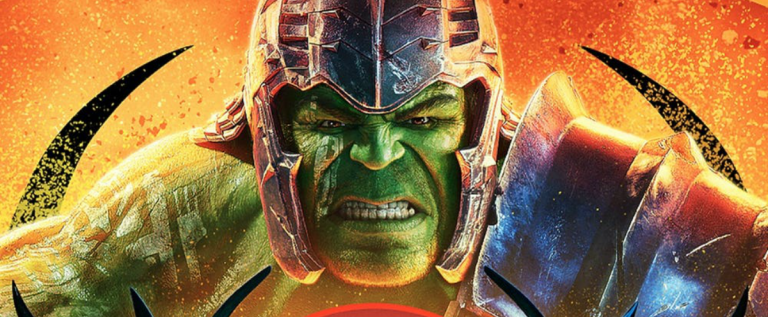
Does the MCU Still Struggle with Hulk’s Character? A Deep Dive for Nerds
Since his introduction to the Marvel Cinematic Universe (MCU), the Hulk has been a character defined by immense power and profound internal conflict. Yet, nearly two decades after his cinematic debut, a persistent question echoes through the fandom: where is the character truly headed? For many long-time comic aficionados and dedicated members of the Nerd community, the journey of Bruce Banner and his monstrous alter-ego often feels adrift, lacking a clear, cohesive narrative direction. This sentiment suggests that Marvel Studios might still be grappling with how to fully realize the potential of one of its most complex heroes.
The core of the Hulk’s appeal, rooted deeply in his comic book origins, lies in the perpetual psychological battle between the brilliant, gentle scientist Bruce Banner and the raging, uncontrollable beast within. This dynamic, often likened to the classic literary dichotomy of Dr. Jekyll and Mr. Hyde, presents a rich tapestry for storytelling—one that, according to various analyses, the MCU has rarely explored with the depth it deserves. Instead of delving into the intricacies of this internal struggle, the character’s cinematic path has frequently presented him as a plot device or a source of comedic relief, sidestepping the profound human drama at its heart. This perceived underutilization fuels ongoing discussions among fans who yearn for a more meaningful arc for the Green Goliath.
The evolution, or perhaps lack thereof, has spurred considerable debate among viewers and critics alike. From early portrayals that hinted at deeper psychological complexity to later iterations that streamlined his persona, the Hulk’s journey has been marked by significant shifts that sometimes feel more reactive than intentional. This article aims to explore these narrative complexities, examining the critical junctures in the Hulk’s MCU tenure, analyzing the choices made, and speculating on the potential future paths for Bruce Banner. By dissecting the challenges and opportunities presented by this iconic character, we seek to understand why the question of the Hulk’s ultimate destiny remains a pressing one for the global Nerd audience.
Why the MCU’s Hulk Arc Leaves Many Nerd Fans Puzzled
The trajectory of the Hulk within the Marvel Cinematic Universe has consistently sparked conversation and, at times, frustration among its dedicated fanbase, particularly the segment of Nerd enthusiasts who cherish the character’s rich comic book history. A central point of contention revolves around the studio’s apparent reluctance to deeply explore the inherent internal conflict that defines Bruce Banner. This struggle—the man battling the monster for control of a shared body—is fundamental to the character’s appeal, yet it has seldom been the primary focus of his on-screen appearances.
This perceived oversight is particularly striking when contrasting the portrayal of the Hulk across different actors. While Edward Norton’s rendition briefly hinted at this profound internal tension, Mark Ruffalo’s widely beloved version, despite his charm and comedic timing, has largely presented a more integrated or even reconciled state, particularly with the introduction of Smart Hulk. The decision, for instance, to seemingly bypass the opportunity to delve into this conflict in rumored future projects, such as a hypothetical ‘Avengers: Doctor Doom’ scenario, often leaves viewers questioning the studio’s long-term vision for Banner.
Indeed, the comparison to Robert Louis Stevenson’s ‘The Strange Case of Dr. Jekyll and Mr. Hyde’ serves as a poignant reminder of the dramatic potential inherent in the Hulk’s duality. This literary parallel underscores the rich narrative possibilities that arise from a character perpetually at odds with his own monstrous half. The continuous internal war, rather than simply being a catalyst for action sequences, could offer profound insights into themes of control, identity, and the struggle against one’s darker impulses.
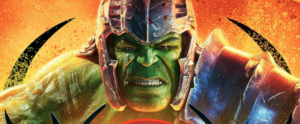
Adding to the confusion is the pattern of significant character developments occurring off-screen. Major arcs, such as Banner’s time on Sakaar (which was briefly showcased but largely summarized) and the eventual creation of Smart Hulk, were presented as faits accomplis rather than lived experiences within the main cinematic narrative. This approach often leaves the audience feeling disconnected from crucial turning points in the character’s evolution, preventing a deeper investment in his journey and reinforcing the idea that the studio struggles with how to seamlessly integrate these pivotal moments into its overarching storylines.
For many **Nerd** fans, the MCU’s handling of the Hulk presents a paradox: a powerful character whose most compelling internal struggles are often minimized or left unexplored. This creates a sense of missed opportunity, where the core psychological drama inherent in the Banner-Hulk dynamic takes a backseat to broader plot requirements, leaving a significant portion of his story untold or condensed off-screen.
The Underexplored Internal Battle: Dr. Jekyll and Mr. Hyde in the MCU
The intrinsic struggle between Bruce Banner and the Hulk is arguably the most defining characteristic of the Green Goliath, offering a deep well of psychological and philosophical themes. This battle for dominance, a quintessential modern retelling of the Dr. Jekyll and Mr. Hyde archetype, explores human nature’s duality, the allure of unchecked power, and the profound cost of inner turmoil. In the MCU, while this concept is implicitly understood, its explicit exploration as a central dramatic device has been notably absent for extended periods.
Early cinematic interpretations outside the MCU had, at times, leaned into this internal conflict, suggesting a path for Banner fraught with constant tension. However, within the interconnected narrative of the Avengers films, the focus often shifted away from this intimate struggle. Instead, the Hulk’s transformations were sometimes externalized, triggered by villains manipulating his mind, as seen in ‘Avengers: Age of Ultron’ or, hypothetically, in a rumored storyline like ‘Spider-Man: A New Day’ where Jean Grey might control Bruce’s mind, leading to his institutionalization and a ruined reputation. These external triggers, while dramatic, divert from the inherent psychological battle that truly defines Banner’s internal landscape.
Missed Opportunities and Abrupt Transitions
Throughout the MCU, the Hulk’s narrative has been punctuated by instances where significant emotional or character-defining moments were either glossed over or occurred entirely outside the audience’s direct view. This pattern suggests a reluctance or difficulty in dedicating substantial screen time to Banner’s personal development, especially his evolving relationship with his monstrous counterpart.
A prime example of these missed opportunities is ‘Avengers: Infinity War,’ where Bruce Banner notably fails to transform into the Hulk, forcing him to rely on technological solutions like the Hulkbuster armor. While this sequence illustrated Banner’s fear and the Hulk’s apparent disinterest in fighting, it also represented a critical moment where the internal power dynamic could have been explicitly dissected. Instead, the explanation for Hulk’s refusal remained somewhat ambiguous, paving the way for the eventual, and largely unseen, resolution that led to Smart Hulk. Such abrupt transitions leave the audience wanting for the emotional beats that would solidify the character’s journey.
Mark Ruffalo’s Journey and the Future of the Green Goliath
Mark Ruffalo’s portrayal of Bruce Banner and the Hulk has become iconic, endearing the character to a new generation of fans. His unique blend of vulnerability, intelligence, and underlying rage has provided a distinctive flavor to the Green Goliath. However, as the MCU expands and Ruffalo’s tenure continues, questions naturally arise about the character’s long-term viability and the actor’s own role within future narratives. Ruffalo, now 58, openly shared his perspective on the Hulk’s future, indicating a willingness to return if compelling stories can be found, even while confirming his absence from certain rumored projects like ‘Doctor Doom’.
This sentiment highlights a crucial point: both the actor and the audience seek engaging, well-developed arcs for the Hulk. The challenge for Marvel Studios is to continuously craft these narratives, ensuring that the character remains relevant and impactful within an ever-growing ensemble. The physical demands of playing a prominent action hero, even one largely rendered through CGI, also become a consideration. While Ruffalo’s performance primarily involves motion capture and voice work for the Hulk, the underlying human elements of Bruce Banner still require a dynamic and physically capable actor.
The longevity of a character like the Hulk, especially when tied to a specific actor, often hinges on the studio’s ability to reinvent and evolve their story. For Ruffalo, this means finding “cool things to do with the Hulk” – a sentiment that resonates deeply with fans who desire more than just cameos or supporting roles. His public statements often act as a barometer for the character’s current standing within the studio’s plans, providing subtle hints about potential directions or prevailing uncertainties. The balance between utilizing Ruffalo’s established popularity and developing a fresh, meaningful arc is a delicate one that Marvel must continually manage.
Mark Ruffalo’s enduring presence as the Hulk hinges on finding fresh, compelling narrative paths for the character, a task complicated by his age and the character’s physical demands, making a clear future dependent on innovative storytelling that satisfies both the actor and the devoted fan base.
Ruffalo’s Perspective and Fan Expectations
Mark Ruffalo has often spoken candidly about his role as the Hulk, expressing both his enjoyment and his desire for the character to have a fulfilling journey. His statement to Empire magazine in January, indicating the Hulk would not be in ‘Doctor Doom’ but affirming his openness to return for compelling stories, underscores a significant aspect of character development in a long-running franchise. Actors, like fans, seek meaningful engagement with their roles, stories that challenge and evolve the persona beyond mere repetition.
For the Nerd community, Ruffalo’s perspective is particularly important. Fans often connect deeply with the actors who embody their favorite heroes, and their voiced hopes for character arcs often align with the audience’s own desires. The expectation is that if the Hulk returns, it should be for a substantial purpose, building upon his past rather than retreading old ground or presenting another abrupt transformation. This collective hope for a definitive and satisfying resolution is a powerful force that Marvel Studios must consider.
The Physicality of the Role and Character Longevity
While the Hulk is primarily a CGI creation, the physical demands on Bruce Banner, a key component of the character’s arc, cannot be overlooked. As Mark Ruffalo approaches his sixties, the notion of him continuing indefinitely as a central action hero becomes a practical consideration for the studio. This isn’t to say an older actor cannot portray a superhero, but the specific requirements of Banner’s character—often involving scenes of intense emotional distress, physical transformation, or intellectual exertion—may require nuanced storytelling approaches.
The longevity of Ruffalo’s Hulk might therefore depend less on brute strength and more on the evolution of Banner’s intellect and leadership, perhaps as a mentor or a strategic asset. This shift in focus could open new avenues for the character, allowing him to contribute to the MCU in ways that leverage Ruffalo’s dramatic capabilities while acknowledging the natural progression of time. Such an adaptation would be welcomed by many who prioritize character depth over perpetual action heroics.
Speculations and Potential Resolutions for the Hulk’s MCU Future
The future of the Hulk in the Marvel Cinematic Universe is a frequent subject of intense speculation, particularly among the dedicated Nerd community. With Mark Ruffalo expressing his willingness to continue under the right circumstances, and cryptic clues emerging from various sources, fans are eagerly piecing together what might await Bruce Banner. One prominent rumor, highlighted by Ei Nerd, suggests that the Hulk’s next significant appearance could be in ‘Avengers: Secret Wars,’ potentially featuring multiple iterations of the Hulk, including She-Hulk. This scenario could offer a grand, multiversal stage for the character to finally achieve a definitive resolution or a renewed purpose.
Such a large-scale event, often involving reality-altering stakes and numerous character crossovers, would provide an ample canvas for Marvel to explore the Hulk’s full potential, addressing long-standing questions about his past and future. The inclusion of various Hulk incarnations could also create fascinating dynamics, allowing for a deeper exploration of what it means to carry the Green Goliath’s power, perhaps even through a lineage. However, these remain unconfirmed rumors, and Marvel Studios has yet to make any official announcements regarding such expansive plans.
Another piece of fan-driven interpretation stems from a scene displayed in ‘Avengers: Endgame Encore,’ which depicts Victor von Doom potentially abducting the hero. This snippet, while intriguing, requires caution in its interpretation. ‘Endgame Encore’ content can sometimes exist outside the primary canon or serve as conceptual exploration rather than confirmed future plot points. Nevertheless, it fuels the ongoing discussion about the formidable adversaries the Hulk might face and the dark turns his narrative could take, especially if characters like Doctor Doom were to play a pivotal role in his story.
Current speculation suggests the Hulk’s future could be significantly shaped by major crossover events like ‘Avengers: Secret Wars,’ potentially featuring multiple versions of the character, or by the influence of formidable villains such as Doctor Doom, although these possibilities remain unconfirmed by Marvel Studios.
Secret Wars: A Multiversal Hulk-Out?
The prospect of ‘Avengers: Secret Wars’ serving as a major platform for the Hulk is particularly exciting for fans. In the comic books, Secret Wars storylines often involve multiversal convergences and profound transformations, making it an ideal setting to re-evaluate or even redefine a character like the Hulk. The rumor of multiple Hulks, including She-Hulk, appearing in such an event suggests a narrative opportunity to explore different facets of the gamma mutation, its genetic implications, and its impact across various realities.
This scenario could allow for a collective resolution or even a passing of the torch, providing a fitting conclusion for Mark Ruffalo’s iteration while simultaneously introducing new gamma-powered characters to carry the legacy forward. It represents a potential moment for the Hulk to be more than just a powerful asset but a central figure in a cosmic-level narrative, grappling with issues of identity and belonging on a multiversal scale. Such an approach would directly address the calls from the Nerd community for a more significant and impactful arc for the character.
The Enigmatic Endgame Encore Scene and Doctor Doom
The ‘Avengers: Endgame Encore’ scene, interpreted by some as depicting Victor von Doom’s abduction of the Hulk, adds a layer of intrigue and potential darkness to the character’s future. Doctor Doom is one of Marvel’s most iconic and formidable villains, known for his vast intellect, mastery of science and magic, and unwavering ambition. His potential involvement with the Hulk could lead to truly challenging and transformative events for Bruce Banner, pushing him into scenarios far more perilous than those he has faced before.
However, the nature of ‘Encore’ content often means it exists in a somewhat nebulous space between confirmed canon and speculative concepts. Therefore, while the idea of Doom targeting the Hulk is compelling and rich with narrative possibilities—imagine Doom attempting to harness gamma energy or control the Hulk for his own nefarious ends—it requires careful consideration. It serves as a powerful reminder of the untapped potential for the Hulk to encounter genuinely complex antagonists who can challenge him intellectually and existentially, not just physically.
Analyzing the Creative Challenges Behind the MCU’s Hulk Conundrum
The perceived difficulty in charting a consistent course for the Hulk within the MCU can be attributed to several inherent creative challenges. Unlike many other heroes whose powers are clearly defined and controlled, the Hulk’s very nature—a volatile transformation driven by emotion and a distinct personality—makes him a unique narrative puzzle. This duality, while fascinating, poses significant hurdles for writers trying to integrate him into a cohesive, long-form storyline, especially when balancing his individual arc with the demands of an ensemble cast.
One major challenge is the sheer power level of the Hulk. As one of the strongest beings in the MCU, his presence can easily overshadow other characters or resolve conflicts too quickly, necessitating creative ways to sideline him or diminish his abilities. This often leads to explanations for his absence or reduced role that, to some Nerd fans, feel contrived or unsatisfying. The need to maintain dramatic tension across a diverse roster of heroes means that individual power sets must be carefully managed, sometimes at the expense of a single character’s consistent portrayal.
Furthermore, the long and complex history of the Hulk in comic books, encompassing numerous transformations, distinct personalities (like Savage Hulk, Grey Hulk, Professor Hulk), and varied moral alignments, presents both a wealth of material and a potential trap. While rich in lore, attempting to adapt all these facets, or even select ones, into a cinematic universe with its own evolving rules can lead to fragmented character development. The studio faces the difficult task of selecting which elements to emphasize, which to adapt, and which to leave behind, all while trying to maintain fidelity to the spirit of the character.
The MCU’s inconsistent handling of the Hulk stems from the inherent difficulties of integrating his immense power and volatile dual nature into an ensemble narrative, compounded by the challenge of selectively adapting his expansive comic book history without fragmenting his cinematic evolution.
Balancing Ensemble Casts and Individual Character Arcs
The Marvel Cinematic Universe is celebrated for its intricate web of interconnected stories and its ability to manage a vast ensemble cast. However, this strength can also become a limitation for characters whose individual arcs require extensive focus. The Hulk, with his complex psychological makeup, arguably demands more dedicated screen time and narrative depth than he has often received, particularly when compared to heroes like Iron Man or Captain America, who had multi-film solo franchises to flesh out their journeys.
Integrating the Hulk into team-up films often means his personal story is subservient to the larger plot, resulting in his character development being condensed, fragmented, or even relegated to off-screen events. This balancing act—ensuring every character contributes to the main narrative without overshadowing others while still maintaining their individual growth—is a monumental task, but one that has arguably left the Hulk’s potential partially untapped.
The Dilemma of Studio Control vs. Character Integrity
The creative direction of a character like the Hulk is intrinsically tied to studio decisions, often balancing commercial viability with artistic integrity. The perceived “conundrum” around the Hulk might reflect an ongoing internal debate within Marvel Studios itself regarding the best path forward. This could involve navigating rights issues (though less prominent now), testing audience reception to different versions of the character, or simply struggling to find a narrative sweet spot that pleases both long-time fans and new viewers.
This dilemma highlights the challenges of maintaining character integrity across multiple phases and creative teams. For a character as iconic as the Hulk, consistency in tone and purpose is paramount for the Nerd audience, who scrutinize every deviation from established lore or perceived misstep in characterization. The continuous re-evaluation of the Hulk’s role, while potentially leading to innovative storytelling, can also create a sense of instability around his identity within the vast MCU narrative.
| Aspect of Hulk’s Arc | Explored in MCU (Examples) | Underexplored in MCU (Implications) |
|---|---|---|
| Internal Conflict (Banner vs. Hulk) | Briefly in Edward Norton’s portrayal; Hulk’s refusal to emerge in Infinity War. | Lack of sustained focus; psychological depth often summarized rather than shown; resolution into Smart Hulk occurred off-screen. |
| Character Evolution & Control | Transition to Smart Hulk; use of Hulkbuster. | How Banner achieved control and integration of personalities; the emotional toll of his constant state of transformation. |
| Impact of Gamma Radiation | His immense strength and durability. | Long-term health implications for Banner; the broader implications of gamma exposure beyond physical transformation for others. |
| Role in Ensemble Films | Key powerhouse in major battles; occasional comic relief. | Deeper leadership roles; strategic contributions beyond brute force; personal relationships not fully explored due to supporting role. |
| Emotional & Psychological Trauma | Banner’s fear of transforming. | The consistent burden of living with the Hulk; unresolved guilt over past actions; the isolation caused by his condition. |
What’s Next for the Hulk in the MCU: A Nerd Culture Perspective
For the ardent followers of Nerd culture and the Marvel Cinematic Universe, the question of the Hulk’s future is not just about upcoming film appearances, but about the character’s legacy. Mark Ruffalo, who has embodied Bruce Banner for over a decade, is now 58, prompting discussions about how long he can realistically continue in such a physically demanding role, even with heavy reliance on CGI. This makes future projects, especially grand ensemble events like the rumored ‘Avengers: Secret Wars,’ potentially the last significant opportunities to provide Ruffalo’s Hulk with a truly fitting and impactful conclusion.
The concept of ‘Secret Wars’ offering a multiversal gathering of Hulks—a possibility floated by leakers—excites fans because it suggests a narrative canvas expansive enough to deliver the redemption and definitive arc many believe the character deserves. Such an event could not only pay homage to his rich comic book history but also allow for a symbolic passing of the torch or a powerful final stand that solidifies his place in MCU lore. This would be a chance for Marvel to rectify what some perceive as a pattern of inconsistent character development, offering a satisfying payoff for years of audience investment.
However, until Marvel Studios officially confirms these speculations, the Hulk’s path remains a matter of hypothesis. The lingering questions about his internal struggle, the off-screen developments, and his fluctuating importance across various films underscore the need for a clear, decisive direction. A well-executed conclusion or a revitalized arc could serve as a powerful testament to the character’s enduring appeal, satisfying both long-time devotees and newer fans who have yet to see the full potential of the Green Goliath unleashed in a deeply meaningful way.
For the **Nerd** community, ‘Avengers: Secret Wars’ represents a critical juncture for the Hulk, potentially offering a definitive and redemptive conclusion for Mark Ruffalo’s long-standing portrayal, addressing years of inconsistent character development and solidifying his legacy within the MCU.
The Quest for a Fitting Legacy
After years of nuanced performances and pivotal contributions to the Avengers’ battles, Mark Ruffalo’s Hulk deserves a legacy that transcends mere comic relief or brute force. The desire for a “fitting desfecho à altura” (a conclusion worthy of his stature) stems from the character’s iconic status and the profound themes he represents. Fans crave a narrative that ties together the disparate threads of his journey, acknowledging the evolution from angry monster to integrated genius, and perhaps offering a final act of heroism or sacrifice that cements his place among the MCU’s legends.
This quest for a strong legacy is not just about fan service; it’s about narrative closure and the fulfillment of a character’s potential. If ‘Secret Wars’ indeed provides an opportunity for various Hulks to converge, it could be a chance for Banner to confront alternate versions of himself, reflect on his choices, and ultimately choose his destiny. Such a development would resonate deeply with audiences who have followed his complex journey, providing a powerful and earned resolution to his decades-long struggle.
A Chance for Marvel to Course Correct
The perceived inconsistencies in the Hulk’s MCU arc present Marvel Studios with a unique opportunity to course correct. By delivering a compelling and well-defined conclusion or a revitalized storyline, the studio can address long-standing fan criticisms and demonstrate a renewed commitment to character depth. This wouldn’t just be a win for the Hulk, but a testament to Marvel’s ability to listen to its audience and adapt its storytelling for maximum impact.
A successful resolution could involve finally giving Bruce Banner agency over his transformations, exploring the full implications of his Smart Hulk persona, or even introducing a new, compelling gamma-powered hero to carry on the legacy. For Marvel, this is more than just closing a chapter; it’s about reinforcing its reputation for crafting rich, engaging narratives that honor its source material while pushing the boundaries of cinematic storytelling, solidifying its standing among the discerning Nerd audience.
Frequently Asked Questions About the Hulk’s MCU Journey
-
Has the MCU fully explored the Hulk’s internal conflict?
While the internal struggle between Bruce Banner and the Hulk is a foundational element of the character, the MCU’s exploration of this dynamic has often been viewed as superficial or underdeveloped. Early portrayals, like Edward Norton’s, hinted at deeper psychological tension, but Mark Ruffalo’s version, especially leading up to and including Smart Hulk, often presented a more resolved state without fully detailing the emotional and mental journey to get there. Many fans feel the complex Dr. Jekyll and Mr. Hyde analogy, which underscores the character’s core, has been consistently downplayed in favor of broader plot progression or comedic relief, leaving much of its dramatic potential untapped.
-
Why do many fans feel the Hulk’s development happens off-screen?
Several significant character developments for the Hulk, such as his time on Sakaar and the ultimate resolution into Smart Hulk, were largely summarized or occurred outside the main cinematic narrative. This approach means pivotal moments in Banner’s evolution were presented as established facts rather than experienced by the audience alongside him. This can lead to a sense of disconnect, as viewers miss the emotional and psychological journey that led to these major shifts, making his character arc feel less earned or complete compared to other MCU heroes whose transformations were depicted in detail.
-
What are the implications of Mark Ruffalo’s age for the Hulk’s future?
At 58 years old, Mark Ruffalo’s age brings practical considerations for his continued portrayal of an action-oriented superhero. While much of the Hulk’s appearance is CGI, the underlying character of Bruce Banner still requires a physically dynamic performance. This could necessitate a narrative shift, perhaps focusing more on Banner’s intellectual contributions or a mentorship role, rather than him continuously being at the forefront of physical confrontations. Ruffalo himself has expressed a desire for compelling storylines, suggesting that the character’s future should prioritize meaningful narrative over repetitive action, potentially leading to a more cerebral or legacy-focused role.
-
What is the significance of ‘Avengers: Secret Wars’ for the Hulk?
Rumors suggest ‘Avengers: Secret Wars’ could be a pivotal event for the Hulk, potentially featuring multiple versions of the character, including She-Hulk. This multiversal event would offer an expansive platform for the character to achieve a definitive conclusion or a renewed purpose, addressing long-standing questions about his past and future. For many Nerd fans, it represents a grand opportunity for a redemptive arc or a powerful final stand that solidifies his place in MCU lore, potentially offering the depth and closure that has been sought for years.
-
How could Doctor Doom affect the Hulk’s future in the MCU?
A scene from ‘Avengers: Endgame Encore’ has been interpreted by some as depicting Victor von Doom potentially abducting the Hulk, sparking speculation about his future. Doctor Doom is a formidable villain known for his intellect and power, and his involvement could lead to challenging and transformative events for Bruce Banner. Such an encounter might push the Hulk into perilous scenarios, exploring new facets of his powers or Banner’s scientific mind. This hypothetical conflict represents a significant narrative opportunity to pair the Hulk with a truly complex antagonist, challenging him beyond mere physical confrontations.
-
Why is the Hulk often used as comic relief in the MCU?
The Hulk’s immense power and often unpredictable nature make him a challenging character to integrate into a long-form narrative without overshadowing other heroes. To balance the ensemble and prevent him from resolving conflicts too quickly, the MCU has sometimes leaned into his capacity for comic relief, particularly with the Smart Hulk persona. While this provides lighter moments, it often comes at the expense of exploring his deeper psychological struggles or showcasing his full dramatic potential, leaving many fans yearning for a more serious and impactful role for the character.
The Hulk’s journey within the Marvel Cinematic Universe remains one of its most fascinating and debated sagas. From the initial struggle of Bruce Banner to contain the beast within, through various transformations, to his current, somewhat uncertain status, the character has captivated the imaginations of millions. For the dedicated Nerd audience, who understands the profound depth and complexity inherent in this iconic hero, the desire for a cohesive, compelling, and ultimately satisfying narrative arc is paramount. The ongoing discussions, the fervent speculation, and the hopeful anticipation for future appearances all underscore a singular truth: the Hulk is more than just a powerhouse; he is a symbol of internal conflict, untapped potential, and enduring resilience.
As Marvel Studios continues to expand its sprawling cinematic tapestry, the choices it makes regarding the Hulk will speak volumes about its commitment to character development and its willingness to address long-standing fan expectations. Whether ‘Avengers: Secret Wars’ provides the grand, redemptive conclusion many hope for, or if new, unforeseen paths emerge, one thing is clear: the **Nerd** community will be watching closely, eager for the Green Goliath to finally roar with a purpose and clarity worthy of his legendary status. The opportunity to deliver a definitive legacy for Bruce Banner is not just a chance to correct past perceived missteps, but to solidify the enduring power of storytelling that resonates deeply with its audience.





Post Comment